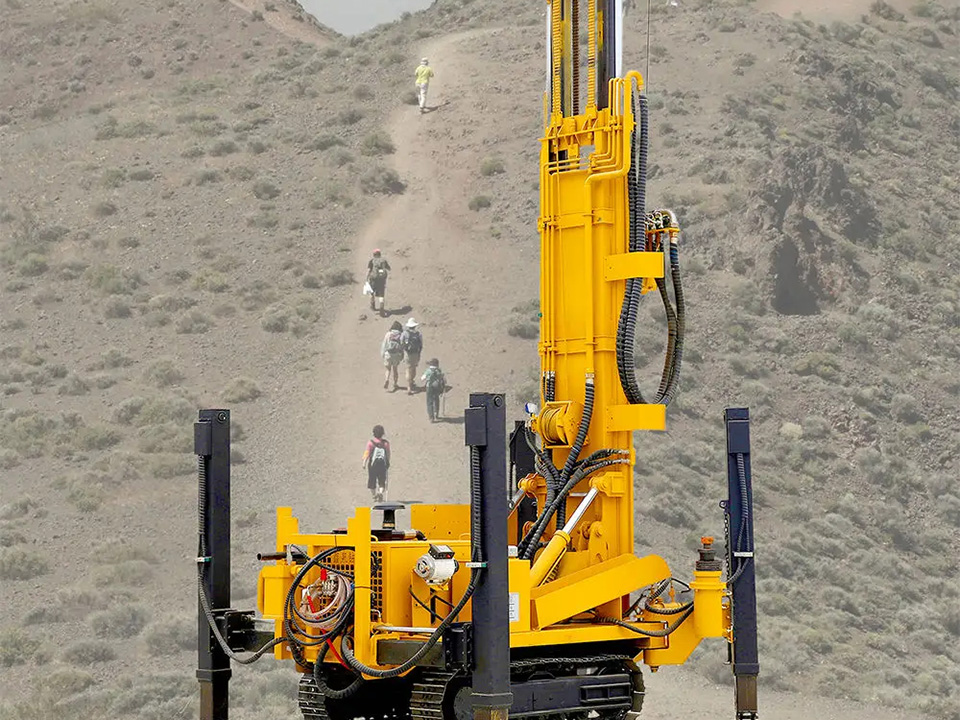
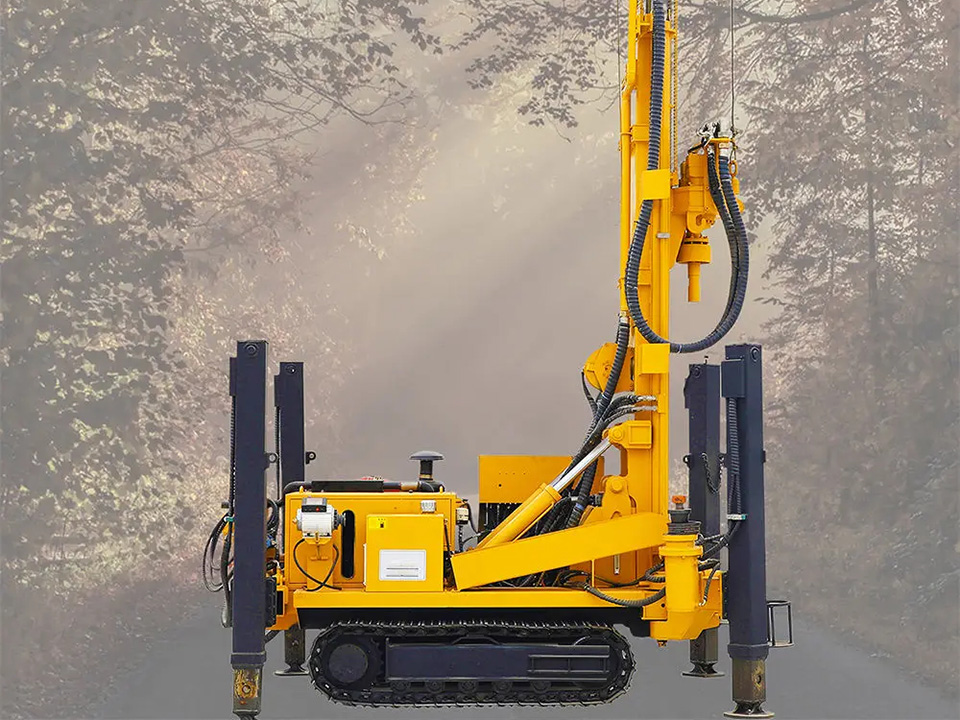
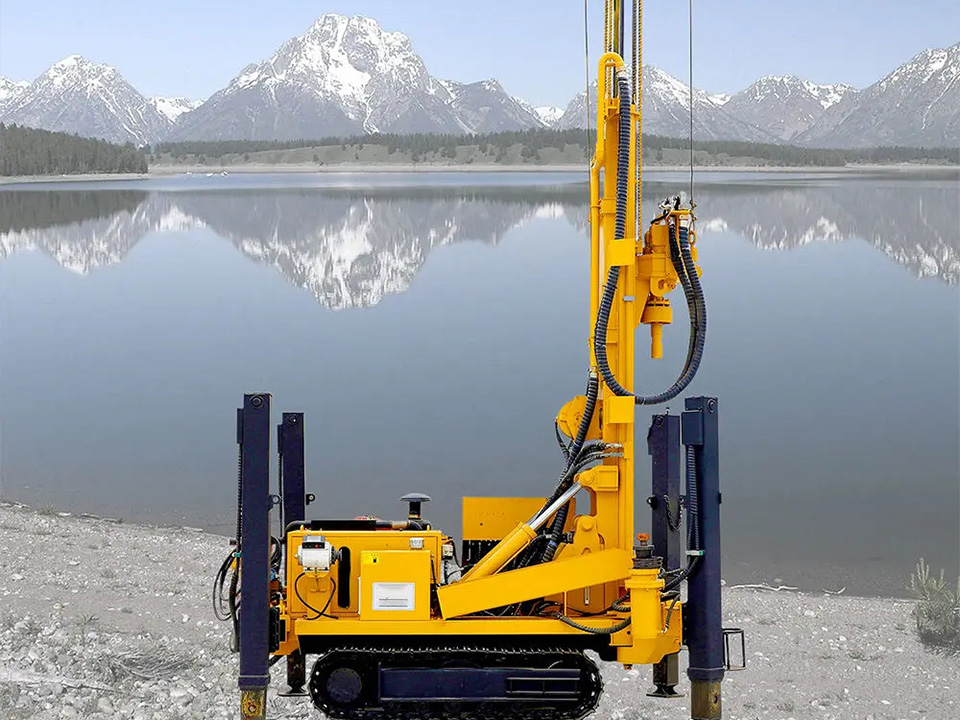
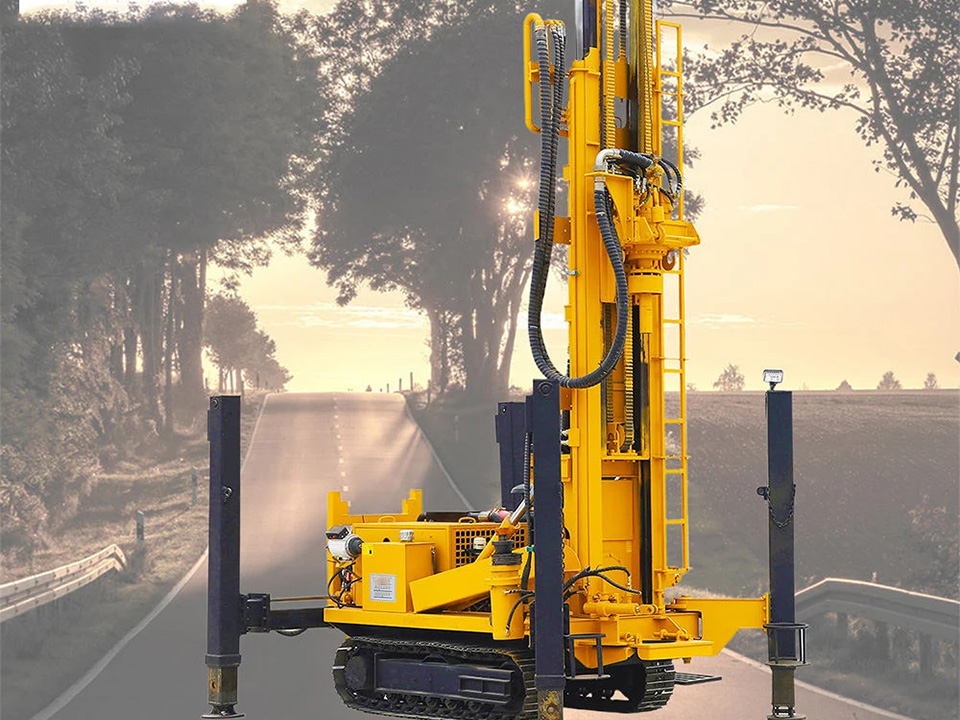
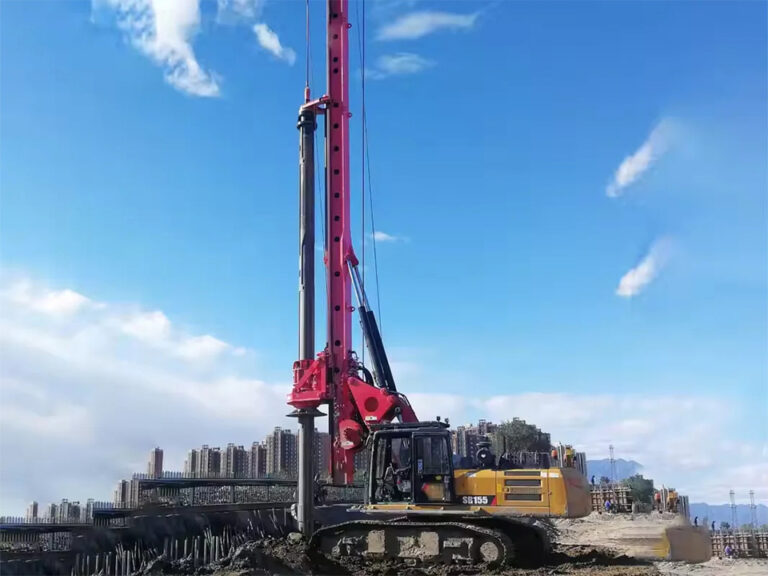
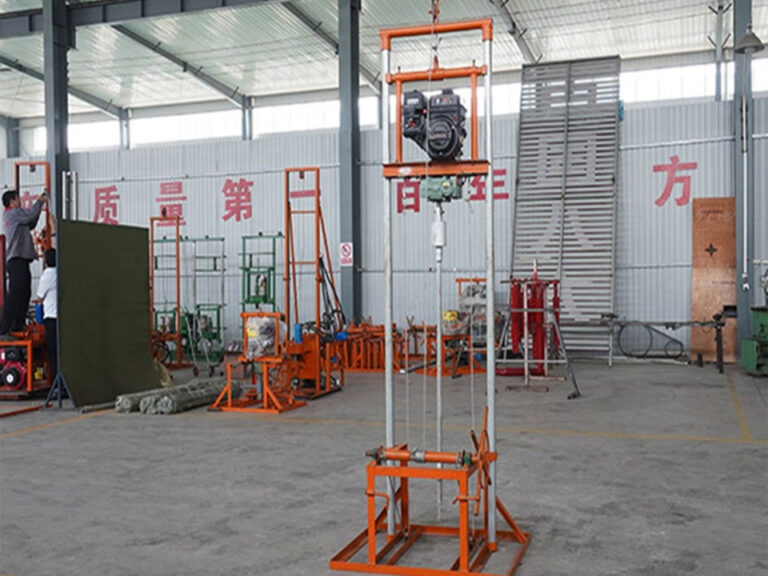
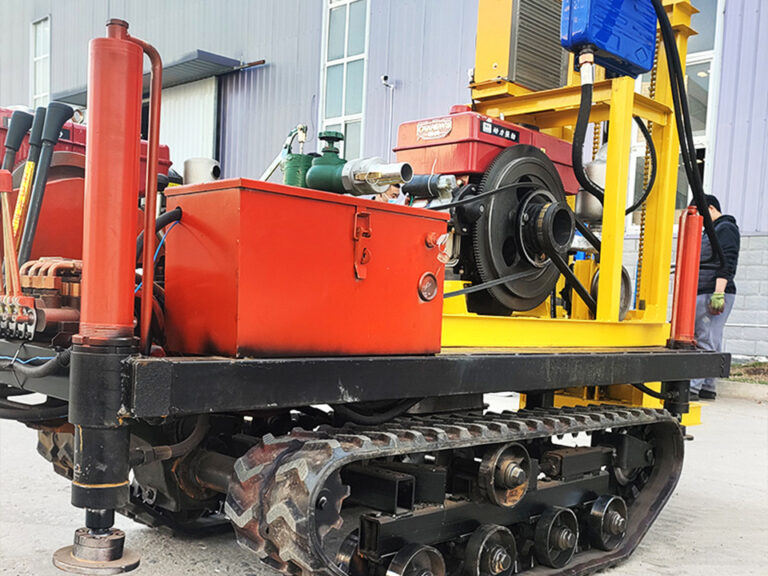
“The Drilling Rig gave us a true one-stop solution. Their team matched the right rig, compressor, and drilling tools for our project, and the engineering support stayed fast and professional from quote to delivery.”
Payment Terms for Large Rig Orders: TT, LC, or Escrow
A drilling rig is not a phone charger. You do not click “buy,” wait seven days, and argue with customer service if the wrong machine arrives.
Money moves first.
That is the uncomfortable truth in large rig orders, especially when the buyer is importing from another country, the supplier is building or modifying the machine, and the total transaction may include the rig, air compressor, drill rods, DTH hammer, bits, spare parts, sea freight, inland transport, and export documentation. A USD 35,000 order is already serious. A USD 120,000 order can break a small contractor if the payment structure is stupid.
Table of Contents
So the question is not “Which payment method is safest?”
The better question is this: Which payment structure creates enough trust for the buyer without making the supplier finance the buyer’s fear?
I have seen buyers demand impossible protection. I have also seen suppliers ask for 100% advance payment with no inspection, no shipment schedule, no serial number, no bankable paper trail, and somehow act offended when the buyer hesitates. Both sides call it “standard practice.” Usually, it is just bad negotiation wearing a suit.
Why Rig Payment Terms Are Different From Normal Import Payments
Large equipment orders have a different risk profile from small commodity purchases because the product is heavy, customized, capital-intensive, and hard to return.
A buyer ordering a heavy-duty diesel rotary DTH drilling rig is not only buying steel and hydraulics. He is buying production time, compressor compatibility, drilling depth expectations, after-sales support, loading accuracy, and a chain of documents that must satisfy customs, banks, freight agents, and sometimes government project auditors.
Small mistake. Big bill.
A missing commercial invoice detail can delay customs clearance. A wrong HS code can trigger extra inspection. A vague proforma invoice can make the bank reject a letter of credit presentation. A fake supplier bank account can drain the entire deposit before production even starts.
According to the FBI’s 2024 Internet Crime Report, reported cybercrime losses exceeded USD 16 billion in 2024, with business email compromise and payment redirection remaining a major part of the fraud problem. That matters because rig buyers often communicate by email, WhatsApp, PDF invoice, and bank transfer — exactly the channels criminals like to attack.
And if you think this only happens to small buyers, look at industrial trading scandals. Reuters reported that Trafigura had been trying to trace hundreds of millions of dollars after alleged fraud in its Mongolia fuel business, following another major nickel-related fraud case. Different industry, same lesson: paperwork, trust, and payment controls are not administrative details. They are the deal.
TT Payment for Equipment Orders: Fast, Common, and Dangerous When Used Lazily
TT payment, or telegraphic transfer, is the most common payment method for equipment exports because it is simple. The buyer wires money directly to the supplier’s bank account. The supplier confirms receipt, starts production or prepares shipment, and the order moves forward.
No poetry here.
For large rig orders, TT usually appears in one of three structures: 30% deposit and 70% before shipment, 50% deposit and 50% before shipment, or 100% advance payment for smaller machines and ready-stock items. The 30/70 structure is the industry workhorse because it gives the supplier working capital while keeping the buyer’s final payment tied to production completion.
But TT has a brutal weakness: once the money is wired, the buyer’s leverage drops sharply.
That does not mean TT is bad. I dislike that lazy advice. TT is not the villain; blind TT is the villain.
A buyer importing a second-hand mining drilling rig should never treat TT the same way as a buyer ordering a standard new rig from a verified factory. Used equipment carries condition risk: engine hours, hydraulic leakage, repainting, missing accessories, worn rotary head components, and unclear service history. In that situation, payment must be tied to inspection evidence, not just supplier confidence.
When TT Works
TT works best when the supplier is verified, the machine is standard or already in stock, the buyer can request photos and videos by serial number, and the balance is paid only after pre-shipment inspection.
The practical TT structure I prefer for many rig deals is:
30% deposit after signed proforma invoice and verified bank account.
40% after production completion video, nameplate confirmation, test run, and accessory checklist.
30% after third-party inspection or before release of original shipping documents.
Is it perfect? No. But it is commercially realistic.
Suppliers need cash. Buyers need control. The payment schedule should admit both facts instead of pretending one side has zero risk.
LC Payment for Machinery Import: More Protection, More Paper, More Friction
A letter of credit, or LC, is a bank-backed payment instrument. The buyer’s bank promises to pay the seller if the seller presents documents that comply with the LC terms.
That sounds safe. Often, it is.
But here is the trap: banks deal with documents, not machines. Under UCP 600, the global rules commonly used for documentary credits, the bank examines whether the documents comply with the LC requirements. The bank is not testing the rig in a quarry, checking diesel engine performance, or confirming whether the DTH hammer is actually matched to the compressor.
This is why LC payment for machinery import can be both powerful and overrated.
A properly drafted LC can protect the buyer against non-shipment, fake shipment, late shipment, missing documents, and certain documentary failures. It can also reassure the supplier that payment is backed by a bank instead of a buyer’s mood.
But a badly drafted LC can become a paperwork weapon. One typo in the consignee name, one inconsistent machine description, one wrong packing list detail, one late certificate, and payment can be delayed or refused.
Who pays for that delay?
Usually, everybody.
Why Suppliers Sometimes Resist LC
Many buyers assume suppliers reject LC because they are suspicious. Sometimes that is true. But often, suppliers reject LC because it adds banking cost, document risk, and delay.
For a factory shipping a factory-direct Kaishan KT5H core down-the-hole drill rig, the supplier may need to coordinate production, factory inspection, export packaging, inland trucking, customs declaration, bill of lading, certificate of origin, insurance documents, and bank presentation. If the buyer’s LC is drafted by someone who has never imported heavy equipment, the supplier may be exposed to discrepancies even when the machine is correct.
So yes, LC is safer than TT in some ways. But it is not magic.
It converts commercial risk into documentary risk.
Escrow Payment for International Trade: Good Concept, Limited Use for Heavy Machinery
Escrow sounds attractive because a neutral third party holds the buyer’s money until agreed conditions are met. In theory, it balances trust. The buyer does not pay directly before performance, and the supplier knows the funds exist.
Nice idea.
But for large rig orders, escrow has limits. Many suppliers will not accept unknown escrow platforms for six-figure machinery deals. Some escrow services are designed for smaller online transactions, not containerized industrial equipment. And if the dispute involves technical performance — drilling speed in basalt, compressor CFM mismatch, mud pump capacity, hydraulic torque — the escrow platform may not have the expertise to judge who is right.
Escrow works better when the release conditions are simple and objective:
Machine completed.
Factory test video provided.
Third-party inspection passed.
Serial number confirmed.
Loading photos provided.
Bill of lading issued.
It works poorly when the release condition is vague, such as “buyer satisfied with quality.”
That phrase looks protective. In reality, it is a dispute waiting to happen.
For buyers ordering an integrated blasting drilling rig from a China factory, escrow can be useful only if the release milestones are measurable: model, engine brand, compressor pressure range, rod diameter, drilling diameter, loading list, test report, and inspection acceptance.
TT vs LC vs Escrow: The Real Comparison
The best payment terms for large machinery orders depend on deal size, buyer experience, supplier trust, delivery urgency, and documentation capability. I would not use the same structure for a USD 18,000 portable rig, a USD 65,000 crawler water well rig, and a USD 180,000 mining drilling package with compressor and accessories.
Here is the honest comparison.
Payment Method
Buyer Risk
Supplier Risk
Speed
Cost
Documentary Burden
Best Use Case
Hard Truth
TT 30/70
Medium to high
Low to medium
Fast
Low
Low
Verified supplier, standard machine, tight delivery schedule
Safe only when tied to inspection and bank verification
TT staged payment
Medium
Medium
Medium
Low
Medium
Custom rig orders, production milestone control
Better than 30/70 if buyer defines milestones clearly
LC at sight
Low to medium
Medium
Slow to medium
Medium to high
High
Larger orders where bank-backed payment is needed
Protects documents more than machine quality
Confirmed LC
Lower for supplier
Lower for supplier, higher bank cost
Slower
High
High
Higher-risk countries or unknown buyers
Often too expensive for small contractors
Escrow
Medium
Medium to high
Medium
Medium
Medium
Smaller or milestone-based international trade
Only works if release conditions are objective
100% TT advance
Very high
Very low
Fastest
Low
Low
Small spare parts or trusted repeat supplier
Dangerous for first-time large rig orders
My Practical Rule: Match Payment Terms to Risk, Not Ego
Some buyers think tough payment terms prove professionalism. They do not.
A buyer who demands 100% payment after delivery, with no deposit, on a customized rig order is not being smart. He is asking the supplier to finance production, inventory, export risk, currency risk, and buyer default risk. Serious factories will either refuse or raise the price.
Some suppliers are no better. A supplier demanding 100% TT before production on a large first-time order is asking the buyer to absorb nearly all fraud and performance risk.
That is not partnership. That is pressure.
The best rig payment terms usually sit between these two extremes:
For first-time buyers, use staged TT with inspection.
For large bank-financed orders, use LC with clean, realistic documents.
For higher fraud-risk deals, combine small TT deposit, third-party inspection, and document-controlled balance.
For used rigs, never release full payment before independent inspection.
For urgent stock machines, TT can work, but only after bank account verification and proof of inventory.
Documentary Burden: The Part Buyers Ignore Until the Port Starts Charging
Payment risk in international trade is not only about fraud. It is also about delay.
Port storage fees, demurrage, customs holds, document correction charges, amendment fees, and bank discrepancy fees can quietly destroy a deal. The machine may be fine. The paperwork may not.
For large equipment order payment terms, I always want the commercial documents aligned before money moves:
Proforma invoice.
Sales contract.
Machine specification sheet.
Serial number or production number.
Packing list.
Commercial invoice.
Bill of lading instructions.
Certificate of origin requirement.
Inspection requirement.
Warranty terms.
Spare parts list.
Bank beneficiary details.
Buyer tax/import registration information.
This is boring work. That is why it matters.
Fraudsters love buyers who focus only on discount and delivery time. Real suppliers respect buyers who ask precise questions because precise buyers are easier to serve. The worst buyer is emotional, vague, and cheap at the same time.
How to Choose TT, LC, or Escrow for Rig Orders
If the order is small, standard, and from a supplier you already know, TT may be the most efficient method.
If the order is large, bank-financed, politically sensitive, or linked to a public project, LC may be better.
If both sides are new to each other but willing to define objective milestones, escrow or staged TT can reduce tension.
But do not pick a payment method alone. Build a payment system.
A serious rig payment system includes:
Verified supplier identity.
Verified company bank account.
Signed proforma invoice.
Clear technical specifications.
Production or stock evidence.
Third-party inspection option.
Milestone-based payment release.
Shipping document control.
Written warranty and spare parts terms.
Fraud check before every transfer.
One more thing: never accept sudden bank account changes by email or WhatsApp. Call the supplier through a previously verified number. Ask for stamped bank change documents. Confirm with the company domain email. If the amount is large, ask the bank to verify beneficiary details before wiring.
Paranoid? Maybe.
But paranoia is cheaper than losing USD 50,000.
FAQs
What are the best payment terms for large rig orders?
The best payment terms for large rig orders are usually staged TT or LC, depending on order value, supplier trust, buyer banking capacity, and inspection requirements. For most first-time drilling rig imports, a staged TT structure with production evidence and pre-shipment inspection is more practical than full advance payment.
A common structure is 30% deposit, 40% after completion evidence, and 30% before shipment or document release. For larger projects, LC at sight can work, but only when the documents are drafted clearly and the supplier can handle bank presentation.
Is TT payment safe for equipment orders?
TT payment is safe for equipment orders only when the buyer verifies the supplier, confirms the bank account, uses a signed contract, and links payment milestones to real production or inspection evidence. TT becomes dangerous when buyers send large deposits without factory verification, machine proof, or documentary control.
For drilling rigs, TT is common because it is fast and inexpensive. But first-time buyers should avoid 100% TT advance unless the order is small, the supplier is already trusted, or the machine is ready for immediate inspection.
Is LC better than TT for machinery import?
LC is better than TT when the buyer needs bank-backed payment control, documentary proof of shipment, and stronger protection against non-shipment or fake shipment. However, LC is slower, more expensive, and more document-heavy than TT, so it is not always the best choice for smaller machinery orders.
The biggest misunderstanding is that LC guarantees machine quality. It does not. A bank checks documents, not drilling performance, hydraulic stability, compressor matching, or engine condition. Buyers still need technical inspection.
Can escrow protect buyers in international equipment trade?
Escrow can protect buyers in international equipment trade when the release conditions are objective, measurable, and accepted by both buyer and supplier before payment. It works best for milestone-based deals where funds are released after inspection, loading evidence, or shipment documents are provided.
Escrow is weaker when the dispute depends on technical judgment. If the buyer says the rig is underpowered and the supplier says it meets contract specifications, a general escrow platform may not be able to decide fairly.
How can buyers reduce fraud risk when paying for drilling rigs?
Buyers can reduce fraud risk by verifying the supplier’s legal identity, checking the bank beneficiary name, avoiding sudden account changes, using staged payment terms, requesting inspection evidence, and keeping all payment details inside signed commercial documents. Fraud prevention must happen before the wire transfer, not after.
For large orders, buyers should also use company-domain email, video calls, factory videos, serial number confirmation, and third-party inspection. A low price from an unverifiable seller is not a discount. It is bait.
What payment terms should a first-time rig buyer avoid?
A first-time rig buyer should avoid 100% TT advance, vague escrow conditions, poorly drafted LC terms, and any deal where the supplier refuses basic verification. These structures leave the buyer exposed to fraud, shipment delay, equipment mismatch, or document disputes.
The buyer should also avoid paying to a personal account, unrelated company account, or newly changed bank account without written confirmation. In machinery trade, bank detail verification is not optional.
Final Thoughts: Build the Deal Before You Send the Money
Do not choose rig payment terms by copying another buyer’s contract.
Choose them by mapping the real risk: machine value, customization level, supplier history, inspection access, shipping route, banking cost, and your own ability to handle documents.
For many drilling rig buyers, the smartest structure is not pure TT, pure LC, or pure escrow. It is a hybrid: small deposit, clear specifications, staged payment, inspection evidence, and controlled document release.
If you are preparing a large drilling rig order and want a commercially workable payment structure, send the machine model, target depth, order value, destination country, and preferred payment method. We can help you compare TT, LC, and escrow options before the money moves.