Pop-up
WHAT oTHERs SAY about us

“The Drilling Rig gave us a true one-stop solution. Their team matched the right rig, compressor, and drilling tools for our project, and the engineering support stayed fast and professional from quote to delivery.”

Procurement Manager
Water Well & Mining Projects

Xi’an RuiChuang YuanHeng Technology Co.,Ltd.

Drilling Rig Quality Control Process

Our drilling rig quality control process at Xi’an RuiChuang YuanHeng Technology Co.,Ltd. combines raw-material inspection, spectrometer-based material verification, post-assembly performance testing, hydraulic and torque checks, and final ISO 9001 certification review to help B2B buyers source drilling equipment with consistent precision, durability, and documented pre-shipment quality.
Manufacturing & Quality Control

Manufacturing & Quality Control

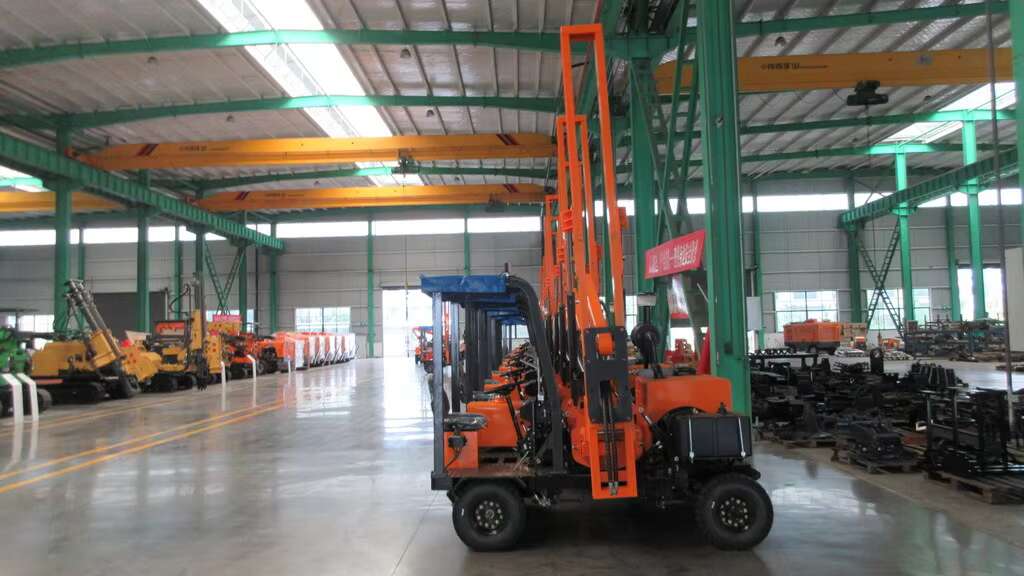
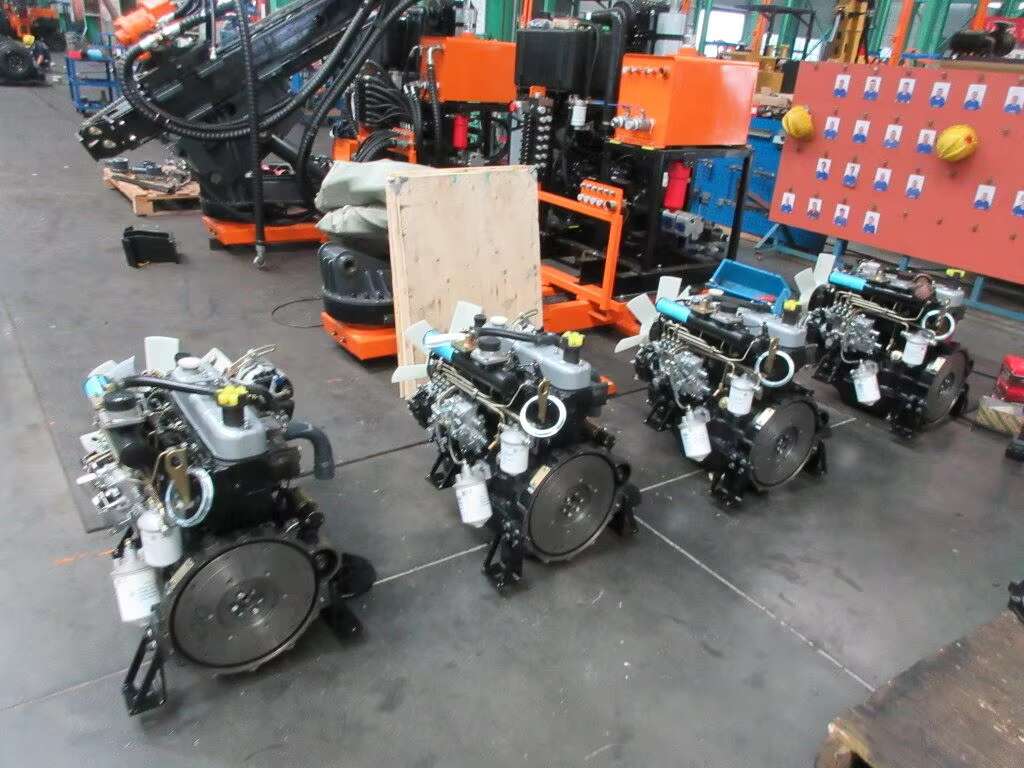
At Xi’an RuiChuang YuanHeng Technology Co.,Ltd., the drilling rig quality control process is built to verify precision, durability, and performance at each stage of production. The workflow starts with incoming inspection (IQC), where raw materials for Hardrock rigs are checked against specified standards before entering production.
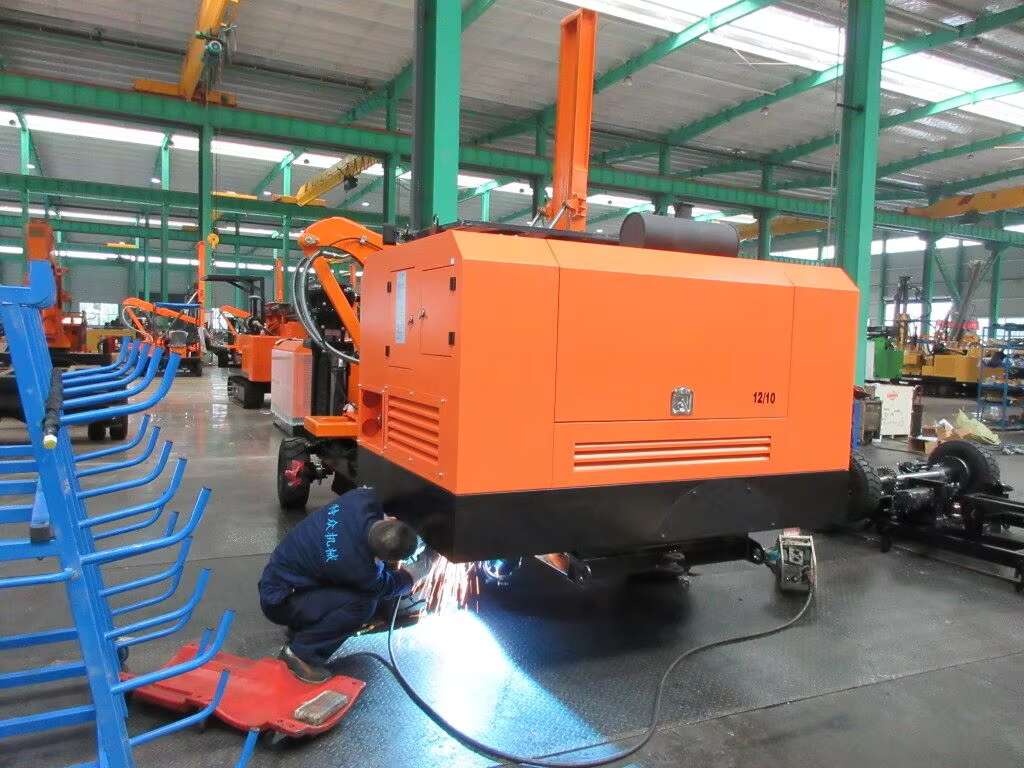
Material quality is further validated using advanced testing equipment, including spectrometers, to confirm chemical composition and material integrity. During assembly, in-process inspection (IPQC) supports build consistency and helps identify any issue before the rig moves to the next stage.
After assembly, each drilling rig proceeds to run-in testing and performance testing under simulated operating conditions. This includes load capacity checks, torque measurements, and hydraulic system evaluations to confirm that the equipment performs as required before release.
Final inspection (FQC) is then carried out to confirm the completed drilling machine meets design, safety, and performance criteria. Where any deviation is detected, non-conformance handling should stop release until corrective action and re-inspection are completed. Before shipment, each drilling machine is certified to comply with ISO 9001 standards and applicable industry-specific regulations.

Product Specifications

The table below presents the quality-control checkpoints and acceptance outputs used to qualify drilling rigs before shipment.
QC StageInspection FocusMethod / ToolOutput
Incoming Inspection (IQC)All raw materials for Hardrock rigs are inspected upon arrival to confirm conformity with specified standards.Visual receiving inspection, material review, spectrometer testing for chemical composition and material integrityAccepted material release for production
In-Process Inspection (IPQC)Assembly-stage verification for precision, fit, and build consistencyProcess checks during assembly, component matching, and workmanship reviewControlled progression to performance testing
Run-In / Performance TestingFunctional validation under simulated operating conditions after assemblyLoad capacity checks, torque measurements, and hydraulic system evaluationsPerformance verification record
Final Inspection (FQC)Final review against design, safety, and performance criteriaVisual inspection, functional review, documentation confirmation, release approvalFinal inspection sign-off and shipment release
Certification & CompliancePre-dispatch compliance confirmationISO 9001 review and industry-specific regulatory checkCertified drilling machine before delivery
Non-Conformance HandlingControl of any material, assembly, or test deviation that fails acceptance criteriaHold, review, corrective action, and re-inspection before releaseClosed corrective-action record prior to shipment

Key Features & Advantages

The table below presents the quality-control checkpoints and acceptance outputs used to qualify drilling rigs before shipment.
1

Verified Material Quality

Raw materials are inspected on arrival, with spectrometer-based verification used to confirm chemical composition and material integrity.
2

Performance-Tested Before Delivery

Each drilling rig is tested after assembly under simulated operating conditions to validate load capacity, torque output, and hydraulic performance.
3

Structured IQC–IPQC–FQC Workflow

Incoming inspection (IQC), in-process inspection (IPQC), and final inspection (FQC) create a clear, documented control path from receiving through shipment release.
4

Buyer-Ready Compliance Confidence

Final inspection and certification confirm that each drilling machine meets design, safety, performance, and ISO 9001 compliance requirements before leaving the facility.
A drilling rig quality control process typically includes incoming inspection (IQC) for raw materials, in-process inspection (IPQC) during assembly, run-in and performance testing after assembly, final inspection (FQC), and shipment release only after the equipment meets design, safety, and performance requirements.
ISO 9001 is a core benchmark because it shows the manufacturer follows a structured quality management system. Buyers should also confirm the supplier can document compliance with the applicable industry-specific regulations and provide final inspection and certification records before shipment.
IQC checks incoming raw materials before production begins, IPQC verifies build quality during assembly, and FQC confirms the finished drilling rig meets design, safety, and performance criteria before release. Together, these stages reduce defects, rework, and delivery risk.
Run-in testing helps verify that the drilling rig functions correctly under simulated operating conditions before it leaves the factory. In practice, this means checking load capacity, torque performance, and hydraulic operation so buyers receive equipment that has already passed a controlled performance review.
Buyers should confirm that the supplier can trace critical materials and components from receipt through production, inspection, and final release. In practice, this means reviewing material certificates, lot or heat number records, inspection checkpoints, and documented quality procedures that connect each major component to the finished equipment.
Third-party inspection is not mandatory for every project, but it is often advisable for high-value, custom, or risk-sensitive orders. Independent inspection can provide added confidence that manufacturing, testing, and documentation meet contract requirements before shipment.
Buyers should normally request final inspection reports, test records, material certificates where applicable, equipment traceability records, nonconformance closure records if any issues occurred, and the shipment release package. If the supplier claims ISO or API-related compliance, the supporting certification and inspection documentation should also be available for review.
The main risks include inconsistent product quality, poor documentation, weak traceability, more rework, higher acceptance failure rates, and increased delivery or field-performance risk. A formal quality management system helps manufacturers standardize controls, manage nonconformities, and improve consistency over time.
Get help

Frequently Asked Questions About Drilling Rig Quality

Learn how drilling rigs are inspected, tested, and certified before delivery, and what buyers should review when evaluating a manufacturer.
Pop-up

Need an audit-ready supplier for your next rig package or component order?

Send Xi’an RuiChuang YuanHeng Technology Co.,Ltd. your application requirements, target operating conditions, and procurement timeline. We will prepare a tailored quotation with inspection scope, testing details, and compliance support for wholesale, OEM, and project-based inquiries.