The Risks of Parallel Compressors on DTH Water Well Sites

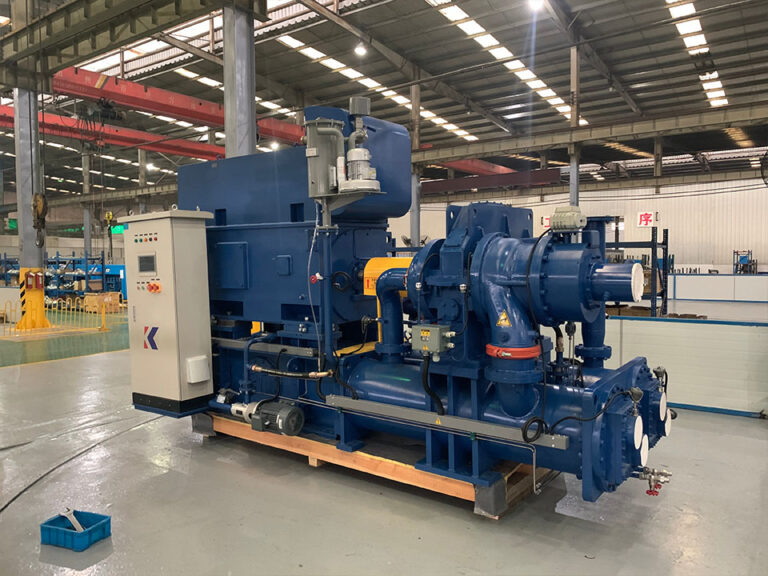
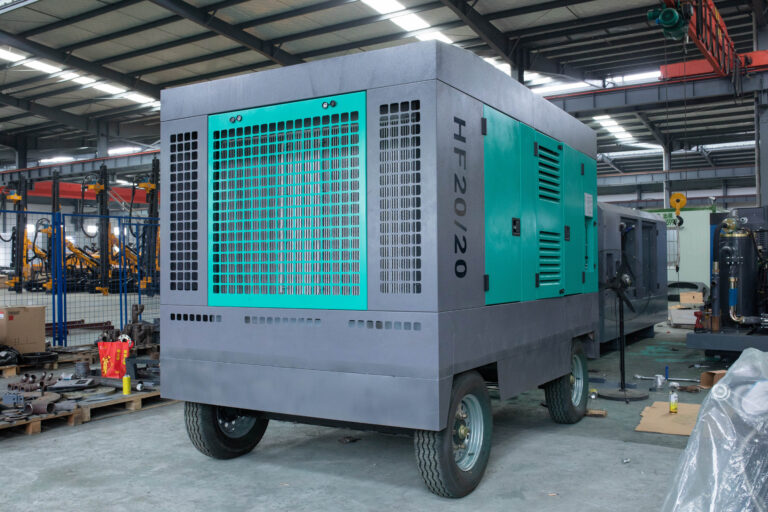
Two compressors tied together are not automatically one bigger DTH drilling compressor. This article breaks down why parallel compressors create risk on water well sites, where the failure points hide, and when a properly sized single compressor is the safer commercial decision.
Case Study: Upgrading to 380 CFM and the Output Improvement

A 380 CFM compressor does not magically make every water well project profitable. But when the old air system is starving the hammer, the upgrade can change drilling speed, hole cleaning, and daily output economics fast.
Case Study: When a 185-CFM Compressor Became the Bottleneck

A 185 CFM air compressor can look useful on paper, but in larger DTH drilling programs it often becomes the weakest link. This case study breaks down airflow, pressure, hole cleaning, lost time, and why stretching a small compressor can cost more than buying the right machine.
When Higher CFM Hurts Efficiency in Water Well Drilling Jobs

Many buyers still assume the safest answer is to oversize the air package. I don’t. In real water well drilling jobs, excess CFM can punish fuel economy, weaken compressor matching, and distort the economics of a borehole long before it improves penetration.
Двухкомпрессорные рабочие процессы, сокращающие время работы на одну водяную скважину

Большинство покупателей все еще покупают воздушный компрессор для водяной скважины, как будто вся работа идет под одним давлением и одним потоком. Это не так. Быстроходные бригады используют воздух как взрослые: базовая нагрузка на одну машину, пиковая потребность - на другую, и никакого дизельного топлива для тщеславного давления.
Почему чрезмерно большие компрессоры тратят топливо впустую в проектах бурения скважин

Я постоянно вижу эту ошибку: покупатели предлагают больший пакет воздуха, чем требуется для молота, диаметра скважины и геологии, а затем удивляются, когда расход топлива растет, а маржа исчезает. При работе в скважине правильный компрессор выигрывает за счет соответствия спросу, а не за счет демонстрации мощности.