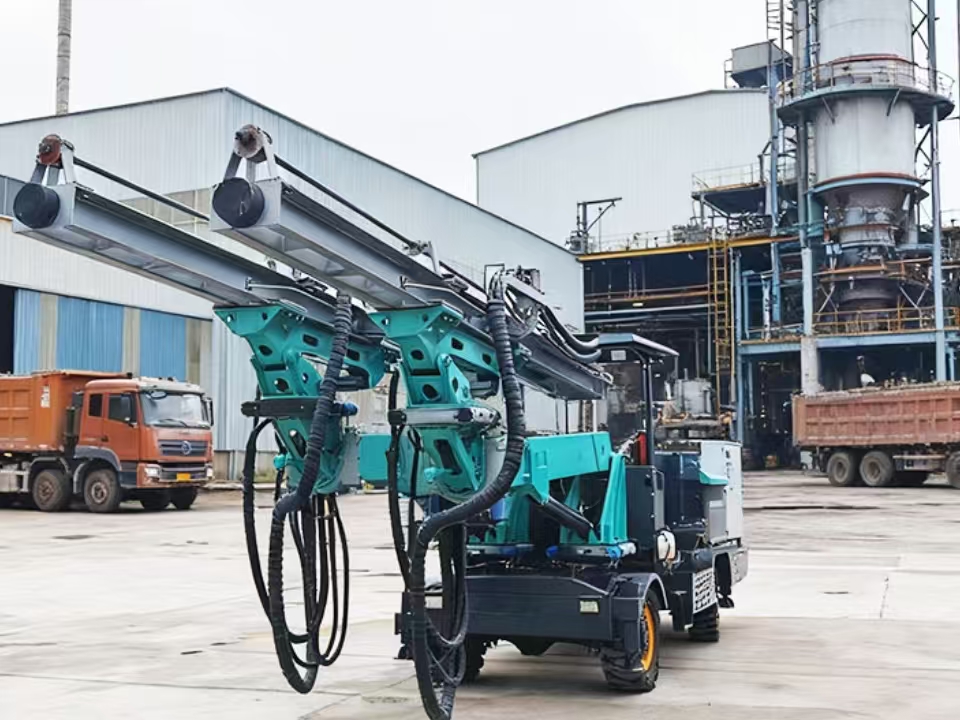
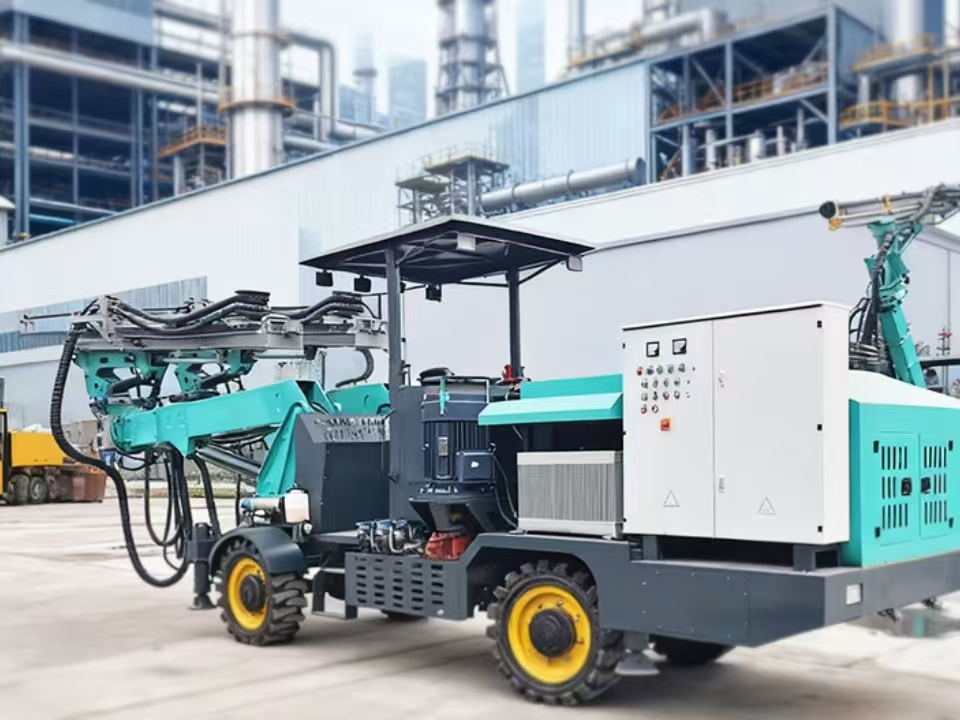
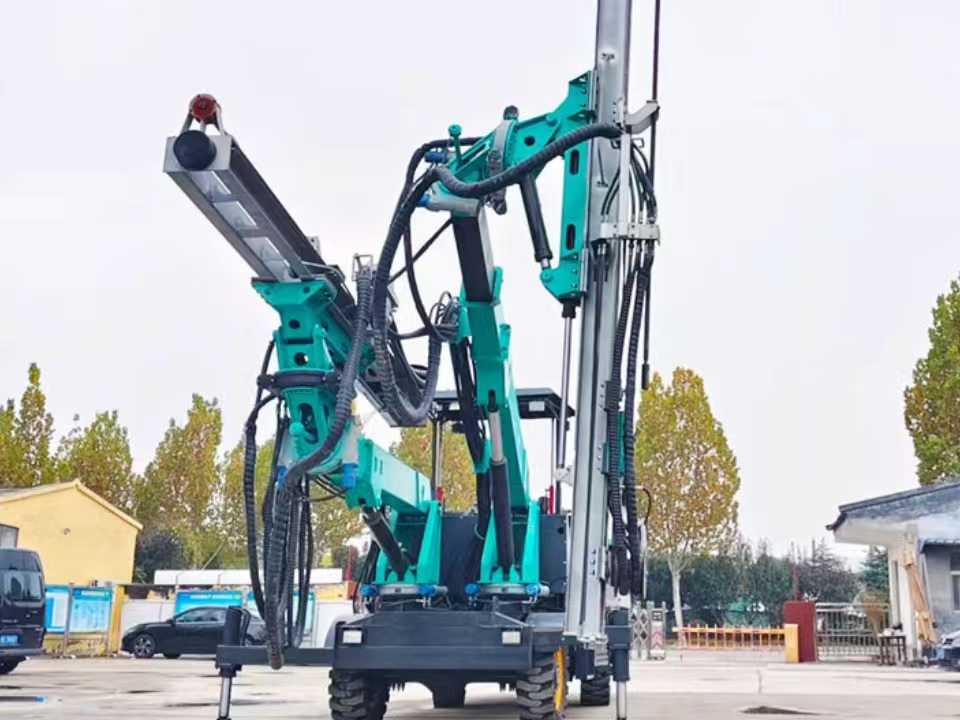
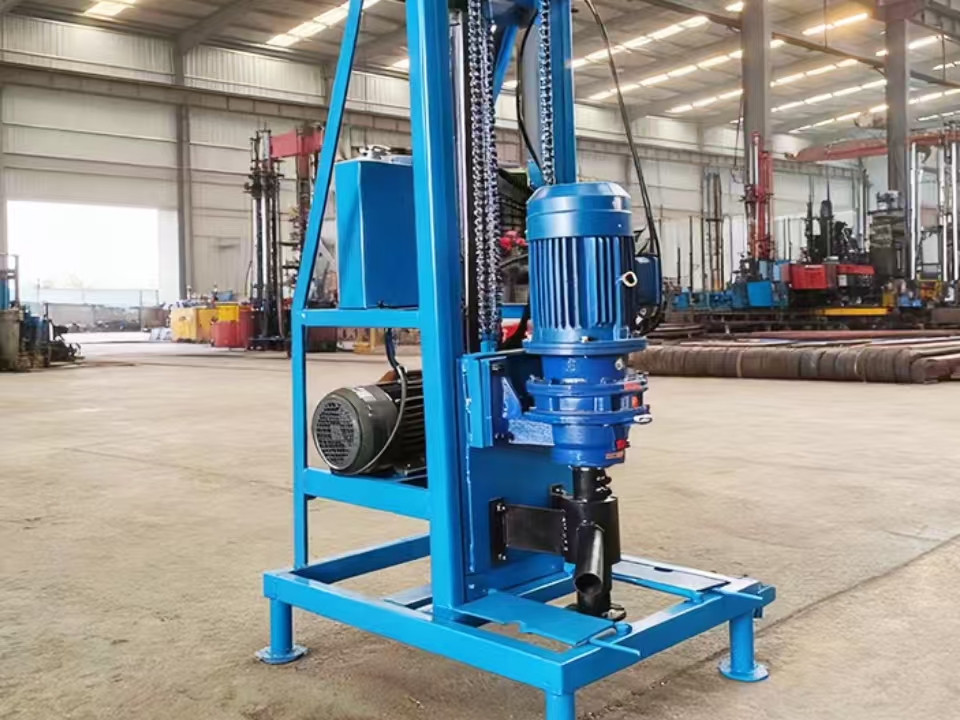
“The Drilling Rig gave us a true one-stop solution. Their team matched the right rig, compressor, and drilling tools for our project, and the engineering support stayed fast and professional from quote to delivery.”
What Overseas Buyers Should Verify Before Paying a Supplier
The Lie Buyers Tell Themselves
Three words first. You trust too fast.
I’ve watched experienced procurement managers—people handling $500,000 drilling rigs and multi-container shipments—skip verification steps because the supplier “felt real,” because the PDF looked polished, because the salesperson replied fast, and because deadlines quietly pressured them into wiring money before facts lined up.
And then what happens?
Table of Contents
The Numbers Nobody Wants to Admit
Let’s be blunt.
According to the 2024 data from the Internet Crime Complaint Center, business email compromise scams alone caused billions in losses annually, with roughly $2.8 billion lost in a single year and nearly $8.5 billion over three years.
And globally?
The same IC3 dataset shows over $55 billion in cumulative BEC losses between 2013–2023.
Now ask yourself something uncomfortable.
Are you really verifying your supplier—or just hoping they’re real?
Entity First. Always.
Start here.
I don’t look at product specs first. I don’t care about price first. I don’t even read the quotation properly until I answer one question:
Who exactly is taking my money?
Because in international supplier verification, the biggest scam isn’t fake companies—it’s fragmented identities.
The 5-Entity Trap
I’ve seen this pattern too many times:
Contract company → Hong Kong
Bank account → Singapore
Factory → mainland China
Invoice issuer → different legal entity
Sales contact → personal Gmail
Individually? Normal. Together? Dangerous.
According to the U.S. government’s due diligence guidance on Trade.gov, buyers must assess company identity, operational presence, and transaction risk as separate layers—not a single check.
But most buyers collapse them into one.
That’s where deals go wrong.
Documents Don’t Lie — Unless You Let Them
Here’s the uncomfortable truth.
Most suppliers will send you all documents.
The problem isn’t missing documents. It’s unverified consistency.
Real Case: The $577 Million Mistake
Look at Trafigura.
In a widely reported case, they paid for nickel shipments that turned out to be worthless material—because documents like bills of lading, inspection reports, and product declarations didn’t align with reality.
Reuters covered how mismatched documentation and weak verification contributed to a $577 million loss.
This wasn’t amateur hour. This was institutional failure.
So let me ask you.
If a global trading firm can get fooled—what chance does a solo buyer have without a system?
What I Actually Check Before Payment
I don’t improvise. I use a checklist that stops payments—not speeds them up.
Verification Layer
What I Require
Red Flag I Reject
Legal Entity
Registered name, license, directors
Name mismatch across documents
Bank Account
Same legal name, stamped proof
“New account” before payment
Technical Scope
Specs match across PI, drawings, email
Different power/parameters listed
Document Chain
PI → Contract → Invoice → Packing list consistency
But I treat them as baseline references, not transaction triggers.
Because specs sell. Verification protects.
Bank Accounts: Where Deals Actually Break
This is where most losses happen.
Not in production. Not in shipping.
In payment.
Real Case: $1.1 Million Gone
Reuters reported a lawsuit where funds were wired to a fraudulent account after email compromise—even though the real account had already been provided.
One mistake. One transfer.
Gone.
And this matches the IC3 definition: BEC attacks don’t hack systems—they manipulate trust in payment instructions.
My Rule
No exceptions.
Any bank change → STOP
Reconfirm via phone or video → NOT email
Match beneficiary name to contract → EXACT
If not?
I don’t care how urgent it is. Payment doesn’t move.
The Moment You Should Audit the Factory
Most buyers delay audits.
I do the opposite.
I audit when:
Deposit > 30%
Custom equipment involved
Installation required
Different legal entities involved
Because once money moves, your leverage drops.
And I’ve seen buyers try to “fix problems later.”
It doesn’t work.
FAQs
FAQs
What is supplier verification before payment? Supplier verification before payment is the structured process of confirming a supplier’s legal identity, banking details, operational capability, and document consistency before releasing funds, ensuring that the entity receiving payment is legitimate, authorized, and capable of delivering the contracted goods or services without fraud risk.
How do you verify a supplier overseas? Verifying a supplier overseas means cross-checking legal registration, confirming bank account ownership, validating production capability through audits or live verification, and ensuring all commercial documents—contracts, invoices, and specifications—are consistent and traceable across independent sources before making any payment.
What documents should buyers check before paying a supplier? Buyers should verify a full document chain including proforma invoice (PI), signed contract, technical specifications, factory test reports, bank account proof, company registration, and shipping documents, ensuring all data points—names, addresses, parameters, and payment details—match exactly across every document.
Is factory audit necessary before payment? A factory audit before payment is a risk-control step where buyers physically or remotely verify the supplier’s production capability, ensuring the manufacturer exists, operates as claimed, and can meet technical and delivery requirements before funds are transferred.
Your Next Move
Stop guessing.
Turn this into policy.
Take your next order—any order—and force it through this rule:
No verified entity → no payment
No bank confirmation → no payment
No document alignment → no payment
And if you’re sourcing drilling equipment or heavy machinery?