“The Drilling Rig gave us a true one-stop solution. Their team matched the right rig, compressor, and drilling tools for our project, and the engineering support stayed fast and professional from quote to delivery.”
How to Ship Water Well Rigs to Africa, LATAM, and MENA
Freight isn’t the problem. The corridor is.
I’ve watched people lose money on “cheap” shipments because they were buying a rate, not a route, and those are not the same thing once a rig hits a congested terminal, sits under customs hold, misses a conformity document, or lands in a market where inland haulage is the real knife in the deal. That’s the part too many sales teams keep skipping. They quote ocean freight. They forget the mess after discharge. Then everyone acts surprised. Why?
Table of Contents
Three words. It snowballs.
The World Bank’s 2023 Logistics Performance Index doesn’t say “buy a cheaper freight quote and pray.” It breaks logistics performance into customs, infrastructure, shipment pricing, service quality, tracking, and timeliness—which is exactly why I frankly believe drilling rig shipping is mostly a reliability problem wearing a freight-cost disguise. And yes, the 2023 LPI covers 139 countries, so this isn’t some tiny sample dressed up as wisdom.
What actually decides whether a rig moves cleanly
Dimensions beat marketing copy
Brochures lie politely.
Freight specs don’t. A “200 m rig” and a “300 m rig” may sound like a clean product ladder to a buyer, but to the people who have to lash it, crane it, declare it, and drag it inland over roads that don’t forgive bad planning, what matters is folded mast height, shipping length, axle behavior, loose accessories, center of gravity, compressor pairing, and whether the mud system ships as neat cargo or a yard full of awkward bits.
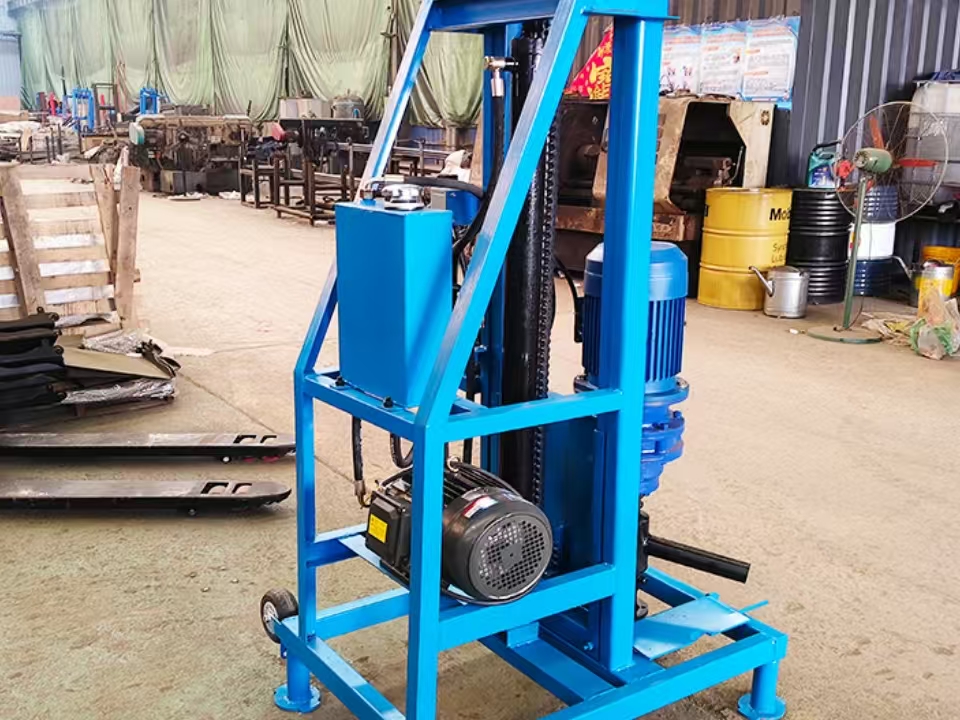
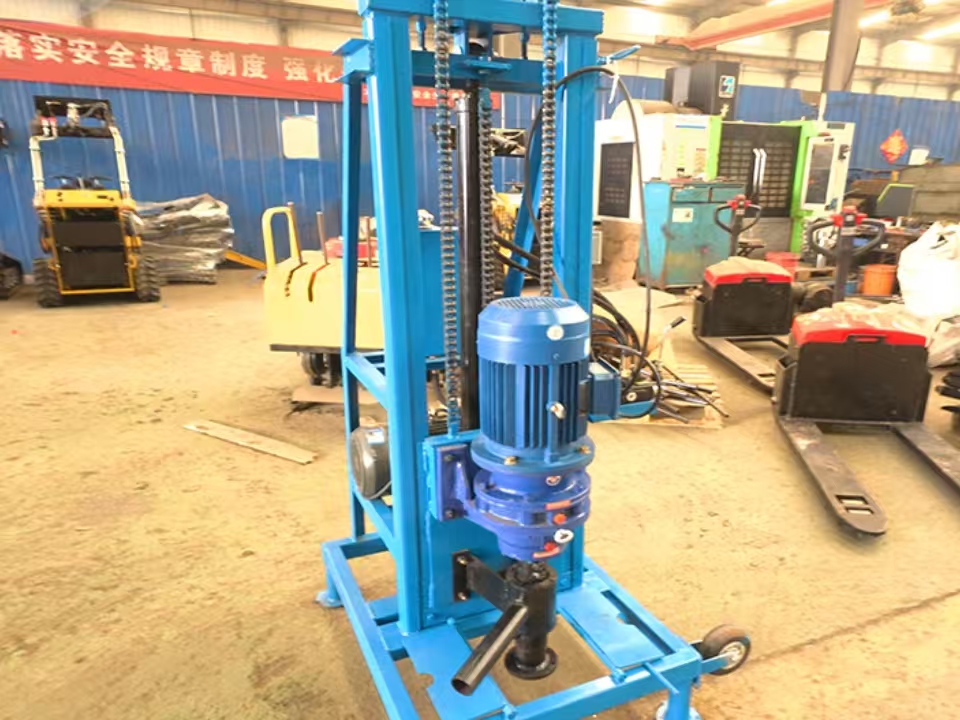
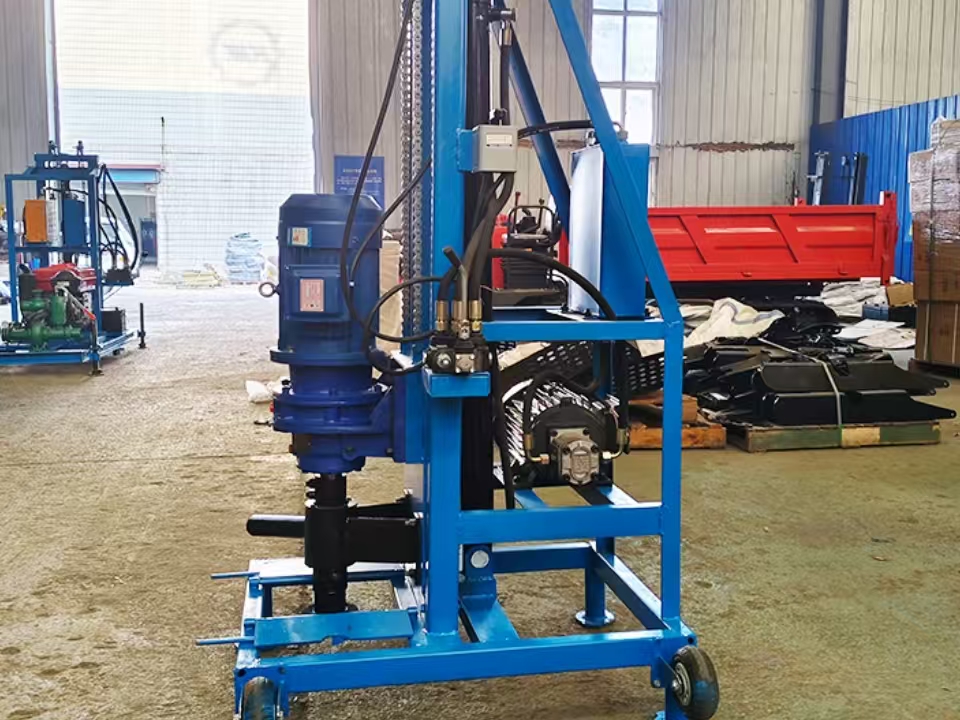
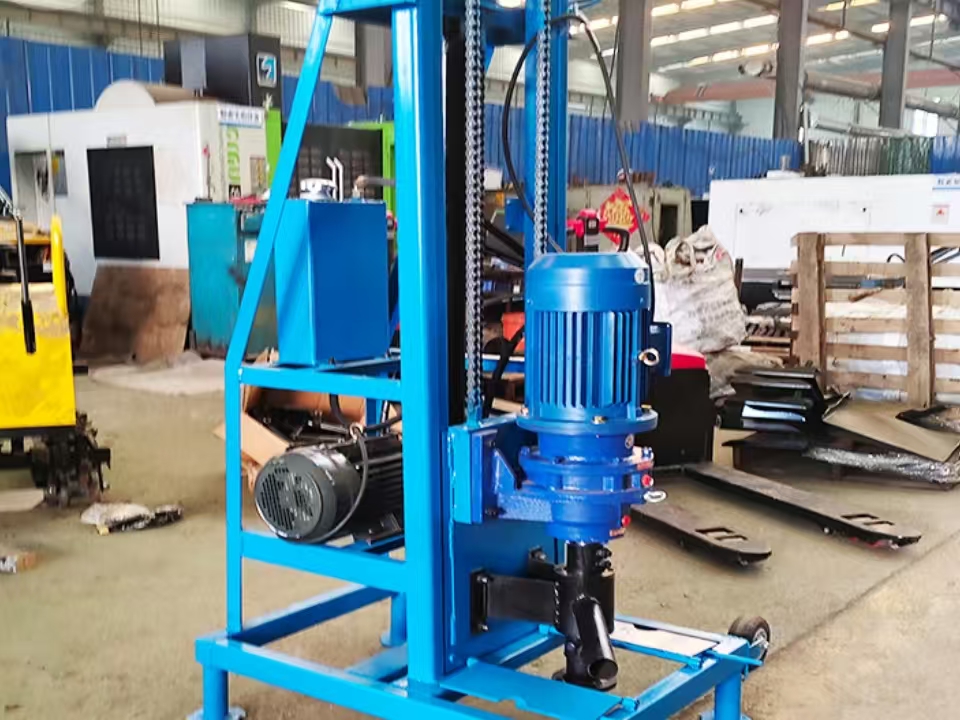
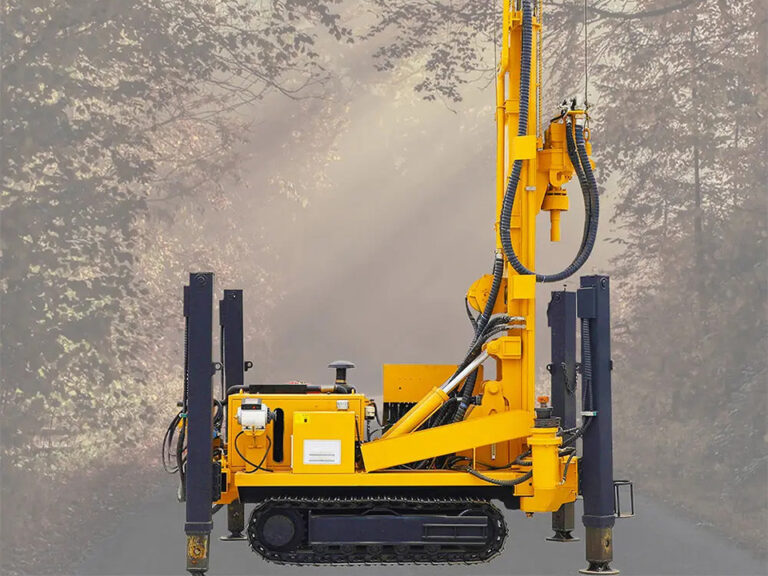
From my experience, exporters get burned right here: they classify rigs by drilling depth, while forwarders and terminals classify them by pain level. A compact crawler-type 100m depth hydraulic water well drill can often be structured into a much cleaner freight plan than a larger diesel engine 300m water well drilling rig, even before duties, escort rules, road permits, and discharge gear show up to ruin the mood.
And that’s the ugly truth.
Africa, LATAM, and MENA aren’t “regions” in any useful freight sense
People flatten them anyway.
I don’t. Africa often punishes weak inland execution. LATAM punishes sloppy landed-cost math and document handling. MENA—especially parts of the Gulf—punishes exporters who assume port efficiency somehow cancels out product conformity and pre-arrival compliance. It doesn’t. It never did.
UNCTAD has been pretty plain about the structural side of this stuff: trade facilitation and customs digitalization matter because they improve compliance, logistics coordination, and cross-border processing quality, not because they look good in donor presentations. The ASYCUDA Report 2024 – Innovation for a Changing World basically says the quiet part out loud—electronic single windows and digital customs systems make countries more attractive to business by reducing frictions in trade administration. That is not abstract. That is cash flow.
Africa: where the ocean leg can be the easy part
But here’s the trap.
A rig arrives in port. Great. Everybody celebrates the ETA. Then the consignee finds out the terminal handling is uglier than expected, the customs file is half-right, the trucker wants a revised rate, and the site delivery is hanging on a corridor nobody stress-tested. This is why I roll my eyes when people say they’ve “shipped to Africa” because the BL was issued. No—you’ve booked freight. Maybe.
That distinction got even nastier once maritime disruption started smashing old assumptions. In January 2024, Reuters reported that the Shanghai Containerized Freight Index had gained 114% since mid-December, while carriers rerouted away from the Suez Canal around the Cape of Good Hope. If you were moving cargo into North Africa, the Gulf, or East Africa through Suez-exposed lanes, those weren’t “market fluctuations.” They were margin leaks with shipping lines attached.
It got worse.
By late May 2024, Reuters reported that the China-to-North-Europe spot rate had climbed to $4,615 per 40-foot container—almost 3.5 times higher than at the start of May—and that Red Sea diversions had been pushing the market around since December. So when sellers still quote fixed delivered numbers into Africa with no disruption language, I frankly think they’re not being aggressive. They’re being reckless.
And inland? That’s where buyers get clipped. Not always at customs. Sometimes after customs—when road permits, police stoppages, bridge tolerances, escort demands, and simple truck scarcity chew up whatever margin survived the port.
LATAM: tax math, canal chaos, and paperwork that has to be boringly precise
Here’s where people get cocky.
They see a decent ocean quote into LATAM and assume the hard part is over. It isn’t. The hard part is often the landed stack: import duty, local charges, brokerage, storage, inspection, inland repositioning, and the awful habit importers have of discovering these layers one week too late. Sellers who quote loosely into LATAM usually end up in an email war about “unexpected costs” that were fully expected by anyone who actually understands the lane.
Then there’s routing risk. The Reuters report on Panama Canal drought delays was a big flashing warning light: some ships were facing waits of up to three weeks because transit slots were constrained. And that wasn’t a container-industry gossip piece. That was a direct reminder that “normal routing” through a strategic chokepoint is not a right. It’s a temporary condition.
Usually. Until it isn’t.
So yes, if you’re selling into western South America, Central America, or Caribbean-connected corridors, your freight model needs alternative logic built in—before you send the PI. That’s especially true if you’re offering bundled systems or a hydraulic water well borehole drilling machine with extra components that won’t tolerate repeated relifts and schedule drift very gracefully.
MENA: better ports don’t save sloppy exporters
I’ve heard this too often.
“Gulf ports are efficient, so MENA is easier.” Not exactly. Better infrastructure helps, sure, but it doesn’t rescue an exporter who treated conformity, pre-clearance, serial-number consistency, or product-file alignment like a last-minute admin chore. That kind of thinking is how a shipment becomes technically arrived and commercially stuck.
And the 2024 Red Sea disruptions mattered here in a very direct way because Suez-dependent flows into MENA and adjacent lanes were suddenly priced and timed under stress. Again, this is why I dislike vague freight quotes. They make everybody feel comfortable right up until the route turns political.
No fun.
The freight decision that changes your profit most
Container, flat rack, Ro-Ro, or breakbulk?
This part gets overcomplicated by people who secretly want one answer to fit every rig. It won’t. The correct mode depends on transport envelope, lifting complexity, port competence, and what happens after discharge. Not on what looked cheapest in the first booking email.
False optimism on units that barely fit or require ugly dismantling
Flat rack
Mid-size rigs with awkward width/height but manageable lift plan
Flexible for oversize profiles, easier to lash than some improvised options
Surprise terminal handling fees and weather exposure
Ro-Ro
Self-propelled or towable configurations with port compatibility
Fast terminal flow where service exists
Limited lane suitability, stricter unit condition expectations
Breakbulk
Large truck-mounted or project-style units
Best for serious oversize cargo and bundled project equipment
More touchpoints, more handling risk, more dependence on terminal discipline
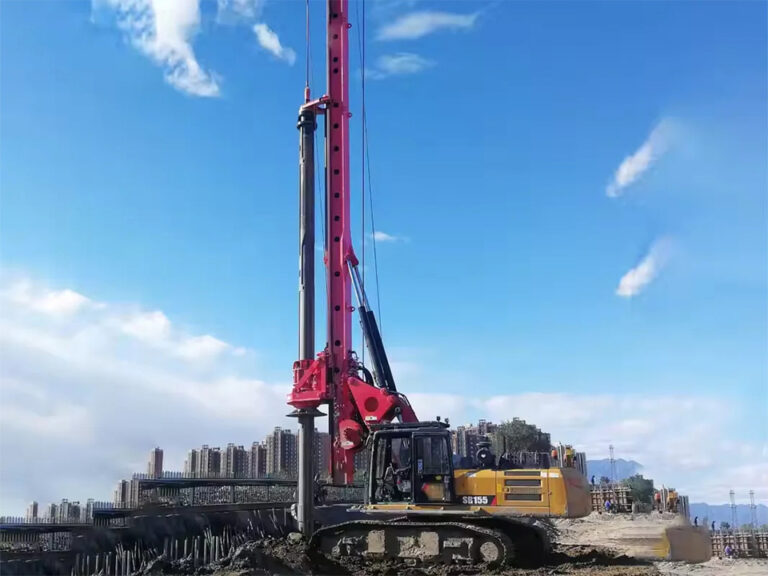
My bias? I’d rather pay a bit more for a cleaner cargo profile than save money on a booking that forces yard improvisation later. Always. A deep high quality truck mounted water well drilling rig is not just “bigger equipment.” It’s a discharge, axle, and inland-planning problem in disguise.
A cheap FOB price can be the most expensive number in the deal
People hate hearing that.
But a weak FOB deal regularly turns into a grotesque landed-cost surprise because nobody modeled the corridor honestly. So here’s the blunt regional view I use before I trust any quote:
Cost driver
Africa
LATAM
MENA
Port congestion risk
Medium to high in selected gateways
Medium, route-dependent
Medium, but route disruption can spike suddenly
Conformity/certification risk
High in specific regulated markets
Medium
High in Gulf markets with pre-clearance workflows
Inland haulage unpredictability
Very high
Medium to high
Medium
Tax complexity
Medium
High
Medium
Best Incoterm discipline for new buyers
CIF or CFR with strict exclusions
CIF/CFR only if tax model is transparent
CIF/CFR only if conformity file is pre-aligned
That table isn’t academic. It’s survival logic. In Africa, I worry first about corridor execution. In LATAM, I worry first about tax and local-charge realism. In MENA, I worry first about whether the compliance file is aligned before the cargo starts sailing.
The case studies smart exporters should actually pay attention to
Case study one: Red Sea disruption proved that transit time is political
Ships don’t move in a vacuum.
In January 2024, Reuters reported that the benchmark SCFI was up more than 16% week on week and had gained 114% since mid-December, while major carriers shifted away from Suez-linked routing. That matters because too many exporters still build their price logic as if sailing patterns are stable machinery rather than fragile geopolitical behavior. They’re not.
Case study two: Panama Canal restrictions exposed lazy LATAM routing
Weather can invoice you.
The Reuters piece on the Panama Canal disruption noted waits of up to three weeks for some ships. That should’ve ended the fantasy that canal-dependent routing is just a neutral background condition for exporters. It isn’t. It’s a planning assumption—and assumptions fail under pressure.
Case study three: customs digitalization is not “soft infrastructure”
I’ll say this plainly: people in machinery export love talking about steel, hydraulics, engines, and compressors because that feels tangible, but a weak customs interface can wreck a deal faster than a spec mismatch ever will. The World Bank’s 2023 LPI framework and UNCTAD’s ASYCUDA Report 2024 – Innovation for a Changing World both point toward the same uncomfortable reality—trade reliability is heavily shaped by customs efficiency, infrastructure quality, traceability, and digital process maturity. You can call that bureaucratic. Your customer will call it lead time.
The documents that deserve more respect than the machine itself
Yet this is where people cut corners.
If I’m honest, I trust a disciplined paperwork team more than a flashy sales deck. The shipping file should be built backward from destination customs and compliance needs, then cross-checked against the cargo as actually packed—not as the factory thinks it packed it. That means invoice description, package count, serial number logic, weight breakout, wood packing treatment, battery condition, residual fuel, and accessory valuation all need to line up before loading. Not after. Not “during transit.” Before.
Because customs doesn’t care about your intention.
It cares about your file.
And if you’re moving rigs with multiple accessories, loose pipe, pumps, compressors, and site gear, the risk climbs fast because every extra line item is another place for discrepancy, reclassification, or inspection friction to creep in.
FAQs
What is drilling rig shipping?
Drilling rig shipping is the full cross-border movement of a water well rig or drilling package by sea and inland transport, including packing, export filing, freight booking, customs processing, cargo handling, and final delivery to site. In real life, I’d define it even more bluntly: it’s the art of preventing a machine from becoming a storage bill. The World Bank’s LPI framework is useful here because it ties shipment outcome to customs, infrastructure, service quality, traceability, and timeliness—not just freight price.
How do you ship a water well rig internationally?
Shipping a water well rig internationally means matching the rig’s transport dimensions and cargo configuration to the correct shipping mode, preparing a consistent customs and certificate file, and planning the inland move before the vessel departs. In practice, I start with transport-condition measurements, choose between container, flat rack, Ro-Ro, or breakbulk, then work backward from the destination’s customs and corridor demands. If that sounds unglamorous, good—it should.
Why is heavy equipment shipping to Africa often harder than expected?
Heavy equipment shipping to Africa is often harder than expected because the real risk frequently begins after discharge, when customs, terminal release, corridor transport, permits, escorts, truck availability, and site access start colliding. From my experience, the mistake is always the same: exporters model the sea leg and hand-wave the inland leg. The 2024 Red Sea disruptions made that even worse because route instability inflated rates and stretched schedules before the cargo even touched the continent.
What documents matter most for drilling rig customs clearance?
Drilling rig customs clearance depends most on a consistent commercial invoice, a detailed packing list, transport documents, machine identification details, origin paperwork where required, and any destination-specific conformity or digital customs submissions. Here’s the ugly truth: most customs pain isn’t caused by a missing document alone; it’s caused by documents that disagree with each other. The World Bank and UNCTAD materials both reinforce the broader point that customs capability and process quality drive trade reliability in a very practical sense.
Is CIF safer than FOB for first-time rig buyers?
CIF is often safer than FOB for first-time rig buyers because it gives the seller more control over the ocean leg and reduces early coordination risk, but only if exclusions are written clearly enough to survive an argument. I prefer CIF or CFR for inexperienced buyers when the quote spells out what is not included—destination THC, duty, customs brokerage, inland haulage, escort cost, storage, demurrage, and compliance fees. Otherwise, it’s just a polite setup for conflict.
Your next move if you want fewer shipping disasters
So—my advice?
Stop asking for a freight quote as if that’s the whole problem. Ask for a shipment plan that includes cargo breakdown, route logic, document path, conformity exposure, port handling assumptions, inland delivery method, and a real landed-cost view. That’s the version that holds up when the market gets weird.
If you’re exporting smaller units, build the offer around a transport-friendly machine like the crawler-type hydraulic water well drill. If you’re pushing deeper-capacity packages, don’t recycle the same logistics story—use a separate freight model for something like the 300m diesel water well drilling rig. And if the package includes multiple subsystems, don’t send a glossy PDF and call it planning. Send a cargo map.
That’s my hard line: quote less emotionally, document more aggressively, and never trust a delivered-price promise until it has survived the port, the customs desk, and the road after the gate.