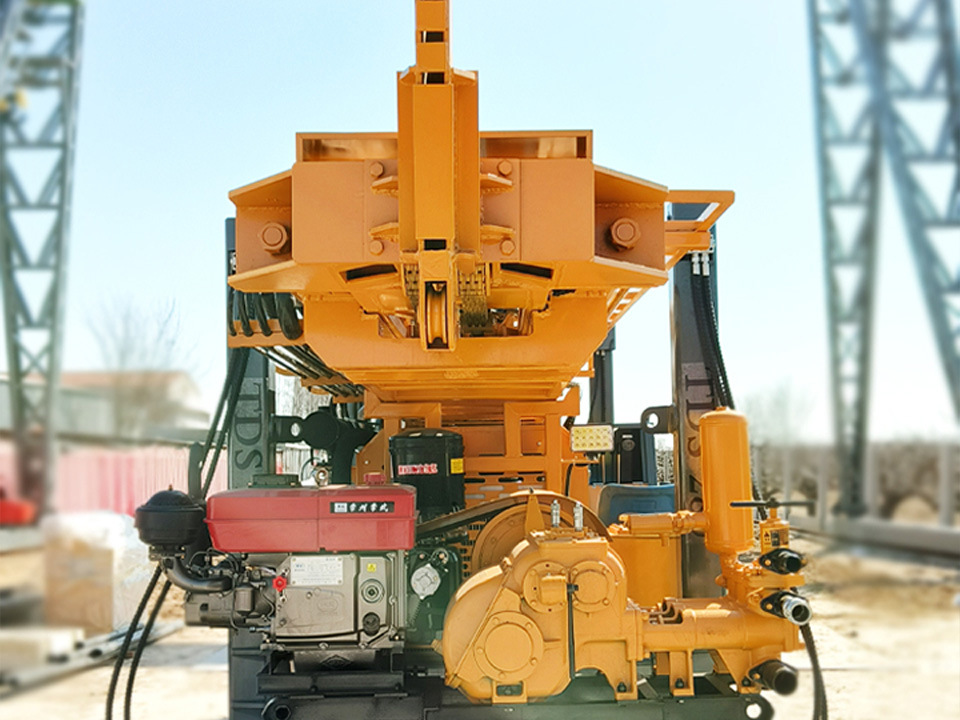
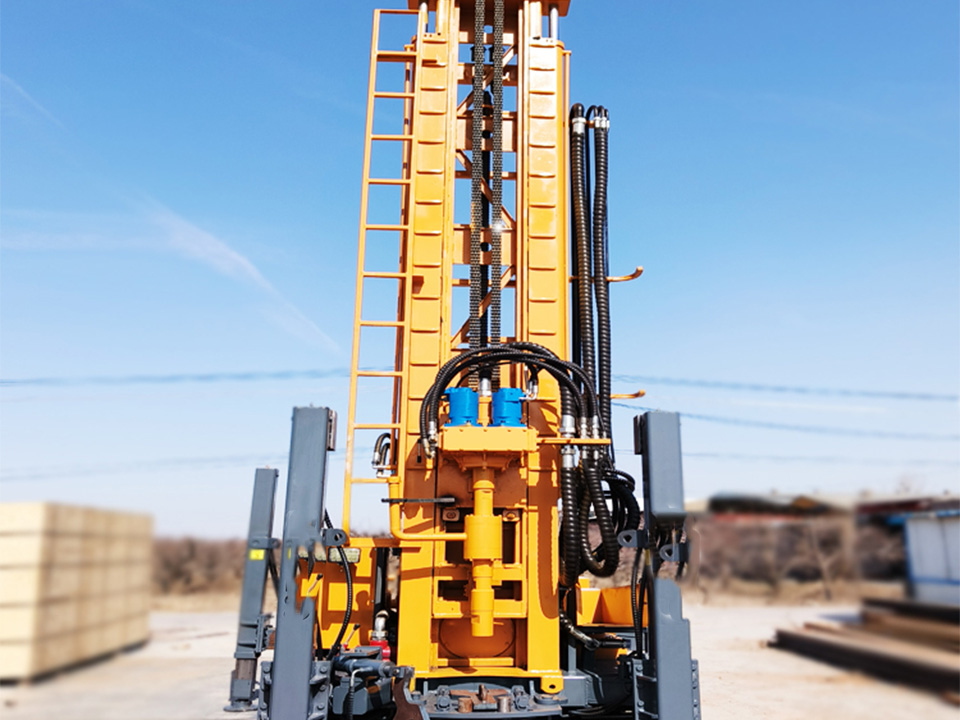
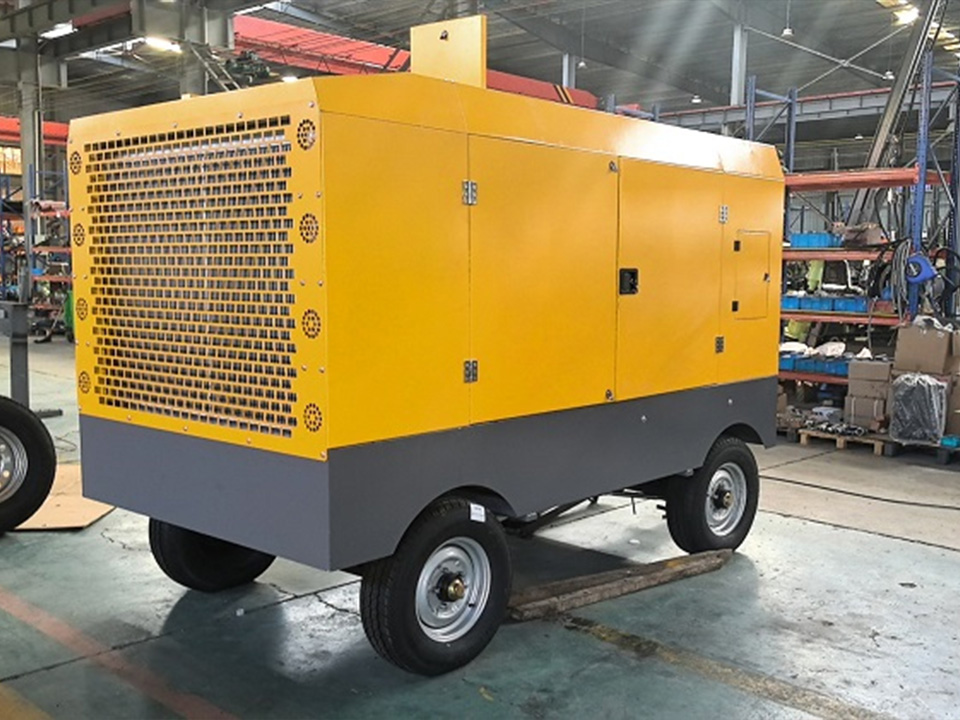
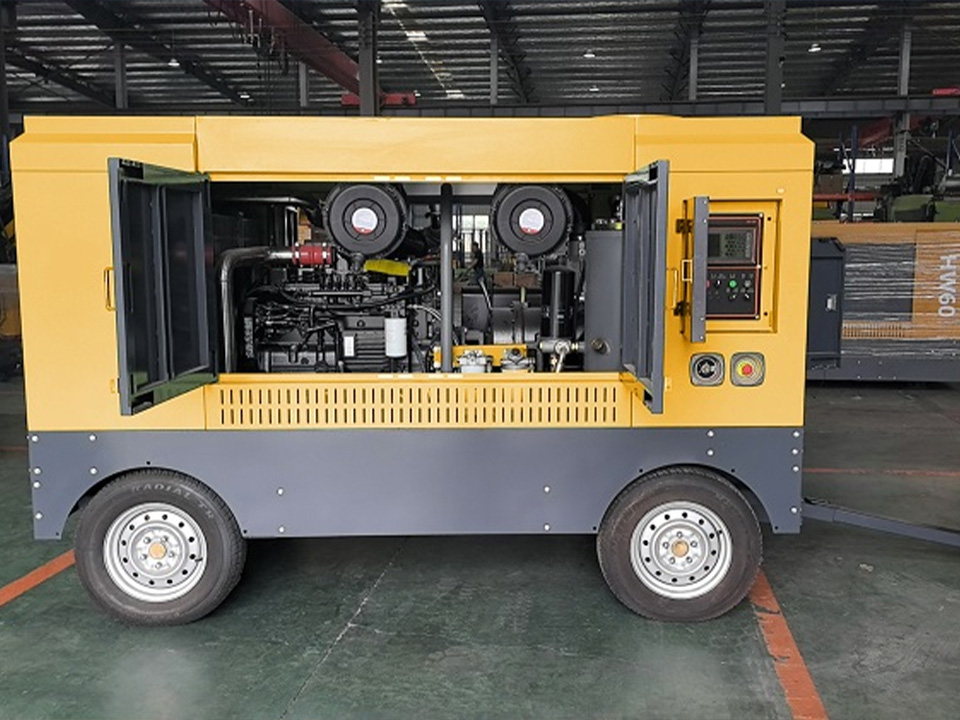
“The Drilling Rig gave us a true one-stop solution. Their team matched the right rig, compressor, and drilling tools for our project, and the engineering support stayed fast and professional from quote to delivery.”
CE Marking for Compressors and Rigs: What Buyers Must Check
Looks official. Isn’t it.
I remember standing in a dusty yard outside Zhengzhou—mid-summer heat, diesel smell everywhere—watching a supplier proudly point at a crawler rig with a perfectly engraved CE mark, and then, ten minutes later, failing to explain why the Declaration of Conformity listed standards that didn’t even apply to hydraulic drilling systems, which immediately told me the paperwork was recycled, the compliance story was stitched together, and the risk? Entirely on the buyer.
Table of Contents
Happens a lot.
So here’s the uncomfortable question: Are you buying machines… or legal exposure?
The CE Mark Lie Most Buyers Still Believe
Three letters. Big mistake.
I frankly believe this is where most importers lose money—not on price, not on freight, but on misunderstanding what CE actually represents, because they treat it like a certification badge when in reality it’s just a manufacturer’s self-declaration that a machine meets EU directives, which sounds strong until you realize nobody checked it independently before it left the factory.
Let that sink in.
According to EU framework rules, CE marking only indicates conformity with applicable directives—not performance, not durability, not build quality
And yet—people still trust it blindly.
What CE Covers (And Quietly Ignores)
Area
Covered by CE
NOT Covered
Safety design
✔
Electrical compliance (LVD/EMC)
✔
Environmental requirements
✔
Product durability
✘
Performance (CFM, PSI accuracy)
✘
Manufacturing quality control
✘
After-sales reliability
✘
Short version?
Legal—yes. Reliable—maybe.
Forget the Sticker. Read the Paper.
I don’t even look at the logo first anymore.
What matters is the Declaration of Conformity—because legally, that’s the document tying the machine to EU directives, and it must match the equipment exactly, include applied standards, and confirm compliance with the Machinery Directive and other applicable rules
Standards: EN ISO 12100, EN 60204-1 (not random codes)
Model consistency: plate vs paperwork must match
EU representative: real address, not placeholder
Signature: identifiable human, not “Sales Dept.”
Miss one?
I assume the rest is shaky.
Machinery Directive: Where Most Suppliers Start Improvising
Here’s the thing nobody says out loud.
Compliance isn’t just about attaching documents—it’s about building a technical file before the machine even exists on the market, including risk assessments, hazard analysis, and design validation tied to essential health and safety requirements
That’s heavy work.
And a lot of factories… skip it.
What Should Exist (But Often Doesn’t)
Risk assessment (real one—not copied template)
Electrical schematics
Hydraulic pressure validation
Noise & vibration test data
Component compliance (valves, pressure vessels)
Multi-language manual
Have you seen all of these from a supplier?
Be honest.
Reality Check: CE Is Getting Stricter (Not Easier)
Things are changing. Fast.
The upcoming EU Machinery Regulation 2023/1230 (fully enforced by 2027) pushes stricter safety, digital risk controls, and more detailed compliance expectations—meaning the “fake-it-till-you-export-it” approach is getting riskier every year
And yes—authorities are paying attention now.
What That Means for Buyers
More port inspections
More document audits
More rejected shipments
Cheap machines? Suddenly expensive.
Compressors: The Compliance Trap Nobody Talks About
I’ve seen CE-marked compressors with no valid PED compliance.
Which means:
Can ship? Maybe. Can legally operate under pressure? Questionable.
CE Marking vs Certification: Stop Mixing Them Up
Let’s be blunt.
Feature
CE Marking
ISO / Third-Party Certification
Legal requirement (EU)
✔
✘
Third-party audit
Sometimes
✔
Indicates safety compliance
✔
Partial
Indicates quality
✘
✔
Issued by
Manufacturer
Independent body
So when someone says: “CE certified machine”
I pause.
Because that phrase shouldn’t exist.
How I Verify CE (Without Lawyers or Headaches)
No theory here. Just process.
Ask for DoC + technical file summary
Cross-check directive references
Match serial numbers + models
Request actual test reports (not just certificates)
Verify EU representative
Push them.
Good suppliers respond fast. Bad ones stall.
Always.
FAQs
What is CE marking for equipment?
CE marking is a legal conformity mark indicating that machinery complies with EU safety, health, and environmental directives, based on a manufacturer’s documented self-declaration supported by a technical file and Declaration of Conformity before entering the EU market.
It’s about legality. Not excellence.
Does CE marking guarantee quality or safety?
CE marking guarantees minimum compliance with EU safety requirements but does not ensure product quality, durability, or operational reliability, since it relies heavily on manufacturer self-declaration rather than independent certification or long-term field performance validation.
Safe enough. Not necessarily good.
How to verify CE declaration of conformity for machinery?
To verify a CE Declaration of Conformity, ensure it references correct directives like 2006/42/EC, matches the machine model exactly, lists valid harmonized standards, identifies the manufacturer and EU representative, and includes a legally accountable signature confirming compliance.
If it feels generic—it probably is.
What documents are required for CE compliance on compressors and rigs?
CE compliance requires a technical file containing risk assessments, engineering designs, test reports, and a signed Declaration of Conformity, all of which must demonstrate adherence to essential health and safety requirements defined by EU directives.
No file? No compliance.
Your Next Move (Don’t Skip This)
Don’t trust logos.
Trust paper.
If you’re sourcing rigs or compressors for export markets—EU, Africa (EU-funded projects), Middle East EPC—your biggest risk isn’t price.
It’s compliance failure.
And here’s the ugly truth:
A $5,000 cheaper rig with fake CE can cost you $50,000 in delays, rejections, or downtime.