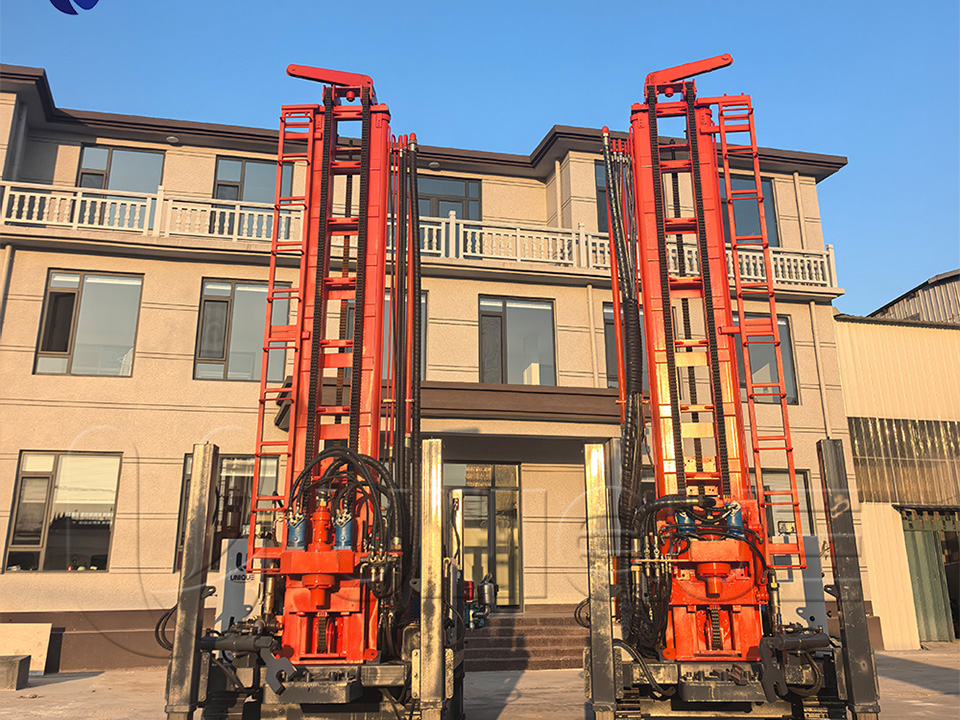
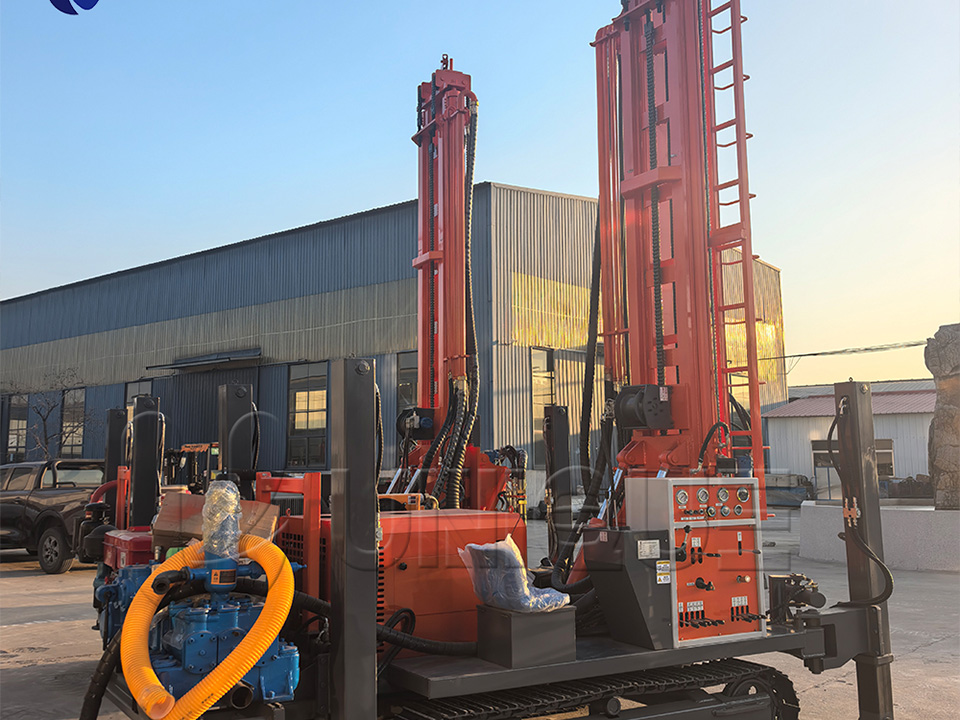
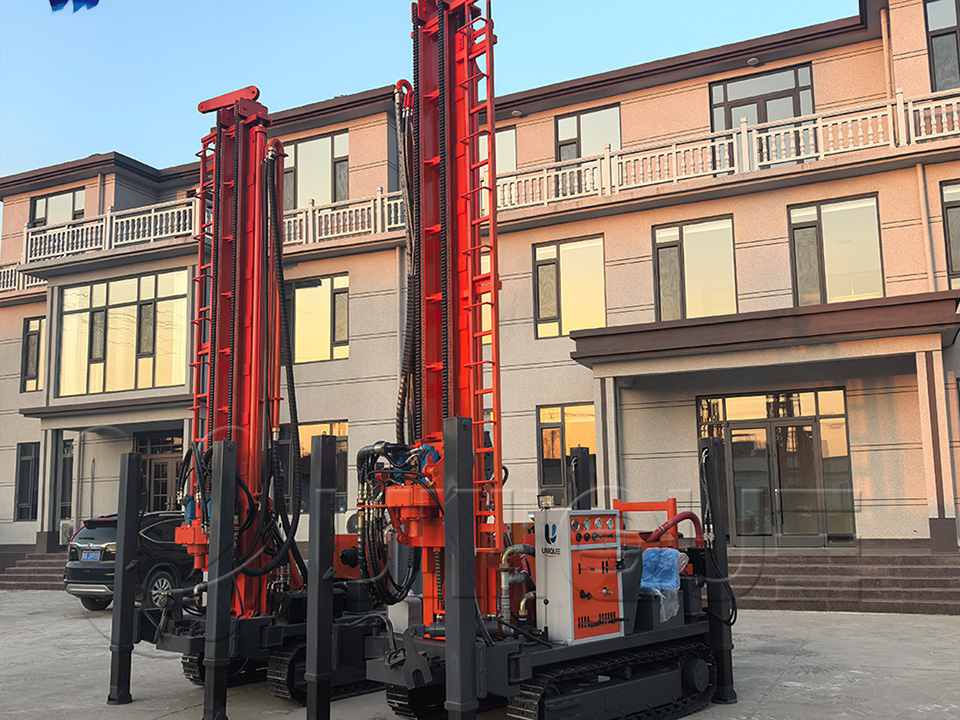
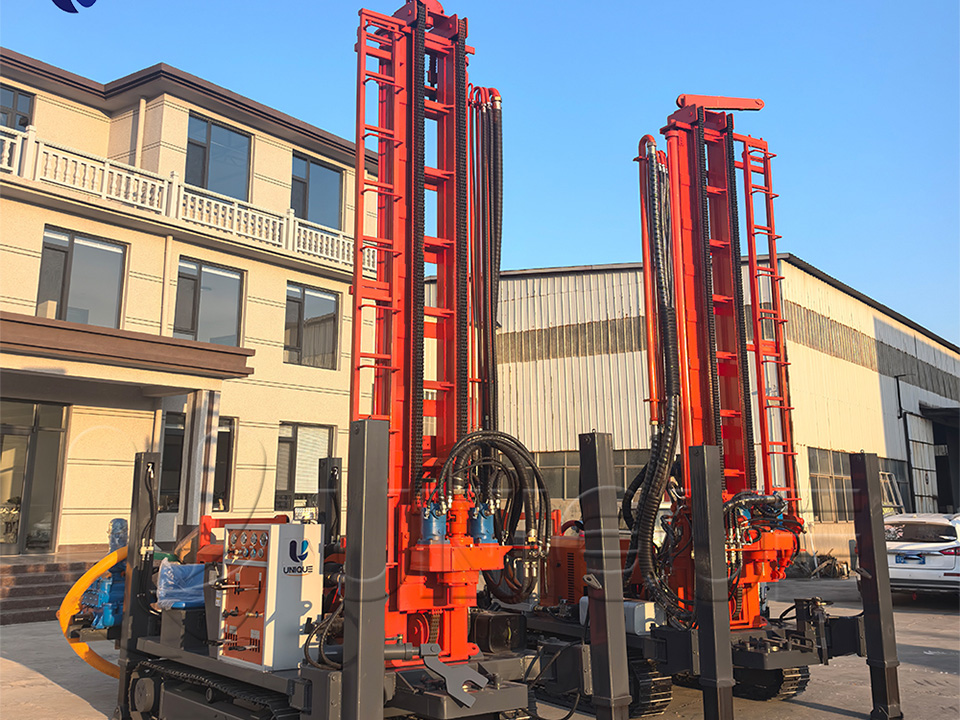
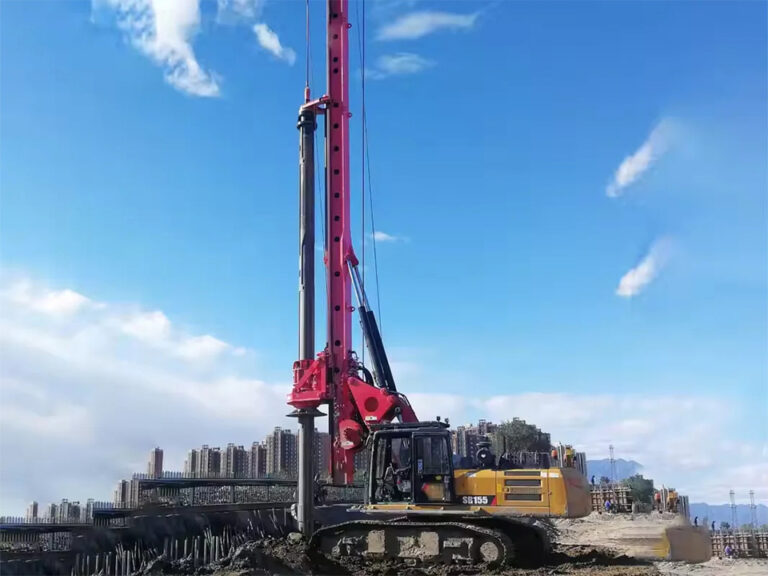
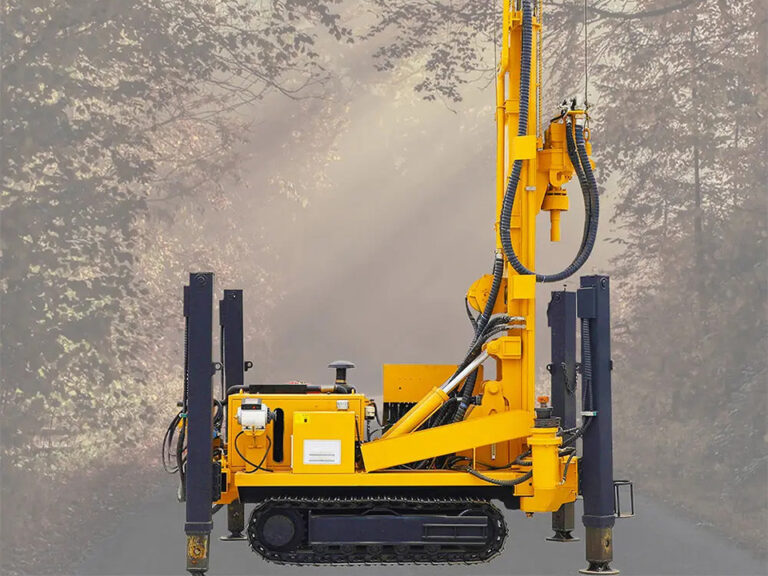
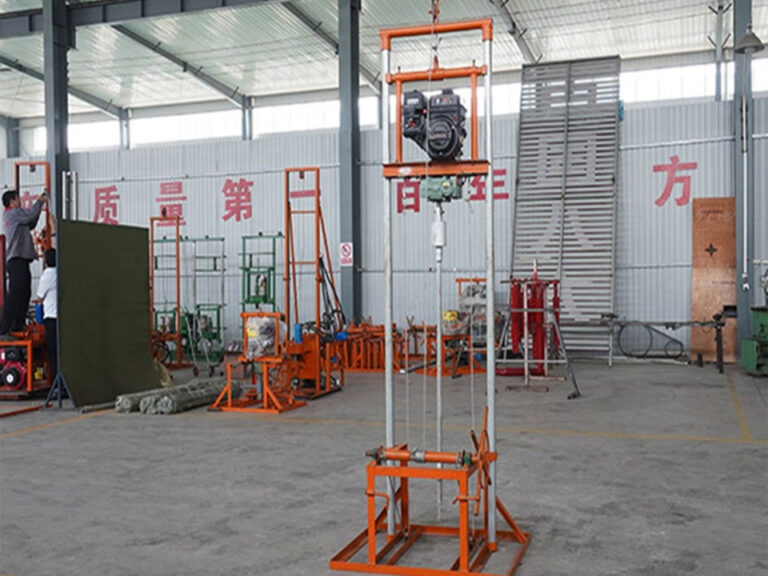
“The Drilling Rig gave us a true one-stop solution. Their team matched the right rig, compressor, and drilling tools for our project, and the engineering support stayed fast and professional from quote to delivery.”
How to Vet Chinese Rig Makers for Export Readiness
Three words only. Trust kills deals.
I’ve watched buyers wire $80,000 deposits to “factories” that turned out to be two sales guys, a rented office, and a borrowed workshop video—because the website looked clean, the ISO badge looked official, and nobody asked the one question that actually matters: who really builds the machine you’re about to ship across an ocean?
Table of Contents
The Manufacturing Mirage (and why most buyers miss it)
But here’s the thing—China isn’t one market, it’s layers stacked on top of each other, where state-owned giants like XCMG Group operate with global compliance systems and export pipelines, while thousands of small workshops quietly produce rigs without licenses, documentation discipline, or even stable suppliers, yet present themselves online with identical product pages, copied specs, and suspiciously polished “factory” videos that collapse under even basic questioning. And that’s the problem.
According to 2024 industry data, China exported nearly $25.84 billion in construction machinery in just half a year, with drilling rigs among the fastest-growing categories . Massive scale. Massive variation.
So ask yourself—are you buying from the system… or from the shadows inside it?
Who machines the gearbox housing? Who supplies the hydraulic valves? Where is final assembly actually done?
Silence is data. Bad data.
I frankly believe this is where 70% of deals fail—not because suppliers lie outright, but because buyers don’t push hard enough to expose the gap between brochure and shop floor (and yes, there’s always a gap).
Component Truth (where deals quietly break)
Here’s the ugly truth. Machines don’t fail. Parts do.
And in China, parts get swapped—subtly, quietly, profitably.
Steel spec sheets (Q345B? Or just “high quality steel”…)
Then verify. Independently. Always.
Because I’ve seen rigs shipped with downgraded hydraulic pumps that looked identical but failed after 120 hours. Same casing. Different internals. Buyer never noticed—until it was too late.
Export Readiness Isn’t a Checkbox—It’s a System
Paperwork matters. More than steel.
China exported $3.5 trillion in goods in 2024, with machinery dominating the mix . That scale hides a brutal truth: not every supplier inside that number is actually capable of exporting legally.
And here’s where people get blindsided.
A real exporter must have:
Foreign trade registration
Export license capability
Customs clearance experience
Documentation workflow
Miss one? Shipment stalls.
And with tightening controls—especially around industrial equipment tied to infrastructure and energy—compliance isn’t optional anymore. It’s enforced. Quietly, but aggressively.
Factory Audit (what actually matters vs what doesn’t)
Forget the showroom. Watch the chaos.
A clean office means nothing. A clean workshop means something.
Here’s what I look for—and yeah, this is from experience:
What signals a real manufacturer
CNC machines newer than 2018 (precision matters)
Organized assembly flow (not random welding stations)
Dedicated export packaging zone
What signals trouble
Workers asking “what video?” during walkthrough
Identical machines in different “factories” (yes, happens)
Ask for a LIVE factory video—not edited. No cuts. No music. Just raw footage.
If they hesitate? You already have your answer.
The Shipment Reality Nobody Warns You About
Let me tell you a story.
Buyer in West Africa—2023. Ordered six rigs. Everything looked fine until shipment hit port. Documents didn’t match exporter name. Containers sat. 47 days. Penalty clauses kicked in.
Game over.
This isn’t rare. It’s pattern behavior.
And it happens because buyers confuse:
Manufacturer
Exporter
Trading company
Sometimes they’re three different entities.
Real Audit Framework (not the Alibaba version)
Here’s what actually works.
Category
What to Verify
Why It Matters
Legal Status
Export license + trade registration
Without this, shipment may never leave China
Production
In-house vs outsourced
Determines accountability when things fail
Components
Engine, pump, hydraulics
Direct link to failure rate
Certifications
ISO + product compliance
Needed for customs clearance
Export History
Proven shipments (documents, not claims)
Experience reduces risk
After-sales
Spare parts + overseas support
Downtime cost > machine cost
Simple table. Hard reality.
Most suppliers fail at least one of these. Many fail three.
But here’s the question nobody asks: Is that spec tied to this exact machine—or a “reference configuration” that never ships?
Because I’ve seen rigs arrive with:
Different compressors
Lower-grade motors
Missing optional systems listed as “standard”
And technically? Supplier didn’t lie. They just… generalized.
The Hard Truth About “Best Chinese Drilling Rig Manufacturers”
There is no best. Only fit.
China has hundreds of active machinery exporters with real shipment records across 1000+ transactions globally . Some are excellent. Some are disasters waiting to happen.
The difference?
Systems. Not slogans.
FAQs
What does “export readiness” mean for Chinese drilling rig manufacturers?
Export readiness means a supplier has the verified legal authority, operational systems, and documented capability to complete international machinery shipments, including export licensing, customs documentation, compliance verification, and logistics coordination without relying on unstable third-party intermediaries.
How do I verify Chinese machinery factory certifications?
Verification requires cross-checking certificate numbers with issuing bodies, confirming scope alignment with actual products, validating expiration dates, and ensuring the issuing authority is legitimate—because many factories present valid certificates that don’t apply to the machines they’re selling.
What documents are required for exporting drilling rigs from China?
The essential documents include an export contract, export license application, proof of foreign trade registration, company business license, and supporting compliance documents depending on equipment classification, especially if the machinery falls under restricted or controlled export categories.
How can I inspect drilling rig manufacturers in China remotely?
Remote inspection means conducting live factory walkthroughs, verifying production processes in real time, validating component sourcing, and using third-party inspection services, but it must include independent verification steps because staged factory presentations are extremely common.
Your Next Move: Don’t Trust—Stress Test
Start here. Today.
If you’re sourcing from Chinese drilling rig manufacturers, do this immediately:
Ask for export documents before discussing price
Demand a live factory audit (no edits, no excuses)
Verify at least 3 real export shipments with proof
And if anything feels off—even slightly?
Walk.
Because in this business, you don’t lose money on the machine. You lose it on the assumption.