“The Drilling Rig gave us a true one-stop solution. Their team matched the right rig, compressor, and drilling tools for our project, and the engineering support stayed fast and professional from quote to delivery.”
Third-Party Inspection Checklists for Offshore Rig Procurement
The Dirty Little Secret: Photos Don’t Inspect Steel
Photos lie.
A supplier can send you 37 polished images of a drilling rig, a walk-around video, and a smiling sales rep pointing at the control panel, while the weld toe is undercut, the hydraulic hose routing is lazy, the mast pin tolerance is sloppy, and the export packing plan is one rainstorm away from turning your “factory-direct deal” into a claims file.
I’ve seen this pattern too many times.
The buyer asks for “inspection before shipment.” The factory says yes. Then the inspector arrives with no checklist, no drawing package, no acceptance criteria, and no authority to stop loading. What happens next? A decorative visit. A few photos. Maybe a stamp.
That is not third-party inspection. That is theater.
Table of Contents
For offshore rig procurement, the offshore rig inspection checklist must work like a payment gate. No passed inspection, no balance payment. No serial number match, no shipment. No load test record, no container seal approval. Simple.
And yes, the stakes are ugly. The U.S. Bureau of Safety and Environmental Enforcement recorded 223 offshore injuries, 388 lifting incidents, 160 fires, 121 gas releases, 10 collisions, and 13 spills of at least 1 barrel in 2024 on the U.S. Outer Continental Shelf. That is not “paperwork risk.” That is equipment, procedure, maintenance, and verification risk made visible in numbers.
Why Offshore Rig Procurement Needs a Third Party, Not Just Supplier Promises
Most importers don’t lose money because the supplier is openly fraudulent. That happens, sure. But the more common problem is duller and more expensive: mismatched expectations.
The buyer thinks “tested” means the full hydraulic system ran under working load. The factory thinks “tested” means the engine started. The buyer thinks “new hose” means branded hose with pressure rating marked on the body. The factory thinks “new hose” means it looks black and unused.
That gap is where money disappears.
A proper third-party inspection for offshore rig procurement gives you an independent witness at the source. SGS describes second- and third-party inspections as a way to control purchased materials, components, equipment, documentation review, welding inspection, dimensional inspection, witness tests, final quality inspection, packing, loading, and visual inspection. That list is boring. Good. Boring is exactly what prevents expensive surprises.
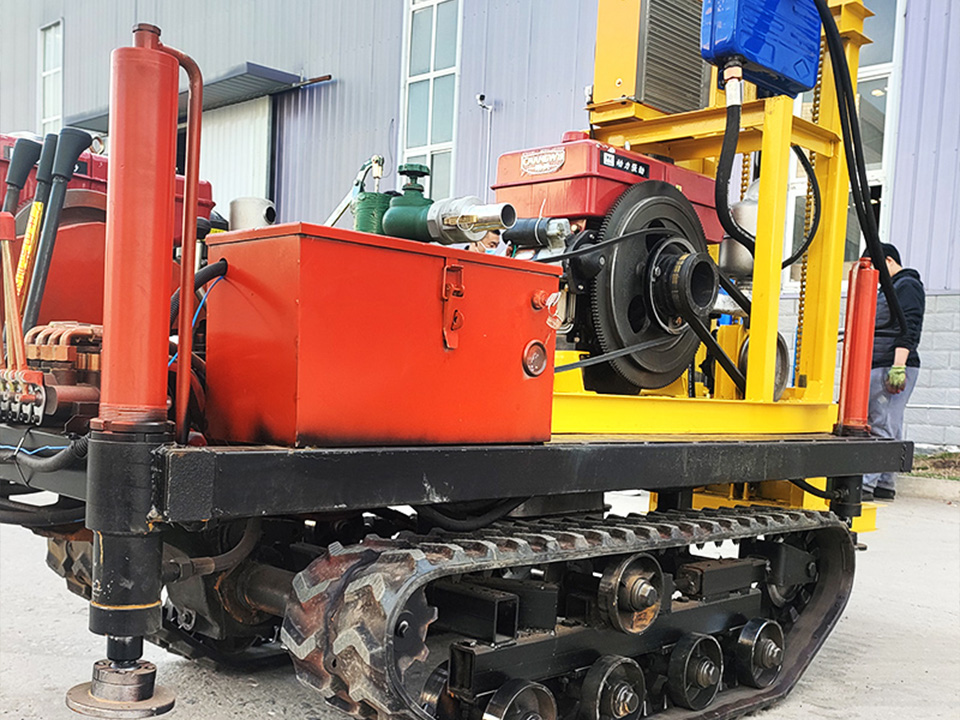
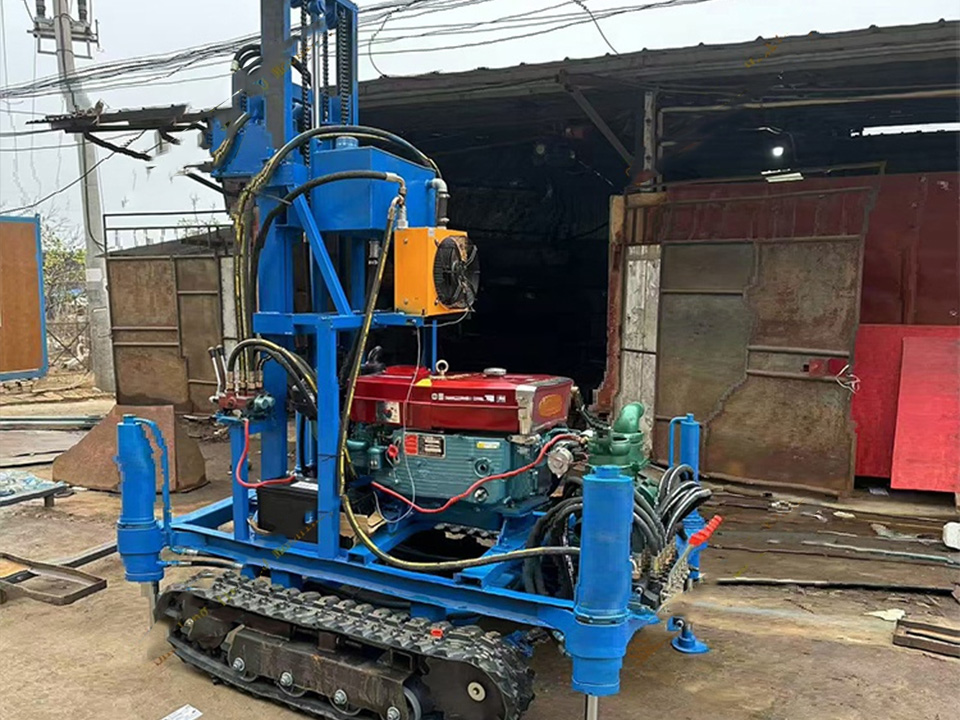
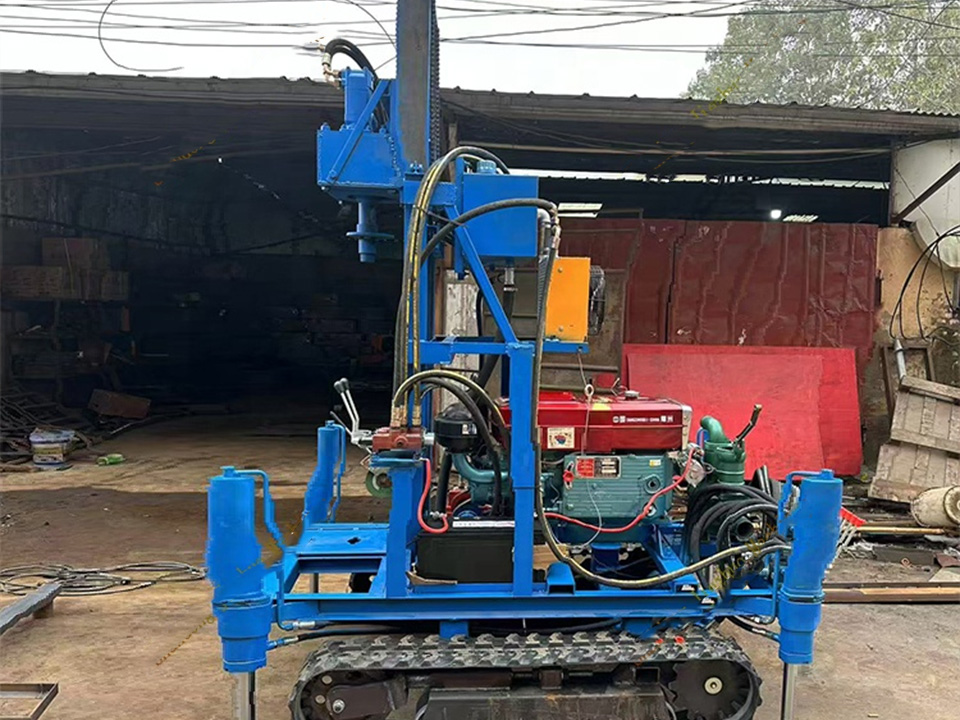
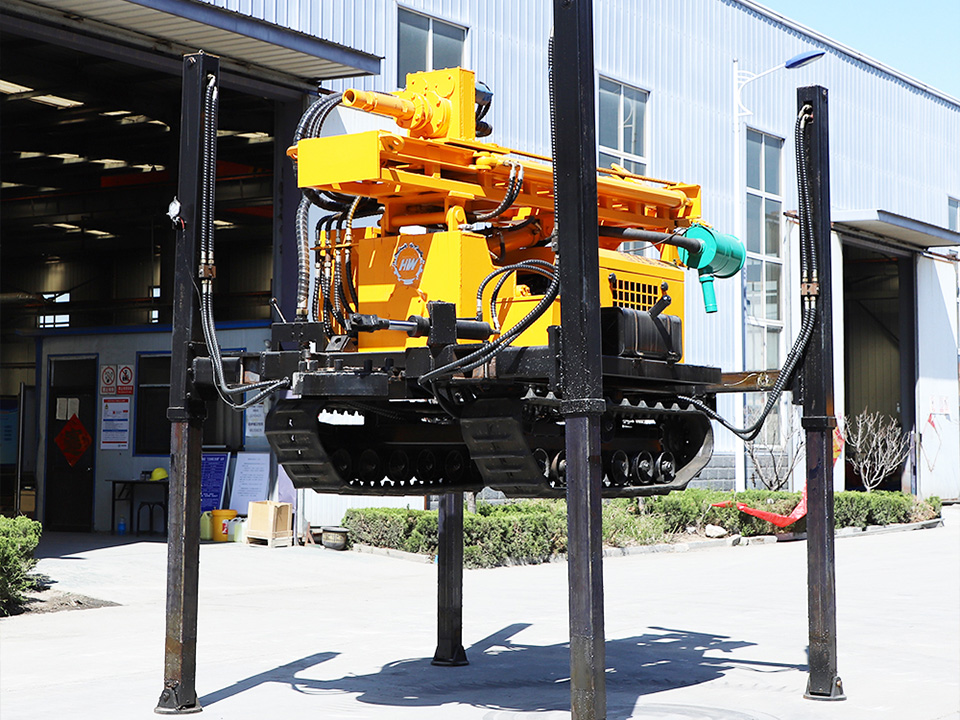
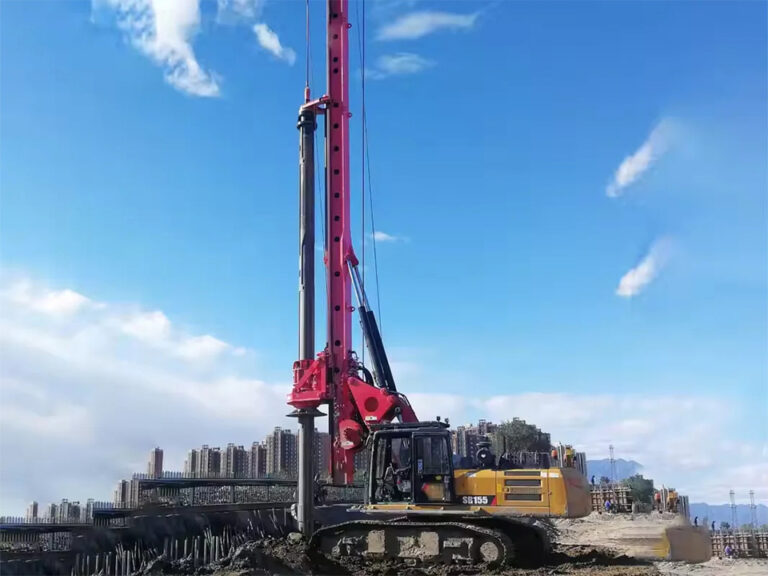
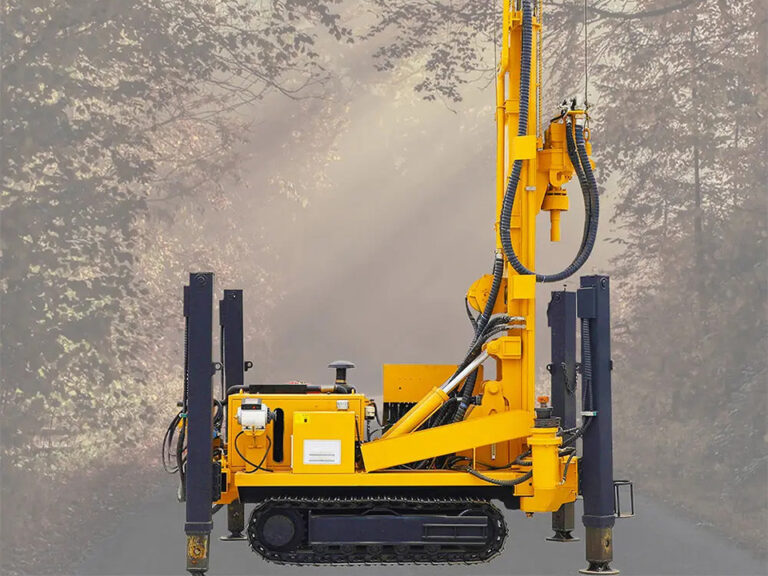
For buyers comparing heavy rigs, crawler rigs, and DTH systems, this matters even when the equipment is not technically a deepwater drilling platform. The same procurement logic applies to a heavy-duty diesel engine rotary DTH drilling rig: verify structure, power unit, hydraulic circuit, rotary head, mast, certificates, spare parts, and packing before money moves.
But here’s my hard opinion: a generic inspection company is not enough. You need an inspector who understands drilling equipment. Not just ISO paperwork. Not just paint thickness. A drilling rig is a working system: diesel engine, compressor matching, hydraulic oil circuit, mast geometry, feed force, rotary torque, crawler chassis, welded frame, control logic, safety guards, spare-parts package, and field serviceability.
A checklist written by someone who has never watched a mast shake under load is a weak checklist.
The Offshore Rig Inspection Checklist That Actually Protects Payment
A useful pre-shipment inspection checklist for drilling rig should be split into four layers: document control, physical build quality, functional testing, and export readiness.
Miss one layer, and the supplier will usually show you the layer that looks best.
1. Document Verification Before the Inspector Touches the Rig
Start here. Always.
If the supplier cannot produce a coherent technical file, don’t waste the inspector’s first hour taking photos of shiny panels. Ask for documents first:
Inspection Area
What to Check
Why It Matters
Reject / Hold Condition
Contract match
Model, serial number, engine brand, drilling depth, diameter range, compressor match
For procurement teams looking at a diesel hydraulic rotary second-hand mining drilling rig, this section becomes even more important. Used rigs need hour-meter verification, rebuilt-part disclosure, oil leakage history, frame repair records, engine service history, crawler wear inspection, and photos of high-stress weld zones before shipment.
2. Structural Inspection: Welds, Mast, Frame, Pins, and Load Paths
Paint is cheap. Steel mistakes are not.
The inspector should look at weld continuity, weld size, visible cracks, undercut, porosity, spatter cleanup, mast straightness, pin-hole alignment, cylinder mounting brackets, crawler frame condition, rotary head mounting plate, and lifting lugs. I frankly believe the lifting lugs deserve more attention than most buyers give them. Why? Because they are treated like accessories until the rig is hanging from a crane.
BSEE’s investigation framework is a useful reminder here: offshore incident investigations commonly include equipment analysis, documentation review, contractor records, and testing where needed. In other words, when things go wrong offshore, investigators do not ask whether the paint looked nice in the supplier’s video. They chase evidence.
Ask the inspector to photograph:
Every lifting point with close-up weld views
Mast base and top sheave area
Feed cylinder brackets
Rotary head mounting bolts
Track frame welds
Hydraulic tank supports
Compressor mounting points if integrated
Any repaired or repainted section
And don’t let the factory rush this part. Rushed inspections are where bad welds survive.
3. Hydraulic and Power System Checks: The Expensive Leaks Hide Early
Hydraulic leaks are not cosmetic defects. They are early warnings.
A drilling rig with weak hose routing may pass a 10-minute test and fail after 40 hours on a hot site. A loose fitting may not drip on camera, but it may spray under working pressure. A badly positioned hose may rub against the frame until it bursts.
For rigs such as a factory direct Kaishan KT5H core down-the-hole drill rig, the inspector should check power pack layout, motor-pump labeling, control response, hose pressure ratings, PLC cabinet condition if applicable, emergency stop behavior, and whether the warranty statement matches the purchase contract.
One ugly truth: factories often test the function they know will pass. Your checklist must force them to test the functions you are worried about.
The Payment Trap: Inspection Must Be Linked to Money
A checklist without payment leverage is just a diary.
Here is how I would structure the payment logic:
Deposit: paid after contract, proforma invoice, technical specification, and delivery schedule are signed
Mid-production inspection: optional, but useful for customized rigs or high-value orders
Pre-shipment inspection: mandatory before balance payment
Balance payment: released only after signed inspection report, defect closure photos, packing photos, and loading plan
Shipment approval: issued only after container number, seal number, crate marks, and loading photos are confirmed
The strongest phrase in your purchase contract is not “high quality.” It is this:
Balance payment is conditional upon buyer-approved third-party inspection and verified closure of major non-conformities.
That sentence changes behavior.
For an integrated blasting drilling rig from a China factory, the inspection should not stop at engine start-up. It should verify drilling system integration, compressor compatibility if applicable, dust collection setup, crawler travel, rotation speed, feed system response, control panel labeling, spare drill tools, safety covers, and packing for overseas transport.
What the Inspector Should Classify as Critical, Major, or Minor
Bad reports are vague. Good reports classify defects.
Use this system:
Defect Grade
Meaning
Example
Payment Action
Critical
Safety, structural, legal, or core performance failure
Do not let suppliers downgrade defects casually. They will try.
A missing manual is “minor” until your operator misuses the rig. A hydraulic seep is “small” until the machine is 6,000 kilometers away from the factory. A wrong engine label is “clerical” until customs, warranty, and spare parts all point to different realities.
Real-World Evidence: Offshore Risk Is Usually a Chain, Not One Mistake
The National Academies’ 2023 report on offshore oil and gas systemic risk makes a point procurement people should read twice: small process safety indicators can reveal barrier failures before they become major events. It discusses fires, loss of well control, spills, and inspection-linked indicators as signals of systemic risk, not isolated bad luck.
That matters for procurement because equipment defects are often not dramatic at the factory gate. They are quiet. A loose bolt. A missing certificate. An undocumented repair. A hydraulic hose rubbing the mast. A control cabinet with poor sealing. A lifting lug with pretty paint and bad penetration.
Then the rig reaches the field.
Then the bill arrives.
Reuters reported in September 2024 that Hurricane Helene shut in about 24% of U.S. Gulf of Mexico oil production and 18% of natural gas output, with platform evacuations and major temporary output losses. That example is weather-related, not a factory defect case, but it proves the economic sensitivity of offshore operations: when equipment, logistics, safety, or site access fails, downtime becomes brutally expensive.
So the question is not “Can the supplier ship it?”
The real question is: Can you prove the rig was worth paying for before it left the factory?
A Practical Offshore Rig Inspection Checklist for Buyers
Here is the checklist I would give a third-party inspector before visiting the factory.
A. Contract and Identity Verification
Confirm supplier name, factory location, and production site
Match purchase contract, proforma invoice, and technical specification
Verify model number, serial number, engine number, pump model, compressor model if included
Check nameplate information against contract
Photograph all identification plates
Confirm warranty term, spare-parts list, and after-sales contact
B. Structural and Fabrication Inspection
Inspect mast straightness and weld quality
Check frame welds, support plates, crawler chassis, rotary head mounting area
Inspect lifting lugs and tie-down points
Check bolt grade markings where visible
Verify pin locking devices and grease points
Check paint coverage, rust, repaint signs, and hidden repair areas
C. Mechanical and Hydraulic Function Test
Start engine from cold condition if possible
Test all hydraulic movements
Check feed/retract speed consistency
Test rotary head forward/reverse rotation
Inspect hydraulic pressure readings
Run crawler travel forward, reverse, left, and right
Check abnormal vibration, noise, oil temperature rise, and leaks
Verify lights, alarms, gauges, sensors, PLC screen if equipped
Check battery mounting and cable routing
Photograph fuse/cabinet layout
E. Drilling System and Accessories
Verify drill pipe quantity, diameter, thread type, and length
Check hammer, bit, sub adapter, winch, mud pump, or compressor interface if included
Verify toolboxes and consumable parts
Confirm manual language and maintenance schedule
Check lubrication points and included grease tools
F. Packing, Loading, and Export Protection
Confirm rust prevention on exposed metal
Check waterproof covering and moisture protection
Verify crate strength and pallet base
Confirm lifting marks, center-of-gravity marks, gross weight, net weight
Photograph container loading sequence
Record container number and seal number
Confirm loose parts are labeled and secured
This is the minimum. Not the premium version.
The Supplier Questions That Expose Weak Factories Fast
Ask these before inspection day:
Can you provide the factory acceptance test procedure before the inspector arrives?
Which defects will you correct before balance payment?
Can the inspector witness full hydraulic function testing?
Can you provide engine, pump, and hydraulic component nameplate photos before inspection?
Will the rig be fully assembled or partly disassembled during inspection?
Can the inspector check packing and loading, not just the machine?
Who signs the defect closure report?
Can you provide serial numbers for major components?
A good supplier answers directly.
A weak supplier gets poetic.
FAQs
What is an offshore rig inspection checklist?
An offshore rig inspection checklist is a structured verification document used before payment or shipment to confirm that the drilling rig, components, documents, safety devices, functional tests, packing, and loading condition match the buyer’s contract and technical requirements. It turns vague quality claims into measurable inspection evidence.
In practical terms, it should cover model identity, serial numbers, weld quality, hydraulic performance, power system condition, safety devices, spare parts, certificates, factory acceptance testing, preservation, container loading, and defect classification. For offshore procurement, the checklist should also define which defects block shipment.
Why should importers use third-party inspection for offshore rig procurement?
Third-party inspection for offshore rig procurement gives the buyer independent evidence before releasing balance payment, especially when the buyer cannot visit the factory personally. It helps verify equipment quality, contract conformity, functional performance, documents, packing condition, and supplier honesty before the rig leaves the country.
I do not treat inspection as a polite add-on. I treat it as a commercial control point. If the report finds critical or major defects, the buyer should hold payment until the supplier corrects them and provides signed closure evidence.
What should be included in a pre-shipment inspection checklist for drilling rig equipment?
A pre-shipment inspection checklist for drilling rig equipment should include contract verification, structural inspection, hydraulic testing, engine and power system checks, control panel testing, safety device verification, spare-parts confirmation, documentation review, rust prevention, packing inspection, and container loading evidence. Each item should have clear acceptance criteria.
The report should not say only “OK” or “not OK.” It should show photos, videos, readings, serial numbers, test duration, defect grade, corrective action, responsible person, and final approval status. Otherwise, the buyer has a photo album, not inspection protection.
How do you inspect offshore rig equipment before shipment?
To inspect offshore rig equipment before shipment, start by checking the contract, technical specification, model identity, and serial numbers, then inspect the structure, welds, hydraulic system, engine, controls, safety devices, drilling tools, spare parts, documents, packing, and loading sequence with photo and video evidence.
The inspector should witness actual operation, not just a startup demonstration. Test crawler travel, mast movement, rotary head rotation, feed/retract functions, emergency stop, gauges, hydraulic pressure, leakage points, and accessory completeness. Payment should remain conditional until major defects are closed.
When should buyers arrange rig inspection before payment?
Buyers should arrange rig inspection before payment after production is complete but before the balance payment and before the rig is packed or loaded for shipment. This timing gives the inspector access to the full machine while still giving the buyer leverage to require corrections.
For high-value or customized rigs, I would add mid-production inspection too. That catches wrong components before they are buried under paint, covers, hoses, and supplier excuses. But the final pre-shipment inspection is still the payment gate.
Your Next Steps: Turn Inspection Into a Contract Weapon
Do not ask your supplier, “Can you inspect before shipping?”
Ask this instead: “Will you accept buyer-appointed third-party inspection as a condition for balance payment, with critical and major defects corrected before shipment?”
That question separates serious factories from soft talkers very quickly.
If you are sourcing drilling rigs for export projects, build your inspection checklist before negotiation ends, not after the machine is already packed. Define the documents, test items, defect grades, photo evidence, video evidence, serial-number checks, spare-parts package, and loading approval in writing. Then send it to the supplier with the purchase order.
Need help choosing what to verify on a specific rig model? Compare your contract specs against the machine type first, then request a written inspection plan before paying the balance. For offshore-style procurement discipline, that one step may save you more than any discount the supplier offers.