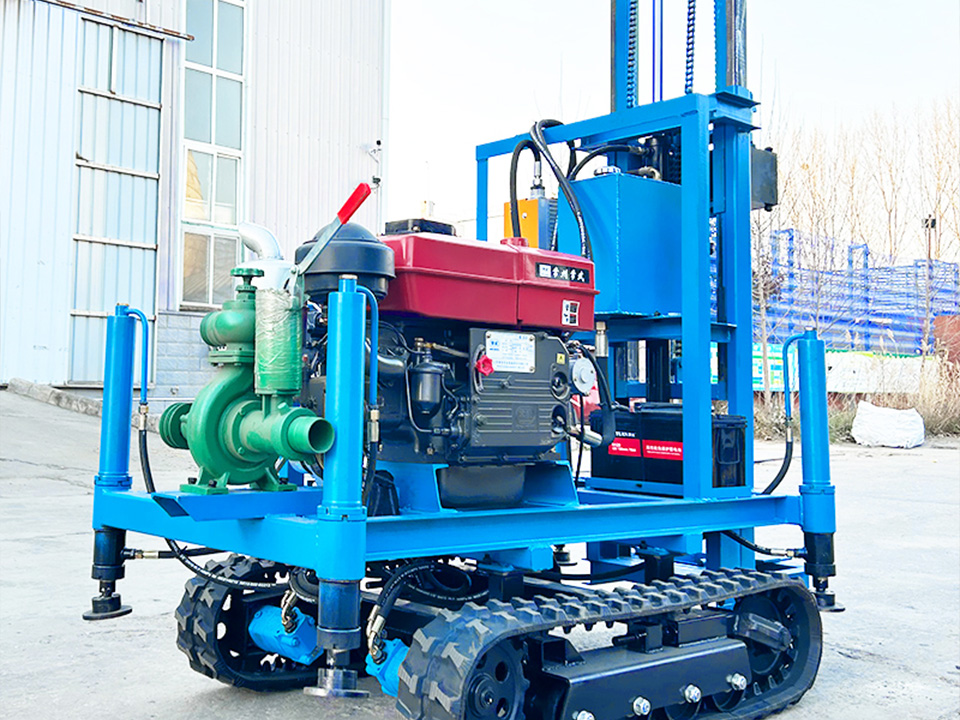
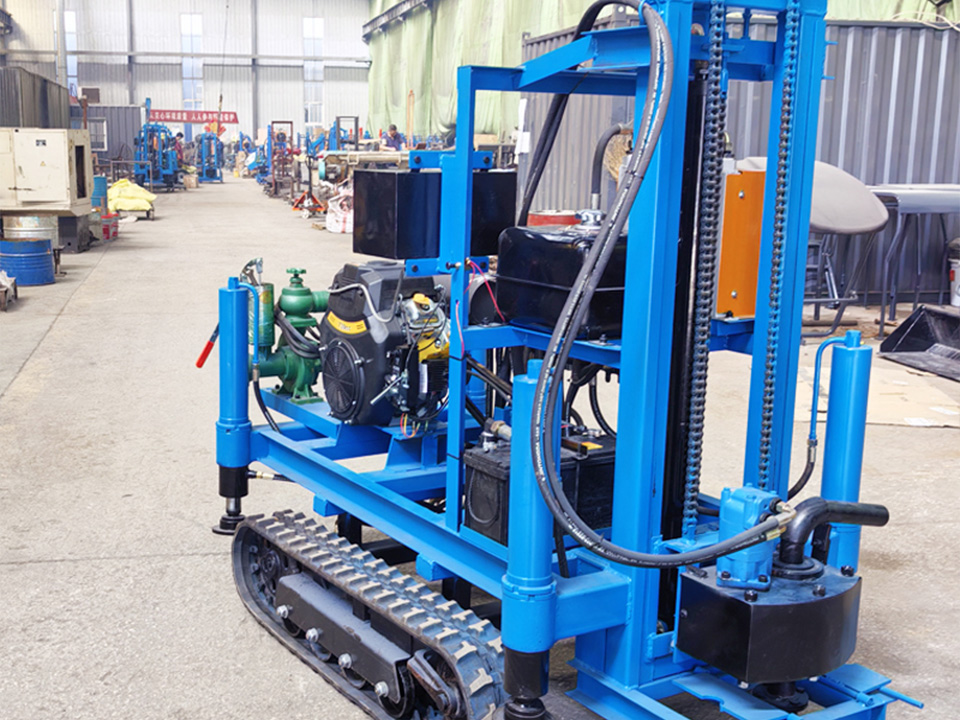
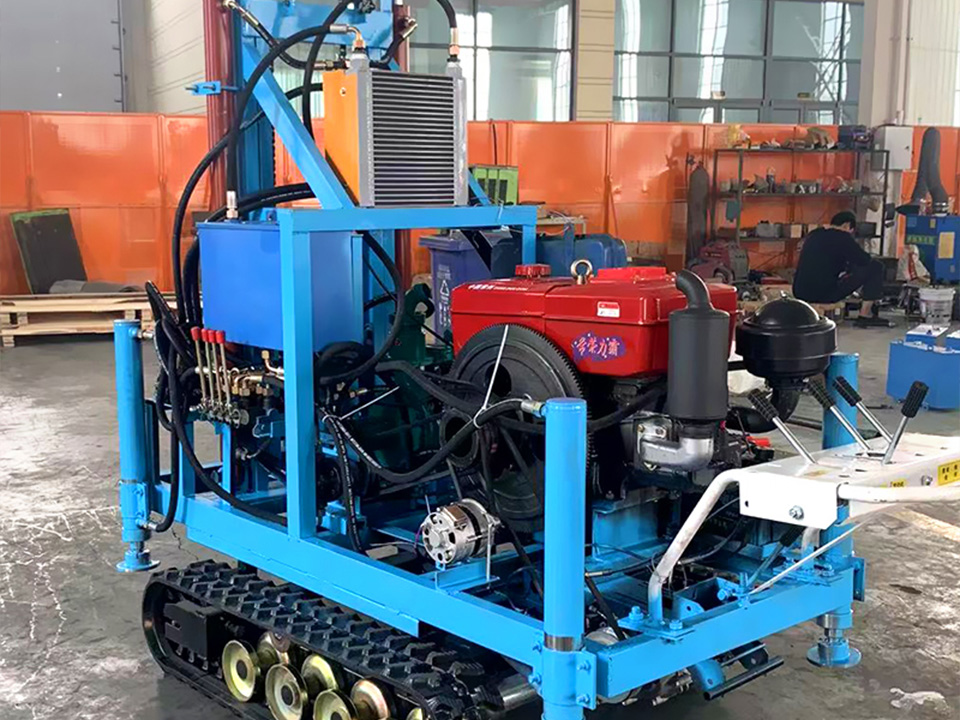
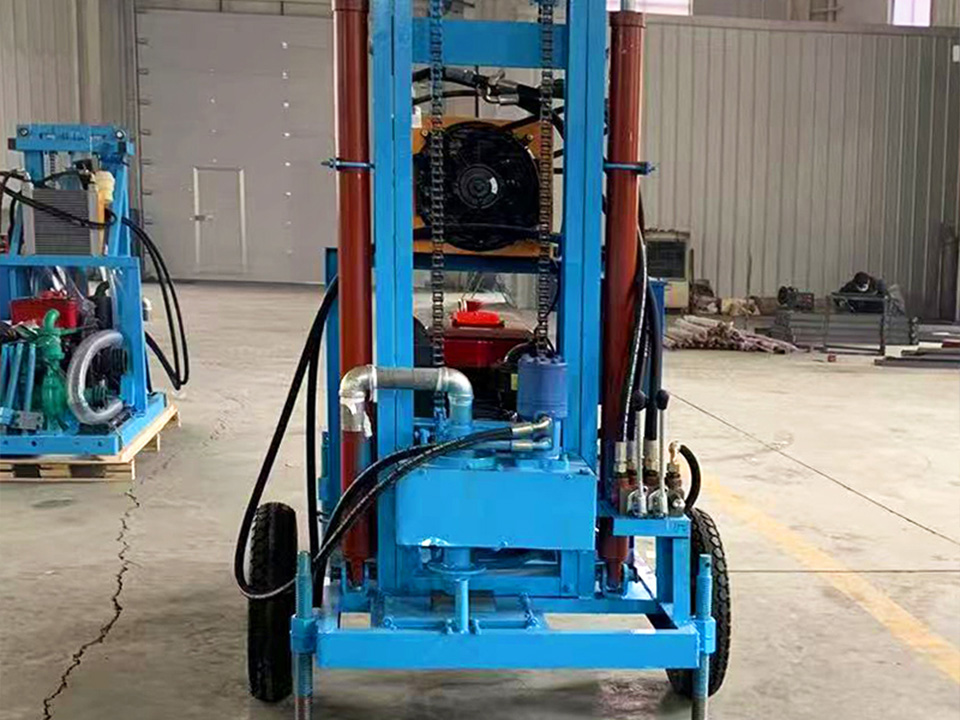
“The Drilling Rig gave us a true one-stop solution. Their team matched the right rig, compressor, and drilling tools for our project, and the engineering support stayed fast and professional from quote to delivery.”
How Fuel Cost per Meter Changes Across Real Drilling Projects
The Meter Doesn’t Lie — But the Quotation Usually Does
I’ve seen this mistake more times than I like. A buyer gets a clean PDF quotation, sees a smaller engine, lower machine price, and a friendly “low fuel consumption” line. Suddenly, the whole WhatsApp group acts like the project economics are solved.
They aren’t.
Once the rig lands on site — dust, weak road access, nervous operator, mixed rock, maybe a compressor that’s just a little too small — the number that matters is not engine power, not brochure depth, and not hourly fuel burn alone. It’s drilling cost per meter. More exactly, how much diesel you burn for every accepted meter the client will actually pay for.
Table of Contents
That’s the ugly part.
A salesman can talk all day about drilling depth, engine brand, compressor size, hammer diameter, pullback force, and “factory price,” but the commercial truth starts only when burned diesel is divided by real meters drilled under real site conditions. One job can turn 80 liters into 30 meters. Another job turns the same 80 liters into eight miserable meters, a stuck bit, and a compressor cooking beside the borehole.
So which rig is cheaper?
Not obvious, right?
The field formula is simple:
Fuel cost per meter = hourly fuel consumption × diesel price ÷ drilled meters per hour
Small formula. Big damage.
A package that burns more liters per hour can still be cheaper if it drills faster, keeps air pressure stable, clears cuttings properly, and avoids the stop-start circus that ruins drilling days. That’s what first-time import buyers often miss. They compare engines. Contractors compare meters.
According to the U.S. Energy Information Administration’s weekly diesel price history, U.S. No. 2 diesel moved from about $3.83–$3.88/gal in January 2024 to around $4.10/gal in February 2024. That looks like a fuel-market detail until your rig is crawling through hard formation at 2 m/hour. Then it becomes a profit leak.
Globally, the World Bank’s October 2024 Commodity Markets Outlook projected Brent crude around $80/bbl for 2024, with uncertainty still hanging over energy markets. In site language: don’t build a drilling business on fantasy diesel assumptions.
The Ugly Math Behind Drilling Cost per Meter
Here’s the part I frankly believe buyers should print and tape above the purchasing desk: fuel burn per hour is not fuel cost per meter.
Never was.
A rig burning 18 L/hour can be expensive if it only gives you 1.5 clean meters per hour. Another rig burning 38 L/hour can be cheaper if it keeps the hammer eating and delivers 7 meters per hour without constant flushing delays. The meter is the judge. Not the brochure.
Project Condition
Rig Behavior
Fuel Burn Assumption
Production Rate
Diesel Price
Fuel Cost per Meter
Commercial Meaning
Soft overburden / shallow borehole
Low load, fewer compressor spikes
18 L/hour
12 m/hour
$1.10/L
$1.65/m
Cheap fuel curve; labor may dominate
Mixed formation / water well drilling
Moderate load, variable flushing
28 L/hour
6 m/hour
$1.10/L
$5.13/m
Normal “truth zone” for many buyers
Hard rock / DTH drilling
High compressor load, slower penetration
42 L/hour
3 m/hour
$1.10/L
$15.40/m
Cheap rig becomes dangerous here
Bad matching / undersized air system
Re-drilling, jamming, idle burn
35 L/hour
1.8 m/hour
$1.10/L
$21.39/m
The project is already losing money
That table looks calm. It isn’t.
Fuel cost per meter jumps from $1.65/m to $21.39/m without changing diesel price at all. Same diesel price, totally different economics. Why? Production rate collapsed. That’s where money disappears — not always in one dramatic breakdown, but in slow penetration, poor air, long idle burn, bad flushing, and operators pretending “almost done” means something.
For example, a compact DTH unit such as the KG726/KG726H ground drilling rig for 90–115 mm blasting holes lists an 80 kW Yuchai engine, 25 m economical drilling depth, and 9–17 m³/min air consumption. Those figures matter. But alone, they don’t answer the money question. Air demand has to be tied to hole diameter, hammer behavior, rock condition, and meters per hour — otherwise it’s just spec-sheet decoration.
Cheap Rigs Don’t Stay Cheap Once the Diesel Log Opens
Here’s the ugly truth: many cheap rigs are delayed invoices.
They charge you later through idle fuel, weak penetration, tool abuse, overheated hydraulics, low compressor efficiency, slow tramming, frame vibration, broken hoses, and that expensive phrase every site manager hates: “Try again tomorrow.”
Harsh? Good.
A buyer may save $3,000 on the machine and lose it back through one bad season of fuel waste. Sometimes faster. Especially in hard rock, where “can drill” and “can drill economically” are not the same thing.
Take the KG910A crawler hydraulic rock drill. It’s positioned around 90–115 mm drilling diameter, 25 m max depth, 9–13 m³/min air consumption, and 0.7–1.4 MPa working pressure. A shallow buyer may compare it with a cheaper rig that claims similar hole diameter. Rookie move. In granite, basalt, quartz-heavy ground, quarry benches, or fractured formations, the real question is whether the rig-air-hammer system can keep penetration stable without turning every hole into a diesel bonfire.
Reuters reported in February 2024 that Northwest Europe gasoil crack spreads moved from roughly $174/tonne in December to $214/tonne for April delivery. That kind of refined-fuel pressure quietly wrecks contractors using lazy fuel assumptions. If your quotation model assumes “diesel will stay normal,” you’re not pricing a job. You’re gambling. The Reuters source was linked in the previous draft as diesel prices primed to rise sharply in 2024.
And diesel-powered equipment still sits at the center of remote drilling. The U.S. EPA describes nonroad compression-ignition diesel engines as the engine family used across heavy equipment, including construction machinery, agricultural tractors, generators, pumps, and compressors — exactly the kind of site reality water well and DTH drilling buyers face when grid power is unreliable. See the EPA reference here: regulations for emissions from heavy equipment with compression-ignition engines.
Where the Fuel Really Leaks
Idle burn is the first thief. The rig is running, the compressor is running, men are standing around, and the hole is not getting deeper. You won’t see that clearly on the invoice. You’ll see it in liters.
Wrong air match is the second thief. Too little air and cuttings don’t clear. Too much air and diesel goes out the exhaust as expensive noise. Somewhere between those two mistakes is the operating window. Good crews know it. Cheap packages often miss it.
Formation changes? Another thief.
Sand collapse, clay swelling, fractured limestone, water inflow, basalt stringers — each one changes the fuel curve. That’s why “normal formation” is one of the most useless phrases in drilling sales. Normal where? Normal at what depth?
And then there’s the operator. A good operator protects rotation, feed pressure, flushing rhythm, hammer efficiency, and tool life. A bad operator can take a decent rig and make it look like scrap by lunch.
Stop Comparing Machine Price. Start Comparing Meter Price.
I wouldn’t approve a rig purchase without a one-page cost-per-meter sheet. Not a complicated spreadsheet. Not procurement theater. Just enough numbers to stop people lying to themselves.
Cost Item
Calculation Method
Why It Matters
Fuel cost per meter
L/hour × fuel price ÷ m/hour
Exposes true diesel efficiency
Bit and hammer wear
Tool cost ÷ meters achieved
Hard rock can distort the budget fast
Compressor cost
Rental/depreciation + fuel + service
DTH economics often live here
Labor per meter
Crew daily cost ÷ daily meters
Slow penetration raises wage cost per meter
Mobilization
Transport + loading + permits ÷ project meters
Small projects suffer most
Downtime allowance
Lost hours × hourly site cost
“Cheap” machines often hide here
Maintenance reserve
Filters, oil, hoses, seals, service
Prevents fake profit numbers
Now let’s do the calculation buyers avoid because it makes cheap offers less pretty.
Package A burns 25 L/hour and drills 3 m/hour. Package B burns 38 L/hour and drills 7 m/hour.
At $1.10/L diesel:
Package A fuel cost per meter = 25 × 1.10 ÷ 3 = $9.17/m Package B fuel cost per meter = 38 × 1.10 ÷ 7 = $5.97/m
Package B burns more per hour.
It wins.
That one line makes some buyers uncomfortable because they’ve been trained to ask the wrong question: “Which rig uses less diesel per hour?” Better question: “Which package gives me more accepted meters per liter?”
For deeper or heavier DTH applications, a machine like the KT12 diesel deep hole DTH mine drilling rig lists 242 kW power, 100–140 mm drilling diameter, 32 m drilling depth, and K40 hammer configuration. That’s not just product description. It’s a cost-model input. Power, hammer class, hole diameter, and air demand only mean something once tied to penetration rate and diesel per finished meter.
Field-Style Cases: Same Diesel, Different Pain
Case 1: Soft Ground Makes Weak Equipment Look Smarter Than It Is
Soft ground is forgiving. Too forgiving, honestly.
A small water well drilling project in sandy or clay-heavy ground can make an average rig look excellent because penetration is fast, compressor stress is low, and the crew isn’t fighting stuck tools or poor cuttings return all day. Fuel cost per meter may look friendly. Everyone smiles. The buyer thinks the package is efficient.
Maybe it is.
Or maybe the ground simply didn’t punish it.
In shallow work, fuel may represent only 10–20% of visible drilling cost, while casing, labor, pump installation, mobilization, site access, and transport carry the bigger load. So when a buyer uses soft-ground results to predict hard-rock economics, I get nervous. That’s how wrong confidence gets imported in a container.
Case 2: Mixed Formation Is Where Profit Gets Dirty
Mixed formation is annoying because it doesn’t fail cleanly.
One hour, the bit is moving nicely. Next hour, clay smears the hole, cuttings return gets weak, casing has to come in early, or fractured limestone starts stealing air. The engine keeps burning. The compressor keeps working. But the depth counter? Lazy.
That’s where borehole drilling cost analysis becomes useful.
Track these numbers:
diesel liters per shift
drilled meters per shift
idle hours
tool-change time
compressor loading behavior
water inflow delays
casing intervals
actual paid meters versus reworked meters
The buyer who records only “daily fuel” learns almost nothing. The buyer who records liters per accepted meter starts seeing the real machine.
Accepted meter matters. Not drilled meter. Not attempted meter. Not “we almost reached 120 m.” The client pays for a usable hole, not your struggle.
Case 3: Hard Rock DTH Drilling Has No Mercy
Hard rock tells the truth quickly.
Basalt, granite, quartzite, compact volcanic layers — these formations don’t care what the brochure promised. They expose poor air matching, weak feed control, dull bits, tired hammers, unstable rotation, bad flushing, and operators who don’t know when to back off before tool life gets murdered.
Hourly fuel burn may rise in hard rock. That alone doesn’t scare me.
What scares me is high fuel burn with poor penetration.
That’s why a heavier unit such as the KT11S diesel core drilling rig with Cummins power and 2800 Nm rotary torque belongs in a different buying conversation than a tiny shallow-hole rig. Its 105–125 mm drilling diameter, 20 m drilling depth, 15,000 kg weight, and diesel-powered configuration point toward jobs where stability, torque, and controlled power delivery matter more than looking cheap in a supplier comparison table.
The Procurement Mistake I See Again and Again
Many import buyers still compare rigs like they’re comparing phones.
Bad habit.
A drilling rig is not a phone. It’s a fuel-burning production system with steel, hydraulics, air, tooling, operator skill, geology, and downtime all fighting over your margin. The right question is not, “Which machine is cheaper?” The right question is, “Which machine gives me the lowest accepted drilling cost per meter in the ground I actually face?”
So ask suppliers for project-style assumptions before sending payment:
expected fuel burn by working condition
compressor air volume and pressure
hammer size
drilling diameter range
typical penetration in soft, mixed, and hard formation
tool-wear assumptions
maintenance interval
idle-time risks
what the package is not suitable for
That last one matters.
I trust a supplier more when they say, “Don’t use this model for that formation.” Perfect answers are suspicious. Every rig has a boundary. If nobody can explain the boundary, the buyer becomes the test site.
How to Calculate Drilling Cost per Meter Before Buying
Don’t overcomplicate it.
Start with the project, not the machine. Depth. Diameter. Formation. Diesel price. Daily meter target. Compressor requirement. Hammer size. Crew skill. Access road. Water condition. Casing plan. Then run the numbers with boring honesty.
Input
Example Value
Buyer Note
Planned borehole depth
120 m
Use real project depth, not max brochure depth
Hole diameter
140–165 mm
Bigger holes increase air demand
Formation
Mixed limestone + hard layers
Avoid vague “normal rock” labels
Expected production
30 m/day
Use conservative field assumptions
Rig fuel burn
28 L/hour
Ask whether this includes compressor load
Working hours
8 hours/day
Separate drilling hours from shift hours
Diesel price
$1.10/L
Update monthly
Daily fuel cost
$246.40/day
28 × 8 × 1.10
Fuel cost per meter
$8.21/m
$246.40 ÷ 30 m
Now stress it.
If production falls to 18 m/day, fuel cost becomes $13.69/m.
If diesel rises to $1.30/L and production falls to 18 m/day, fuel cost becomes $16.18/m.
Same rig. Same hole plan. Different financial wound.
That’s why I prefer conservative models. Optimistic spreadsheets make people feel clever right up until the fuel truck arrives twice as often as planned.
FAQs
What is drilling cost per meter?
Drilling cost per meter is the total project expense divided by accepted meters drilled, including fuel, labor, tooling, compressor cost, mobilization, casing-related delays, maintenance, and downtime. It gives buyers a cleaner way to compare real drilling economics instead of relying only on machine price or engine power.
The key word is “accepted.” A meter that needs rework, cleaning, casing correction, or re-drilling is not the same as a paid production meter. In water well drilling, mining DTH drilling, and borehole projects, that difference can separate a profitable job from a noisy loss.
How do you calculate fuel cost per meter drilling?
Fuel cost per meter drilling is calculated by multiplying hourly fuel consumption by diesel price, then dividing by actual meters drilled per hour. The formula is liters per hour × diesel price per liter ÷ meters per hour, which measures diesel efficiency by production output rather than engine size.
For example, a rig burning 30 L/hour at $1.10/L and drilling 5 m/hour has a fuel cost of $6.60/m. If drilling speed falls to 2 m/hour, fuel cost jumps to $16.50/m. Same hourly burn. Very different business.
Why does drilling rig fuel consumption change so much between projects?
Drilling rig fuel consumption changes because engine load, compressor demand, hole diameter, formation hardness, flushing efficiency, operator behavior, bit condition, and idle time vary from site to site. A rig that works economically in soft overburden may become fuel-hungry in basalt, granite, limestone fractures, or deep DTH drilling.
Factory fuel data is useful, but it’s not a field guarantee. Compressor strain, cuttings removal, hammer performance, feed pressure, and downtime can push diesel consumption per accepted meter far above the neat number shown in a sales conversation.
Why do cheap drilling rigs cost more in real projects?
Cheap drilling rigs cost more in real projects when low purchase price is offset by slow penetration, higher idle time, poor compressor matching, weaker hydraulics, faster tool wear, and more downtime. The invoice looks attractive, but the accepted meter becomes expensive once fuel, labor, repairs, and lost production are counted.
This happens most often when buyers compare only maximum depth, engine power, and FOB price. A lower-cost package drilling 2 m/hour may lose badly against a more expensive rig drilling 6 m/hour with cleaner flushing, stable air pressure, and fewer interruptions.
What is a good fuel cost per meter for water well drilling?
A good fuel cost per meter for water well drilling depends on geology, borehole diameter, target depth, diesel price, compressor matching, and daily production rate. The best benchmark is not a universal number; it is your own liters-per-accepted-meter record from similar projects and similar ground.
Soft shallow boreholes may show low single-digit dollar fuel cost per meter. Mixed formation and hard rock DTH jobs can rise sharply. A 100 m agricultural well in soft sediment should not be compared with a 180 m hard-rock borehole using the same fuel benchmark.
What data should buyers request before choosing a drilling rig?
Buyers should request expected fuel burn, air compressor volume and pressure, hammer size, drilling diameter range, penetration-rate assumptions by formation, tool-wear expectations, maintenance intervals, and idle-time risks before choosing a drilling rig. These inputs allow a more realistic drilling cost per meter estimate before purchase.
I’d also ask the supplier which jobs the machine should avoid. That answer is worth money. A serious supplier will talk about formation limits, air demand, torque boundaries, and compressor matching. A weak supplier will repeat “high efficiency” until the buyer gives up.
Your Next Steps
Before buying a rig, build a one-page cost-per-meter sheet for your real project: depth, diameter, formation, diesel price, expected meters per day, compressor match, hammer size, and downtime allowance.
Then send that sheet to the supplier and ask for a matched recommendation — not just a price.