“The Drilling Rig gave us a true one-stop solution. Their team matched the right rig, compressor, and drilling tools for our project, and the engineering support stayed fast and professional from quote to delivery.”
How Moisture and Condensate Reduce DTH Drilling Efficiency
Wet air lies.
On paper, the compressor still shows pressure. The operator still hears the hammer firing. The rig still turns, feeds, rattles, and throws cuttings out of the hole. So the buyer thinks the system is working. But down at the bit face—where DTH drilling efficiency is actually made or lost—the physics has already changed.
I’ve seen this mistake repeated by buyers who will argue for two weeks over a rig frame thickness, then treat aftercooling, moisture separation, drain layout, and hose management like “optional accessories.” Hard truth: that is not professional purchasing. That is buying the machine and ignoring the bloodstream.
Table of Contents
DTH drilling is not just “air plus hammer plus bit.” It is controlled impact energy, exhaust velocity, cuttings evacuation, temperature management, and mechanical timing. When water enters that chain as vapor, mist, droplets, or pooled condensate, the hammer stops behaving like a precision pneumatic tool and starts behaving like an abused field consumable.
And who pays? Usually the buyer, not the seller.
The Ugly Truth: Moisture Does Not Need to Flood the Hammer to Hurt It
A DTH hammer runs on compressed air. That sounds simple. It is not.
Inside the hammer, compressed air cycles the piston at high speed, drives impact energy into the bit, and then exits through the bit face to clean the hole. A 2023 Applied Sciences paper on pneumatic DTH hammer behavior describes DTH hammer drilling as a high-efficiency, low-cost method, but also makes clear that the hammer’s impact behavior depends on the gas distribution mechanism, piston motion, and drilling conditions—not just a headline pressure number.
Now add moisture.
Water does four dirty jobs at once: it cools and condenses unpredictably, drags oil film away from internal sliding surfaces, promotes oxidation on steel parts, and disrupts the flow pattern needed to lift cuttings. You may still get impact. You may still get penetration. But you lose consistency, and in drilling, consistency is money.
Here’s the part many sales brochures avoid: wet compressed air in DTH drilling does not always cause a dramatic one-day failure. Often, it causes slow theft. The penetration rate drops 8%. Then 15%. The hammer starts “sounding different.” Bit wear becomes uneven. The driller increases feed pressure to compensate. The compressor works harder. Fuel burn rises. Somebody blames the formation.
Wrong suspect.
Where Condensate Comes From: The Compressor Is Also a Water-Making Machine
Compressed air is hot when it leaves the compressor. Hot air holds more water vapor. As the air cools in receivers, hoses, steel lines, long runs, shaded ground contact, night drilling, or altitude swings, vapor turns into liquid condensate.
This is not theory. The U.S. Department of Energy’s compressed-air sourcebook specifically treats aftercoolers, moisture separators, air treatment components, and pressure drop as part of system performance—not decorative add-ons. It also notes that compressed air systems must be managed as full systems rather than isolated machines.
Small detail. Big bill.
A water separator placed wrong, drained late, undersized, or bypassed under “urgent production pressure” can create the same result as not having one. And when buyers ask only for compressor CFM and pressure—say 20 m³/min at 1.7 MPa, or 25 m³/min at 2.4 MPa—but never ask about discharge temperature, aftercooler performance, drain points, hose slope, line length, or separator pressure drop, they are only buying half the air system.
Hammer Life: Moisture Attacks the Parts Buyers Never Inspect
DTH hammer moisture damage starts inside.
The piston, inner cylinder, check valve, distributor, bit shank, splines, and chuck threads all rely on clean, dry-enough, lubricated airflow. When condensate enters, lubrication becomes unstable. Oil can emulsify. Rust starts in small pockets. Fine particles cling to wet surfaces. Impact surfaces become slightly rougher. The hammer still runs, so the damage hides.
That is why I dislike the phrase “hammer failure.” It sounds sudden. Most hammer failures are not sudden. They are small abuses stacked into one expensive day.
Corrosion does not need weeks to begin. Steel exposed to water, oxygen, heat, and abrasive fines is already in a bad neighborhood. Add poor storage after drilling—hammer left overnight with wet internals, no air purge, no oil fogging—and you have built a corrosion chamber.
The industry loves to sell “high penetration rate.” Fine. But a buyer who wants real DTH drilling efficiency must ask a less sexy question: how do we keep the hammer impact cycle stable for 500, 800, or 1,000 working hours?
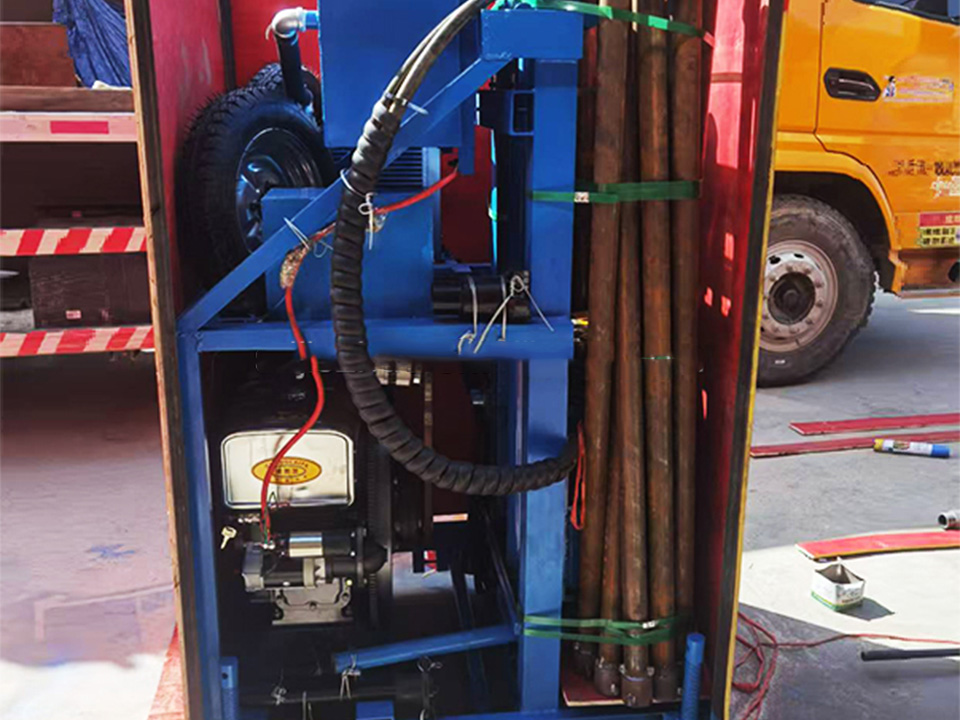
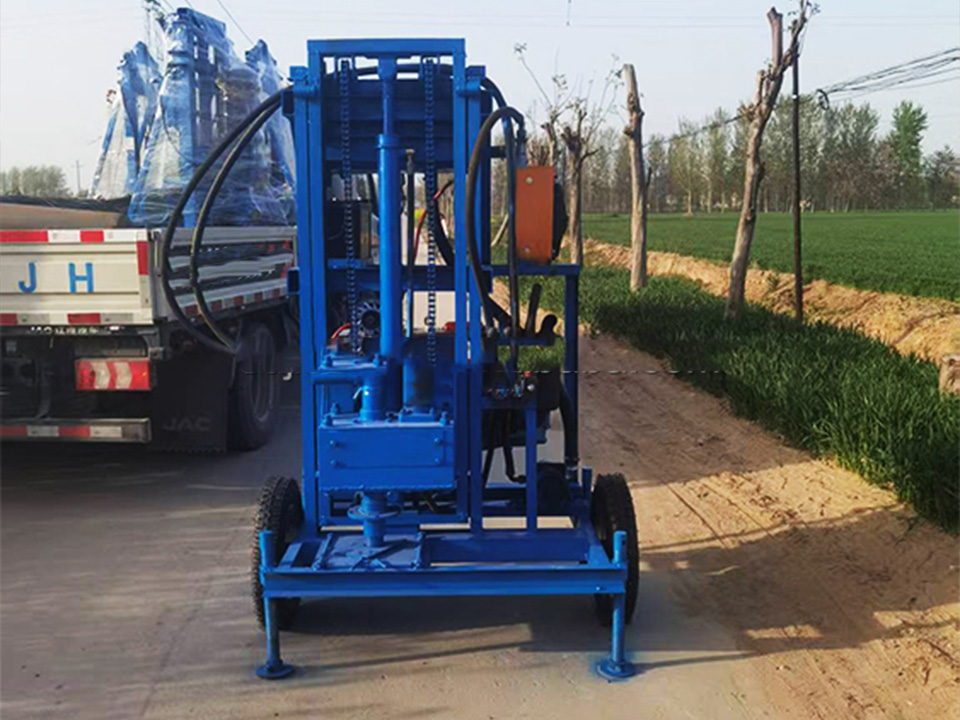
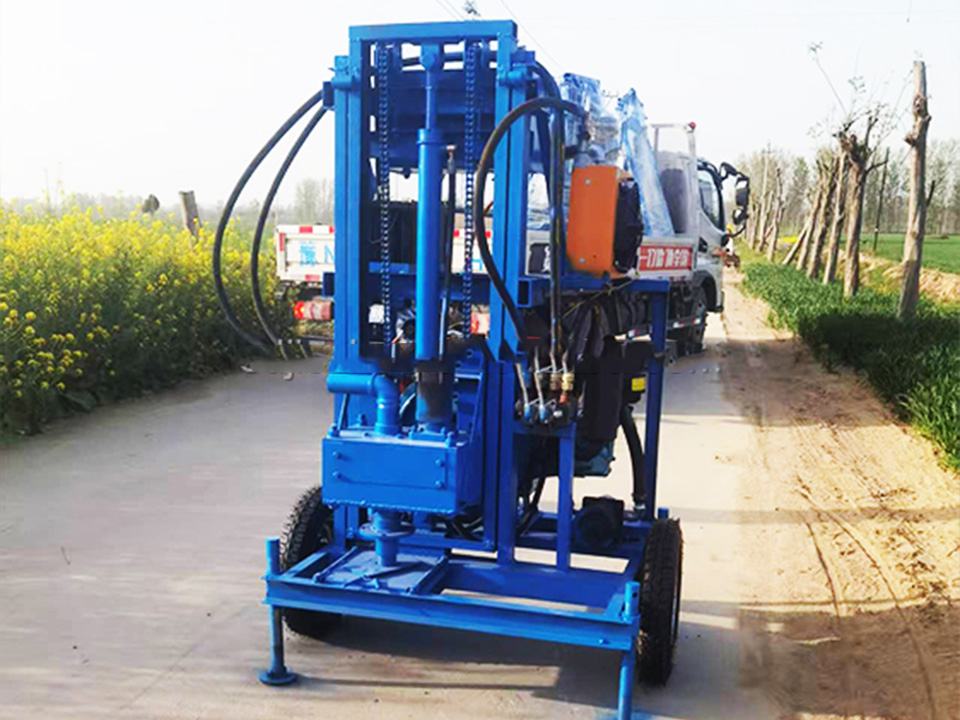
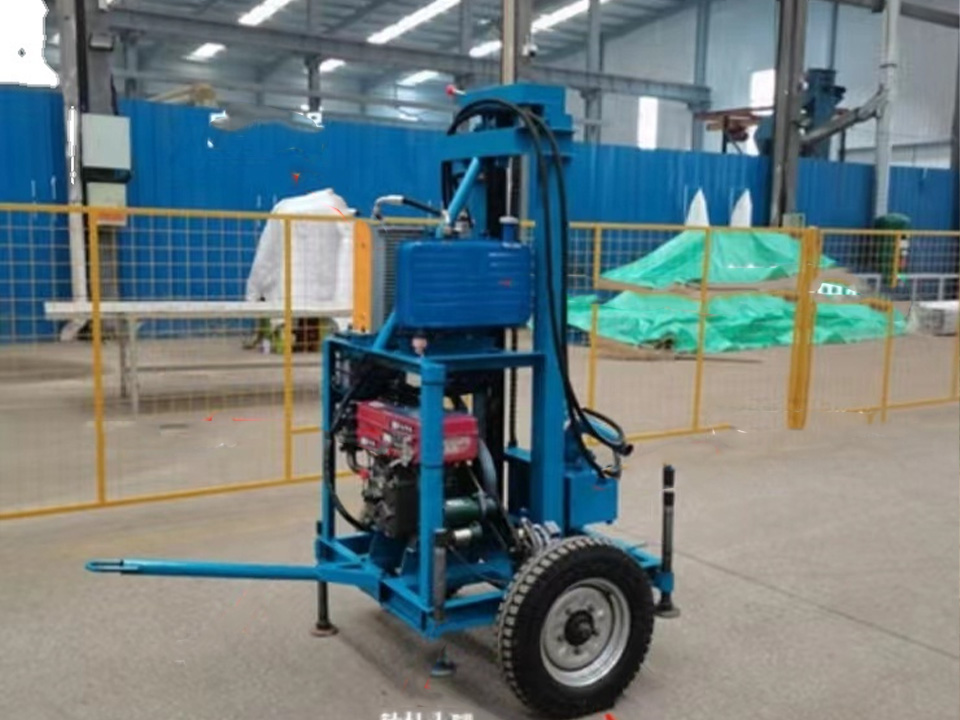
For deeper or more demanding DTH work, equipment such as the KT12 diesel DTH mine drilling rig for deep-hole applications cannot be judged only by steel structure and engine power. Air quality decides whether that mechanical strength converts into clean drilling output—or into maintenance noise.
Cuttings Transport: Wet Air Turns Rock Chips Into a Traffic Jam
Cuttings removal is brutally simple: break the rock, lift the broken material, keep the bit face clean.
But wet compressed air changes cuttings behavior. In dry, clean airflow, particles are carried upward by velocity. In damp airflow, fines can clump, stick to borehole walls, pack around the bit face, and create regrinding. Regrinding is silent waste: the bit spends energy crushing material already broken instead of attacking new rock.
What happens next?
The operator pushes harder. Rotation torque rises. The bit heats. Penetration drops. Hole cleaning worsens. The compressor may still be running at rated pressure, but effective cleaning energy at the bottom has fallen.
NIOSH’s mining dust-control guidance reminds us that compressed air is the force that flushes drill cuttings from holes, especially in downhole drilling, and that wet or dry control methods require proper maintenance to work as intended. That matters here because air is not only power; it is the transport medium.
Here is the uncomfortable distinction: wet drilling for dust control is one thing; uncontrolled condensate inside a DTH air supply is another. One is engineered. The other is negligence wearing a safety mask.
Air System Stability: Water Creates Pressure Drop, Slugging, and False Readings
Many buyers read the pressure gauge like it is a lie detector. It is not.
A gauge near the compressor may show acceptable pressure while the hammer receives unstable flow because water is pooling in the line, separators are restricted, drains are failing, or hose routing creates low-point traps. Pressure is only one number. Flow quality is the missing half.
The DOE’s compressed-air guidance highlights pressure drop across air-treatment components and notes that air/lubricant separators commonly start with low pressure drop when new, while higher differentials increase energy use and can push compressor motors harder.
That pressure-drop logic matters in drilling. If moisture control components are neglected, the air system can become both wet and restrictive. So the buyer pays twice: less effective hammer energy and more compressor load.
And power is not cheap background noise. Reuters reported in March 2024 that the EIA expected U.S. power use to hit record highs in 2024 and 2025, including 1,042 billion kWh of industrial customer sales forecast for 2024. When energy demand rises and industrial power cost pressure remains real, wasting compressor output through wet, unstable air becomes harder to excuse.
The Buyer’s Checklist: What I Would Inspect Before Accepting a DTH Air Package
I would not sign off on a DTH rig package by looking only at depth rating, engine brand, feed stroke, and hammer diameter.
I would ask for the air chain.
Show me the compressor model. Show me discharge temperature. Show me aftercooler type. Show me moisture separator location. Show me drain type. Show me receiver capacity. Show me hose diameter, hose length, and pressure loss assumptions. Show me the recommended lubricator setting. Show me what happens during humid-season drilling in Nigeria, Indonesia, Brazil, Ethiopia, or coastal mining areas.
And no, “our customers use it normally” is not an answer.
For buyers comparing DTH rigs such as the KT11S well drilling and core drilling rig with efficient motor configuration against heavier mine-drilling setups, the air package should be matched to formation, hole diameter, hammer size, depth, and climate. A clean spec sheet is useful. A wet jobsite exposes lies.
Practical Acceptance Criteria for Moisture Control
Inspection Point
Poor Buyer Question
Better Professional Question
Compressor rating
“How many CFM?”
“What delivered air volume and pressure reach the hammer after cooling, separation, hose loss, and altitude correction?”
Aftercooler
“Is it included?”
“What outlet temperature can it hold under 35–45°C ambient work?”
Separator
“Does it have one?”
“Where is it installed, what is its rated flow, and how is pressure drop monitored?”
Drains
“Manual or automatic?”
“Can the operator drain safely during continuous drilling without stopping production?”
Hose layout
“What hose length?”
“Where are the low points, and how do you prevent water slugging into the hammer?”
Lubrication
“Does it use oil?”
“How is oil delivery adjusted when humidity and condensate load change?”
Hammer storage
“Warranty?”
“What purge, oiling, and storage procedure prevents overnight corrosion?”
Why Aftercooling and Separation Are Not Accessories
Accessories are things you can remove without harming the core function. A decorative cover is an accessory. A toolbox bracket is an accessory. A moisture separator in a DTH compressed-air system is not.
Aftercooling lowers air temperature so water can condense before the air travels downstream. Separation removes that liquid before it enters tools and lines. Drains remove accumulated condensate before it becomes a moving slug. Line management prevents hidden water traps. Together, these components protect impact energy, hammer life, and cuttings transport.
That is why the phrase “compressed air aftercooler for drilling” should not be treated as a side keyword. It is a buying criterion.
OSHA’s silica standard also shows how seriously regulators treat compressed air behavior around dust exposure: compressed air cannot be casually used to clean clothing or surfaces where silica exposure could increase unless ventilation captures the dust cloud or no feasible alternative exists. Different context, same lesson: compressed air is not harmless air. It moves particles, carries contaminants, and changes exposure and performance outcomes.
The Cost of Ignoring Condensate: Not One Failure, But a Chain Reaction
Let’s map the damage chain.
Condensate enters the hammer. The piston loses clean, stable movement. Lubrication thins or emulsifies. Internal rust begins. Cuttings become harder to evacuate. The bit regrinds broken material. The operator increases feed pressure. Compressor load rises. Fuel cost increases. Hammer service interval shrinks. Drilling meters per shift drop.
Then the buyer says, “The rig is not good.”
Maybe. But maybe the rig is being fed dirty, wet, unstable air.
This is the part I say bluntly to import buyers: if you buy a DTH rig and compressor package without specifying moisture management, you are not buying low cost. You are buying hidden maintenance debt.
FAQs
How does moisture reduce DTH drilling efficiency?
Moisture reduces DTH drilling efficiency by destabilizing compressed-air delivery, weakening hammer impact consistency, increasing internal corrosion, disrupting lubrication, and making cuttings harder to lift from the borehole. The visible result is slower penetration, rougher hammer behavior, higher compressor load, more bit wear, and shorter hammer service life.
In practical field terms, wet air steals energy before it reaches the rock. The compressor may still show pressure, but the hammer receives poorer-quality air. That means less useful impact, dirtier flushing, and more wasted drilling time per meter.
Why is condensate in a compressed air system dangerous for a DTH hammer?
Condensate in a compressed air system is dangerous for a DTH hammer because liquid water, oil mist, abrasive dust, and oxygen combine inside a fast-cycling steel tool. This mixture damages lubrication quality, encourages corrosion, increases friction, and can disturb the piston timing needed for efficient impact.
The hammer does not always fail immediately. More often, it loses performance gradually. You hear a rougher firing sound, see slower penetration, and replace parts earlier than expected. That is why proper aftercooling, separation, draining, and storage are not minor maintenance details.
Does wet compressed air affect cuttings transport in DTH drilling?
Wet compressed air affects cuttings transport by changing dry rock chips and fines into heavier, stickier material that is harder for exhaust air to lift out of the hole. This causes poor hole cleaning, regrinding at the bit face, higher torque, uneven bit wear, and a greater risk of packed or stuck drilling tools.
The danger depends on formation type. Damp fines in clay seams, fractured weathered rock, or mixed overburden can behave very differently from clean hard granite chips. A driller may blame geology, but the air system may be the real cause.
Is an aftercooler necessary for DTH drilling?
An aftercooler is necessary for many DTH drilling systems because hot compressor discharge air carries water vapor that condenses as the air cools downstream. By cooling air earlier and pairing it with proper moisture separation, the system removes liquid before it reaches hoses, valves, lubricators, and the DTH hammer.
Not every small drilling package needs the same air-treatment layout, but the principle does not change. If the jobsite is humid, the drilling is continuous, the hose run is long, or the hammer is expensive, skipping aftercooling is usually false economy.
How can buyers prevent DTH hammer moisture damage?
Buyers can prevent DTH hammer moisture damage by specifying a full air-management package: correctly sized aftercooler, moisture separator, receiver drainage, low-point drains, clean hose routing, suitable lubricator settings, and a hammer purge-and-oil procedure after work. These measures protect piston movement, corrosion resistance, impact stability, and long-term drilling productivity.
The best time to solve moisture problems is before shipment. Ask suppliers for the air system diagram, not only the rig quotation. If they cannot explain where condensate forms and how it exits, the offer is incomplete.
Your Next Steps: Stop Buying Only the Rig—Audit the Air System
Before you choose a DTH drilling rig, ask for a complete drilling package review: rig model, compressor capacity, hammer size, hole diameter, expected depth, aftercooler layout, separator position, hose plan, lubricator setting, climate assumptions, and maintenance routine.
Send your working depth, borehole diameter, rock type, country, and target daily meters. We can help match the DTH rig and compressed-air system so moisture control, hammer life, and real DTH drilling efficiency are planned before the first container leaves the factory.