“The Drilling Rig gave us a true one-stop solution. Their team matched the right rig, compressor, and drilling tools for our project, and the engineering support stayed fast and professional from quote to delivery.”
Can You Combine Two Compressors for More CFM on One Site
The Jobsite Trick That Looks Smart Until the Gauge Starts Lying
I’ve heard this question in yards, drilling sites, repair shops, container-loading areas, and those half-organized equipment depots where the air hose is always too long and the pressure gauge has been hit by something heavy.
“Can we just connect two compressors?”
Sounds harmless.
But here’s the ugly truth: combining two air compressors isn’t a magic way to “make more CFM.” It’s a compressed-air system problem, and compressed air is already one of the most wasteful power sources on a jobsite. The U.S. Department of Energy has long treated compressed air as a system-efficiency issue, not just a compressor-purchase issue, because air leaks, pressure drop, poor control, and heat loss eat money quietly every hour.
Table of Contents
It works. Sometimes.
But only when the two machines are pressure-compatible, properly valved, correctly piped, cooled, drained, monitored, and controlled like a system—not slapped together with a T-fitting and a prayer.
I frankly believe many buyers ask this question because somebody sold them horsepower instead of air performance. A 15 kW compressor here, another small screw compressor there, a pile of hoses, and suddenly the crew thinks they’ve built a high-CFM station.
No. Not yet.
Two Compressors Don’t Automatically Mean Double Air
Can two compressors give more CFM? Yes, in the clean textbook version, two units feeding one receiver or header can increase available airflow if both units can hold the same working pressure and share the load without fighting each other.
Real site? Dirtier.
You’ve got discharge temperature, oil carryover, pressure switch deadband, hose ID, check-valve cracking pressure, condensate, tool demand spikes, receiver volume, and the lovely little disaster called “one compressor doing all the work while the other just short-cycles and makes noise.”
That’s where people get fooled.
A contractor sees two machines running. The sound is loud, the belts or fans are spinning, the exhaust is hot, so it feels like the site has more air. Then the DTH hammer slows down, the borehole cleaning weakens, the pressure drops under load, and everyone starts blaming the rig.
I’ve watched this movie.
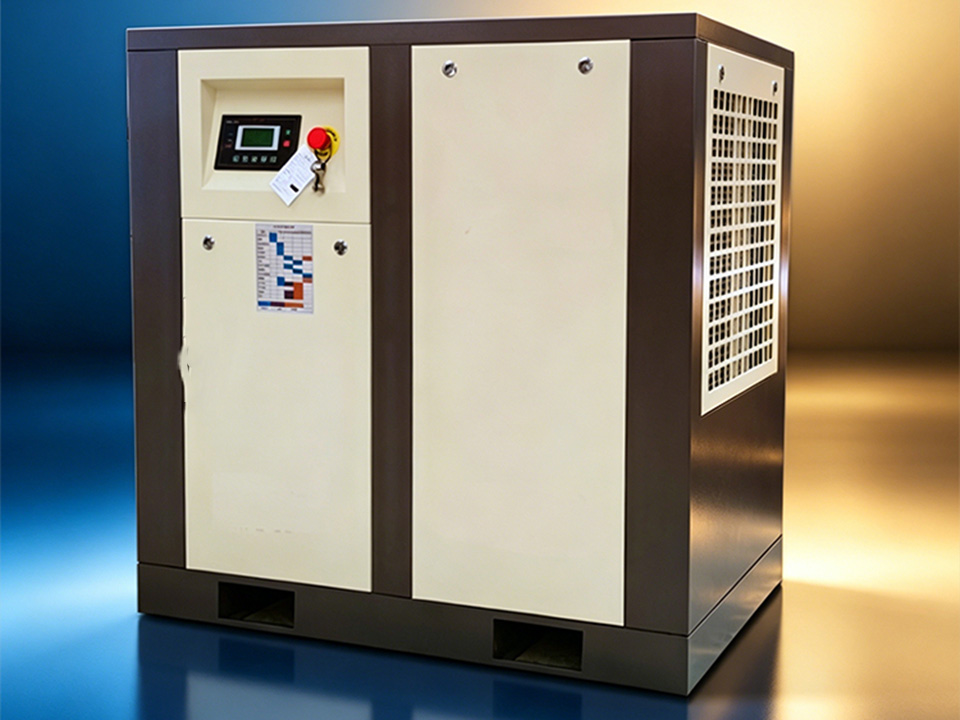
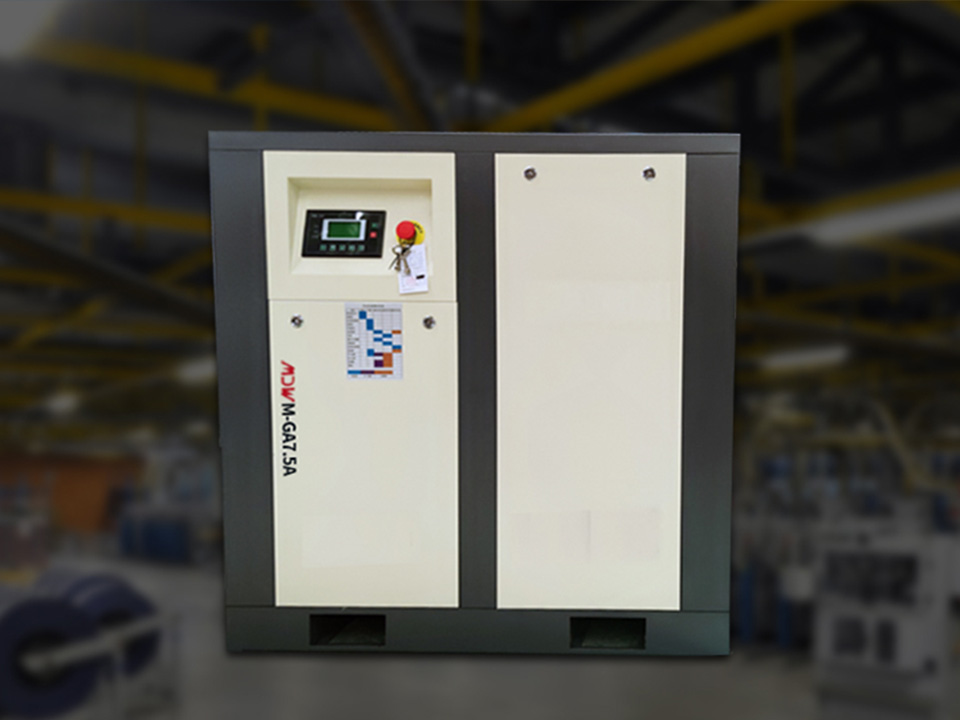
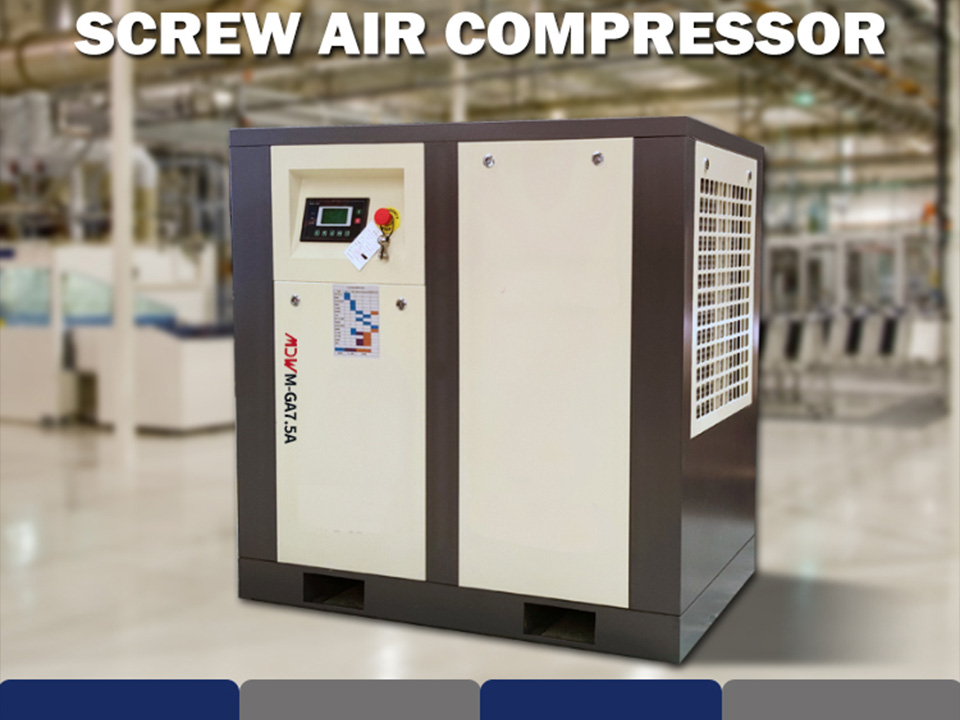
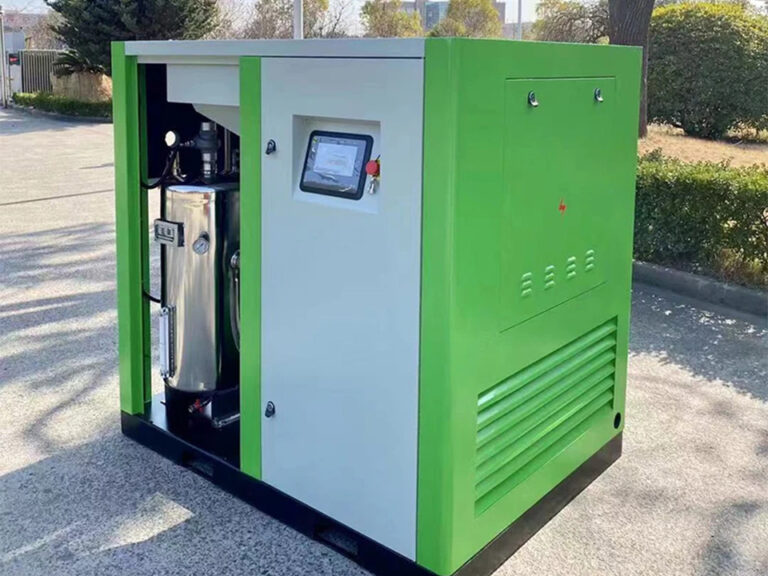
For a small shop, a clean single-machine setup like an 11kW direct-drive AC power electric screw air compressor may beat a messy two-unit setup simply because it’s easier to control, easier to drain, and easier for a non-specialist operator to understand. Less drama. Fewer excuses.
If one compressor unloads at 8 bar and the second unloads at 10 bar, you haven’t created a team. You’ve created a bully and a passenger. The higher-pressure machine does the heavy lifting. The lower-pressure machine may only join when the line pressure falls into its narrow little comfort zone.
That’s not load sharing.
That’s bad sequencing.
CAGI’s technical brief on system controls says the purpose of compressor control is to match compressed-air supply to demand, and it separates individual unit controls from higher-level controls that integrate multiple compressors, filters, dryers, drains, and other system components (cagi.org). That matters because two machines without coordinated controls can hunt, unload, reload, overshoot, and waste power while still failing to feed the tool properly.
Nasty little loop.
On a drilling site, pressure fluctuation isn’t a small inconvenience. For DTH work, weak air means poor cuttings removal, slow penetration, hammer misfire, and sometimes a stuck tool string. The compressor may look alive. The hole doesn’t care.
The Backflow Problem — Cheap Fittings, Expensive Lessons
One missing non-return valve can ruin the whole idea.
If two compressors discharge into one header, each unit needs a properly rated check valve on its outlet side. Otherwise, the stronger compressor can push air backward into the weaker or offline compressor. That reverse flow can stress separators, heat the discharge path, move oil where it doesn’t belong, and create control weirdness that technicians waste hours chasing.
I’m not being dramatic.
I’m being practical.
OSHA requires air receivers to have a visible pressure gauge and spring-loaded safety valves with enough relieving capacity to prevent pressure from exceeding maximum allowable working pressure by more than 10%; OSHA also states that no valve should be placed between the receiver and its safety valve (osha.gov). That tells you how seriously pressure storage should be treated.
So when I see a field manifold made from small elbows, no gauge at the common header, mystery fittings, no check valves, and an operator saying “it should be okay,” I already know the ending.
It won’t be okay. Not for long.
The Heat Problem Nobody Prices Into the Deal
Heat kills compressors slowly, then suddenly.
Two small compressors running flat-out beside each other can suck in their own hot discharge air, especially in a container room, shed, poorly ventilated equipment corner, or dusty African jobsite where doors stay half-closed to keep thieves and rain out. That setup reduces air density, raises discharge temperature, cooks oil, and makes the motor work harder for less useful output.
Beautiful on paper. Ugly in steel.
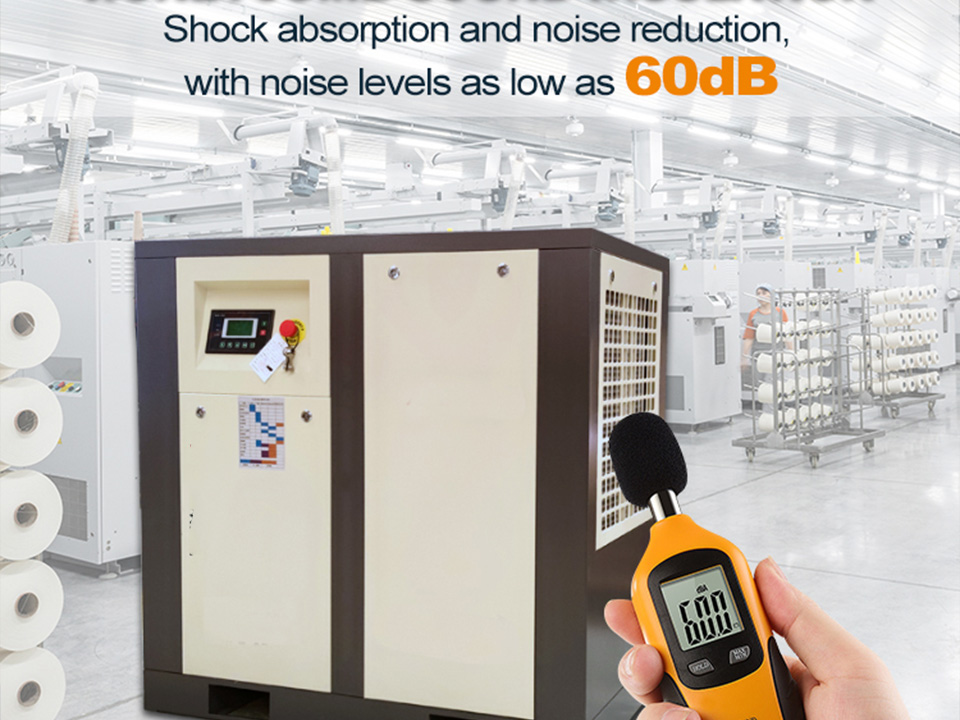
If the site only needs intermittent air, a smaller quiet unit such as a 15kW silent screw air compressor for AC and gas power setups might be fine. But don’t pretend two overheated small machines equal one properly selected heavy-duty air station.
They don’t.
A buyer may save money on the invoice and lose it in diesel, electricity, oil, downtime, fittings, emergency service, and that one dead afternoon when the hammer won’t clean the hole. From my experience, that’s where “cheap” equipment becomes expensive in a very boring, very predictable way.
When Parallel Air Compressors Actually Make Sense
Two compressors can work together when they’re close in pressure rating, each has a check valve, the shared receiver or header is rated for the highest system pressure, controls are sequenced correctly, and the pipe or hose diameter can carry total flow without large pressure drop. For temporary use, that usually means conservative pressure settings and constant monitoring.
There. That’s the sober version.
Not romantic. Useful.
Field Check
What I Want to See
Why It Matters
Pressure rating
Same or very close working pressure, such as 8 bar with 8 bar or 10 bar with 10 bar
Prevents one compressor from dominating or backfeeding the other
Check valves
One rated non-return valve on each compressor discharge
Stops reverse flow into the weaker/offline compressor
Receiver/storage
Rated air receiver with gauge, drain, and relief valve
Stabilizes pulses and reduces short cycling
Manifold size
Large enough header, not a pile of small quick couplers
Prevents pressure drop and heat buildup
Controls
Staged start/stop or load/unload sequence
Avoids both machines fighting the same pressure band
Air treatment
Moisture drain, oil separation, filters if tool requires clean air
Protects valves, hammers, regulators, and downstream equipment
Duty cycle
Both machines rated for continuous or near-continuous work
Prevents overheating and nuisance shutdowns
That table is not decoration.
It’s the difference between a workable temporary air setup and a pressure-drop circus.
If both compressors are rotary screw units with similar pressure bands, matched control settings, proper receiver capacity, and enough pipe diameter, fine. You can parallel them. If one is a piston compressor with a small tank and the other is a screw compressor feeding a high-demand tool, don’t act surprised when the piston machine gasps like an old truck on a mountain road.
And yes, sometimes a permanent-magnet unit such as a 22kW screw type permanent magnet air compressor is the cleaner choice—especially if the buyer wants stable supply, reduced wasted unloading time, and fewer moving parts in the argument.
Where This Plan Fails Fast: Drilling, Mining, and Long Hose Runs
Here’s a question most buyers don’t ask soon enough: where is the pressure being measured?
At the compressor outlet?
Nice. Almost useless.
The pressure that matters is at the tool, under load, after the hose, after the fittings, after the moisture separator, after the manifold, after the filter, after the bad quick coupler someone bought because it was “available.”
For DTH drilling, borehole cleaning, mining support, sandblasting, and high-CFM pneumatic tools, pressure drop is not a spreadsheet problem. It’s production loss. The hammer slows. The cuttings don’t clear. The compressor keeps burning power while the crew stands there pretending this is normal.
I don’t like that kind of normal.
CAGI notes that as compressor numbers exceed three, the need for a system controller becomes important for efficient system operation, and system controls should follow assessment by trained air-system professionals (cagi.org). Even with only two compressors, the logic still bites: multiple compressors need control discipline.
Not vibes.
Safety: The Part That Doesn’t Show Up in the Quotation
Compressed air is invisible stored violence.
Too harsh? Maybe. But I’d rather say it that way than watch someone use high-pressure air like a broom.
OSHA limits compressed air used for cleaning to less than 30 psi when used with proper chip guarding and PPE, and the rule exists because flying debris and uncontrolled air can injure workers fast (osha.gov). OSHA’s related guidance also explains that compressed air used for cleaning must be reduced below 30 psig and paired with protection against released air and flying debris (osha.gov).
Now connect that mindset back to two compressors.
If the crew doesn’t respect cleaning-air pressure, do you trust them to respect receiver rating, relief valve capacity, check-valve direction, condensate drainage, and maximum allowable working pressure?
I don’t.
Not without training.
A parallel setup adds more points of failure: two discharge lines, two oil systems, two coolers, two controllers, two emergency-stop routines, more hose joints, more condensate, more operators guessing which unit is “the main one.” That’s not automatically unsafe. But it is automatically more complicated.
And complicated systems punish casual operators.
A Better Rule: Size the Air Demand First, Then Buy Metal
The best compressor setup for high CFM applications starts with the demand point, not the machine catalog. Identify required CFM at working pressure, pressure drop across hose and filters, operating hours per day, temperature, altitude, air quality needs, and future expansion. Then decide whether one larger compressor or engineered parallel compressors make sense.
I know buyers hate that answer.
They want “15 kW or 22 kW?” They want price. They want a model. They want the WhatsApp quotation in five minutes. Fine—but if you skip the demand calculation, you’re guessing.
And guessing with compressed air is expensive.
Site Condition
Better Choice
Reason
Short temporary job, moderate air demand, similar compressors available
Parallel compressors may work
Low commitment, acceptable if protected and monitored
Continuous drilling, DTH hammer, long hose runs
One properly sized compressor
More stable pressure and fewer control conflicts
Factory air system with variable demand
Engineered multi-compressor system
Sequencing can reduce wasted unloaded runtime
Small workshop with intermittent tools
One smaller screw compressor plus storage
Simpler, cheaper, easier maintenance
Buyer has no trained technician
Avoid improvised parallel setup
Too much risk from wrong valves, gauges, and pressure settings
I’d rather lose a weak inquiry than sell the wrong air package.
That may sound too honest for export sales. Good. The buyers who last in this industry remember who warned them before the machine failed.
FAQs
Can you combine two air compressors for more CFM?
Yes, you can combine two air compressors for more CFM when both machines have compatible pressure ratings, proper check valves, a rated receiver or common header, enough pipe diameter, and coordinated control settings. The setup must behave like one air system, not two machines fighting through the same hose.
In the real world, don’t expect perfect nameplate addition. Two 100 CFM compressors won’t always deliver a clean 200 CFM at the tool. Hose loss, heat, fittings, filters, air leaks, unloading behavior, and receiver size all steal performance before the air reaches the work face.
Will two compressors double my airflow?
Two compressors may almost double airflow only when both units share the same pressure range, run under stable control logic, and feed a properly sized manifold or receiver. If one compressor unloads early or the common line is undersized, the second machine may add very little useful flow.
That’s why I don’t trust outlet gauges alone. Measure pressure under load at the tool. A compressor outlet might show acceptable pressure while the far end of the hose is starving, especially in DTH drilling, sandblasting, and long-distance construction air lines.
Do I need a check valve when connecting two air compressors together?
Yes, each compressor should have a properly rated check valve on its discharge side before it enters the common manifold or receiver. That valve helps stop reverse flow from one compressor into the other during shutdown, pressure imbalance, unloading, or sudden demand changes.
Skipping check valves is one of those small mistakes that feels harmless until it isn’t. Reverse flow can create heat, oil movement, false pressure readings, hard starts, separator stress, and weird control symptoms that make technicians blame the wrong part.
Is one larger compressor better than two smaller compressors?
One larger compressor is usually better for continuous high-demand work because it gives steadier pressure, simpler controls, cleaner maintenance, and fewer leak points. Two smaller compressors can work for temporary or variable demand, but only when the parallel system is engineered instead of improvised.
For DTH drilling, mining support, and long-duty pneumatic work, I lean toward one correctly sized screw compressor. For factory demand that rises and falls across shifts, multiple compressors can make sense—but only with proper sequencing, receiver storage, and air-system management.
What is the safest air compressor manifold setup?
The safest air compressor manifold setup uses rated pipe or hose, one check valve per compressor, isolation valves, visible pressure gauges, a rated receiver, relief protection, condensate drainage, and enough internal diameter to handle total flow without major pressure drop. It should be designed around the highest system pressure.
Don’t build a high-CFM manifold from small quick couplers and hope. Those fittings choke flow, heat the discharge path, and create pressure loss. A good header looks boring because it’s supposed to: large enough, rated, drained, protected, and easy to inspect.
Your Next Steps: Don’t Sell “More CFM” Until You Know the Load
So here’s my blunt advice.
Before telling a customer they can combine two compressors, ask for the tool model, required CFM, working pressure, hose length, site altitude, ambient temperature, running hours per day, receiver size, and whether the load is continuous or intermittent.