المدونة
الأداء والاختيار
القضايا والامتثال والتصدير
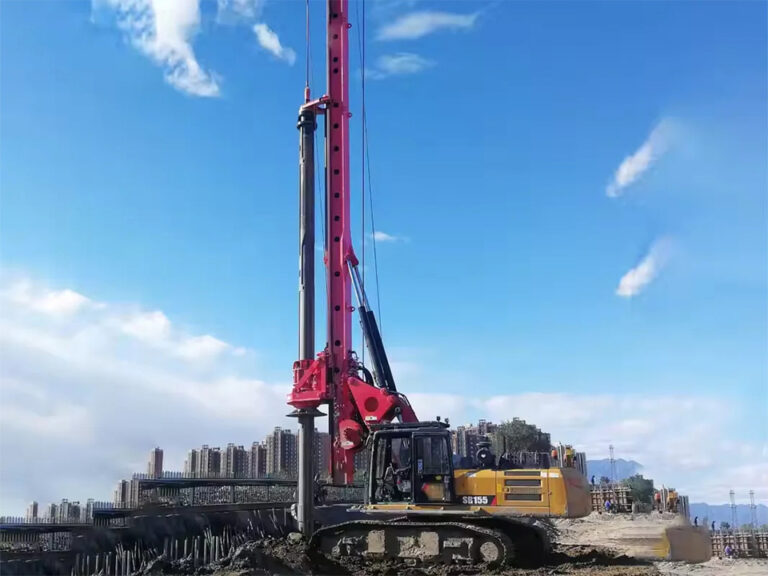
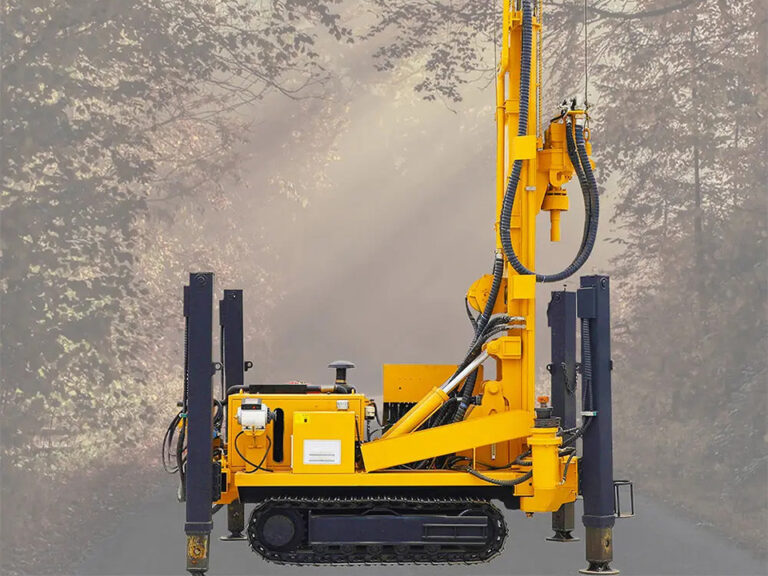
Best Rig Configuration for Hard Rock Borehole Programs

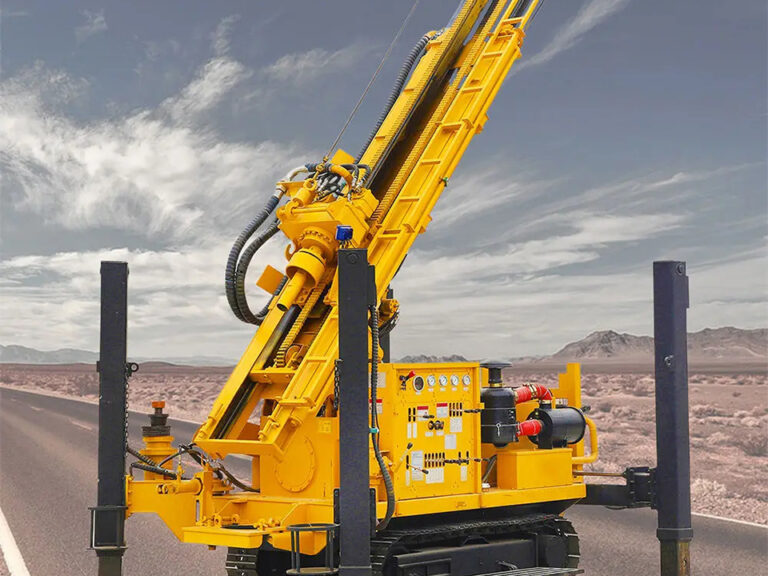
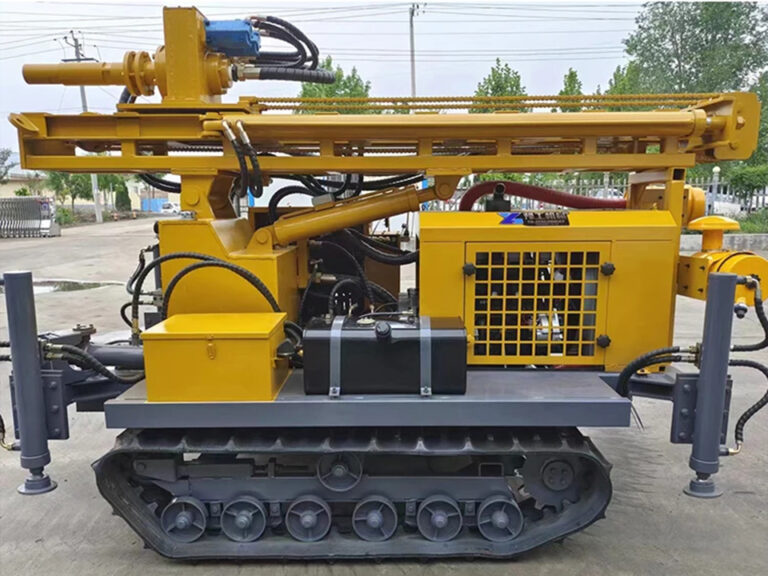
Hard rock borehole drilling is not won by buying the biggest rig on paper. It is won by matching torque, feed force, hammer size, air volume, compressor pressure, rod handling, and geology before the first meter is drilled.
Rig Stability and Outrigger Design for Safer Field Operations

A hard look at drilling rig stability, hydraulic outriggers, ground contact, setup discipline, and the structural design choices that separate a field-ready drilling rig from a machine that only looks strong in a catalog.
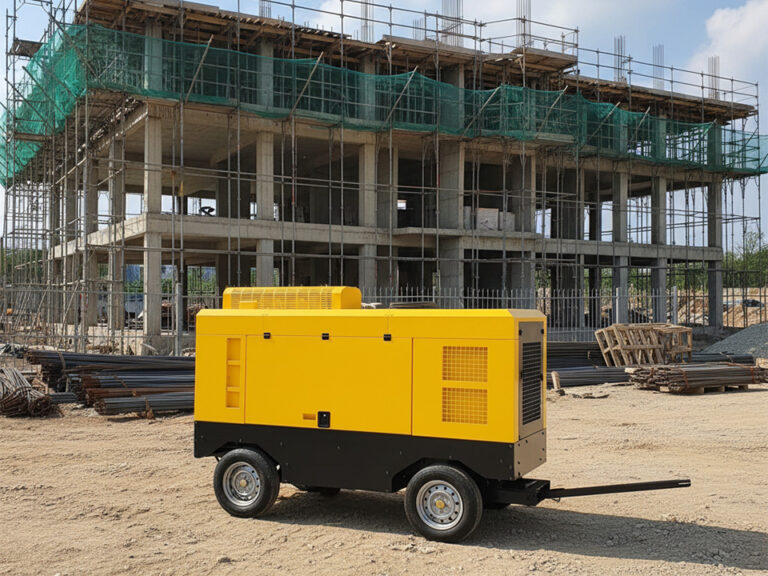
Why Undersized Compressors Damage DTH Hammers and Drill Bits

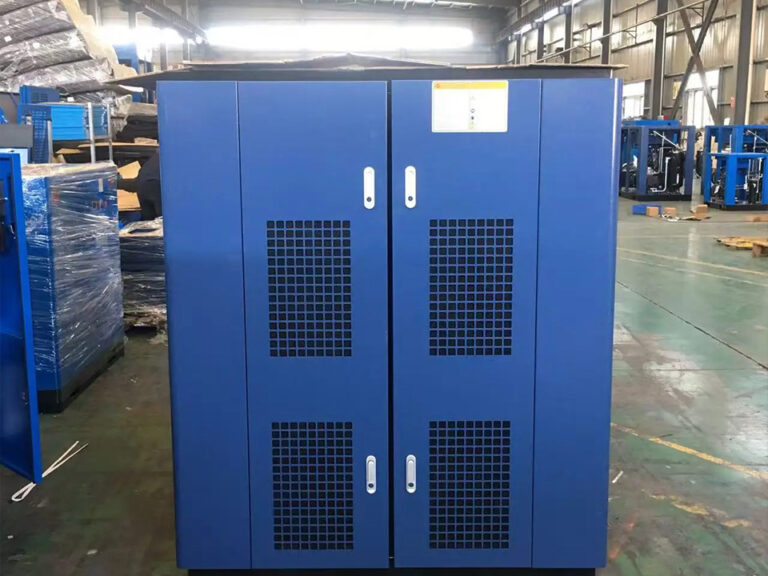
A field-level breakdown of why a weak DTH drilling compressor doesn’t merely slow drilling. It changes hammer behavior, ruins bit economics, overloads crews, and quietly converts “saving money” into avoidable lifecycle loss.
The Risks of Parallel Compressors on DTH Water Well Sites

Two compressors tied together are not automatically one bigger DTH drilling compressor. This article breaks down why parallel compressors create risk on water well sites, where the failure points hide, and when a properly sized single compressor is the safer commercial decision.
How to Evaluate Warranty Terms from Overseas Equipment OEMs

Meta Description: Learn how to evaluate OEM warranty terms from overseas equipment suppliers by checking exclusions, response time, spare parts support, claim process, and hidden downtime risk.
Excerpt: A sharp buyer’s guide to overseas equipment warranty terms, showing how weak exclusions, slow response, vague parts support, and “factory-only” claims can turn a cheap machine quote into expensive downtime.
Tags: OEM warranty terms, overseas equipment warranty, international equipment warranty, equipment warranty exclusions, OEM parts support, warranty response time, after-sales service for imported equipment, equipment procurement, drilling equipment warranty

Payment Terms for Large Rig Orders: TT, LC, or Escrow

Large rig orders fail less often because of machine specs and more often because payment terms are misunderstood. This article compares TT, LC, and escrow using risk, speed, cost, banking burden, and real fraud exposure.
Case Study: Upgrading to 380 CFM and the Output Improvement

A 380 CFM compressor does not magically make every water well project profitable. But when the old air system is starving the hammer, the upgrade can change drilling speed, hole cleaning, and daily output economics fast.
Case Study: When a 185-CFM Compressor Became the Bottleneck

A 185 CFM air compressor can look useful on paper, but in larger DTH drilling programs it often becomes the weakest link. This case study breaks down airflow, pressure, hole cleaning, lost time, and why stretching a small compressor can cost more than buying the right machine.
Mast Height, Rod Handling, and Pipe Capacity: What Matters

A hard-nosed buyer’s guide to drilling rig mast height, rod handling, pipe capacity, and the hidden productivity losses buried inside weak rig specifications.
How to Choose Rig Mobility for Rural, Urban, and Mining Sites

Rig mobility is not about picking the biggest machine. It is about whether the drilling rig can legally, safely, and profitably reach the site, work there, and leave without turning transport into a hidden cost center.
Can You Combine Two Compressors for More CFM on One Site

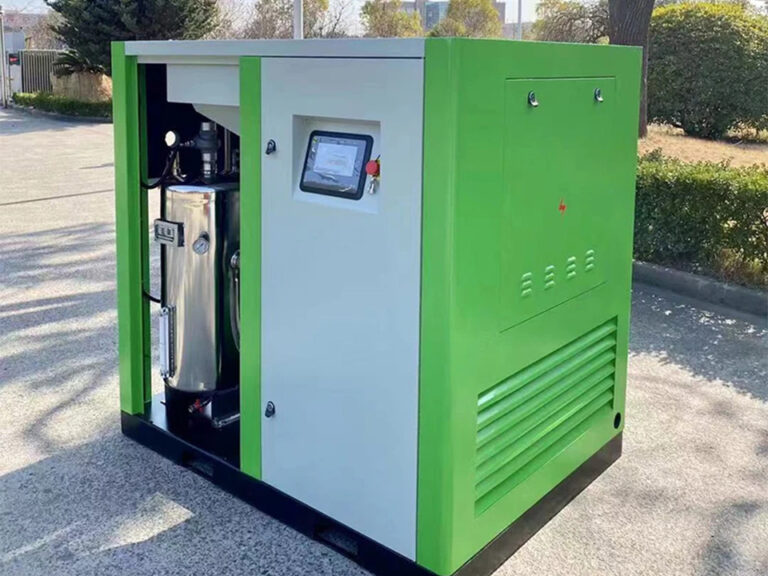
Combining two air compressors looks simple on paper. In the field, mismatched pressure, poor manifolds, weak controls, heat, oil carryover, and unstable duty cycles can turn “more CFM” into lost pressure, damaged equipment, and ugly downtime.
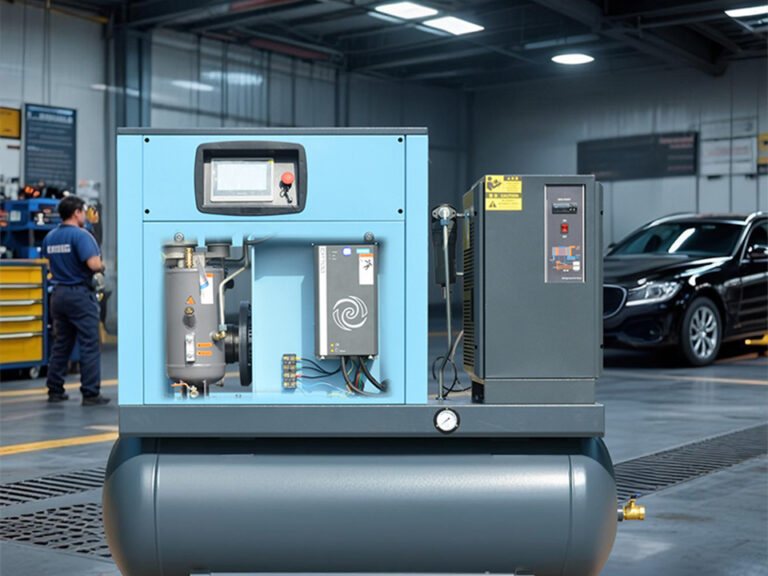
How Moisture and Condensate Reduce DTH Drilling Efficiency

Moisture in a DTH air system is not a small maintenance nuisance. It changes piston energy, airflow behavior, bit cleaning, corrosion risk, fuel use, and real drilling cost.