المدونة
الأداء والاختيار
القضايا والامتثال والتصدير
How to Prevent Alibaba Fraud in Drill Equipment Purchasing

Drill equipment fraud on Alibaba usually starts before payment: fake manufacturers, switched bank accounts, copied certificates, vague quotations, and “too cheap” rig packages. Here is a hard, field-tested way to verify suppliers before money leaves your account.
Third-Party Inspection Checklists for Offshore Rig Procurement

A third-party inspection is not a photo report. For offshore rig procurement, it is a commercial weapon: it protects payment terms, verifies build quality, exposes weak suppliers, and turns vague promises into signed evidence before the machine leaves the yard.
How Fuel Cost per Meter Changes Across Real Drilling Projects

Cheap drilling packages often look good on paper and ugly in the fuel log. This field-style guide explains how drilling rig fuel consumption changes across real projects, why meters per hour matter more than engine size, and how buyers can calculate water well drilling cost per meter before committing money.
Rig and Compressor Pairing Lessons from First-Time Fleet Buyers

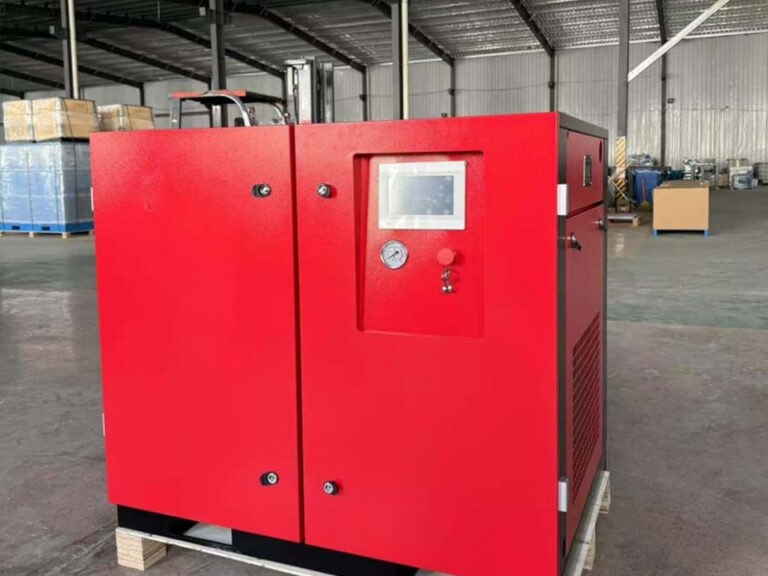
Most new drilling businesses don’t fail because they bought a “bad” rig. They fail because the rig, hammer, bore diameter, depth target, geology, and compressor were never treated as one working system.
Labor Cost per Meter: Crew Benchmarks for Rig Buyers

Rig buyers often compare drilling depth, engine power, and purchase price. That is too shallow. This guide shows how labor cost per meter changes when crew size, setup time, mud work, and real field output are included.
How Many Crew Members Does a Water Well Rig Really Need

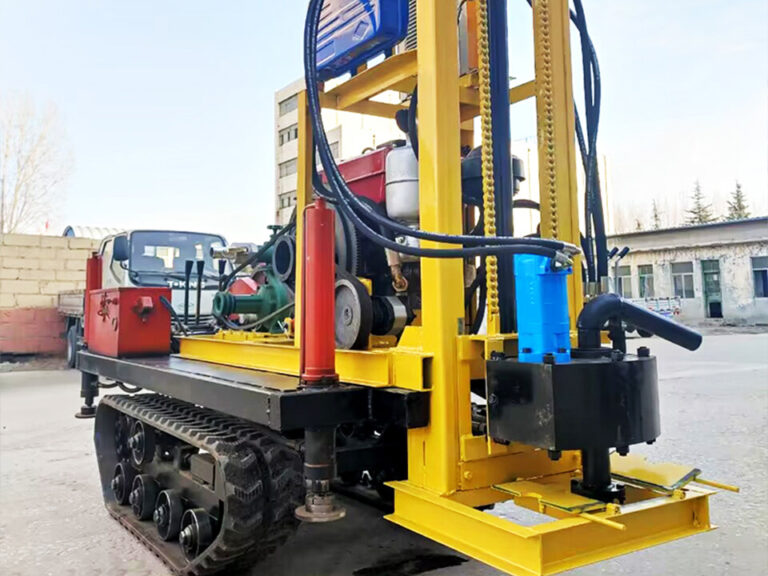
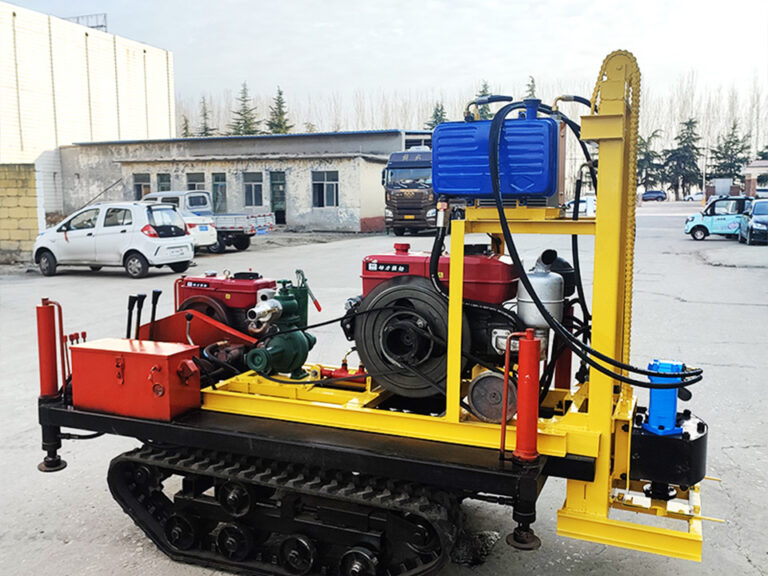
Most water well rigs don’t need a big crew. They need the right crew. This article breaks down the real manpower math behind 150–200m portable rigs, manual rod handling, automatic rod handling, mud support, casing work, and the payroll mistakes buyers quietly make.
How Altitude and Temperature Change Compressor Performance

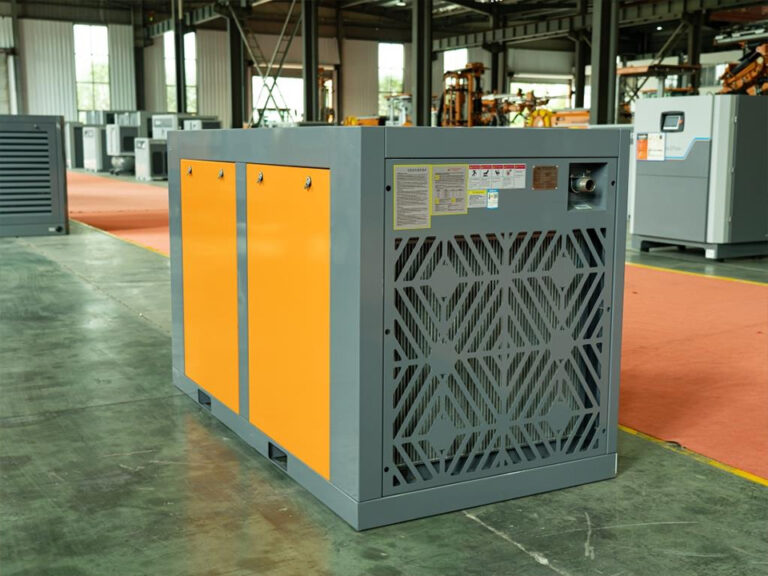
Brochure CFM is not jobsite CFM. Heat, altitude, inlet density, cooling margin, engine derating, and SCFM/ACFM confusion can quietly ruin compressor sizing for water well drilling rigs.
Truck-Mounted Rig and Compressor Integration: Key Load Checks

A truck mounted drilling rig can look strong in a brochure and still fail in the field if the compressor, chassis, mast, fuel tank, and service layout are not checked as one working system.
Container Loading Plans That Reduce Damage and Handling Risk

Most heavy equipment shipment failures do not start at sea. They start on the factory floor, when someone says, “just load it.” This guide shows how a serious container loading plan protects drilling rigs, rock drills, compressors, and export machinery from damage, port delays, and expensive unloading surprises.
Export Packaging Standards for Rigs, Hammers, and Compressors

Bad export packaging does not fail in the factory. It fails at the port, inside a wet container, under a forklift blade, or during customs inspection.
What Dealers Learn from Field Trials Before Launching New Rigs

Field trials are where new drilling rigs stop being brochures and start becoming machines. Dealers who test before launch protect margins, spare parts planning, training quality, and buyer trust.
Case Study: NGO Well Drilling Where Logistics Drove Equipment

In NGO borehole drilling, the “best rig” is often not the deepest or most powerful machine. It is the one that can reach the village, survive weak service access, and be operated by local crews after the donor photo is finished.