“The Drilling Rig gave us a true one-stop solution. Their team matched the right rig, compressor, and drilling tools for our project, and the engineering support stayed fast and professional from quote to delivery.”
Component Compliance: Valves, Regulators, and Electrical Parts
Parts kill deals. A machine can look export-ready on paper, ship with a polished declaration packet, and still get blocked, reworked, recalled, or quietly rejected by a serious buyer because one regulator, one valve body, one TCU, or one power module does not match the claimed standard, the approved bill of materials, or the market’s certification logic. Want the ugly truth?
Table of Contents
I’ll say it plainly: most OEMs don’t lose exportability because they forgot the big certificate. They lose it because they treated subcomponents as purchasing items instead of compliance objects.
The machine is only as compliant as its weakest bought-in part
I’ve seen this pattern too many times in industrial supply chains. The sales file says “compliant.” The production file says “equivalent part used.” The buyer asks for the valve certificate, the regulator rating, the enclosure ingress claim, the flame class of the cable, or the certification mark file number. Then the room goes quiet.
That is the whole issue with component compliance. End-product claims are built on subcomponent evidence, not wishful thinking. OSHA’s NRTL program states that recognized testing laboratories certify certain products to applicable product safety test standards and authorize certification marks only after that evaluation; the mark is supposed to signal conformance to those standards, not marketing comfort. UL Solutions’ component certification guidance makes the same point from the supply-chain side: the UL Recognized Component Mark indicates North American compliance, and UL says monitored compliance continues throughout production. That last part matters more than many sourcing teams admit. A certificate from last year does not bless a silent supplier change this year.
And no, “similar spec” is not a compliance strategy.
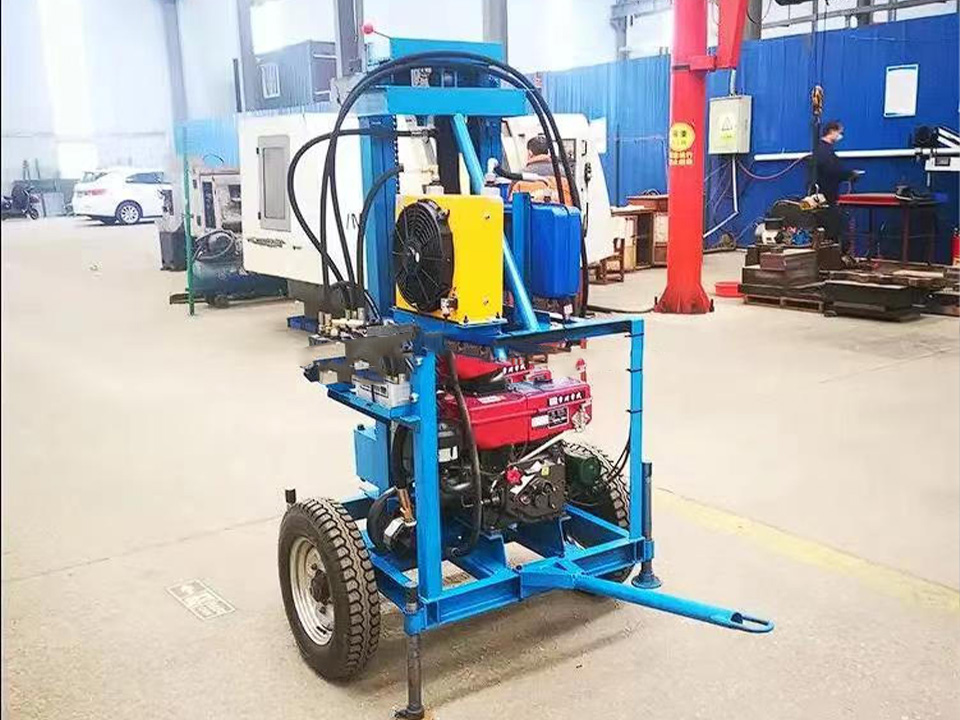
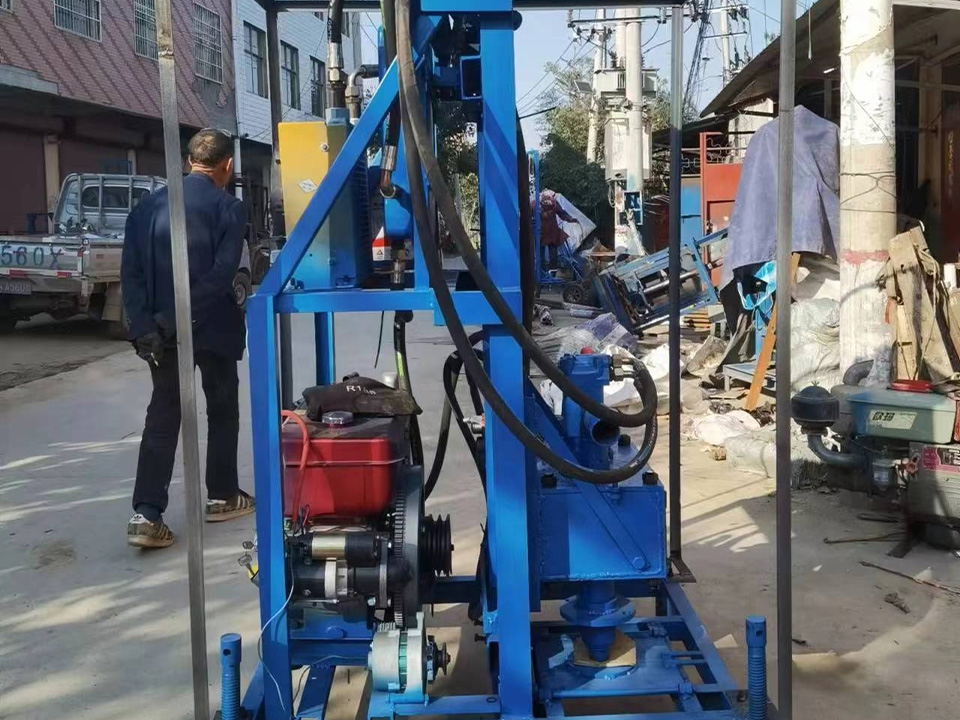
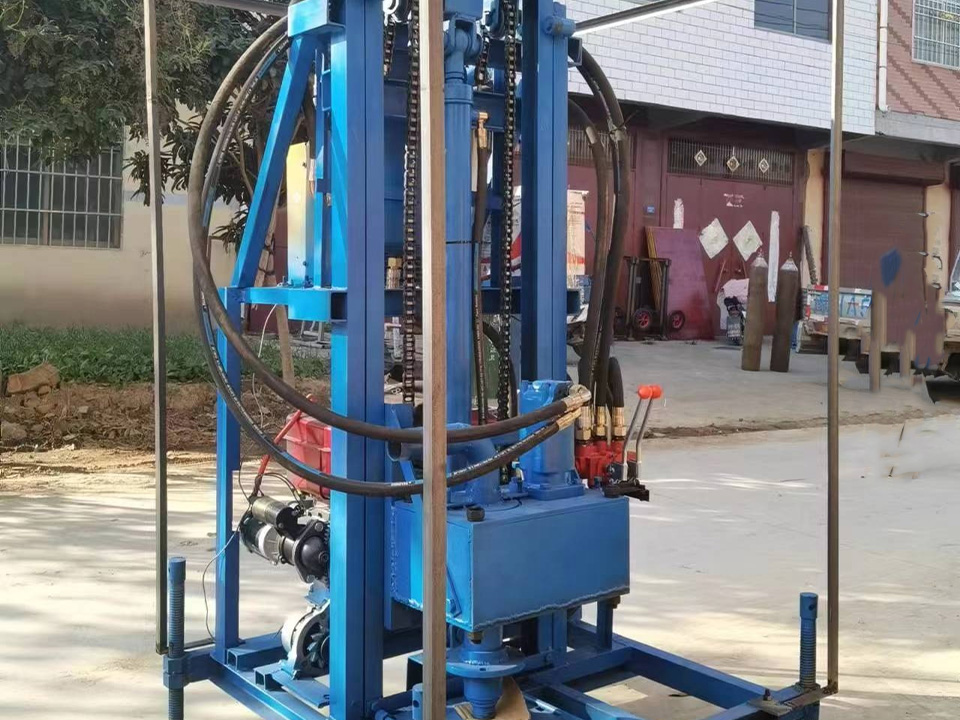
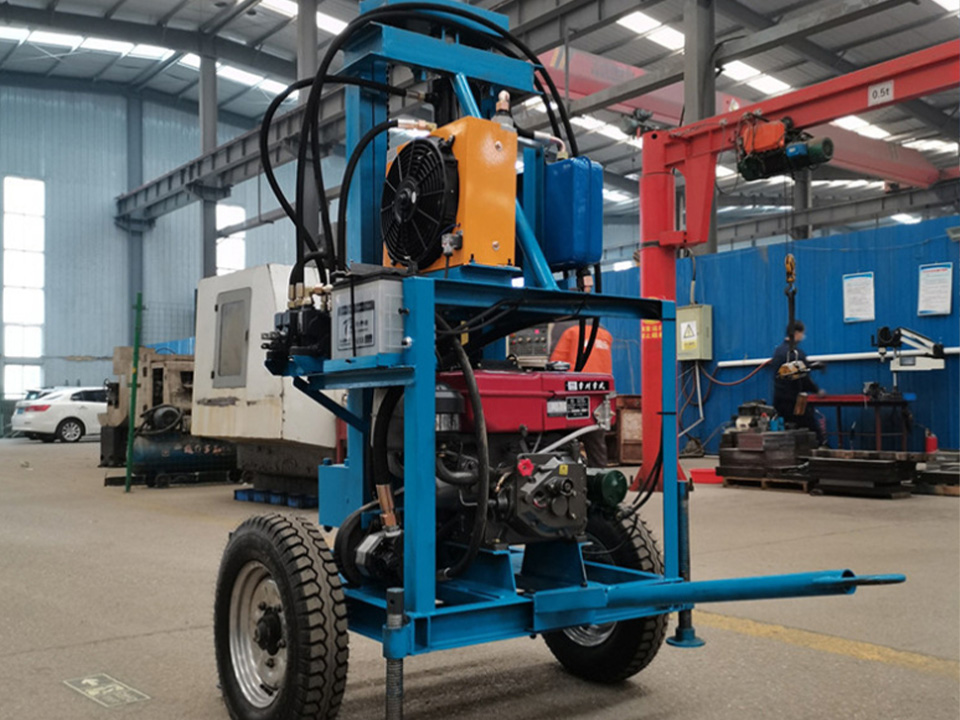
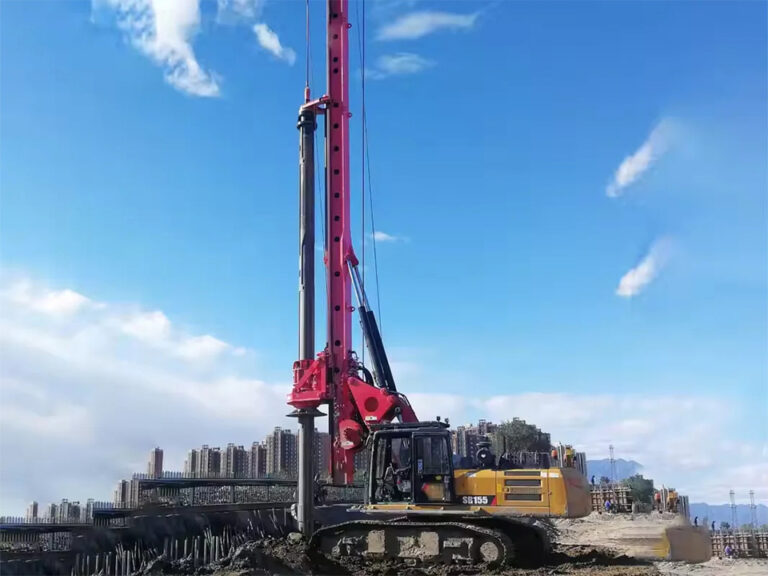
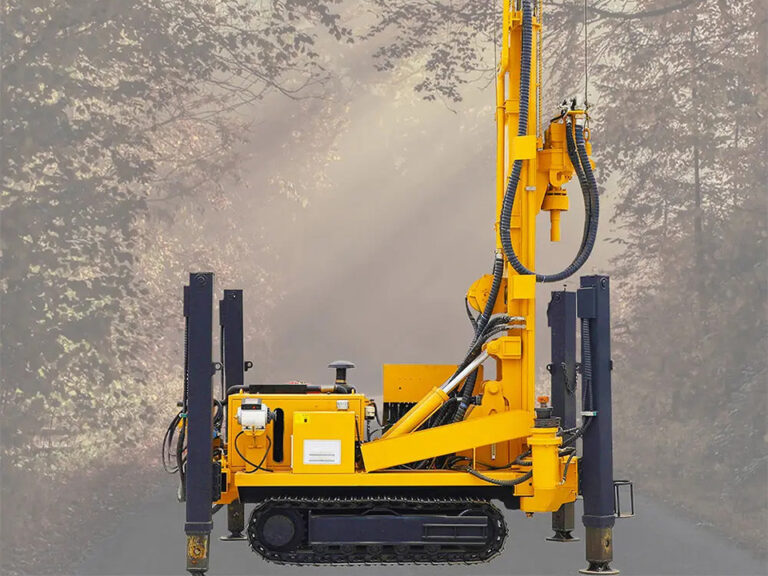
For buyers in drilling and mining equipment, this gets nasty fast. A crawler rig might ship with an acceptable frame, a decent diesel package, and perfectly ordinary hydraulics, yet still create trouble because the pressure regulation path, the electrical control cabinet, or the embedded control module lacks the right approvals, traceability, or conditions of acceptability. That is why I’d rather trust a boring, well-documented platform than a flashy brochure. If you’re reviewing heavy equipment such as a crawler-mounted mining drilling rig with gearbox, motor, and engine integration, a quarry drilling rig built around the Kaishan KT25 platform, or a portable DTH drill rig with integrated screw compressor architecture, the compliance review should go below the brochure headline and into the bought-in parts list.
Where serious failures actually happen
Regulators fail quietly, then publicly
A lot of compliance failures do not begin with an explosion or a court filing. They begin with a mismatch: thread interface, sealing geometry, pressure rating, gas family, hose assembly, approval basis, or installation condition.
Look at the CPSC’s February 29, 2024 Camplux recall. About 42,000 portable tankless water heaters were recalled because gas could leak from the gas regulator connection; CPSC said Camplux had received 19 reports of fire incidents. That is not abstract compliance theory. That is subcomponent failure becoming market failure. And it is exactly why pressure regulator compliance should never be reduced to “supplier says okay.”
Electrical parts fail in the gaps between certifications
This is where people fool themselves. They see a mark on a relay, a power supply, a cable, or a control board and assume the whole assembly is covered. But UL Solutions explains that a UL Recognized Component Mark is for components used within a larger certified end product, while the compliance story still depends on how that component is integrated and whether production remains aligned with the evaluated design. In other words, a recognized part is not a magic shield. It is evidence with conditions attached.
That distinction is one of the most abused blind spots in OEM sales. I’ve watched private-label projects drift into danger because the factory changed a switch, fan, contactor, PCB, or harness after prototype approval, then kept shipping under the old paperwork set. Buyers usually discover this late—during FAT, customs review, third-party inspection, or after a customer site flags the mark mismatch.
Valves and control units create chain-reaction risk
You want a blunt case study? In June 2024, FCA US filed NHTSA Recall 24V-413, covering 214 Ram vehicles with an insufficient weld between the Transmission Control Unit cover and baseplate; NHTSA’s filing says transmission fluid could leak onto critical electrical components, causing loss of transmission control. The remedy: replace the Valve Body and Control Unit. Small defect. Big system consequence.
And the pattern repeats outside that filing. Reuters reported on February 22, 2024 that BMW of North America recalled 79,670 vehicles in the United States over likely issues with its integrated brake system. Different product class, same hard truth: system-level safety claims collapse when the control chain underneath them is weak.
What the 2024 data says, if you bother to read it
Compliance managers love saying “we’ve never had an issue.” I don’t trust that sentence. I trust incident data.
The EU’s 2024 Safety Gate report recorded 4,137 alerts, the highest annual total in the system’s history, and the category electrical appliances and equipment represented 5% of the total. That does not mean every industrial machine is in trouble. It means regulators are still finding a lot of bad product on the market, and electrical risk remains a live enforcement topic, not a solved one.
Here is the practical takeaway: if your export file treats valves, regulators, terminal blocks, contactors, power supplies, cable assemblies, and control modules as “supporting parts,” you are already behind.
The audit stack buyers should demand before shipment
I don’t believe in romantic compliance. I believe in document stacks, sample pulls, and ugly questions.
A serious pre-shipment component compliance matrix
Component class
What to verify
Why buyers get burned
Minimum evidence I’d ask for
Valves
Media compatibility, pressure range, material, thread standard, seat/seal spec
Wrong valve variant gets substituted late
Datasheet, part number traceability, supplier CoC, rated-use evidence
Regulators
Inlet/outlet pressure, gas/fluid type, connection interface, leakage and installation conditions
“Equivalent” regulator is used without approval continuity
Approval file, test report, installation instructions, revision-controlled BOM
Temperature class, flame class, conductor spec, routing
Cheap cable swap breaks the compliance chain
Material declaration, flame rating evidence, harness drawing, lot traceability
That table is not bureaucratic decoration. It is a money-saving filter.
And for export-heavy industrial equipment, I would add three more checks that too many teams skip:
1. Match the certification to the market, not the factory’s habits
A component acceptable for one market can still be wrong for another. UL Solutions’ program details separate North American recognition from European and global pathways such as D Mark and IECEE CCP. That means “we have a certificate” is not enough; the question is whether you have the right certificate logic for the destination market.
2. Verify ongoing production control, not just first-sample approval
This one hurts. Buyers approve a pilot machine, then six months later receive production units with different relays, different power supplies, different regulator suppliers, different PCB revisions. UL explicitly notes monitored compliance throughout production, which tells you something important: the compliance claim is tied to manufacturing control, not merely to a historical lab event.
3. Treat private-label branding as a risk multiplier
Private-label buyers love margin. Fair enough. But private-label projects create more naming layers, more labeling layers, more paperwork layers, and more opportunities for the subcomponent trail to get blurry. If you’re branding a portable crawler drill rig for underground or open-pit quarrying, you need the BOM discipline of a regulator—not the optimism of a trader.
How to verify component compliance before shipment without wasting two weeks
Do this in order. Not randomly.
Freeze the BOM by compliance-critical part number
Not by generic description. Not by “same function.” By exact part number, exact revision, exact supplier plant if needed.
Pull the marks back to source
For electrical component compliance, I want the certification number, issuing body, scope, standard basis, and any conditions of acceptability. If a supplier cannot show that in a clean file, I assume the risk is mine.
Cross-check the component’s approved use against your actual machine
This is where many files die. The part may be real. The mark may be real. The application may still be wrong.
Review supplier change history
Ask the rude questions: When was the valve source changed? Was the regulator thread changed from NPT to BSP? Was the PCB vendor switched after cost pressure? Was the enclosure fan replaced because of lead time? Silence here is a bad sign.
Sample the physical machine
Paper lies less than people, but it still lies. Open the cabinet. Read the labels. Inspect the regulator body. Verify the control unit revision. Compare it to the approved file.
FAQs
What is component compliance in machinery exports?
Component compliance is the documented proof that each safety-relevant subcomponent in a machine—such as a valve, regulator, relay, power supply, cable assembly, or control module—meets the applicable legal, certification, and technical requirements for the destination market and for the way it is actually used in the final machine. In practice, it means the machine’s exportability stands on the evidence behind each compliance-critical part, not just the machine-level declaration.
What is the difference between a UL Recognized component and a fully certified end product?
A UL Recognized component is a part evaluated for use inside a larger product, while a fully certified end product is the finished assembly assessed as a complete market-ready unit under the applicable standard and marking scheme. The short version is that a recognized relay, board, or power supply does not automatically make the entire machine compliant; the final assembly, installation conditions, and ongoing production controls still matter.
How do OEMs verify component compliance before shipment?
OEMs verify component compliance before shipment by freezing the BOM, collecting certification files, checking mark validity and scope, reviewing conditions of acceptability, confirming supplier revision history, and physically inspecting the installed parts against the approved documentation set. The best way is brutally simple: tie every valve, regulator, and electrical part on the shipped machine to an exact document trail—part number, revision, certificate scope, supplier source, and installed-use verification.
Why do private-label buyers face higher subcomponent compliance risk?
Private-label buyers face higher subcomponent compliance risk because branding separation often weakens visibility into the original manufacturer’s supplier changes, certification limits, labeling controls, and revision history for bought-in parts. They are buying one layer further away from the truth. When the nameplate changes but the compliance file does not fully follow the subcomponent chain, the buyer inherits the risk without controlling the source.
What are the biggest red flags in valve compliance requirements and pressure regulator compliance?
The biggest red flags are vague part descriptions, missing certificate scope, no destination-market mapping, undocumented supplier substitutions, unclear installation limits, and any claim that a “similar model” can replace the approved valve or regulator without re-evaluation. If the regulator’s connection, pressure band, gas/fluid compatibility, or approval basis is fuzzy, stop the shipment. That is how small parts create big recalls.
Your next move if you actually want exportable machines
Here’s my hard opinion: if your compliance process begins at the machine certificate, you started too late.
Start at the valve. Start at the regulator. Start at the electrical parts list. Build a compliance-critical BOM. Mark every part that can break market access, safety claims, or buyer acceptance. Then audit those parts like they are the product—because, in a legal sense, they often are.