“The Drilling Rig gave us a true one-stop solution. Their team matched the right rig, compressor, and drilling tools for our project, and the engineering support stayed fast and professional from quote to delivery.”
How to Validate a Declaration of Conformity Before Importing
Three pages. Big risk.
I’ve seen importers stare at a polished Declaration of Conformity, see a CE mark, see a signature, and relax far too early, even though the DoC is only a legal statement by the responsible economic operator and not a regulator-issued certificate, test report, or customs shield. That gap matters. A lot. Because when the machine turns out to be wrong, the paperwork usually doesn’t save you — it becomes Exhibit A.
Table of Contents
Here’s the ugly truth: most bad DoCs don’t look fake. They look tidy.
Why buyers get trapped by “clean” paperwork
A Declaration of Conformity is a mandatory legal declaration stating that the product complies with the applicable rules, and the manufacturer or authorised representative signing it takes responsibility for that statement. Sounds solid. It isn’t always. The document proves that somebody made a claim. It does not prove the claim is well-supported, current, or tied to the exact machine you’re importing.
And timing muddies everything. Machinery placed on the EU market before 20 January 2027 still sits in the transition window between the current framework and the newer Machinery Regulation, which is exactly where suppliers start recycling templates, mixing legal references, and pretending one compliance pack fits every variant. I frankly believe this is where a lot of buyers get played — not by obvious fraud, but by lazy paperwork discipline.
In Great Britain, the compliance picture has its own quirks. UK government materials say continued recognition of CE-marked goods across covered regulations is estimated to save businesses around £64 million per year, which is convenient, but convenience has a nasty side effect: people stop checking details because the paperwork “looks familiar.” Bad habit. Expensive habit.
A declaration of conformity is not proof
Let’s strip this down. Fast.
The EU guidance is pretty direct about what belongs on a DoC: the manufacturer’s name and full address, product identification, the legislation involved, standards used, traceability details, signatory details, date, and — where relevant — notified body information. If those basics are vague, generic, or copied across multiple models, I assume the technical file behind the document is shaky until proven otherwise.
And translation gets overlooked all the time. The EU says the declaration must be translated into the language or languages required by the country where the product is sold, and it must be available to market-surveillance authorities on request. That isn’t admin fluff. It’s market-access plumbing.
What should be on a declaration of conformity — the non-negotiables
Item to verify
What a solid document looks like
What usually signals trouble
Manufacturer identity
Full legal entity name and complete postal address
Trading name only, no legal entity, no address
Product identification
Exact model, serial range, or type reference matching the machine plate
Broad family name, no serial logic, mismatch with nameplate
I don’t start with the PDF. I start with contradictions.
1) Match the DoC to the machine plate, not the brochure
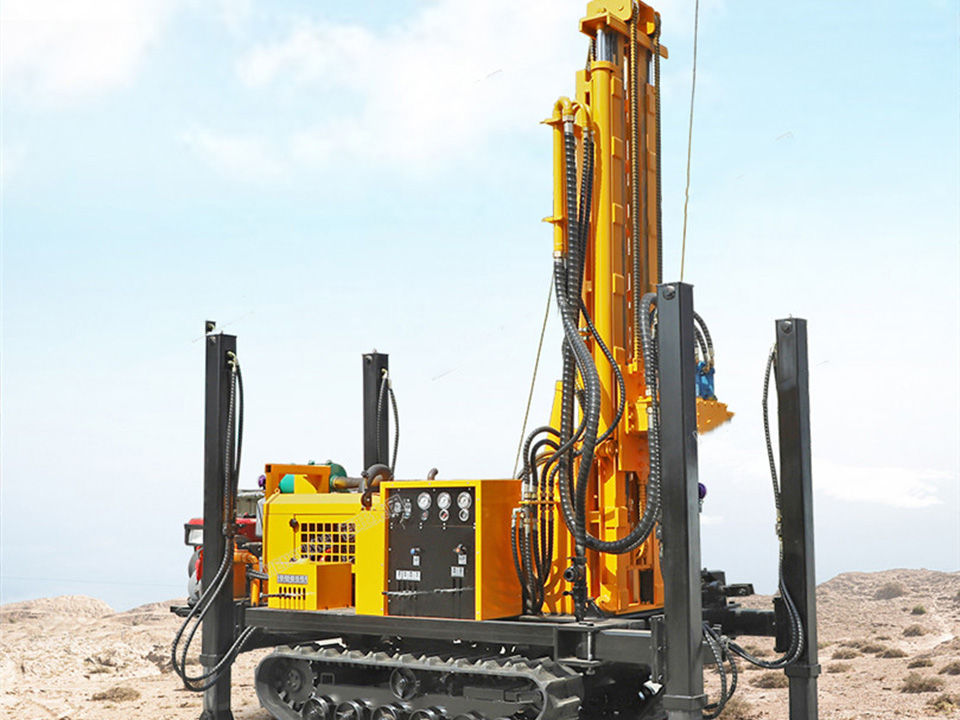
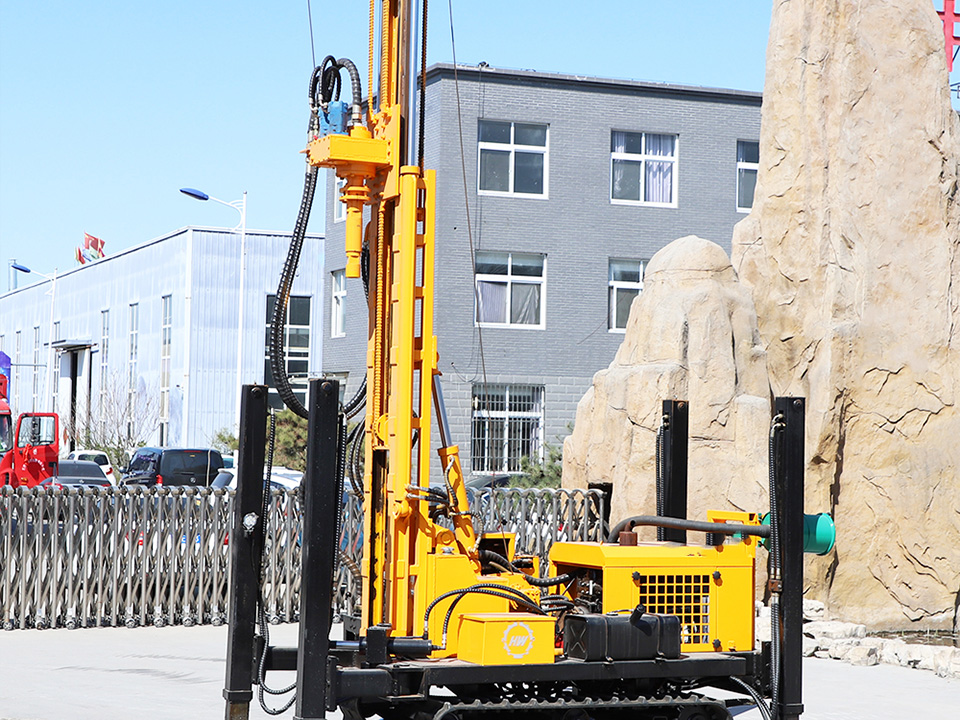
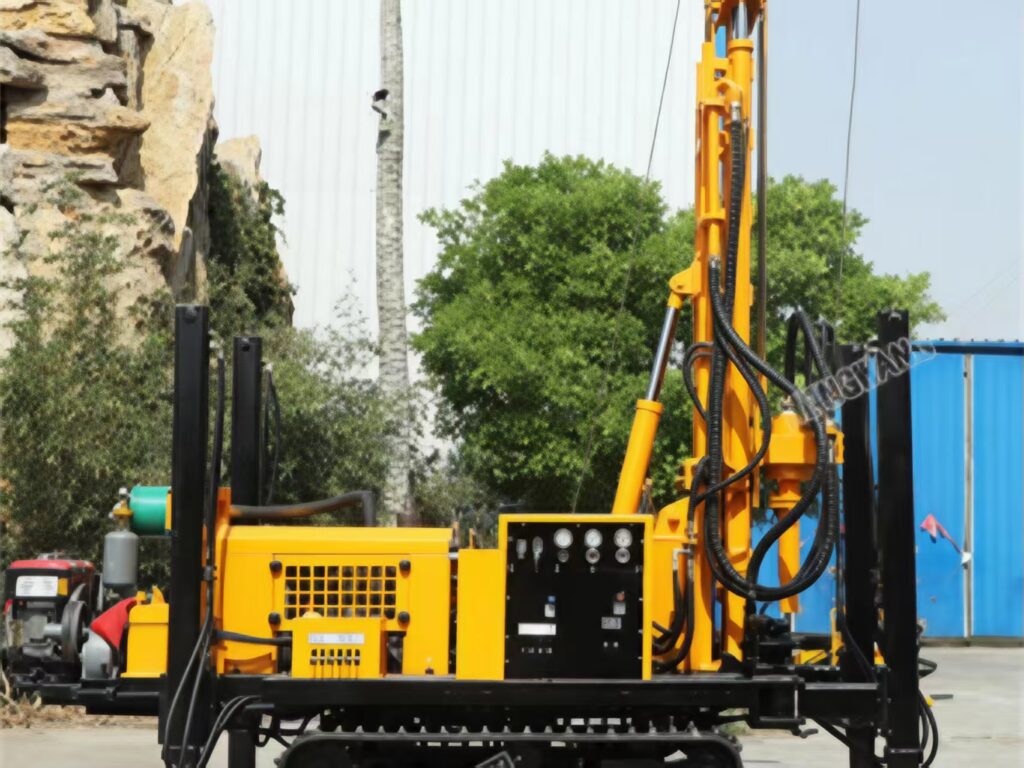
If the document says “crawler drilling rig,” but the nameplate says KG410H and the paperwork covers KG410 or some mushy family reference, that’s already a red flag. On drilling equipment, suffixes matter. Feed systems matter. Engine packs matter. Hole diameter range matters. One small variant change can affect guarding, stability, vibration, and the actual conformity basis.
2) Check whether the legal references fit the destination market
For EU placement, the DoC has to cite the correct EU legislation and the right conformity path. For Great Britain, government guidance says businesses must follow the applicable UKCA or CE rules for the product category. So when a supplier sends one “global” template trying to cover the EU, GB, and anything else with a flag, I don’t call that efficient. I call it lazy — or worse.
3) Ask for the technical file index
This is where the bluff usually cracks.
The EU says technical documentation must demonstrate compliance, justify and support the Declaration of Conformity, be prepared before the product is placed on the market, and generally be kept for 10 years. So if a supplier cannot provide even an index — risk assessment, drawings, standards matrix, reports, manual version, bill-of-materials trail — I assume the DoC is floating without a serious backbone.
4) Figure out who becomes the manufacturer in legal terms
This catches buyers all the time. EU guidance is clear that the party placing the product on the market under its own name or brand takes responsibility for the DoC. That means if you private-label, modify, integrate, or materially alter the machine before placing it on the market, you may stop being “just the importer” and start carrying manufacturer-level obligations. That’s not theory. That’s how liability creeps in through the side door.
5) Check whether the instructions, markings, and machine condition line up
HSE’s buyer guidance for new machinery is blunt: check that the machine is UKCA/CE marked, supplied with a Declaration of Conformity, has instructions in English, and is free from obvious defects such as missing or damaged guards. That sequence matters. A polished DoC attached to sloppy instructions or poor guarding is not reassurance. It’s a warning.
Recent enforcement tells you this isn’t paperwork theater
People still talk about DoC defects like they’re minor admin problems. I think that’s fantasy.
The published OPSS enforcement actions 1 October 2023 to 31 March 2024 show products being pulled where required Declarations of Conformity were missing, with regulators stating that those products could not be relied on as compliant PPE and posed a serious risk of injury. Different sector, same lesson: when the declaration fails, market access gets ugly fast.
And enforcement isn’t sleepy. In the HSE Annual Report and Accounts 2023/24, HSE said it carried out 630 inspection interventions in waste and recycling focused on machinery guarding and workplace transport, and enforcement action followed in 38% of those interventions. Read that again. That is not a regulator hinting politely. That is a regulator finding enough wrong to act more than a third of the time.
The red flags I distrust most
Some are obvious. Some are trade-floor tells.
A standards list nobody can explain
If the DoC cites EN or ISO standards and nobody on the supplier side can explain which hazards those standards address, I assume the list was copy-pasted by somebody chasing a sale.
A signature with no authority
No title. No printed name. No legal role. No thanks. The whole point of the declaration is responsibility. A mystery signature is the opposite of that.
Product-family paperwork used as camouflage
One declaration can sometimes cover a family. Fine. But on drilling rigs, variations in mast, engine, controls, feed system, and accessories aren’t cosmetic. They change risk. If one DoC blankets half the range, ask to see the variant logic.
Post-sale modifications nobody documents
If the product is modified in a way that affects compliance, the old conformity story may no longer hold. That’s where importers who add controls, swap engines, or bundle machines into systems often walk straight into avoidable exposure.
FAQs
What is a declaration of conformity?
A Declaration of Conformity is a mandatory legal document in which the manufacturer or authorised representative states that a product complies with the applicable legal requirements, identifies the product, cites the legislation and standards used, and accepts responsibility for that statement.
It is not a regulator-issued certificate. It is a legal claim.
How do you check a declaration of conformity before importing machinery?
Checking a declaration of conformity means verifying that it matches the exact machine, cites the right law for the destination market, identifies the responsible legal entity, lists the relevant standards, and can be backed by technical documentation, instructions, and traceable product identification.
My fast method: compare the DoC, the machine plate, the manual, the quotation, and the technical file index side by side.
What should be on a declaration of conformity?
A proper declaration should include the manufacturer’s name and address, product model or serial identification, the legal statement of responsibility, applicable legislation, standards used, relevant traceability details, and the signatory’s name, position, signature, and date.
If that core information is missing, the paperwork is weak. Period.
Can an importer become legally responsible for the declaration of conformity?
Yes. An importer can take on manufacturer-level responsibility if it places the product on the market under its own name or trademark, or modifies it in a way that affects compliance, because the legal burden follows the responsible economic operator.
That’s the trap. Rebrand it, alter it, integrate it — and the risk may become yours.
Is a CE mark enough to prove the machinery is compliant?
No. A CE mark does not replace a valid Declaration of Conformity, proper technical documentation, correct instructions, or an accurate conformity assessment under the applicable legal framework.
A mark without a solid file behind it is just ink.
Your next steps
Stop asking, “Can you send the declaration?”
Ask this: “Can your declaration survive customs scrutiny, a regulator’s request, and a lawyer after an incident?”
Before you import the next machine, build a pre-shipment validation pack: DoC, technical file index, manual, nameplate photo, model-variant confirmation, and signatory details. Then match that pack against the actual unit you’re buying. Not the brochure. Not the chat history. The unit.