“The Drilling Rig gave us a true one-stop solution. Their team matched the right rig, compressor, and drilling tools for our project, and the engineering support stayed fast and professional from quote to delivery.”
How Much Capital Is Needed to Launch a Drilling Fleet
It’s never enough.
I’ve sat in enough budget calls to know the pattern: someone drops a neat machine quote into a slide deck, everyone nods, the capex number looks “disciplined,” and then, about six weeks later, the same team starts scrambling for extra cash because nobody priced the air package, nobody stocked enough rods and wear steel, and nobody bothered to model what happens when fuel, freight, payroll, and dead time all show up in the same month. That’s the part people skip. Then it bites.
Table of Contents
And honestly? That’s the whole problem.
The phrase drilling rig cost sounds clean. Too clean. It tricks buyers into thinking they’re buying a unit, when what they’re really buying is a production system with a long tail of cash demands attached to it like a bad warranty clause.
The machine quote looks tidy. The field bill never does.
But here’s the ugly truth: the quote that gets forwarded around internally is usually the least important number in the whole decision.
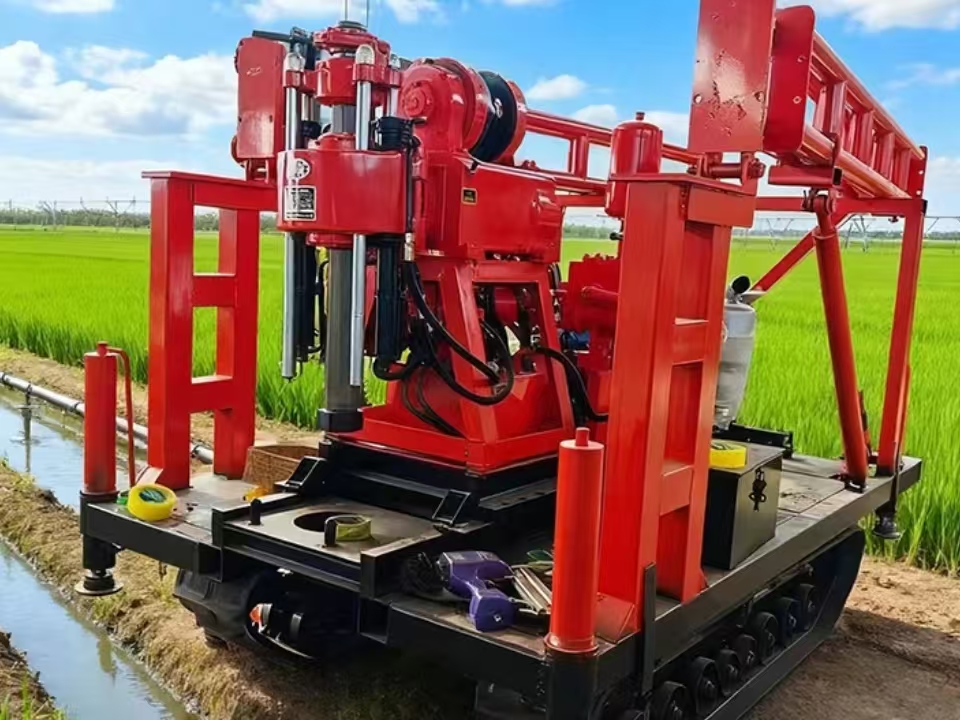
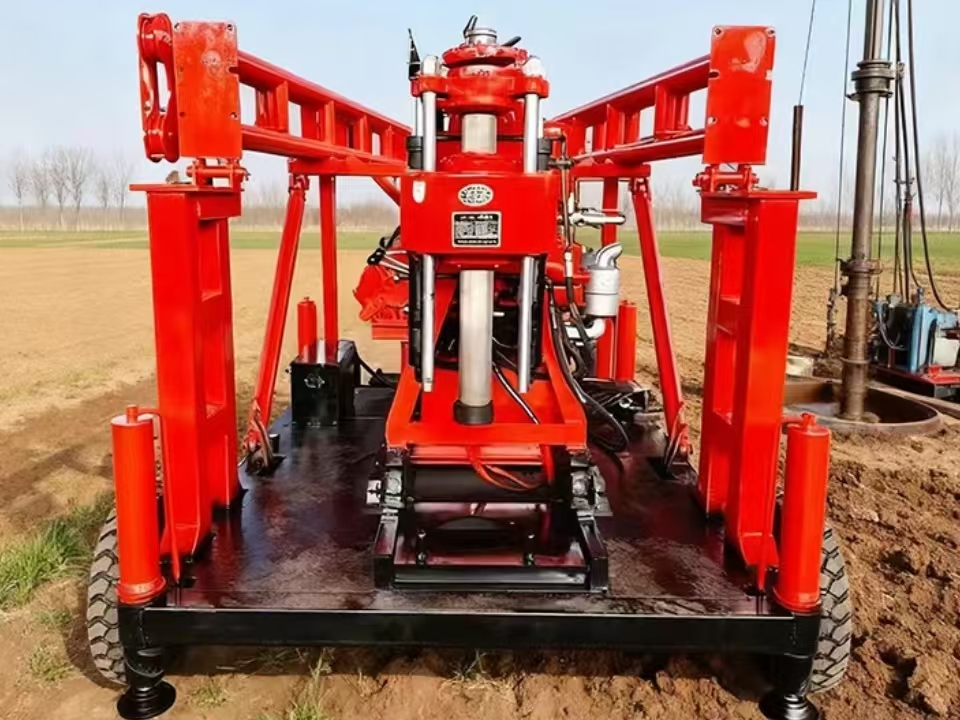
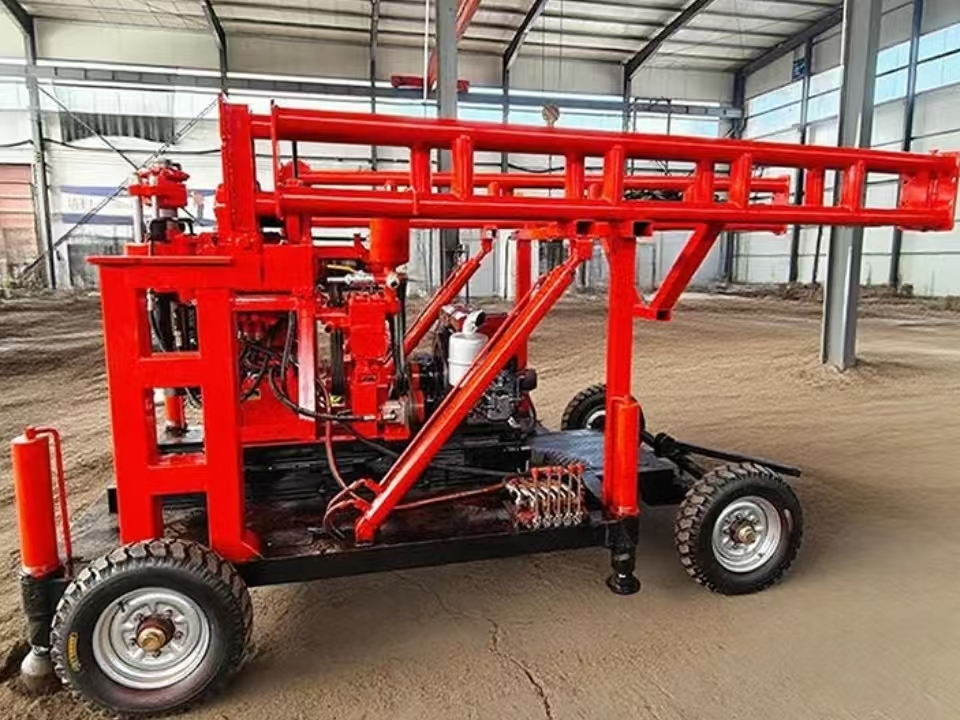
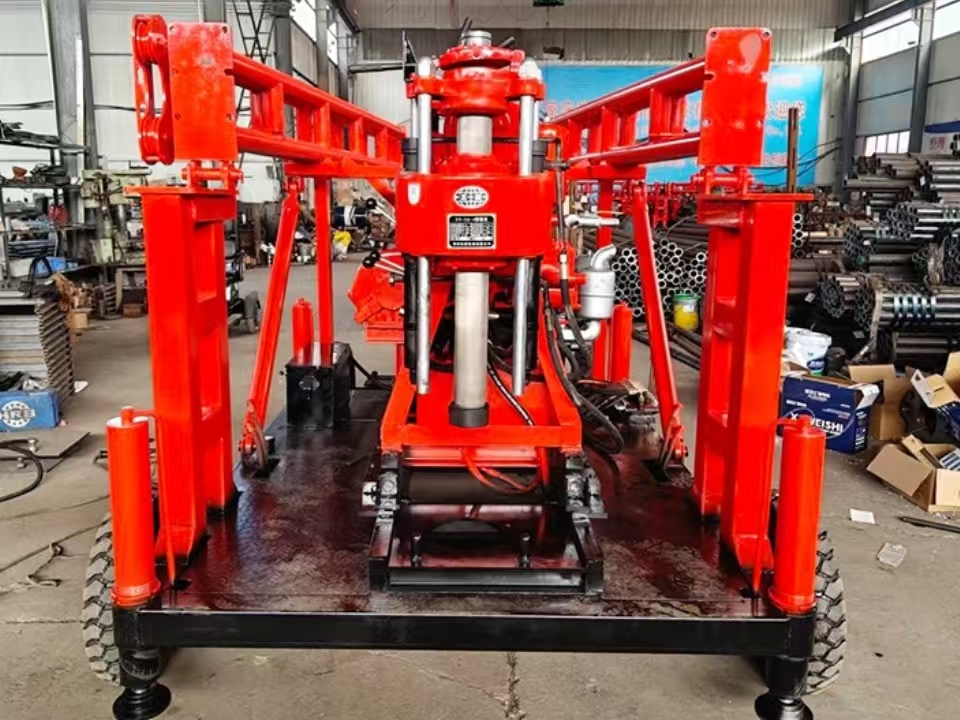
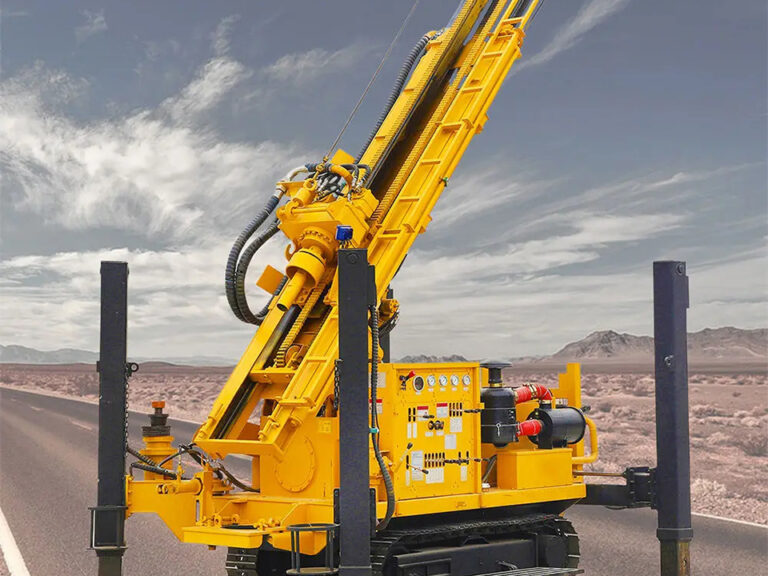
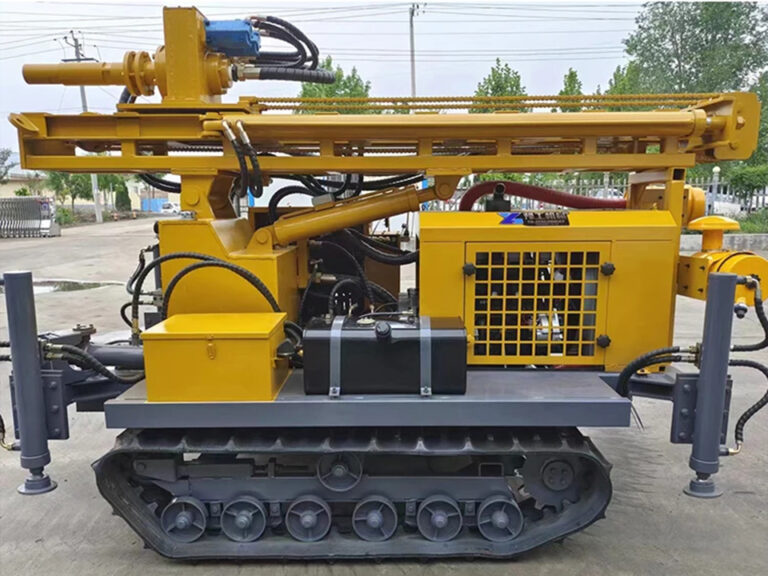
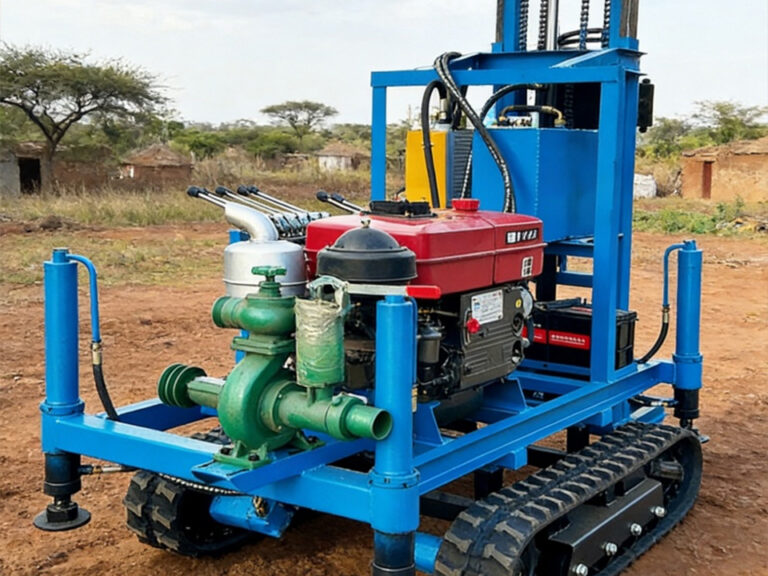
Take a look at the actual specs. A 300m portable diesel water well drilling rig is listed with 300 m drilling depth, 140–325 mm diameter, and a weight of 7,200 kg. Step up to a 450m 70kW portable diesel water well drilling rig and you’re looking at 450 m drilling depth, 140–350 mm diameter, and 9,400 kg. That doesn’t just change the machine invoice. It changes hauling, site access, helper equipment, support truck logic, and the size of the mistakes you can make when your planning is sloppy.
Small change? Not really.
And if your work mix starts drifting into fractured rock, quarry work, or jobs where air delivery becomes the whole ballgame, the nice tidy “base rig” conversation falls apart even faster. That’s where a 300m crawler rock drilling rig or a 58kW crawler DTH drill rig for mining and rock drilling becomes more relevant than the buyer first assumes. The DTH unit, for example, lists 60–200 mm hole range, 0.5–1.0 MPa working air pressure, and 3.5–12 m³/min air consumption. From my experience, that single line item—air demand—separates people who understand drilling economics from people who just like shopping for iron.
Why drilling fleet startup cost is always bigger than the first number on the quote
Three words. Hidden cash drains.
I frankly believe this is where most first-time buyers embarrass themselves. Not because they’re careless. Because they’re looking at the wrong bucket. They think launching a fleet means buying a rig. It doesn’t. It means buying the ability to finish holes, keep steel turning, recover from downtime, and survive the gap between mobilization and payment.
That’s a different problem.
So when people ask me about drilling fleet startup cost, I don’t start with the machine. I start with the whole support chain: compressor, booster if needed, rods, hammers, bits, foam or mud accessories, service pickup, trailer, hoses, clamps, filters, seals, breakout tooling, starter spares, operator onboarding, HSE kit, and a working-capital cushion for the period when customers are still “processing” your invoice. That last part—receivables drag—is where pretty budgets go to die.
And yes, the rig still matters. A lot. But I’ve seen buyers save money on the front end only to burn it later because the compressor was undersized, the consumables stack was thin, or the field crew had to cannibalize parts from one machine to keep another one alive. That’s not cost control. That’s bush-fix accounting.
What launch capital actually includes
Here’s how I’d frame it for a lender, an investor, or a finance manager who’s tired of equipment sales optimism.
That’s deliberate. Because once you stop pretending the machine is the whole fleet, the math gets less glamorous and much more useful. My own rule of thumb? The rig itself is often only part of the launch bill—sometimes the biggest part, sure, but still only part. The rest comes from all the “extras” that aren’t extra at all.
Financing, diesel, and labor will wreck a weak budget faster than the rig price will
Yet people still obsess over dealer price and ignore the operating structure around it.
Start with financing. The U.S. Small Business Administration says its 7(a) loan program allows a maximum loan amount of $5,000,000, and the rate caps step down with larger loan sizes. That sounds roomy until you remember what lenders actually care about: collateral, debt service coverage, realistic utilization, and whether your capex memo reads like an operator wrote it or like a salesman did. If your model only works under rosy assumptions, the banker will smell it in five minutes.
Now add fuel. According to the U.S. Energy Information Administration’s weekly diesel series, on-highway diesel in the U.S. sat around $4.022–$4.109 per gallon in early March and mid-February 2024, then eased into the $3.658–$3.769 range in June 2024. Sounds manageable on paper. In the field, not so much. You’re not just feeding the rig. You’re feeding the compressor, the service truck, the haul truck, and the idle time created by poor planning. Fuel doesn’t politely stay in its own line item. It leaks into everything.
And labor—people love to wave that away until the first breakdown. The U.S. Bureau of Labor Statistics lists a 2023 mean annual wage of $64,340 for mobile heavy equipment mechanics and $59,920 for bus and truck mechanics and diesel engine specialists. That doesn’t mean you hire both on day one. It does mean maintenance competence has a real price, and pretending otherwise is how downtime starts running your business instead of the other way around.
One more thing. Compliance is not optional overhead, no matter how often startup buyers treat it that way. OSHA’s respirable crystalline silica rule for construction kicks in unless exposure remains below 25 μg/m³ as an 8-hour time-weighted average under foreseeable conditions. Dry drilling, dusty handling, bad housekeeping—those aren’t abstract risks. They’re budget items wearing a safety label. (OSHA’s silica standard)
A realistic drilling fleet startup cost model
So let’s stop dancing around it.
If somebody asks me for the cost to start a drilling business, I don’t give them a heroic machine-only answer because that answer is useless. I give them a planning range—the kind that still looks defensible after the first ugly quarter. For a lean one-rig setup, I’d usually model something in the $250,000 to $600,000-plus band once you include support assets and working capital. For a small but actually credible fleet—say two to three units with deeper capability and less wishful thinking—I’d usually start the conversation around $600,000 to $1.8 million or more.
Does that sound aggressive?
Good. It should.
Cost category
Lean single-rig setup
Serious small fleet setup
What buyers usually miss
Rig purchase
$120,000–$300,000
$300,000–$900,000
Capacity mismatch with target jobs
Compressor / air package
$25,000–$120,000
$80,000–$250,000
Air demand rises faster than expected
Tools, rods, hammers, bits
$20,000–$80,000
$60,000–$180,000
Wear-part consumption
Support truck / trailer
$30,000–$90,000
$80,000–$250,000
Crane assist, transport, permits
Spares and service stock
$10,000–$35,000
$30,000–$100,000
Downtime cost of not stocking basics
Training, safety, onboarding
$5,000–$20,000
$15,000–$50,000
Operator ramp-up time
Mobilization and setup cash
$10,000–$40,000
$30,000–$100,000
Client payment delays
Working capital reserve
$30,000–$120,000
$100,000–$400,000
Fuel, payroll, receivables gap
Total estimated launch capital
$250,000–$805,000
$695,000–$2,230,000
Everyone underestimates this
Would I take these numbers into a credit meeting? Absolutely. Because they’re not pretending the first job goes perfectly.
The compressor mistake that keeps repeating because nobody wants to tell the buyer the truth
However, this is the part sales teams often soften—and they shouldn’t.
A buyer who tries to reuse a small compressor on a larger hammer or a wider hole is not “saving capex.” He’s pushing cost downstream where it becomes harder to measure and easier to rationalize. Penetration slows. Cleaning gets worse. Wear rates climb. Meterage per shift falls. Fuel per completed hole goes up. And then somebody starts blaming the rig, even though the real problem was system mismatch from day one.
I’ve watched this happen. More than once.
That’s why I’m blunt about drilling rig capital expenditure: if the air package is wrong, the fleet economics are wrong. Full stop. A cheap front-end choice can quietly become the most expensive decision in the whole project portfolio.
What I’d actually show a bank, an investor, or a skeptical CFO
No fluff. No brochure language. No “strategic synergy” nonsense.
I’d show five things.
1. A job-mix statement that isn’t vague
What holes are you drilling? What diameter bands? What depth bands? What geology? Water wells, blast holes, anchors, exploration support? If you can’t answer that cleanly, your drilling company startup costs model is basically fan fiction.
2. A system bill, not a rig bill
Break out the rig, compressor, service vehicle, tooling, starter spares, training, and mobilization. When buyers lump everything together, it usually means they don’t want scrutiny.
3. A utilization case that includes bad months
Don’t just show the sunshine scenario. Show 40%, 60%, and 75% utilization. I want the version where weather slips, bits wear early, invoices age, and one machine sits longer than planned.
4. A cash-gap model
This matters more than people admit. How many days until cash lands? What if a customer pushes payment? What if freight spikes? What if fuel climbs again? What if your drifter—or your hammer—starts eating money?
5. A maintenance logic that sounds real
Who actually keeps the fleet alive? Dealer support? In-house wrench? Contract mechanic? Cannibalized parts and crossed fingers? Be honest. The answer changes margin more than the brochure ever will.
So, how much capital do you need to launch a drilling fleet?
More than the quote says.
That’s the clean answer. The fuller answer is this: the capital needed to launch a drilling fleet is the total funding required to buy and support a complete operating system—rig, air, tooling, transport, spares, labor, compliance, and working capital—until jobs are performed reliably and cash collection becomes routine.
Most people ask the wrong question first.
They ask, “What does the rig cost?”
The better question—the one grown-up operators ask—is, “What does it take to keep steel turning for the first 12 months without begging for emergency cash?”
There’s a difference. A big one.
FAQs
How much capital do you need to start a drilling company?
The capital needed to start a drilling company is the full amount required to acquire the drilling unit, support equipment, consumables, transport, safety capability, trained labor, and working capital necessary to operate continuously until customer payments begin arriving on a dependable cycle. That means the answer is always larger than the machine price alone.
From my experience, buyers who only budget for the rig get mugged by reality fast. The first painful surprises are usually fuel, tooling turnover, spare parts, freight, and the time lag between mobilization and cash receipt.
What is the difference between drilling rig cost and drilling fleet startup cost?
Drilling rig cost is the purchase price of the main machine, while drilling fleet startup cost is the total funding needed to make that machine commercially useful, including air systems, tools, support vehicles, spares, training, safety, and operating cash reserves. One number buys iron; the other buys a functioning business.
That distinction sounds obvious, but buyers blur it constantly. And once they do, the financial model starts lying to them.
Is it better to buy one larger rig or several smaller rigs?
The better choice is the fleet configuration that matches target hole specs, geology, utilization assumptions, service capability, and cash-flow tolerance, because one larger rig raises transport and support requirements while several smaller rigs multiply maintenance, staffing, and coordination demands. The “right” answer depends on workload, not ego.
I’d rather see one properly matched machine with the right air and steel than two compromised units limping through jobs they were never set up to handle. It’s not flashy. It works.
What is the best way to finance a drilling fleet?
The best way to finance a drilling fleet is usually a structure that aligns long-life assets with term financing while preserving enough liquidity for fuel, payroll, spares, mobilization, and receivables delays during the first operating cycle. In plain English: don’t use short cash to solve long-asset problems, and don’t ignore working capital.
That’s where people get cute—and then get hurt. Asset finance can help. Internal equity can help. SBA-style lending may help where eligible. But none of it rescues a bad operating model.
Your Next Steps
So, here’s what I’d do next.
Don’t ask for one quote. Ask for the whole system. Build your model around the actual work mix, then pressure-test it with the wrong weather, slower cash, pricier diesel, and the kind of maintenance event nobody likes to mention during the sales call.
Then look at the numbers again.
If they still hold up, you might have a real fleet plan. If they don’t, better to find out now—on a spreadsheet, with coffee—than later, on site, with a parked rig and a very unhappy lender.