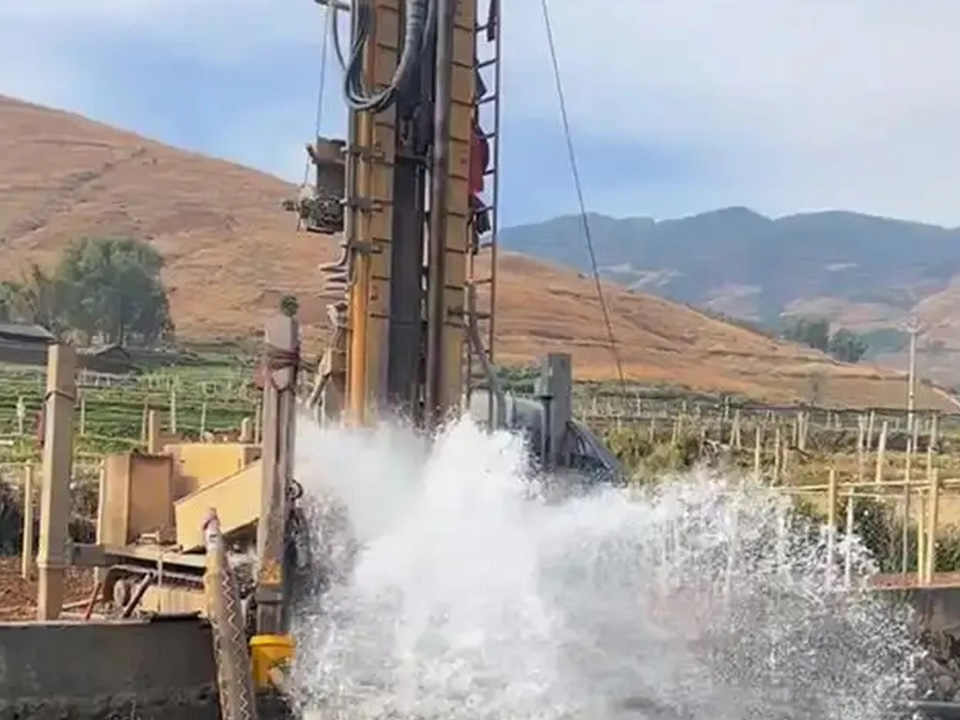
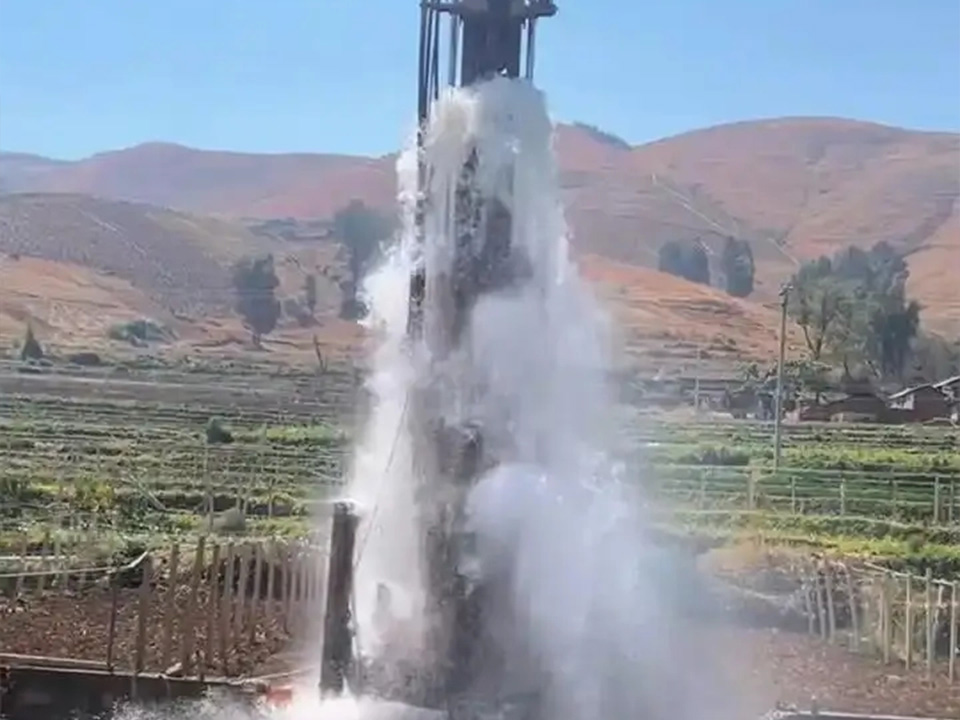
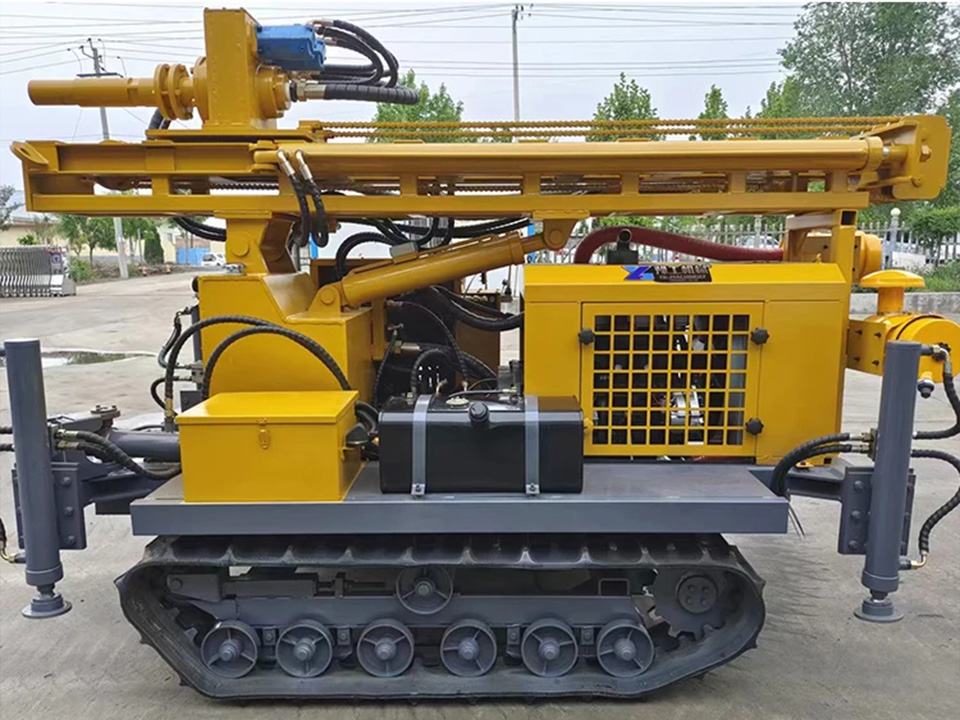
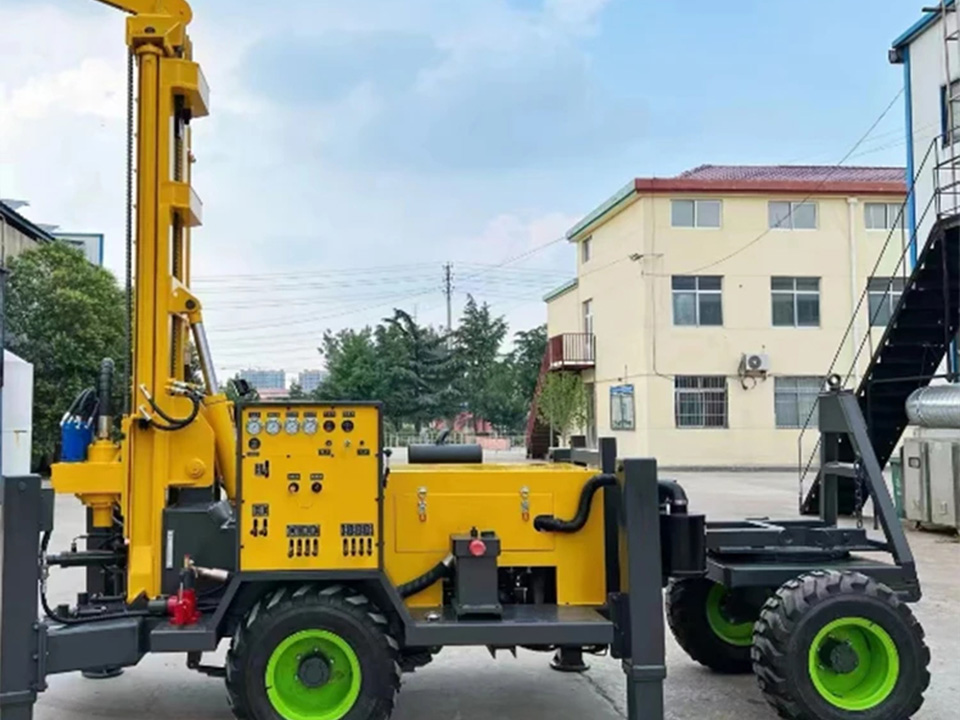
“The Drilling Rig gave us a true one-stop solution. Their team matched the right rig, compressor, and drilling tools for our project, and the engineering support stayed fast and professional from quote to delivery.”
Rig Stability and Outrigger Design for Safer Field Operations
The rig didn’t fall at first.
It leaned.
That’s how these things usually start—not with some dramatic movie-style collapse, but with one jack foot pressing into soft ground, one operator pretending the mast still looks “close enough,” and one foreman thinking about daylight, diesel burn, and the client standing there with crossed arms.
Then the machine talks back.
A little frame twist. A little crawler lift. A mast that isn’t dead plumb anymore. Anybody who has worked around water well rigs, DTH rigs, shaft rigs, mud rotary machines, or those compact export rigs used on farm wells knows this feeling. You don’t need a PhD in structural mechanics to sense when a rig doesn’t want to be there.
Here’s the ugly truth: buyers still ask the wrong first question.
“How deep can it drill?”
Table of Contents
Fine. Ask that. But if you’re buying for remote crews, rural borehole work, village water supply, irrigation wells, mining support, or loose access roads, the better question is nastier: can the crew set up this rig safely when the pad is half-bad, the soil is wet, and nobody from the factory is coming to rescue them?
That’s drilling rig stability.
Not brochure stability. Not showroom stability. Field stability.
And I frankly believe it’s one of the most under-discussed buying factors in small and mid-sized drilling equipment.
The Rig Usually Warns You Before It Hurts You
Drilling rig stability is the machine’s ability to stay level, controlled, and resistant to tipping, sliding, frame twist, and mast movement during transport, positioning, mast raising, rod handling, and actual drilling. It’s not one part. It’s the whole mess—center of gravity, ground pressure, outrigger spread, jack stroke, mast height, chassis stiffness, operator habits, and ground condition.
Sounds simple.
It isn’t.
I’ve seen buyers stare at engine badges like they’re buying a sports car. They’ll ask about diesel horsepower, gearbox brand, rotary torque, borehole diameter, mud pump flow, compressor match, drilling depth, rod size, transport dimensions, even paint thickness sometimes. But outriggers? Jack feet? Leveling sequence? Frame torsion?
Silence.
But here’s where the money leaks out. A rig that feels unstable slows the crew before it ever becomes an accident. They re-level. They hesitate on feed pressure. They argue over mast alignment. They avoid drilling harder formations aggressively because the frame feels twitchy. Then the daily report says “bad ground” or “slow formation.”
Sometimes, yes.
Sometimes the machine just wasn’t stable enough.
The safety literature backs up the concern. In June 2023, NIOSH published guidance on preventing injuries and fatalities involving overturning drill rigs, warning that drill rigs and other heavy specialty equipment used in deep foundation work overturn every year, while the data needed to fully understand contributing factors remains incomplete. That phrase—data remains incomplete—should bother anyone selling or buying rigs for remote sites.
Because if the official data is incomplete, the field reality is probably uglier.
Outriggers Aren’t Accessories. They’re the Deal.
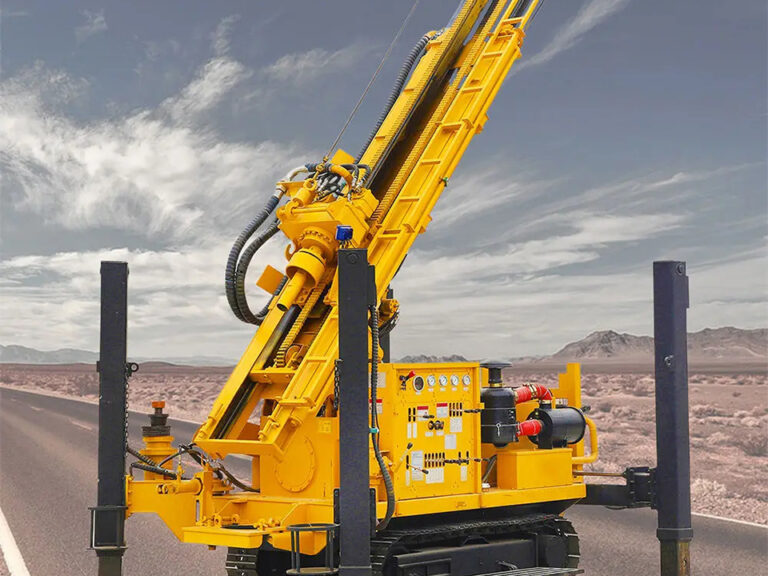
A drilling rig outrigger design is the load-transfer system that helps push the machine’s working forces into the ground instead of letting those forces twist the frame, shift the mast, or overload one side of the chassis. On paper, it’s just hydraulic cylinders, jack legs, pins, foot plates, hoses, and mounting points.
On site, it’s trust.
I don’t care how nice the rig looks in a product video. If the outrigger stance is narrow, the foot plates are tiny, the jack stroke is short, and the operator has to “feel” the leveling instead of reading it cleanly, then the machine has already told you something about its real design priority.
Cheap rigs often look strong from the side.
Look underneath.
A proper stabilization system has to do a few unglamorous jobs. It must widen the support base beyond the crawler or tire footprint. It must let the operator level the chassis without torturing the frame. It must keep hydraulic lines protected from pinch points, rod handling zones, and lazy hose routing. And it must put enough surface area on the ground so one jack doesn’t slowly dig itself into clay like a fence post after rain.
Small foot plates? Bad sign.
Not always fatal. But suspicious.
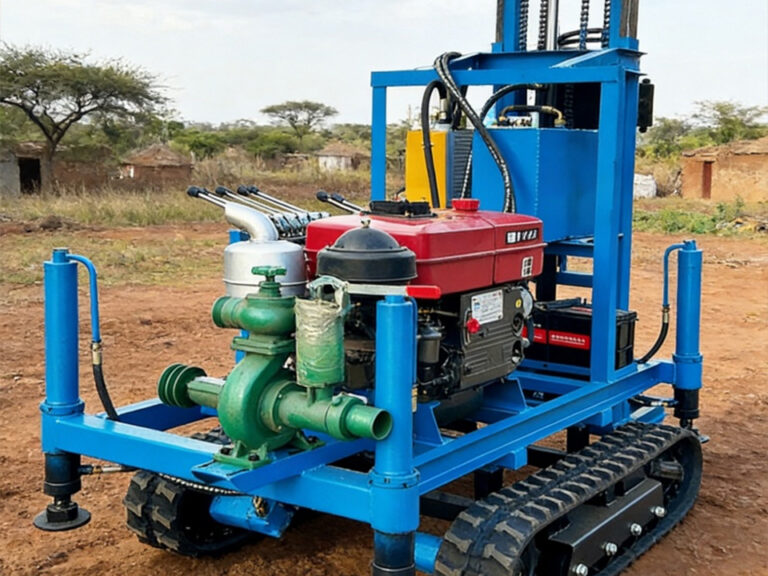
For example, when evaluating a compact machine like a 150m electric portable mobile water well drilling rig, I wouldn’t only ask whether it can drill 150 m. I’d ask how it behaves when a two-person crew unloads it near farmland, levels it beside a ditch, and starts drilling with limited support. Same with a 180–200m diesel hydraulic portable water well drilling rig. Diesel power helps. Hydraulic power helps. But if setup confidence is poor, the extra capacity becomes a heavier problem.
The Stability Triangle Nobody Puts on the Quotation Sheet
Weight. Height. Ground reaction.
That’s the rough triangle.
The mast pushes the center of gravity upward. The rotary head, drill pipe, winch, feed system, and tool string keep adding dynamic load. The ground pushes back through tracks, tires, outriggers, pads, timber blocks, steel plates, stones, or whatever the crew dragged over because the real pad wasn’t ready.
And gravity doesn’t negotiate.
It just waits.
A 200 m machine is not automatically safer than a 150 m machine. A crawler rig is not automatically safer than a wheel-mounted machine. A wider track base helps, sure, but if the mast is tall and the support polygon is weak, you’re still playing with a narrow margin. A heavy rig on bad ground can be worse than a lighter rig with better outrigger geometry and sane setup procedure.
That’s the part beginners miss.
For a 200m deep hydraulic portable water well drilling rig, stability affects more than accident prevention. It affects bit loading, mast verticality, casing alignment, rod handling, and operator confidence. For a 200m impact mud pump type mining shaft drilling rig, the risk picture gets even sharper because mining shaft work often means harsher ground preparation, heavier fluid movement, and less forgiveness if alignment goes off.
Here’s my rule: if the supplier can’t explain the outrigger spread, jack stroke, foot plate size, frame reinforcement, mast-raising sequence, and leveling logic, don’t treat that as a small missing detail.
Treat it as a warning flare.
What the Injury Data Tells Us — Even If It’s Not Perfect
No dataset maps perfectly onto portable water well drilling.
I know that.
Oilfield data isn’t the same as borehole drilling in rural Africa. Deep foundation drill rigs aren’t the same as compact export rigs. A pump jack fatality isn’t the same as a farm well setup. But the risk family overlaps: tall equipment, rotating components, suspended loads, unstable ground, rushing, pinch points, pressurized systems, and workers standing too close because the job needs hands.
That’s enough to learn from.
In February 2024, CDC’s Morbidity and Mortality Weekly Report published severe work-related injury data for the oil and gas extraction industry. The report counted 2,101 severe injury reports from January 2015 through July 2022 across 32 federal OSHA jurisdictions. Support activities related to well servicing made up 70.1% of those reports.
That number is not decorative.
It tells us where field risk clusters: around the support work, the setup work, the hands-on work, the “just move this here” work.
OSHA’s accident database also keeps showing blunt-force, struck-by, fall, caught-between, and rig-related fatal events. In one search result for oil rig accidents, OSHA lists events from 2022–2024 involving workers killed by falls, pump jack strikes, blunt trauma, and rig-platform incidents. Again, not every case equals water well drilling. But if your job includes heavy equipment, mast structures, hydraulic movement, and tired crews, pretending this doesn’t apply is wishful thinking.
Bad kind.
Risk Area
Poor Design or Setup
Better Field Practice
Buyer Question to Ask
Outrigger footprint
Narrow jack spread, small feet, weak ground contact
Wider hydraulic outriggers with suitable pads
What is the full outrigger spread and foot plate size?
Ground bearing
Jack feet sink into clay, sand, or wet soil
Use cribbing plates and inspect soil before mast raise
What ground pressure does the rig create under each jack?
Frame rigidity
Chassis twists during leveling or drilling
Reinforced frame, stable jack points, controlled leveling
Is the frame designed for four-point leveling?
Mast stability
Mast raised before full stabilization
Level first, verify, then raise mast
What is the safe mast-raising sequence?
Remote crew operation
Operator guesses setup process
Clear manual, decals, training video, checklist
Is setup training included with the machine?
Maintenance
Worn jack seals, bent legs, leaking cylinders
Daily inspection of cylinders, pins, welds, hoses
Are outrigger cylinders and pins easy to inspect?
The table looks basic. That’s intentional.
Most rig stability failures don’t begin with exotic engineering mistakes. They begin with ordinary sloppiness: one soft corner, one leaking jack, one rushed mast raise, one operator who was never trained properly, one buyer who only cared about FOB price.
Hydraulic Outriggers: The Parts I Actually Look At
A hydraulic outrigger system for a drilling rig should lift, level, and stabilize the machine without forcing the crew into guesswork. Good systems use strong cylinders, protected hose routing, heavy mounting brackets, suitable foot plates, enough stroke for uneven sites, and independent control over each support point.
Pretty words.
Now look at the metal.
The stance has to be real
Some outriggers extend just enough to look impressive in photos. That’s not the same as increasing the support polygon in a meaningful way. If the jack lands barely outside the crawler width, it might help with leveling, but it may not give much extra rollover margin when the mast is raised and the rotary head is loaded.
I’d rather see ugly wide legs than pretty short ones.
Foot plates need to be sized for dirt, not concrete
Factory demonstrations lie because the floor is flat, hard, and dry.
A site is not.
Clay pumps under load. Sand shifts. Laterite can crust on top and soften underneath. Farm soil changes after water hits it. Loose fill looks strong until vibration shakes it down. If the jack foot is too small, ground pressure rises and the machine starts settling unevenly.
That’s not “operator error.”
That’s predictable.
Hose routing tells you how much the factory cared
I always look at hydraulic hoses around the outrigger legs. Are they protected? Are they rubbing the frame? Are they hanging where cuttings, tools, rocks, or transport chains can damage them? Are the fittings accessible? Can the crew inspect for leaks without crawling into a stupid position?
Small stuff.
Until it isn’t.
A slow cylinder drop during drilling can ruin alignment and scare a crew badly. A cracked hose during setup can stop the job before the bit touches ground. A bent pin can turn a normal leveling correction into a wrestling match with steel.
The operator needs a setup logic, not folklore
Some rigs come with a manual that looks like it was translated three times and printed during lunch.
That’s not enough.
A remote crew needs decals, control labels, video training, a simple leveling order, and a checklist that survives dust, sweat, bad signal, language gaps, and pressure from the owner. If the machine is exported to a market where one rig may be operated by several crews, the setup procedure must be stupid-clear.
Not fancy.
Clear.
The Hidden Cost of a Rig That Nobody Fully Trusts
An unstable rig doesn’t have to fall over to cost money.
It just has to make everyone nervous.
The driller backs off feed pressure because the mast feels lively. The helper stands too close because he’s trying to watch a sinking jack foot. The supervisor keeps stopping to re-check verticality. The customer sees wobble and starts questioning the equipment. The crew loses rhythm. Rod handling gets slower. Penetration rate drops. Tempers rise.
Then someone blames the ground.
Maybe the ground was bad. But maybe the rig’s stabilization design was too thin for the job.
From my experience, trust is a production factor. When operators trust the base, they drill more consistently. They watch cuttings. They listen to the hammer. They catch mud return changes. They adjust pressure and feed like professionals instead of babysitting the chassis.
That’s the boring side of safety that spreadsheets miss.
A contractor sending a crew 200 km away from the workshop doesn’t want a machine that needs perfect conditions. A village water project doesn’t want day one turning into a public argument over whether the mast is leaning. A dealer doesn’t want after-sales calls that start with, “The rig shakes too much.” An NGO buyer doesn’t want the cheapest machine if the local crew is afraid to use it.
So yes, drilling rig stability sells.
Not to every buyer.
To the ones who’ve already paid for a mistake.
My Field Setup Checklist Before I Let the Rig Work
I don’t trust “stable” printed in a brochure.
I trust checks.
Before drilling, the crew should inspect ground condition, outrigger contact, mast verticality, hydraulic lock behavior, frame twist, jack sinking, and the exclusion zone around the mast, rotary head, rods, winch, mud line, and moving cylinders. If that sounds basic, good. Basic procedures are the ones crews actually follow when it’s hot, dusty, late, and the client is impatient.
Here’s the field version I’d use.
Checkpoint
Pass Condition
Red Flag
Ground surface
Compacted, level enough, no visible soft pockets
Wet soil under one jack, loose fill, hidden trench
Outrigger contact
All feet fully loaded and stable
One jack “floating” or sinking
Mast position
Vertical and aligned before drilling
Mast corrected by eye only
Hydraulic system
No leaks, no slow cylinder drop
Jack loses height under load
Frame behavior
No visible twist during leveling
Door panels, guards, or mast base misalign
Operator zone
Crew clear of mast, rods, winch, rotary head
Workers standing inside danger zone
Emergency plan
Stop-work authority understood
“Boss says keep drilling” culture
Don’t overcomplicate it.
A checklist that requires a safety manager and a laptop won’t survive a rural borehole site. A laminated card, paint marks, clear jack controls, and a supervisor who’s willing to stop work—that’s more realistic.
FAQs
What is drilling rig stability?
Drilling rig stability is the ability of a rig to stay level, controlled, and resistant to tipping, sliding, frame twist, or mast movement during transport, positioning, setup, drilling, and rod handling. It depends on center of gravity, outrigger design, ground bearing capacity, chassis stiffness, mast geometry, and operator setup discipline.
In the field, it’s the difference between a crew that can focus on drilling and a crew that keeps glancing at the jack feet. If the rig sits square, holds mast alignment, and doesn’t creep under load, operators can pay attention to flushing, torque, penetration rate, casing, and formation changes.
Why are outriggers important on a drilling rig?
Outriggers are important because they widen the rig’s support base, transfer working loads into the ground, and help keep the mast, frame, and drilling line stable during setup and operation. A good outrigger system reduces tipping risk, improves leveling accuracy, and gives crews more confidence on uneven sites.
The best outrigger design isn’t always the most complicated one. For many exported water well rigs, simple hydraulic legs with solid stroke, wide feet, strong pins, clean hose routing, and independent leveling control are more useful than fancy systems nobody maintains correctly.
How do you stabilize a drilling rig in the field?
To stabilize a drilling rig in the field, inspect the ground, choose the firmest available setup area, deploy the outriggers evenly, use pads or cribbing where soil is weak, level the frame before raising the mast, and confirm that no jack is sinking, floating, or losing hydraulic pressure.
The shortcut that gets crews in trouble is raising the mast before the base is truly settled. On clay, sand, loose fill, or rain-softened farmland, the rig may need repositioning, ground packing, timber mats, or steel plates before drilling starts. Annoying? Yes. Cheaper than a damaged rig? Also yes.
What is the best outrigger design for drilling equipment?
The best outrigger design for drilling equipment uses a wide support stance, strong hydraulic cylinders, large ground-contact foot plates, reinforced mounting points, protected hoses, independent jack control, and enough stroke to handle uneven rural terrain. It should be easy for normal operators to deploy correctly without guesswork.
For export buyers, I’d ask for close-up photos of the outrigger weldments, cylinder specs, pin dimensions, foot plate measurements, and the setup manual before shipment. If the supplier only says “stable, no problem,” don’t relax. That answer is too cheap.
Does a heavier drilling rig mean better stability?
A heavier drilling rig can improve stability, but weight alone doesn’t guarantee safe operation because center of gravity, mast height, outrigger footprint, frame rigidity, ground condition, and setup method all affect the machine’s actual field behavior. A heavy rig on weak soil can still become unstable.
Sometimes a lighter rig with better outrigger geometry and cleaner leveling control is safer for remote sites than a heavier machine that’s awkward to position. Buyers should compare the full stabilization system, not just the total machine weight printed on the quote.
Your Next Steps
Don’t buy a drilling rig by depth rating alone.
Ask for outrigger spread, jack stroke, foot plate size, machine weight, crawler or wheel base, mast-raising procedure, hydraulic cylinder details, frame photos, and a real setup checklist. Not a vague promise. Real details.
Then compare those details with your actual sites: soft farmland, village roads, rocky slopes, rainy-season access tracks, loose fill, irrigation fields, mining support pads, and remote borehole locations where nobody has time for factory excuses.
If you’re selecting equipment for water wells, farm irrigation, mining support, or rural supply projects, send the supplier your expected depth, borehole diameter, soil or rock condition, transport method, crew size, and setup environment before asking for the final price.
Because a rig that drills deep but sets up poorly isn’t a bargain.