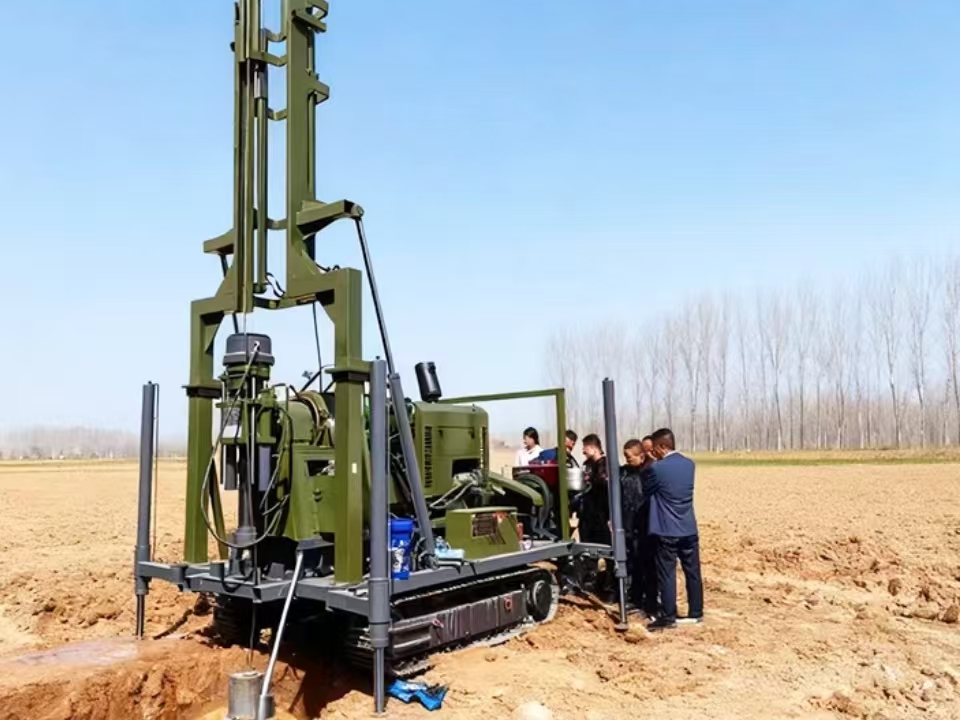
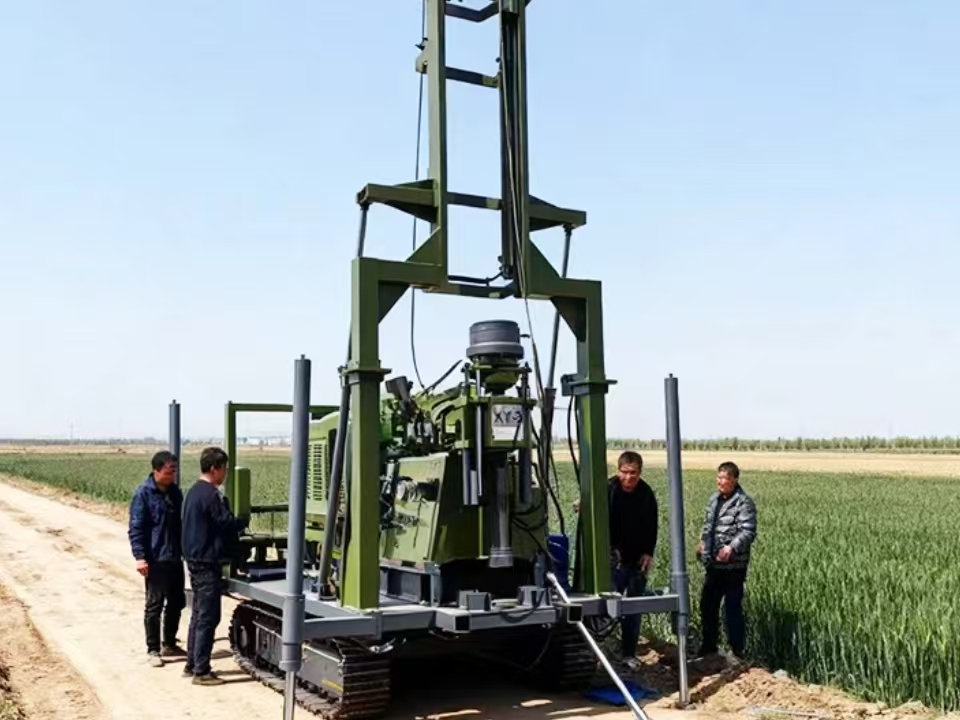
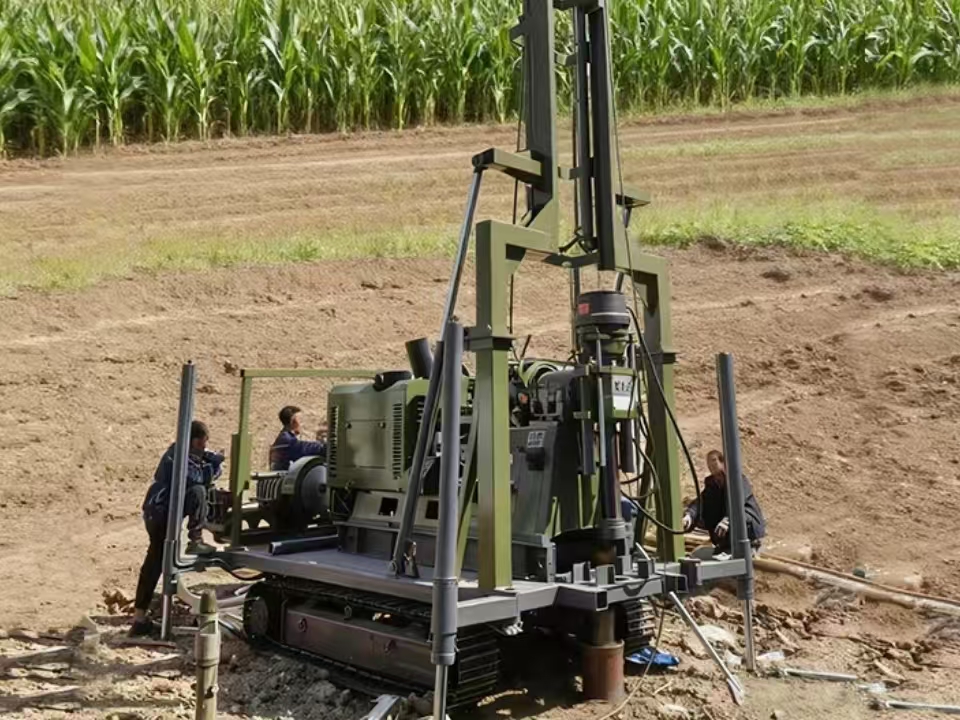
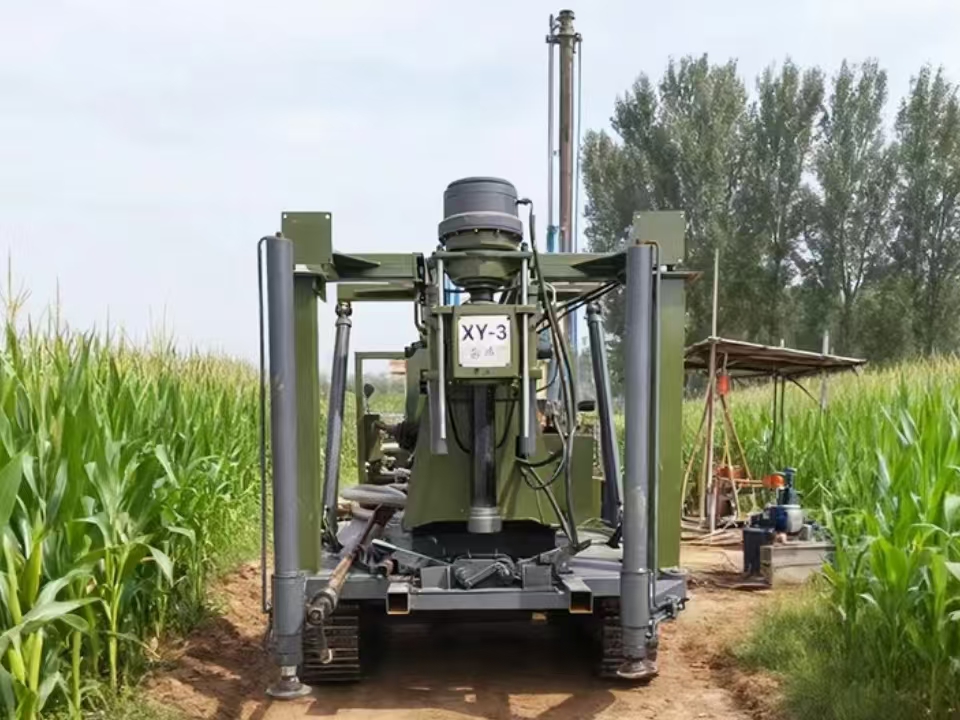
“The Drilling Rig gave us a true one-stop solution. Their team matched the right rig, compressor, and drilling tools for our project, and the engineering support stayed fast and professional from quote to delivery.”
New vs Used Water Well Rigs: Risk, Uptime, and Payback
Three things matter.
I have watched buyers obsess over the purchase number, negotiate like killers over a 12% discount, then go weirdly silent when the conversation turns to lost drilling days, cannibalized components, hydraulic leaks, controller lockouts, and the ugly math of a crew standing beside a dead rig that still burns cash every hour. Why does that happen?
Because used iron flatters the spreadsheet.
Table of Contents
And because a new water well drilling rig looks expensive only until the first unplanned stoppage stretches from one shift into six days, the spare parts quote arrives from two countries away, and the job pipeline starts slipping hard enough that your “saving” becomes a scheduling crisis rather than a procurement win.
The sticker price lie that traps smart buyers
I’ll say the quiet part first: most “new vs used water well rigs” debates are framed badly. The wrong question is, “How much can I save upfront?” The right question is, “How many productive drilling hours am I actually buying, and how much operational chaos comes attached?”
That distinction matters more in 2024 than it did a decade ago. Borrowing costs stayed painfully high enough that even Deere cut its 2024 profit outlook because customers hesitated on big-ticket equipment purchases, a reminder that capital cost pressure is real, not imagined, according to Reuters’ February 15, 2024 report on equipment demand and financing pressure. At the same time, construction and industrial input costs remained elevated; Deloitte noted in May 2024 that construction costs were still running above the prior year as supply-chain friction and energy costs lingered. So yes, I understand the temptation to buy used. But temptation is not analysis.
And here is the harder truth: the drilling business is not a warehouse business. You cannot “inventory” yesterday’s lost hole. If a water well drilling rig is down on Tuesday, you do not get Tuesday back by drilling faster on Friday. The revenue damage is immediate, and the reputational damage often lingers longer than the repair invoice.
Uptime is the asset, not the machine
That sounds dramatic. It isn’t.
A rig is a time-conversion device. It converts capital, diesel, labor, tooling, and service support into finished meters, completed wells, and invoiceable days. Once you see it that way, the new-vs-used argument gets brutally simple: whichever unit produces the most predictable drilling days at the lowest all-in risk is usually the better buy, even if its sticker price is higher.
I prefer to evaluate five things before I even talk price:
1. Serviceability beats age on paper
A six-year-old used water well drilling rig with documented maintenance, common hydraulic components, available wear parts, and a dealer who answers the phone can be better than a cheaper three-year-old mystery machine with patched electrics and no parts roadmap.
But serviceability is becoming a political and legal issue too, not just a technical one. In late 2023, a U.S. judge allowed antitrust claims against Deere to proceed over allegations that repair restrictions forced owners toward authorized channels, which is exactly the kind of risk fleet buyers should care about when electronics, software, and locked diagnostics become central to uptime, as reported by Reuters on the Deere right-to-repair ruling. If your rig cannot be diagnosed quickly outside a narrow service network, ownership risk rises—new or used.
2. Parts certainty is worth money
I have seen “good deals” die on seals, hoses, rotary head components, feed system wear items, compressors, and one stupid controller that nobody stocks locally. Buyers love to price the chassis. They routinely underprice the waiting.
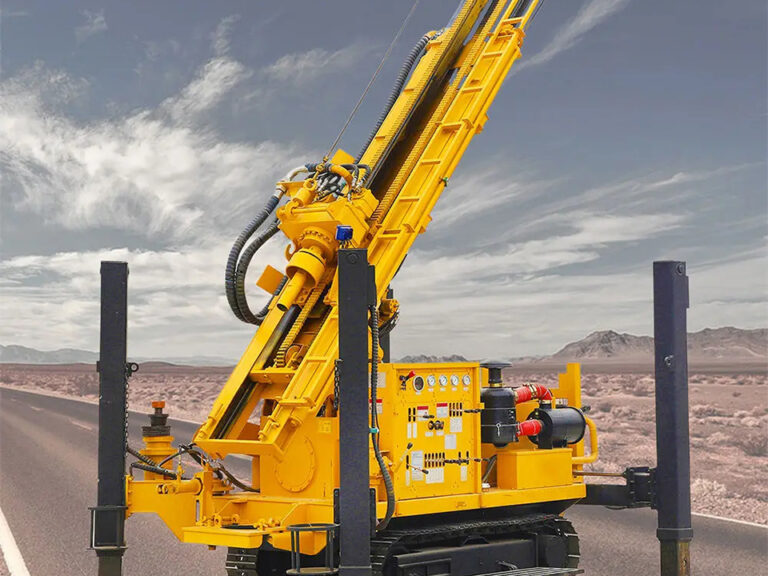
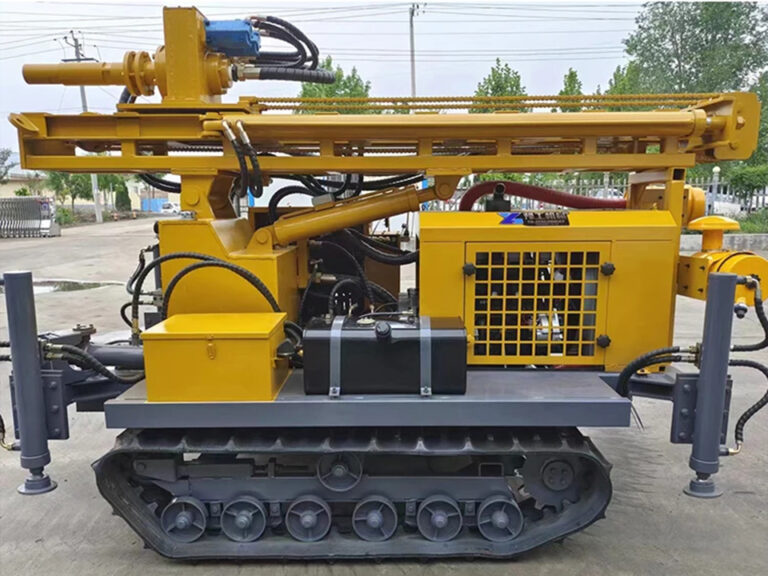
This is where newer platforms often win. If you are comparing modern service-oriented rigs, I would rather inspect a platform with current production support and clearer component lineage than chase obscure parts on an orphaned unit. That is why buyers looking at current-generation layouts often gravitate toward equipment categories like a diesel rotary drilling rig platform or a more compact rotary DTH drilling rig configuration where supportability is easier to map before purchase.
3. Daily output is the real lever
A rig that drills 15% to 25% more productive footage per day, or simply loses fewer half-days to setup, hose failures, compressor inefficiency, rod handling issues, or electrical faults, can erase a dramatic upfront price gap over a surprisingly short period. People hate this math because it punishes bargain hunting. Too bad.
4. Operator confidence matters more than brochures admit
A tired machine trains your crew to work defensively. They listen for problems. They nurse feed pressure. They second-guess the controls. They stop trusting the machine. That invisible caution lowers productivity long before a formal breakdown occurs.
5. Resale only matters if the machine stays working long enough to be desirable
Used-rig buyers talk endlessly about exit value. Fine. But resale value is downstream of reliability, not a substitute for it.
Where used rigs still make sense
Used rigs are not a scam. Let’s not get lazy.
A used water well drilling rig can be the smarter move when the buyer has in-house mechanics, spare-unit coverage, low financing appetite, and a workload profile that tolerates some downtime without detonating contract performance. That is especially true for secondary fleets, seasonal drilling programs, export buyers who already know the platform, or companies buying a known machine from a known operator with a known maintenance culture.
That last word matters: culture.
I trust maintenance records less than salespeople think I should, and more than many buyers do. Full records do not guarantee a good rig. But no records, vague records, or “we changed what it needed” stories usually signal trouble. I would take documented engine hours, compressor service history, hydraulic rebuild notes, mast repair evidence, rod changer history, and parts invoices over a shiny paint job every single time.
And if your operating model values simpler mechanics over digital sophistication, a carefully chosen used unit can still outperform an under-supported new import. I have seen that happen. Often.
Where new rigs quietly dominate
New wins when downtime is expensive, utilization is high, contracts are tight, crews are expensive, and brand damage from missed schedules is unacceptable.
That is not ideology. That is math.
The broader utility of water-well capacity is not shrinking, either. The U.S. Geological Survey says more than 43 million Americans rely on private wells for drinking water, and multiple USGS regional assessments continue to describe rising pressure on groundwater systems as growth and land-use change increase demand in developing areas. That does not automatically mean every contractor should buy new, but it does mean the market is not built for amateurs running fragile fleets.
This is why I think many fleet managers underweight the value of current-generation design. If I were assessing newer platforms for service access, mobility, and output logic, I would want to compare categories like a high-mobility blast-hole drilling rig with rotary-pump tooling architecture against a more straightforward KG520/KG520H DTH drill rig layout to see which design philosophy better supports my service model. Not because those exact units are “the answer,” but because architecture matters more than glossy claims.
Risk, uptime, and payback in one view
Here is the table I wish more buyers built before they call a seller back.
Decision Factor
New Water Well Drilling Rig
Used Water Well Drilling Rig
Upfront capital
High
Lower
Financing sensitivity in 2024-style rate environment
High
Moderate
Early-life breakdown risk
Usually lower
Highly variable
Parts availability
Usually better on current models
Depends on age, brand, region
Diagnostic access
Better if dealer-backed, worse if software-locked
Worse if unsupported, sometimes better if mechanically simple
Daily productivity consistency
Usually stronger
More variable
Operator confidence
Typically higher
Depends on condition and familiarity
Payback visibility
Clearer when utilization is high
Better only if downtime stays controlled
Best fit
Core fleet, schedule-critical work, high utilization
Secondary fleet, budget-limited, mechanically strong teams
Simple table. Brutal implications.
The buyer who should choose new is the one running a tight schedule with no tolerance for idle crews, delayed mobilizations, or parts roulette. The buyer who should choose used is the one who has technical discipline, backup capacity, and enough margin to absorb surprises without blowing up customer trust.
The payback model most people refuse to build
Here is my version. Not perfect. Better than fantasy.
Start with purchase price, yes. Then add financing cost, expected scheduled maintenance, unscheduled downtime probability, average downtime duration, crew idle cost per day, margin per drilling day, likely annual utilization, and parts lead-time risk. Then apply a penalty factor for uncertainty. Used rigs deserve a larger uncertainty penalty. That is not bias. That is reality.
A rough decision rule I use looks like this:
Buy new when:
utilization is high,
customer deadlines are contractual,
one lost week would materially hurt monthly cash flow,
dealer coverage is credible,
and the machine will anchor your main fleet.
Buy used when:
the machine is non-core or supplemental,
you have proven mechanics,
the unit’s maintenance history is unusually clean,
critical parts are identifiable and obtainable,
and you are buying condition, not just discount.
So, what is the hard truth?
The cheapest rig on day one is often the most expensive rig by month nine.
Why skeptical buyers should distrust “low hours” stories
Low hours can mean low wear. It can also mean chronic unreliability, poor operator adoption, a bad job mix, repeated idle periods, or a machine that spent too much of its life waiting for repair.
I do not reject low-hour used rigs. I reject low-hour narratives.
Ask instead:
Why were the hours low?
Were the hours accumulated in rock, abrasive overburden, mixed formations, or light duty?
Has the compressor ever been rebuilt?
What are the mast, feed beam, and rotation head service records?
Were OEM or substitute wear parts used?
Can the seller show actual downtime logs, not just maintenance notes?
That is where deals live. Or die.
FAQs
Is a used water well drilling rig better for ROI than a new rig?
A used water well drilling rig delivers better ROI only when its lower purchase price is not overwhelmed by downtime, repair delay, lower daily output, financing advantages on newer equipment, or parts uncertainty; in practice, used rigs win on payback when maintenance history is transparent and the buyer can absorb operational volatility.
My answer: sometimes, yes. But only under controlled conditions. If the used rig is mechanically straightforward, supported by available parts, and entering a fleet with in-house repair capability, the payback period can be shorter. If not, the “ROI advantage” is often a mirage created by ignoring lost revenue days.
How do I choose between new and used water well rigs?
Choosing between new and used water well rigs means comparing total ownership risk, not sticker price, across uptime, repair access, productivity, financing cost, parts availability, and utilization level, with the correct decision usually determined by how expensive unplanned downtime is inside your actual operating model.
I would rank the decision criteria in this order: uptime exposure, parts certainty, serviceability, daily output, and only then purchase price. Buyers who reverse that order often buy trouble. A used unit can be fine. A blind used purchase is gambling.
What is the biggest hidden cost in a used water well drilling rig?
The biggest hidden cost in a used water well drilling rig is unplanned downtime because it combines repair expense, crew idle time, delayed billing, schedule disruption, customer frustration, and sometimes emergency parts sourcing into one compound financial hit that most purchase comparisons fail to model honestly.
That is the killer. Not the seal kit. Not the hose. The downtime chain reaction. Once your crew, truck, tooling, and customer slot are all committed, a breakdown becomes more expensive than the invoice suggests. That is why “cheap” used equipment can bleed margin so fast.
Which rig is best for uptime: new or used?
New rigs are generally better for uptime because they combine lower early-life failure risk, fresher wear components, stronger parts support, and more predictable service intervals, while used rigs can match them only when condition is exceptional, maintenance history is complete, and the operating team is technically prepared.
I would not pretend otherwise. New usually wins on uptime. The exception is a badly supported new machine or a highly proven used unit from a transparent seller. But exceptions are not a purchasing strategy.
Your next move if you’re buying this year
Be honest now.
If your fleet can survive breakdowns, if you have mechanics who actually understand hydraulic and rotary systems, and if the seller can prove service history with invoices instead of stories, a used water well drilling rig may be the smarter capital move.
But if your schedule is tight, your margins depend on daily production, and one dead machine can jam the whole month, I would lean new and sleep better.
My recommendation is simple: build a one-page uptime model before you compare quotes. Put purchase price on the sheet, yes, but force every seller—and yourself—to answer for parts lead times, diagnostic access, wear history, expected output, and failure exposure. The buyer who prices risk accurately usually buys better equipment, even when the number on the invoice is higher.