“The Drilling Rig gave us a true one-stop solution. Their team matched the right rig, compressor, and drilling tools for our project, and the engineering support stayed fast and professional from quote to delivery.”
Comparing Rig Steel Quality, Mast Design, and Frame Strength
Three things matter. But here’s what I’ve learned the hard way—after watching rigs that looked “perfect on paper” start cracking, twisting, and slowly falling apart in real field conditions—the failure almost never starts where buyers think it does, and that misunderstanding alone can cost you six figures in downtime.
Table of Contents
That’s the trap.
So let’s tear this apart properly.
Steel Grade Looks Good. Until It Doesn’t.
I once walked a yard in Inner Mongolia—fresh rigs lined up, paint still glossy, sales guy talking about “high-strength steel” like it was some kind of magic shield against failure, and I remember thinking… okay, but what happens after 10,000 drilling cycles?
Because here’s the ugly truth:
Steel doesn’t fail first. Welds do.
A 2025 mast fatigue study shows drilling rigs operate under combined bending, torsion, and cyclic loads, meaning fatigue—not static strength—is the real killer over time
And that changes everything.
Because suddenly:
Your “stronger steel” doesn’t save you
Your certification doesn’t protect you
Your warranty doesn’t matter
What matters?
Where stress concentrates.
Look at the Alexander L. Kielland platform disaster—that rig didn’t fail because of weak steel; it failed because of a tiny weld defect that triggered a fatigue crack, which then cascaded into total structural collapse
Tiny weld. Massive failure.
Same pattern. Different scale.
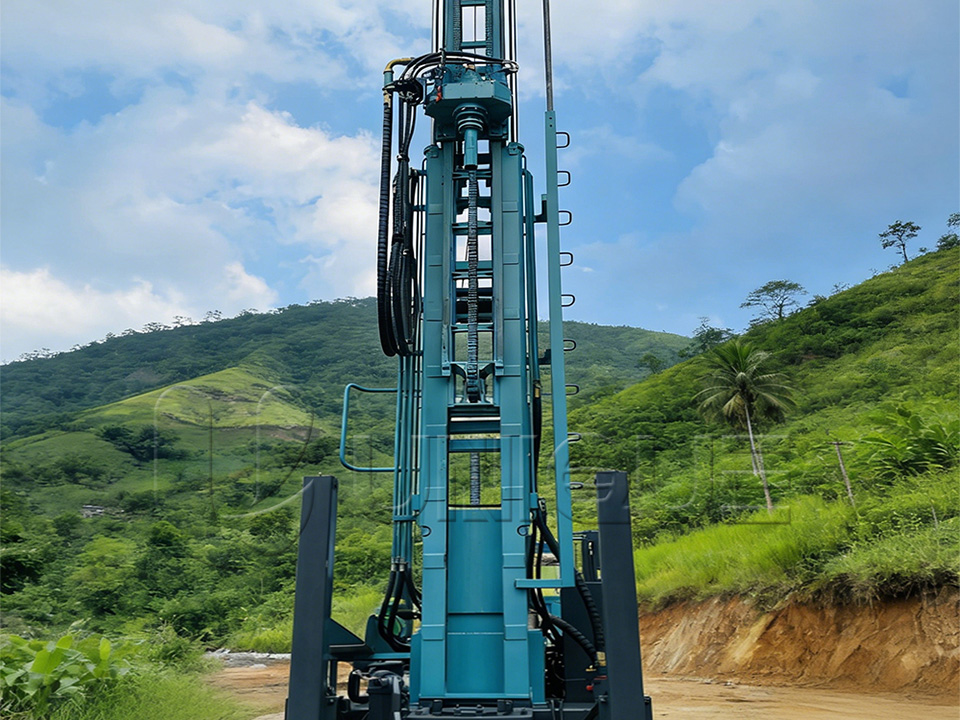
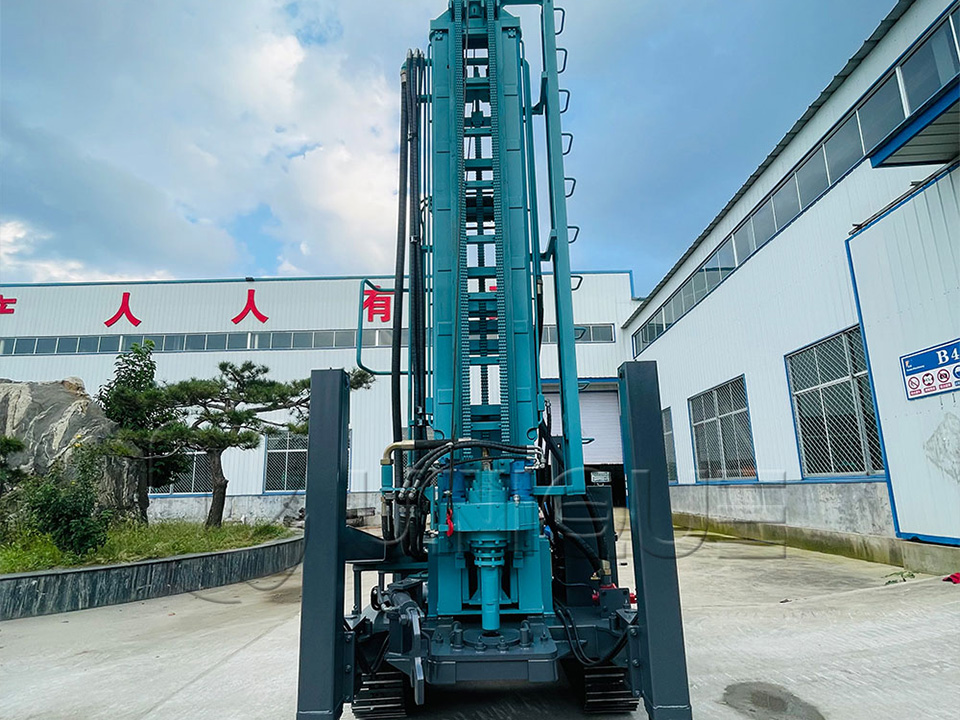
Mast Design: Where Theory Gets Exposed
Ever seen a mast “breathing” at depth?
Not shaking. Not dramatic. Just… flexing.
That’s where problems start.
Because a mast isn’t just holding weight—it’s managing a chaotic load system where compression, vibration, torque spikes, and off-axis forces stack on top of each other, creating stress patterns that designers either control properly… or completely underestimate.
And when they underestimate?
Things snap.
A real 2024 incident report from Oil Industry Safety Directorate documented a mast collapse where a welded A-frame joint failed, and the investigation literally found pre-existing cracks that nobody inspected
Hidden crack. Missed inspection. Collapse.
And here’s the kicker—another failure analysis showed a rig where the steel met all specs, but the mast still collapsed because cracks developed in welded joints under repeated stress
So let me ask you:
If steel isn’t failing… what is?
Frame Strength: The Silent Multiplier
I frankly believe this is the most ignored factor.
And it shouldn’t be.
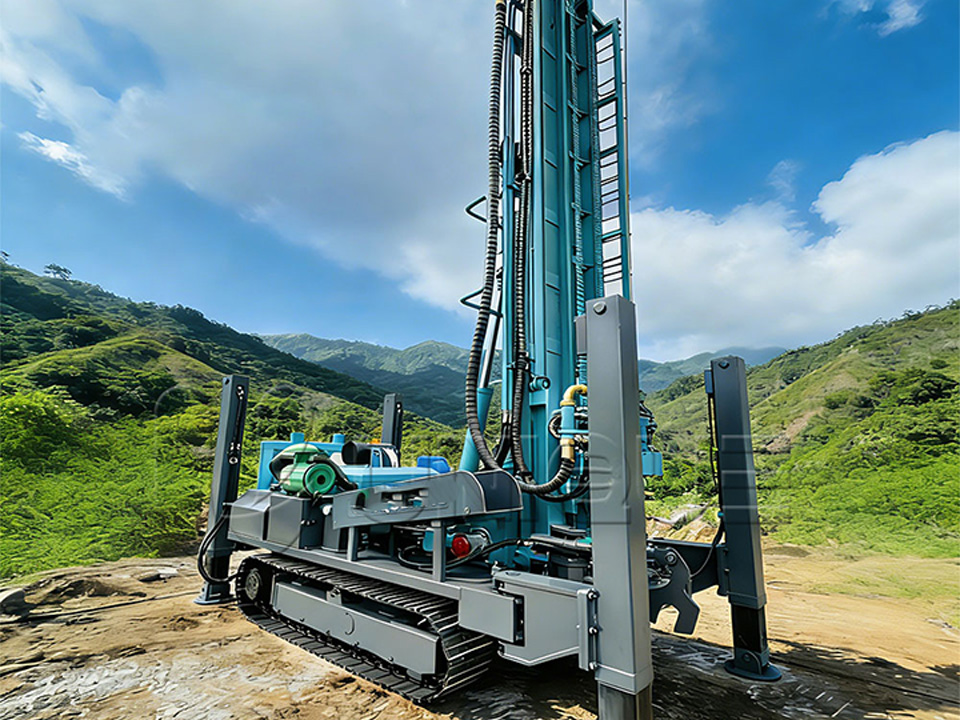
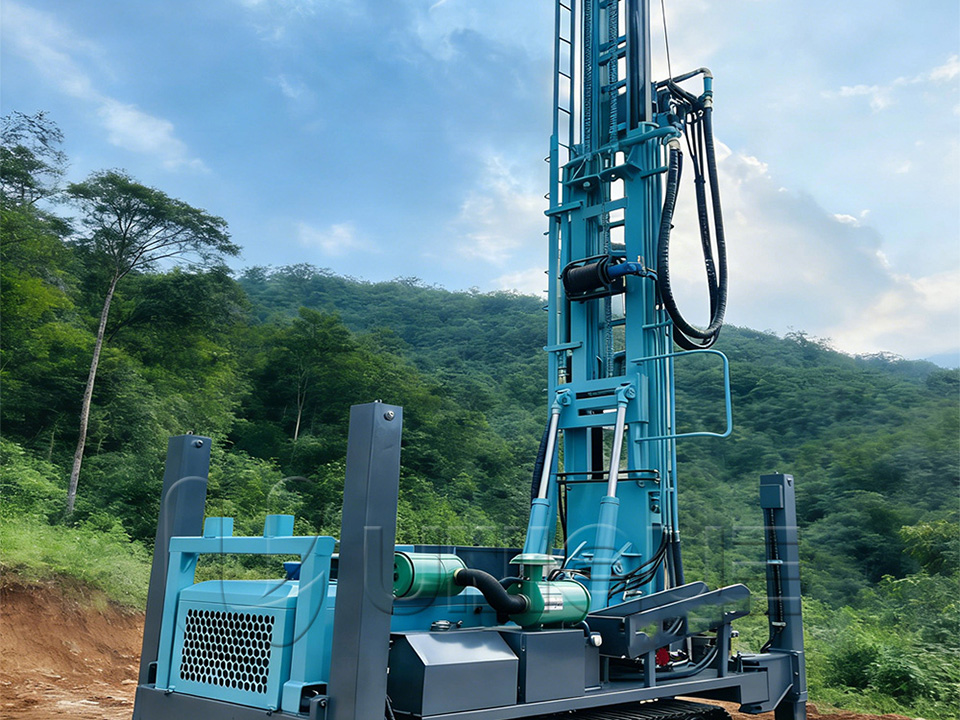
Because your frame is what decides whether your mast behaves like an engineered system… or a slowly deforming problem.
Here’s what happens (and I’ve seen this too many times):
A frame flexes just slightly under load, that tiny deformation shifts the mast alignment off-axis, which then redistributes forces unevenly into weld zones and joints, accelerating fatigue in places that were never designed to carry that level of stress.
Small shift. Big damage.
And this is where cheap rigs quietly cut corners:
Thinner chassis rails
Weak cross-member design
No proper torsional reinforcement
Looks solid. Isn’t.
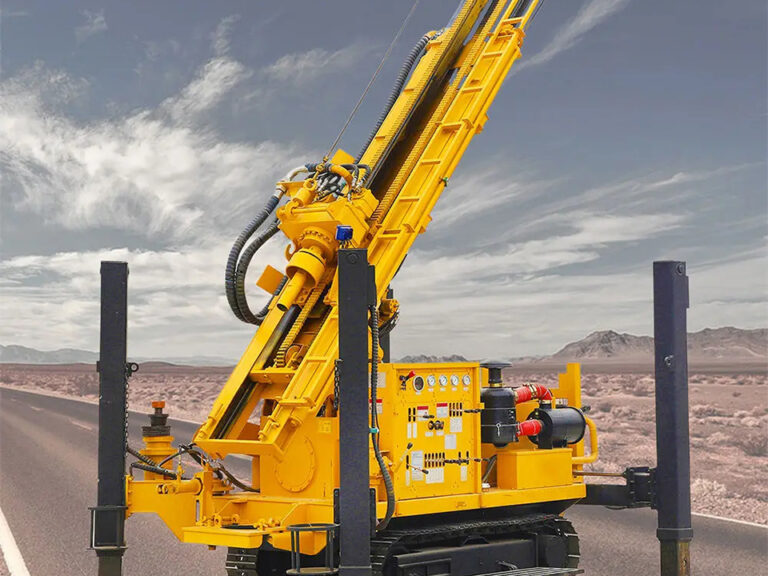
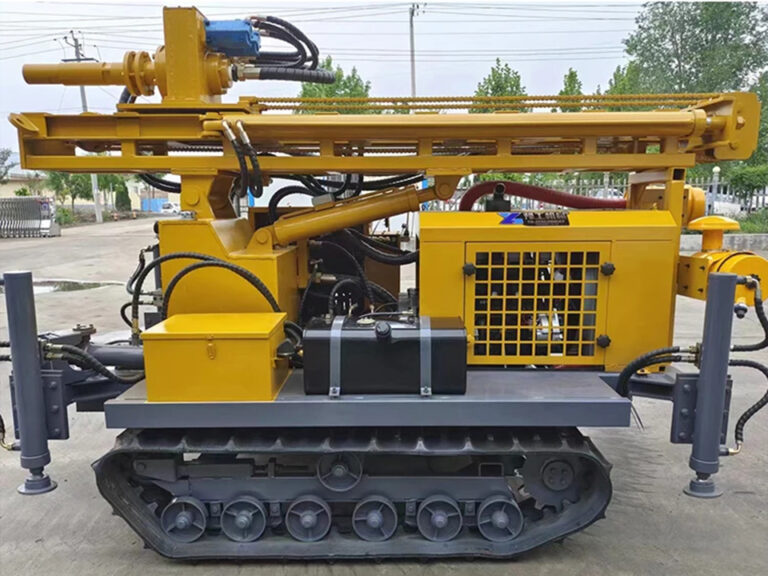
Compare that with a heavier crawler platform like the KT12 drilling rig—you’ll notice the frame is overbuilt (and yeah, that adds cost), but it controls torsion under load.
Same idea with the KT25 rock drilling rig—that extra structural mass isn’t decoration. It’s load stability.
What I Actually Check (Field Reality, Not Brochure Talk)
Let’s simplify this.
Here’s how I break down drilling rig structure quality when I’m evaluating equipment:
Inspection Area
What Buyers Focus On
What Actually Matters
Steel Quality
Strength rating
Fatigue behavior in weld zones
Mast Design
Height, capacity
Load path + deflection control
Frame Strength
Weight
Torsional rigidity
Weld Quality
Appearance
Penetration + crack history
Structural Joints
Movement
Stress concentration
Notice something?
This isn’t sales language.
It’s failure language.
Welding: Where Most Problems Actually Begin
I’m going to say it straight.
Welding is the weak link.
Not because it’s bad—but because it’s human.
Even safety data shows rig collapses can result from fatigue, improper assembly, or overloading, often tied to structural weaknesses that develop over time
And the worst part?
You don’t see it early.
It starts microscopic. Then structural. Then catastrophic.
And by then?
You’re already paying for it.
The Hard Truth Nobody Likes
Most buyers optimize the wrong variables.
Engines. Easy. CFM. Easy. Depth ratings. Easy.
Structure?
Messy. Technical. Hidden.
So people ignore it.
And that’s why two rigs with similar specs can behave completely differently after a year in the field.
One prints money. One burns it.
Same category.
Different build philosophy.
FAQs
What is drilling rig structure quality?
Drilling rig structure quality refers to the combined integrity of steel materials, mast geometry, frame rigidity, and weld execution that determines how reliably a rig handles repeated loads, resists fatigue cracking, and maintains operational stability over time.
How to inspect drilling rig structure before buying?
Inspecting drilling rig structure means evaluating weld joints for cracks, checking mast deflection under load, assessing frame rigidity and reinforcement points, and identifying stress concentration areas prone to fatigue failure in real operating conditions.
Why does mast design matter in drilling rigs?
Mast design matters because it controls load distribution, and poor designs increase stress concentration, deflection, and fatigue damage, especially during deep drilling and high-impact operations like DTH drilling.
What causes drilling rig structural failure?
Drilling rig structural failure is typically caused by fatigue cracks in welds, poor load distribution, frame deformation, and repeated stress cycles rather than insufficient steel strength alone.
Is higher steel strength always better for drilling rigs?
Higher steel strength is not always better because while it increases load capacity, it can reduce fatigue resistance and increase brittleness, making structures more vulnerable to crack propagation under cyclic loads.
Your Next Move (If You’re Serious)
Don’t trust spec sheets.
Seriously.
Do this instead:
Ask for weld inspection records (real ones)
Check mast deflection under working load
Look at frame reinforcement—not paint
Question load paths (this makes suppliers uncomfortable—good)