“The Drilling Rig gave us a true one-stop solution. Their team matched the right rig, compressor, and drilling tools for our project, and the engineering support stayed fast and professional from quote to delivery.”
Mud Rotary or DTH: Which Drilling Method Fits Your Jobs
Three words matter: geology comes first.
I’ve watched buyers fixate on engine power, mast height, and photos of rigs biting into clean rock, then send deposits for machines that looked impressive in a sales deck but were a lousy fit for the formations they drill every week, and that mismatch—not the logo on the side—is what quietly burns margin, stretches timelines, and turns ordinary holes into expensive arguments.
That’s it.
Table of Contents
Stop Comparing Machines and Start Comparing Failure Modes
Here’s the ugly truth: mud rotary and DTH are not two flavors of the same thing. They are two different operating logics. Mud rotary is a fluid-control system. DTH is an air-and-impact system. Once you understand that, the whole buying conversation changes.
But buyers often don’t start there.
They ask, “Which rig is better?” I frankly think that question is too soft. Better in collapsing overburden? Better in fractured basalt? Better for straight-hole rock penetration? Better for a larger-diameter water well where completion quality matters more than flashy footage? Those are different jobs, and the method that prints money in one can bleed cash in the other.
And groundwater quality is not some distant policy topic anymore. In October 2024, the USGS said 71 million to 95 million people in the Lower 48 may rely on groundwater with detectable PFAS concentrations, which tells you something simple and uncomfortable: construction quality, isolation, and drilling discipline are getting harder to ignore.
What Mud Rotary Really Buys You
Mud rotary still gets dismissed too quickly. I think that’s a mistake.
It’s messy. It can be slow in hard rock. Bad mud practice can smear formations, wreck sample quality, and create development headaches later. All true. But in sands, clays, gravels, and mixed overburden, mud rotary gives you something DTH cannot fake with optimism and compressor noise: borehole stability through fluid support.
That matters. A lot.
Because a fast hole is not automatically a good well. In water-well work, control often beats bravado. If the formation wants to slough, wash out, or cave, mud rotary can keep the job alive long enough for proper casing, screen placement, and completion design. If the fluid program is sloppy, though, the method turns on you. EPA guidance has long warned that drilling fluids and poor isolation can contribute to cross-contamination during well installation, including carry-down problems from contaminated drilling fluids.
So when I hear people say mud rotary is “old-school,” I shrug. Old-school compared to what? Bad decisions?
For buyers covering mixed or water-focused contracts, method flexibility matters more than showroom drama. That’s why broader fleet-style options like water well drilling rig options for mixed job conditions deserve a more serious look than they usually get.
Where DTH Wins, and Wins Hard
DTH is a rock eater.
When the formation is competent—granite, basalt, quartzite, hard limestone, dense fractured rock—rotary-only cutting can become a slow, expensive grind. DTH changes that by putting impact energy down at the bit. In hard rock, penetration usually improves, hole direction often behaves better, and the job starts making more commercial sense.
But.
I don’t like the lazy sales line that DTH is simply “more efficient.” More efficient where? In hard rock, often yes. In loose sands or mixed unstable overburden, not automatically. In a water well where upper-hole control and final completion quality matter as much as raw penetration, the answer gets messier.
There’s another issue people love to skip: dust. OSHA’s silica rule for construction specifically covers vehicle-mounted drilling rigs for rock and concrete and requires engineering controls such as dust collection or enclosed-cab/water-suppression approaches. So yes—DTH’s strength in rock comes with a real silica-control burden, not a decorative safety note.
The Table Buyers Actually Need
I wish more deposits were made after this table, not before it.
Decision Factor
Mud Rotary
DTH
Best geology fit
Unconsolidated to semi-consolidated formations; sands, clays, gravels, mixed overburden
Hard rock; basalt, granite, limestone, quartzite, fractured competent rock
Primary cutting logic
Rotation + drilling fluid circulation
Percussion + rotation + compressed air
Borehole stability in loose ground
Usually better when mud program is managed correctly
Usually weaker without casing/support in loose formations
Penetration speed in hard rock
Often poor to moderate
Often strong to excellent
Water demand on site
Higher because fluid system matters
Lower for circulation, though water may still be used for dust suppression
Compressor dependence
Lower
High
Mud system complexity
High
Lower than mud rotary, but air system complexity rises
Dust exposure risk
Lower airborne dust during normal fluid drilling
Higher in rock drilling without proper suppression and collection
Diameter flexibility for water wells
Often better for larger-diameter water-well construction
Stronger for smaller rock holes unless paired with other systems
Formation sample cleanliness
Can be compromised by mud invasion/smearing
Can be better for some rock cuttings, but air drilling has its own limitations
Compressor fuel, hammer/bit wear, dust controls, trouble in loose overburden
Best buyer profile
Water-well contractors in mixed/loose geology
Hard-rock drilling contractors prioritizing rock penetration
Geology First, Depth Second, Yield Third
That order annoys people. I’m fine with that.
A lot of buyers start with depth. I get why—it sounds technical. But depth by itself is a weak decision variable. A 180-meter hole in competent rock is one problem. A 180-meter hole through collapsing sands, gravel lenses, and unstable water-bearing zones is a very different one.
From my experience, the real ranking is this:
1) Geology decides the method envelope
If most of the hole lives in loose, unstable, or unconsolidated ground, mud rotary usually deserves first consideration. If most of it lives in competent rock, DTH usually has the edge. Mixed geology is where operators get punished for oversimplifying.
2) Depth decides how expensive your mistakes become
At shallow depth, a weak method choice is irritating. At serious depth, it compounds. Mud cost rises. Compressor cost rises. Trip time rises. Wear rises. Crew fatigue rises. The wrong method doesn’t just slow down—it multiplies loss.
3) Yield goals expose bad thinking
A hole is not a well. That should be obvious. Somehow it still gets ignored. If the completion is compromised, if the producing zone is poorly protected, or if development becomes a salvage operation, then fast footage means very little.
The Legal and Regulatory Risk Is Not Theoretical
Some contractors still act like groundwater protection is just paper. It isn’t.
And the contamination issue is just as real. EPA material on well design and installation makes clear that contaminated drilling fluids and poor isolation can distort groundwater results and spread contaminants between zones. So when I say mud rotary requires fluid discipline, I’m not being dramatic. I’m describing a real failure mode.
Fleet Economics: The Part Brochures Hide
Now we get to the money.
Mud rotary usually shifts your pain toward fluid handling, solids control, disposal, well development, and weak hard-rock productivity. DTH usually shifts your pain toward compressor size, fuel burn, hammer wear, bit consumption, silica control, and trouble in loose upper formations.
Pick your poison.
I frankly believe many buyers don’t under-research machines—they under-research job mix. They buy for the sexiest rock photo in the brochure, then spend most of the year drilling work where wall support, diameter control, and completion quality matter more than impact force. Or they buy for “versatility,” then discover their best-margin contracts live in hard rock where slow rotary drilling quietly kills profit.
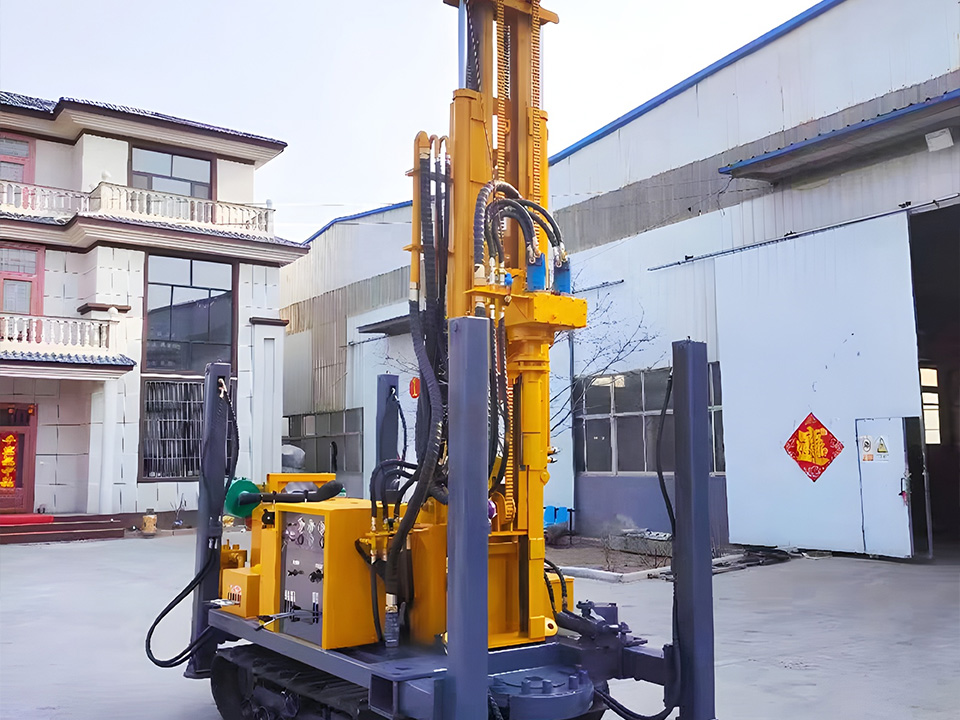
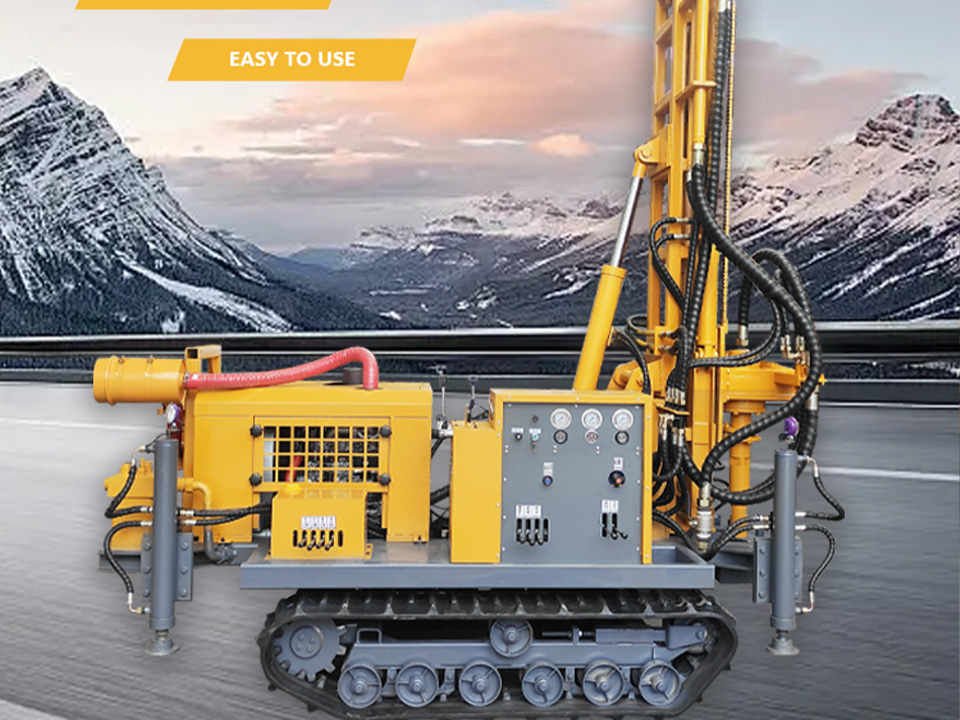
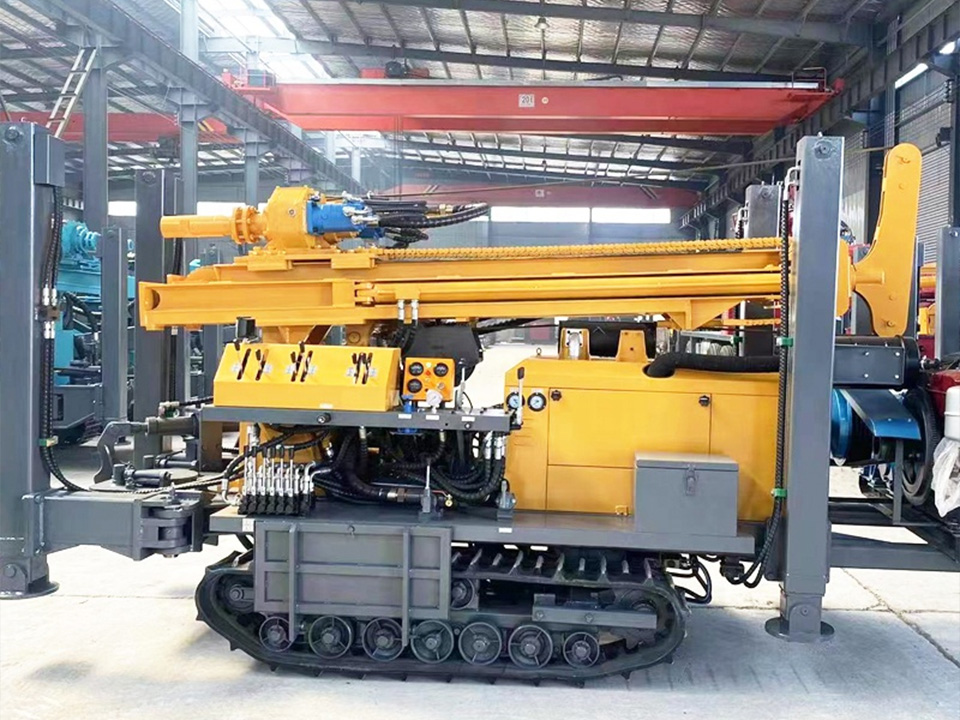
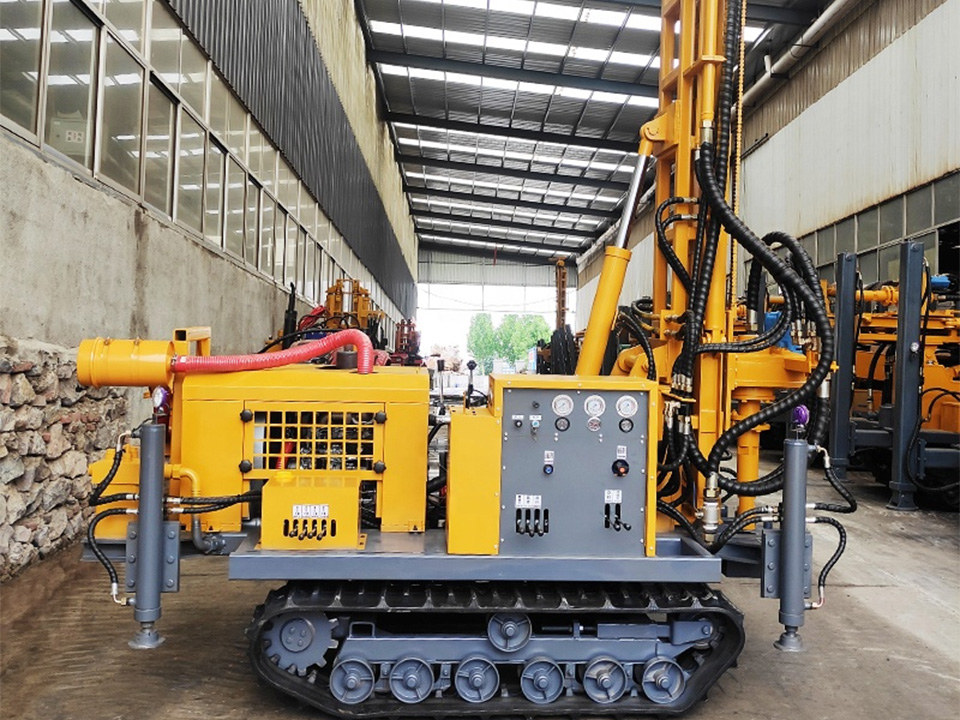
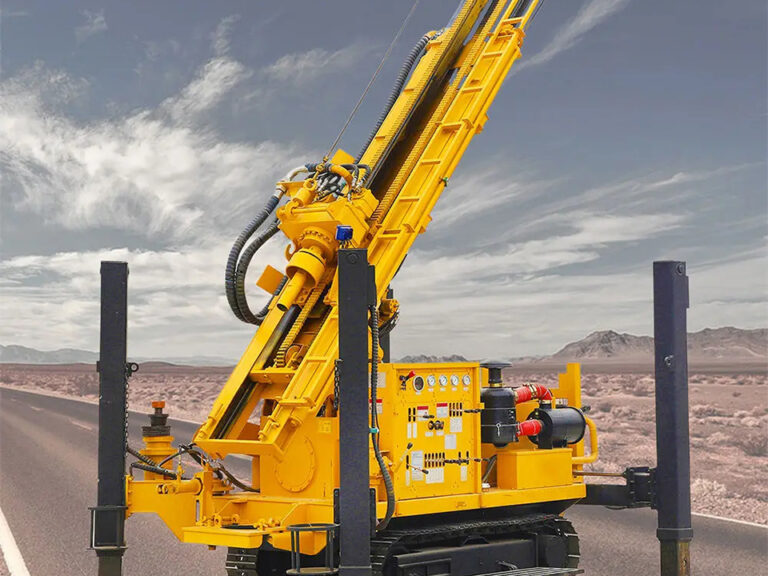
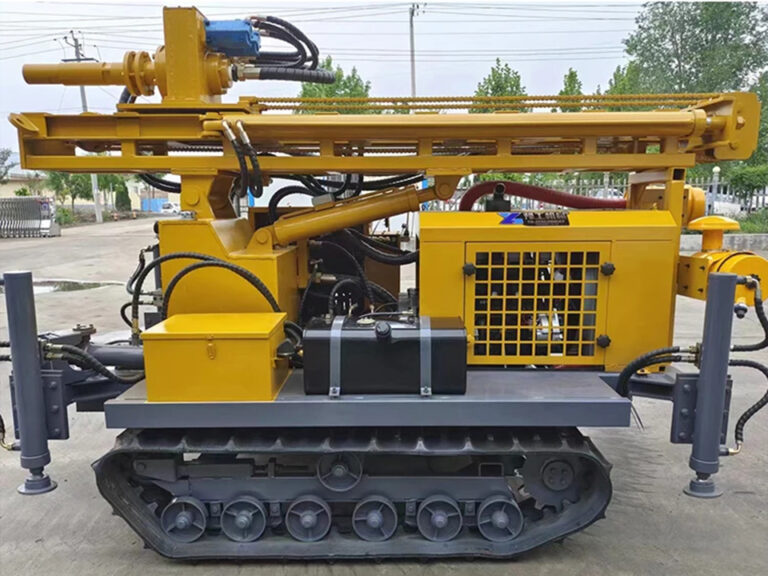
That’s why fleet logic matters. If your work is truly rock-heavy, a setup built around platforms like a KG726 ground drilling rig for production-style drilling work plus a proper DTH package may be the honest answer. If your revenue leans toward water wells in mixed or loose formations, the buying conversation needs to stay tied to borehole stability, casing plan, aquifer protection, and final diameter.
My Unpopular Opinion on “Versatility”
Most rigs aren’t versatile. Crews are.
Salespeople hate that sentence. Too bad.
Real versatility comes from the driller’s judgment, mud management, compressor sizing, casing strategy, and the ability to read when the hole is about to go sideways. The machine matters, yes. But not as much as people pretend.
So when someone asks me which drilling method fits their jobs, I ask five harder questions:
What percentage of your annual footage is hard rock versus loose overburden?
Not your dream pipeline. Your invoices.
What borehole diameter do your normal completions require?
Because some “drilling” decisions are really completion decisions.
How reliable is your water supply, mud handling, and site support?
Mud rotary without fluid discipline is just expensive mud gymnastics.
Can your compressor package honestly support DTH at your target depths?
Too many buyers spec the hammer and starve the air.
What happens when the same hole throws mixed geology at you?
That’s where brochure claims start to look thin.
FAQs
Is mud rotary or DTH better for water wells?
Mud rotary and DTH are both viable water-well drilling methods, but mud rotary is usually better for unconsolidated formations and larger-diameter well construction, while DTH is usually better for hard-rock penetration where straight holes and faster rock advance matter more than fluid-supported borehole stability.
That’s the short answer. The real one is uglier: mud rotary often wins where hole control matters more than raw speed, and DTH often wins where rock strength is the main problem. The better method is the one that matches formation and completion, not the one with the louder sales pitch.
What geology favors DTH drilling?
DTH drilling is generally favored in hard, competent, or semi-competent rock formations because the down-the-hole hammer delivers impact energy directly at the bit, which usually increases penetration efficiency, maintains straighter rock drilling, and reduces the frustration that rotary-only systems face in dense lithologies.
Think basalt, granite, quartzite, and hard limestone. But don’t get lazy—fractured or mixed ground can still complicate the upper section and force casing or other control measures before the hammer really earns its keep.
What geology favors mud rotary drilling?
Mud rotary drilling is generally favored in unconsolidated, loose, or unstable formations because the circulating drilling fluid helps lift cuttings, cool the bit, and stabilize the borehole wall, which makes it better suited to sands, clays, gravels, and mixed overburden common in many water-well projects.
That is the polished version. The field version is simpler: if the hole wants to cave, slough, or wash out, mud rotary often gives you a fighting chance—assuming the mud program is not a mess.
How should buyers choose between mud rotary and DTH?
Buyers should choose between mud rotary and DTH by ranking geology first, completion diameter second, depth-related cost structure third, and final water-yield objectives fourth, because the wrong drilling method usually fails through formation mismatch and operating-cost leakage long before it fails on brochure specifications.
I’d add one more thing: review the last 12 months of real jobs. Sort them by formation, depth, diameter, and completion style. That boring exercise usually tells the truth faster than ten sales meetings.
Is DTH cheaper than mud rotary?
DTH is not automatically cheaper than mud rotary, because although it can reduce time and improve penetration in hard rock, it often shifts cost into compressors, fuel, hammer wear, bit consumption, and dust control, while mud rotary shifts cost into drilling fluid management, slower hard-rock progress, and well development.
So the cheaper method is usually the one that fits the ground. In hard rock, DTH often looks cleaner. In unstable overburden or larger-diameter water-well work, mud rotary can prevent failures that cost far more than slower footage ever would.
Your Next Steps
Don’t buy the brochure. Buy the fit.
Pull your last year of jobs. Split them by geology, depth band, completion diameter, compressor demand, fluid demand, downtime cause, and the moments when the hole got ugly. Then compare that evidence against the method you think you want.
If your work is mostly hard rock, build your shortlist around DTH and the full air package it actually needs. If your revenue comes from water wells in loose or mixed formations, keep mud rotary, hole stability, and completion quality at the center of the decision. And if your market is split—which is common—stop chasing one magic-machine story and start thinking like a fleet planner.