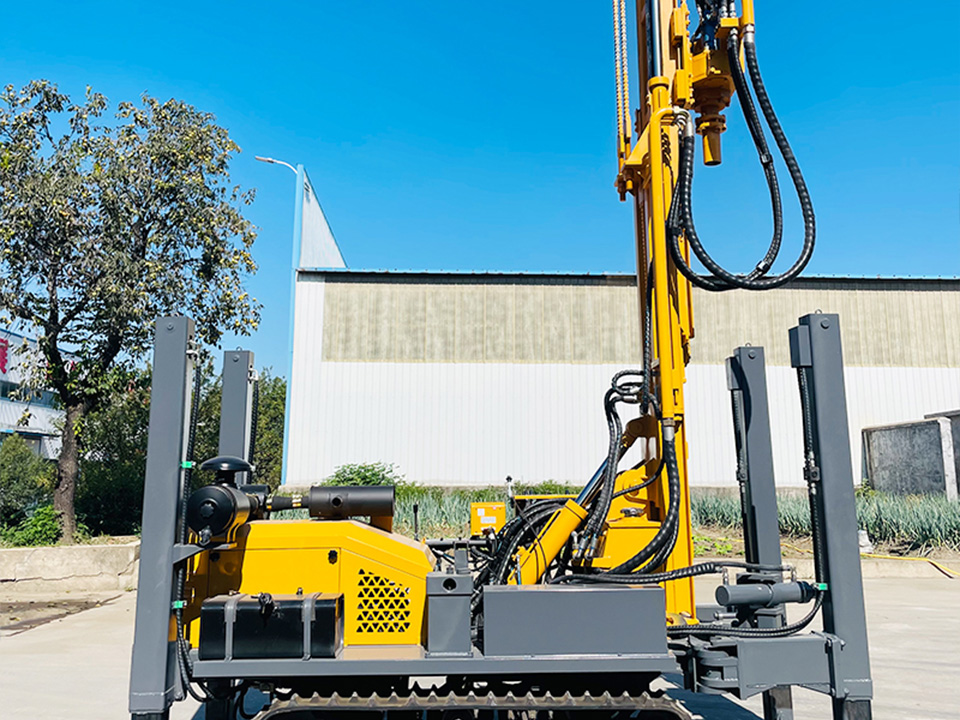
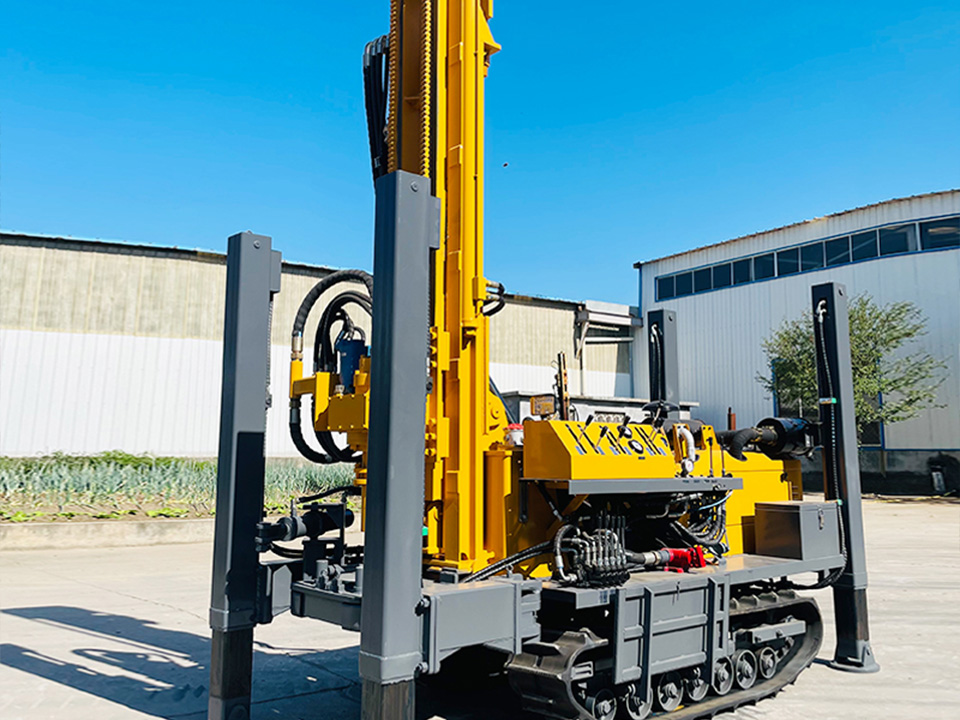
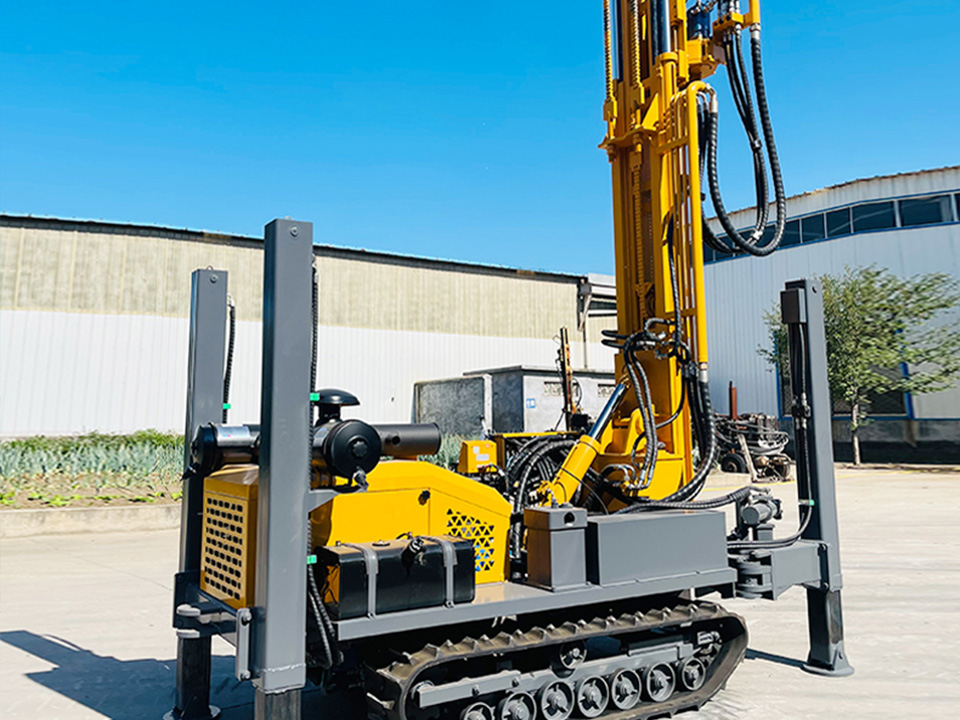
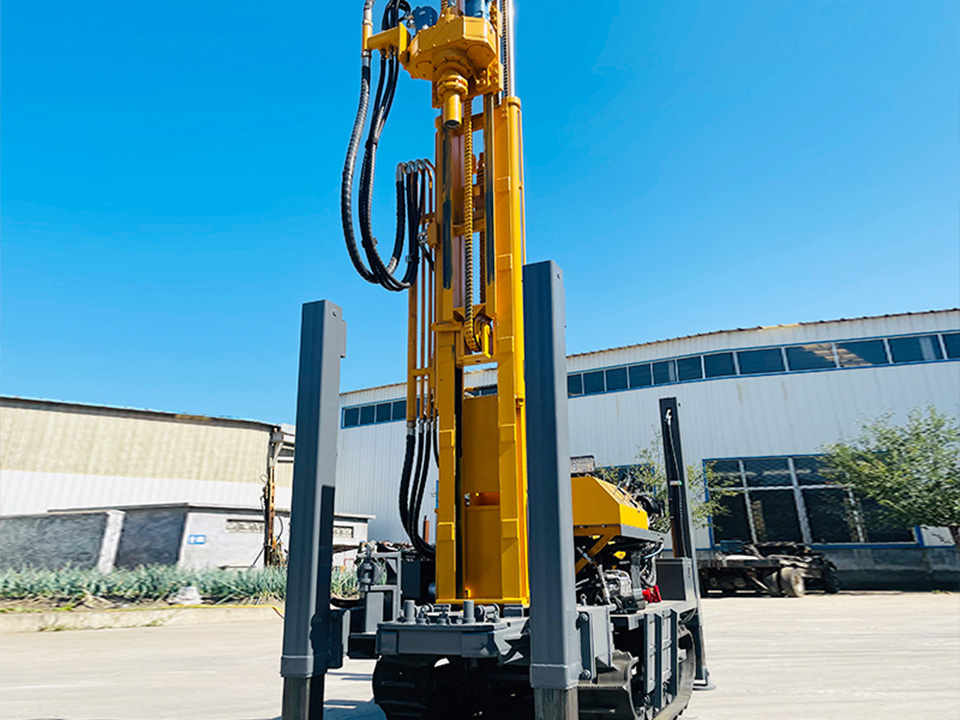
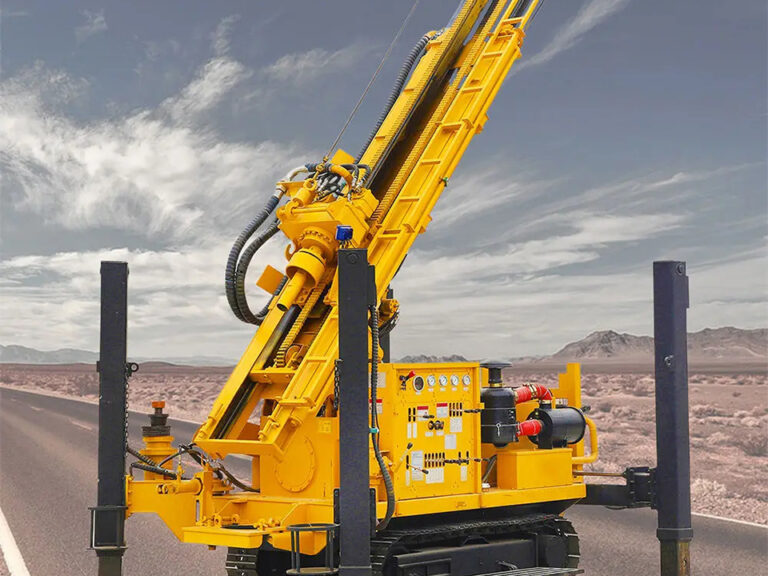
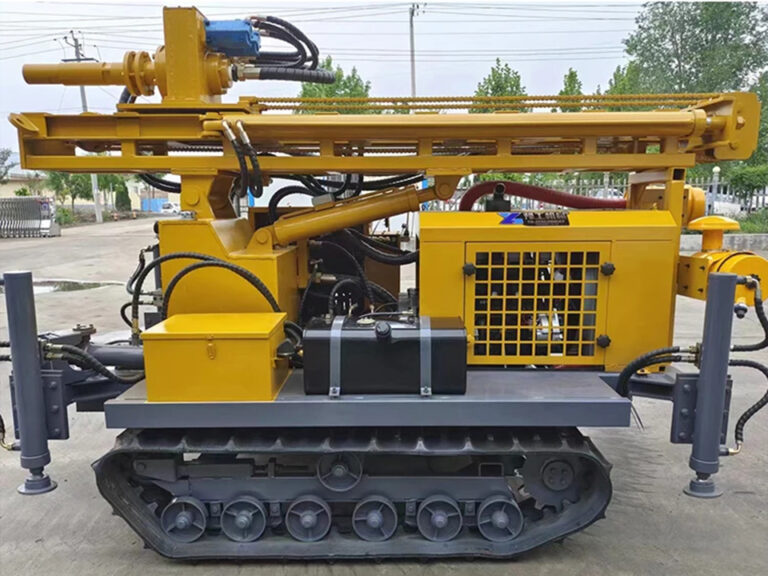
“The Drilling Rig gave us a true one-stop solution. Their team matched the right rig, compressor, and drilling tools for our project, and the engineering support stayed fast and professional from quote to delivery.”
Which Drilling Mud Fits Your Rig, Formation, and Well Goal
Mud changes everything.
I’ve watched buyers burn half a day comparing engine brands, pullback figures, mast travel, crawler versus truck mobility, and transport width, then wave off the mud program like it’s just a barrel item the driller can sort out on site—which, frankly, is how perfectly decent rigs end up getting blamed for caving shoulders, balled-up bits, smeared aquifers, ugly hole cleaning, and costs that drift way past the neat little number on the quotation sheet.
It happens.
Table of Contents
And I frankly believe this is one of the dirtiest little mistakes in the water well business: people buy steel first, then think about fluid later. Backward logic. The mud system isn’t some add-on. It’s part of the drilling system, full stop.
The question most buyers ask too late
But here’s the ugly truth: “Which rig should I buy?” usually isn’t the first real question. It’s the second. The first question—the one that saves money—is uglier:
What fluid plan keeps this hole alive long enough to finish it properly?
Because once the ground goes sideways, catalog language stops helping. Loose sand doesn’t care about brochure wording. Swelling clay doesn’t care what the salesman promised. Broken rock? Worse. It can make a good-looking rig feel clumsy fast if the mud program is wrong.
People say “drilling mud” like it’s one decision. It isn’t. It’s at least three stacked on top of each other—and if you get one of them wrong, the whole well can start acting stupid.
What exactly are you trying to stabilize?
In loose overburden—sand, gravel, washed stuff—the job is usually obvious: build some wall support, keep the returns moving, stop the hole from unraveling before casing shows up. Old-school, yes. Still real.
In clay or shale, though, the problem changes. Now you’re not just holding the wall. You’re trying to manage hydration, softening, slough, time-on-open-hole, all that messy stuff crews complain about after the first interval looks “fine.” I’ve seen that movie.
And the research backs that up. A 2024 paper in Frontiers found that shale strength weakened over time when exposed to water-based drilling fluid, with the biggest drop happening early. That lines up with field reality more than a lot of polished marketing copy does. Some holes don’t fail right away. They wait.
Then they punish you.
How do you want the cuttings to behave?
That’s not a small question. It’s the whole hydraulics game.
If your annulus is dirty, if the junk isn’t lifting cleanly, if the bit’s chewing the same trash twice, you’re not “drilling.” You’re circulating frustration. Thick, solids-rich systems can give you more suspension and a wider comfort zone. Cleaner, lower-solids systems can also clean well—but only if the crew is paying attention and the fluid properties aren’t wandering all over the place.
That’s the catch.
What damage can the finished well actually tolerate?
A mud can look great during drilling and still hurt the finished well. That’s where buyers get fooled. They watch penetration rate. They watch whether the bore stayed open. They don’t think enough about filter cake, fines invasion, fracture smearing, development time, or long-term yield.
And for potable water wells, that sloppiness can spill into compliance. Utah’s well construction rule says bentonite or polymer drilling fluid is not grout and can’t be treated as sealing material. That’s not a trivial legal detail. That’s a bright line. Here it is: law.cornell.edu.
So no—mud and seal are not the same thing. Not even close.
Bentonite vs polymer drilling mud: same family, different temperament
I get irritated when people flatten this into a cartoon argument. “Bentonite bad, polymer modern.” Nonsense. That’s lazy talk from people who won’t be there when the bore starts eating tools.
Bentonite still earns respect
Bentonite has been around forever because it works. Not because it’s fashionable. Because it works.
What you usually get with a bentonite-heavy system is support. Structure. Suspension. A better safety margin when the ground is loose and the crew isn’t made up of fluid nerds measuring every little property like they’re in a lab. In actual field conditions, that forgiveness matters.
A lot.
But—and this is where the sales guys get quiet—you also get solids. More potential wall cake. More cleanup. Sometimes slower drilling. Sometimes more trouble during development. It’s not “free stability.” It’s a trade.
Polymer can be smarter. It can also be a mess.
From my experience, polymer systems shine when you care about lower solids, cleaner completion, and preserving productivity in the formation. They can absolutely be the better call.
Until they aren’t.
Because polymer is less forgiving. Bad make-up water, contamination, lazy mixing, poor pH control, crews eyeballing instead of checking—those things can turn a fancy fluid system into garbage fast. Bentonite will often tolerate rougher handling. Polymer usually won’t.
That’s why I don’t buy the phrase “better fluid” unless somebody finishes the sentence. Better for what? Better in what ground? Better with which crew?
Otherwise it’s just sales perfume.
Formation stability is where the brochure starts lying
Yet this is the part that separates field thinking from catalog thinking.
A lot of people still think more mud weight, more viscosity, more wall cake—that must mean more stability. Sometimes. Sometimes not. In naturally fractured ground, that logic can blow up on you. A 2024 study in ScienceDirect found that drilling mud intrusion into fractures can weaken fracture surfaces and, under some conditions, make borehole stability worse rather than better.
Read that again.
So when somebody says, “Just thicken it up,” I get suspicious. In caving sand, maybe that helps. In fractured rock, it might just mean you’re forcing more trouble into the rock mass and congratulating yourself while doing it.
That’s the sort of thing outsiders miss. The formation doesn’t reward confidence. It rewards accuracy.
Your rig and your fluid plan are tied together whether you like it or not
This is where buyers usually split the problem in two—and that split costs them money.
They spec the rig on paper. Then they hope the mud program adapts. But once the fluid system gets heavier, dirtier, or more demanding, the rig’s role changes. Circulation becomes a bigger deal. Site support becomes a bigger deal. Tank handling, mixing discipline, solids management, crew routine—all bigger deals.
And if the fluid plan is cleaner, lower-solids, more sensitive? Then brute-force tolerance matters less and control matters more. Now the crew has to stay inside a narrower window. Now sloppy habits show up faster.
Cost is where bad mud strategy finally shows its face
Here’s the part buyers hate because it ruins clean spreadsheet thinking: the cheapest rig quote doesn’t usually decide the cheapest completed well.
Mud logistics matter. Disposal matters. Development time matters. Stuck pipe risk matters. Delays matter. Extra conditioning runs matter. Reaming matters. Water quality for mixing matters. Standby time matters. All the ugly little things.
That’s why I paid attention when Reuters reported in May 2024 that Baker Hughes was building Namibia’s first liquid mud plant because operators had been importing drilling fluids from Angola and waiting weeks for supply. Different segment of drilling, sure. Same brutal lesson: if your fluid chain is weak, your economics are weak.
That’s not theory. That’s real-world drag.
So when a buyer says, “We’ll source the mud locally later,” I hear something else: “We haven’t priced the real job yet.”
A practical comparison buyers can use
Decision factor
Bentonite-heavy drilling mud
Polymer-focused drilling fluid
What it means for the buyer
Loose sand and gravel
Strong wall support and filter cake
Can work, but less forgiving
Good option when bore support is the main risk
Reactive clay or shale
May worsen hydration if poorly managed
Often better when lower solids matter
Chemistry and exposure time matter more
Fractured rock
More mud weight is not always safer
May reduce some solids-related damage
Do not assume thicker mud fixes instability
Cuttings control
Strong suspension
Cleaner system possible with discipline
Crew skill changes the result
Development risk
Can be higher if filter cake is heavy
Often better for productivity-sensitive wells
Cheap mud can create expensive cleanup
Crew tolerance for mistakes
More forgiving in many field jobs
Less forgiving
Match the fluid to the actual team, not the ideal one
I like this table because it cuts through the fluff. Not perfectly, no. But better than most sales sheets.
What I’d actually do in the field
When I lean toward bentonite
If the formation is loose, ugly, washing, caving, or just generally trying to embarrass the driller, I lean bentonite. It gives the crew a bigger operating window, and sometimes that’s the difference between a controlled job and a circus.
But I don’t romanticize it. A hole can look stable and still leave you with a dirty completion and extra development pain later.
When I lean toward polymer
If yield protection matters more, if lower solids matter more, if the job is sensitive and I want a cleaner finished result, then yes—I lean polymer. Often gladly.
But only when the crew can actually run it. That’s the non-negotiable. A sharp fluid program in careless hands isn’t a premium system. It’s just premium waste.
When I rethink the whole package
And sometimes mud isn’t the main decision at all. Sometimes it’s the alarm bell telling you the whole package needs another look—rig, pump support, casing plan, method, timing, logistics, all of it.
That’s when the wrong buying process gets exposed. The buyer thought they were shopping for a rig. They were really shopping for a system.
FAQs
What is drilling mud in water well drilling?
Drilling mud is a circulating fluid system, usually made from water plus bentonite, polymers, or both, used to carry cuttings, support the borehole wall, control fluid loss, and help the well reach casing and completion without collapse or excessive damage. In plain field language, it’s the hole’s support crew. It moves cuttings, calms unstable ground, and buys time while the well is still open.
What is the best drilling mud for water well drilling?
The best drilling mud for water well drilling is the fluid system that matches the failure mechanism of the formation, the crew’s ability to control fluid properties, and the final goal of the well, whether that is easy penetration, borehole stability, or better post-drill productivity. I wouldn’t choose “best” by habit. I’d choose by geology, crew quality, and how much formation damage the finished well can tolerate.
How do I choose drilling mud for formation stability?
Choosing drilling mud for formation stability means identifying whether the bore is failing because of caving walls, shale hydration, fracture invasion, poor cuttings removal, or excessive exposure time, then selecting a fluid chemistry and solids profile that addresses that mechanism without causing a bigger completion problem. That sounds simple. It isn’t. The 2024 shale and fractured-rock studies show exactly why one generic answer doesn’t survive real geology: frontiersin.org and sciencedirect.com.
Is bentonite or polymer better for borehole stability?
Bentonite is generally better when you need stronger wall-building support and a more forgiving fluid system, while polymer is often better when lower solids, cleaner completion, and reduced formation damage matter more than brute slurry support. Better during drilling does not always mean better for the finished well. That’s the trap. Stability on day one can still turn into lower yield later if the fluid damages the productive zone.
Can drilling fluid be used as sealing material in a water well?
No. Drilling fluid is not sealing grout, and water well rules can explicitly prohibit using bentonite or polymer drilling mud as a substitute for approved sealing materials. That distinction matters more than some crews admit. Utah’s rule makes it clear: law.cornell.edu. Mud helps you drill. Seal materials help you finish the well correctly. Different jobs.
Why does the mud plan influence rig selection?
The mud plan influences rig selection because fluid type changes circulation demand, cuttings transport, solids handling, formation damage risk, and the level of crew control needed to finish the well properly. Put bluntly, a rig isn’t just steel and horsepower. It’s the platform carrying the hydraulic and fluid logic the formation forces on you.