“The Drilling Rig gave us a true one-stop solution. Their team matched the right rig, compressor, and drilling tools for our project, and the engineering support stayed fast and professional from quote to delivery.”
How to Choose the Right Water Well Drilling Rig for Your Market
Most buyers overthink specs.
Table of Contents
I do not buy the brochure logic, because the rig that wins in-market is usually not the one with the biggest headline depth rating but the one that fits the dominant buyer, the dominant formation, the dominant access problem, and the service capacity you can support after the sale. What are you really selling here: steel, or fit?
The market decides first, the machine second
Start with demand, not romance.
Here is the hard truth: groundwater stress and water-quality regulation are pushing many buyers toward deeper, cleaner, or replacement-well decisions, but that does not automatically mean every distributor should stock a heavier rig. Reuters’ January 2024 report on accelerating groundwater decline pointed to widespread and “accelerated” declines in groundwater levels, the EPA’s April 2024 PFAS rule set enforceable drinking-water limits as low as 4.0 parts per trillion for PFOA and PFOS, and California’s 2024 Needs Assessment showed modeled drilling cost for a new public-supply well rising from $790,000 to $900,000, with total modeled new-well cost for 59 systems jumping 63%, from $93 million to $152 million. That is not a niche signal. It is a procurement signal.
So I would segment the market before I compare compressors, pull-back force, or mast stroke.
Segment A: shallow-to-mid depth domestic and small farm demand
This is the volume lane.
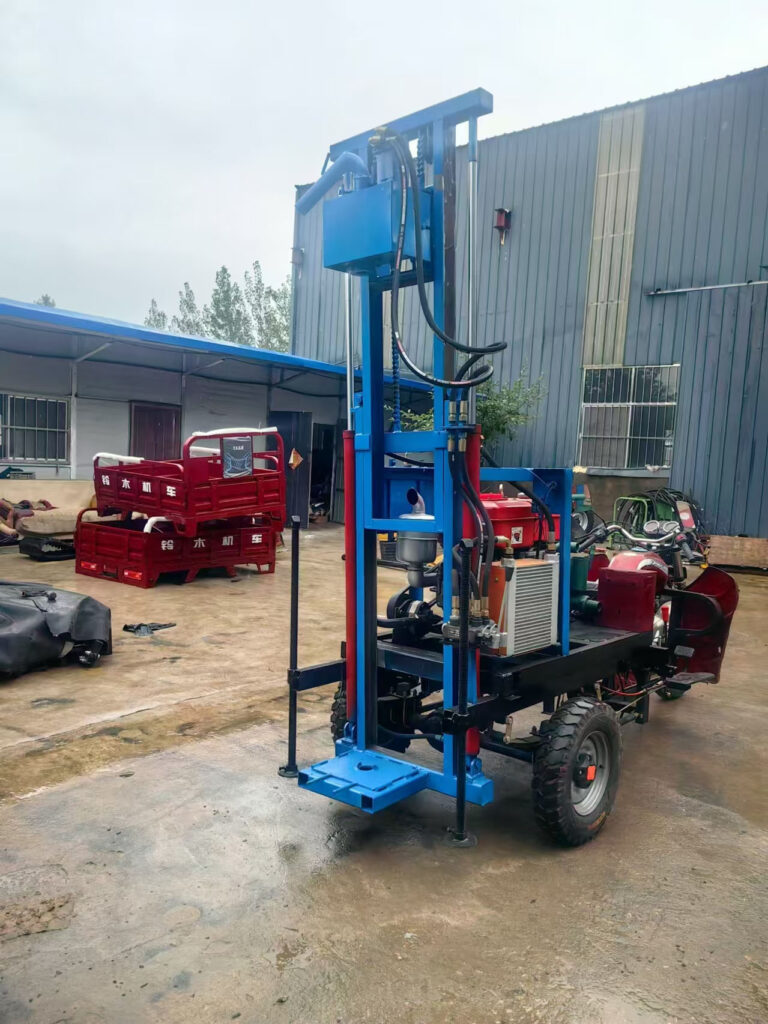
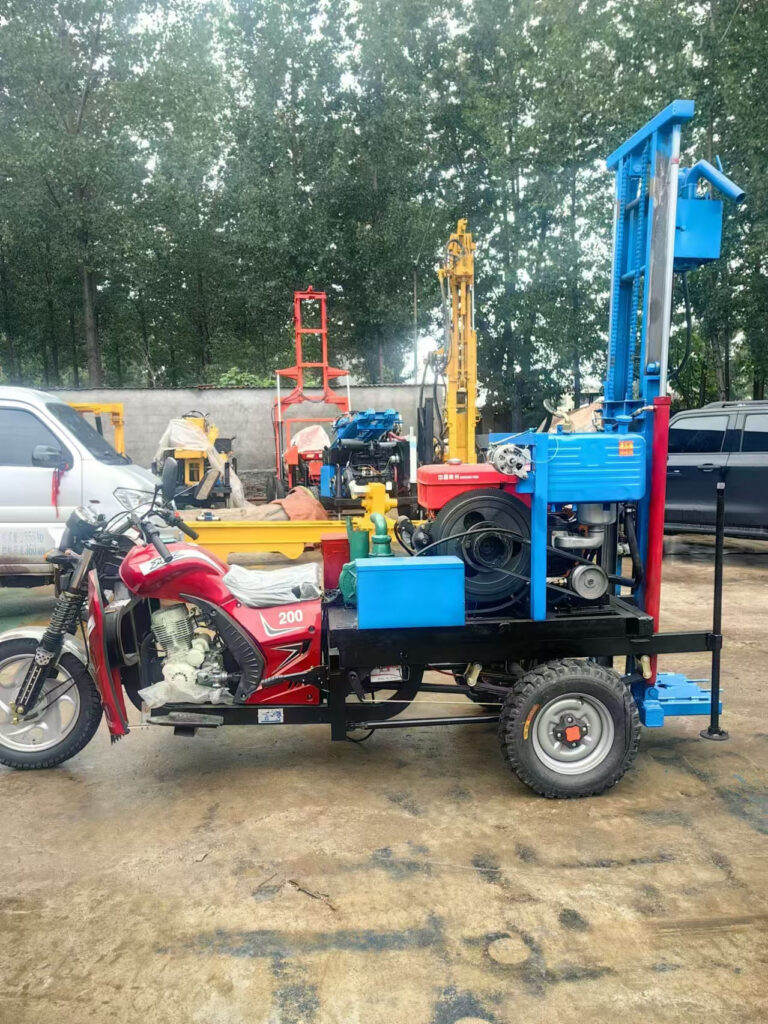
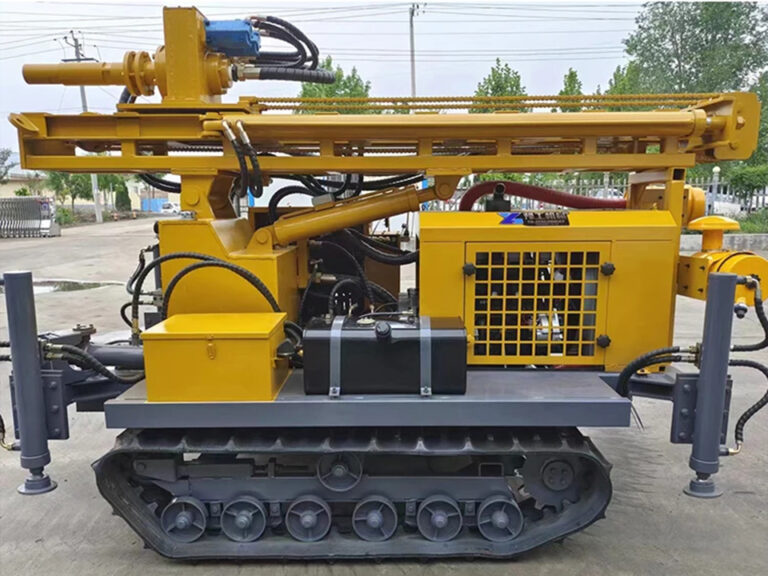
If your dealers mostly serve household wells, light agricultural jobs, and rural contractors working on poor roads or tight plots, a portable platform will usually outsell a heavier crawler, especially where transport cost, quick setup, and lower crew complexity matter more than heroic depth claims. For this kind of territory, a 300-meter portable diesel water well drilling rig is the kind of line-card entry that makes commercial sense because it covers the broad middle without forcing the buyer to pay for capacity they rarely monetize.
Segment B: mixed contractors who need more headroom
This is where many distributors get greedy.
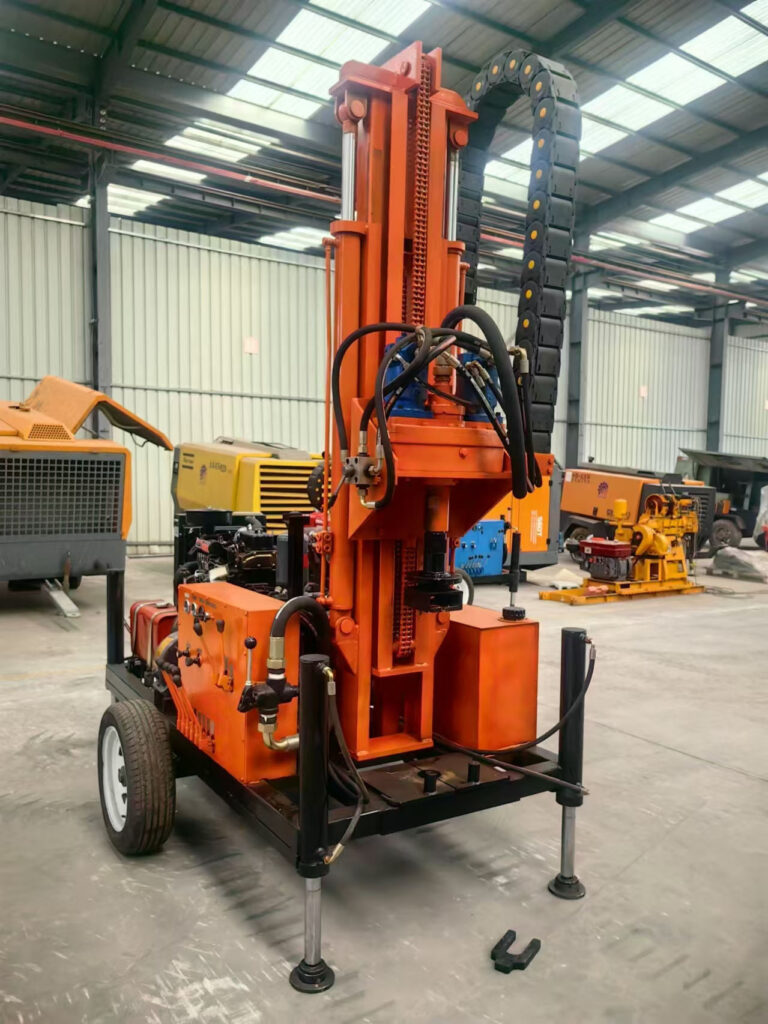
The safer move is not to jump straight from light portable to extreme-capacity inventory; it is to carry one mid-tier machine that can absorb deeper residential, commercial, and light municipal demand. A 450m 70kW portable diesel water well drilling rig fits that bridge role well in a catalog because it expands addressable depth demand without pushing every quote into oversized-machine economics.
Segment C: fractured rock, basalt, granite, and hard formations
Rock changes everything.
NC State Extension notes that hydraulic rotary and air rotary methods differ materially by geology, with drilled rotary methods reaching practical depths up to 1,000 feet depending on method and setting, while bedrock applications are suited to air-rotary approaches; UC Davis likewise notes that hardrock wells are generally drilled with air rotary equipment, while reverse rotary and rotary methods need substantial circulation water and mud-pit support. In plain English, when your territory is dominated by hard rock and fractured formations, you should stop pretending a generic water well drill rig will behave like a DTH rig just because the brochure says “multi-function.” It will not.
A lot of importers still ask the wrong first question: “What is the max drilling depth?” I would ask three others first, in this order: what is the dominant lithology, what finished hole diameter is actually sold, and how often do jobs happen where water supply for mud circulation is limited?
In unconsolidated sands, gravels, and mixed alluvium
Rotary is usually the sensible answer.
NC State describes hydraulic rotary as a method that uses a water-and-clay slurry to cool the bit and remove cuttings, and it shows drilled rotary methods fitting unconsolidated materials as well as bedrock depending on method; UC Davis adds that unconsolidated and semi-consolidated materials are commonly handled by reverse rotary and cable-tool methods, while reverse rotary and rotary need large amounts of circulation water and mud-pit preparation. So when your end users are drilling in loose formations and can manage water logistics, I would bias toward rotary-friendly portable water well drilling rig options, not a DTH-first catalog.
In hard rock, especially where penetration rate matters
Air and DTH get serious fast.
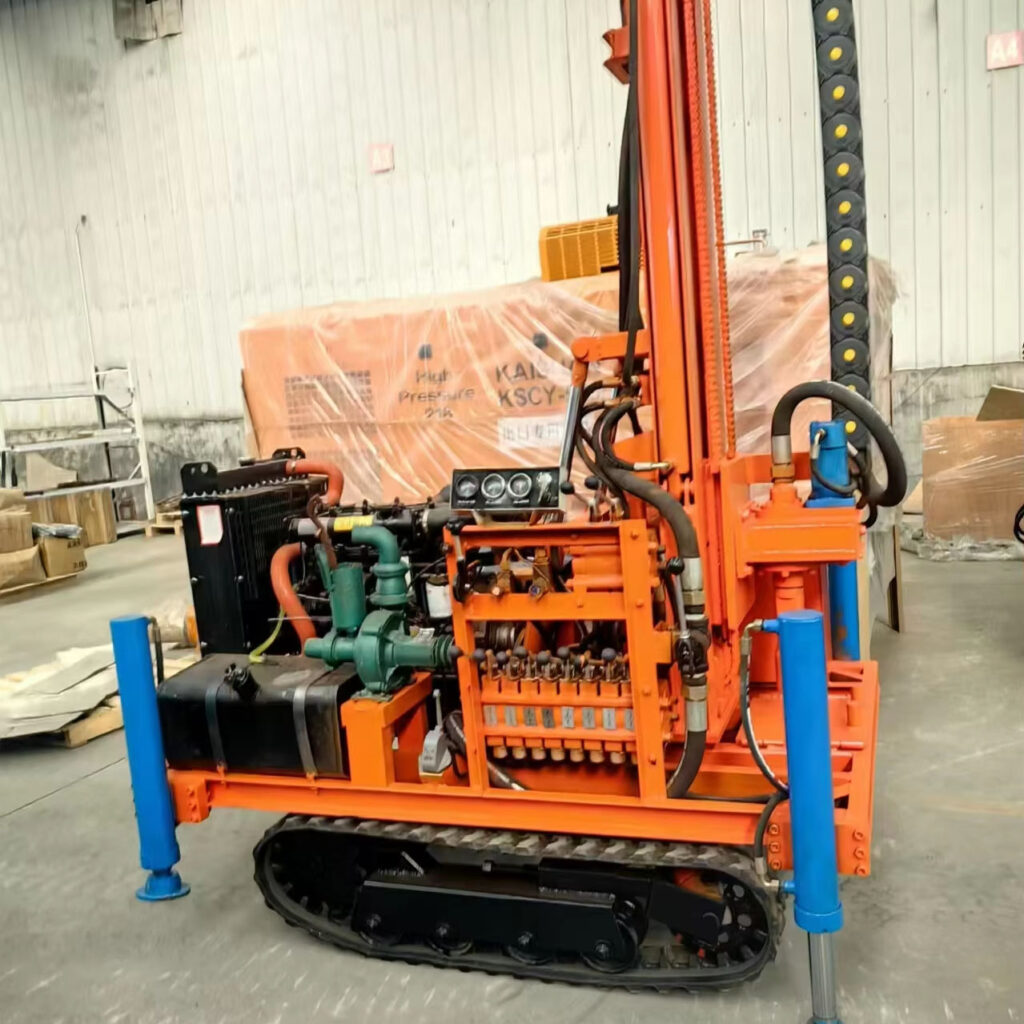
EPA guidance on drilling methods explains that air rotary uses compressed air to lift cuttings, requires high air volumes and compressor horsepower, and that down-the-hole percussion hammers can rapidly penetrate bedrock materials. That is why a DTH water well drilling rig is not just a technical variant; in the right geology it is a market fit, a margin protector, and often the difference between a dealer looking smart or looking trapped on a slow hole.
In water-quality sensitive or regulated areas
Fluid management stops being a side note.
EPA also warns that rotary methods can introduce contamination through fluids or air streams if compounds and cuttings are not controlled properly. Pair that with the EPA’s April 2024 PFAS regulation, which now places enforceable federal limits on PFOA, PFOS, PFNA, PFHxS, and HFPO-DA/GenX-related compliance decisions, and the point is obvious: in higher-scrutiny markets, the “right” rig is partly a drilling-method choice and partly a contamination-risk choice. That matters in municipal tenders and serious contractor bids, not just in lab discussions.
A rig-fit matrix that commercial teams can actually use
Most sales teams need a decision tool, not another engine-data sheet.
Buyer pattern in your market
Typical formation
Real depth demand
Best rig class to lead with
Why it fits
Domestic wells, small farms, light rural contractors
Better alignment with DTH logic where penetration in rock is the real buying driver
This matrix is not theology.
It is a commercial shortcut built on a simple idea: match the dominant 80% of jobs in your territory, then keep one adjacent rig class for the next 15%, and stop wasting capital on the final 5% unless your dealer network already has the crews, compressor support, tooling discipline, and parts discipline to sell that machine properly.
The data points distributors should not ignore
Numbers change behavior.
A 2023 Scientific Reports study on California’s Central Valley analyzed about 30,000 domestic wells and 5,300 public-supply wells and estimated that 32% of domestic wells and 21% of public-supply wells would be partially or fully dewatered if groundwater levels reach proposed minimum thresholds; the authors said that means more than 10,000 drinking-water wells are impacted. I would not treat that as a California-only story. I would treat it as a warning that replacement-well demand, deeper-well demand, and politically sensitive drilling decisions are getting tighter, more technical, and more expensive.
And the California cost signal is even blunter.
The State Water Board’s 2024 assessment assumed a new public-supply well depth of 1,000 feet, raised modeled drilling cost to $900,000 from $790,000, and estimated total long-term and interim needs for high-risk small systems and domestic wells at roughly $4.9 billion, up about $3.6 billion from 2021. So when a buyer asks for “the best water well drilling rig,” my answer is usually annoying but correct: the best rig is the one that makes money at the formation-depth-compliance point your market actually repeats.
What I would stock if I were building the line card today
Not everything sells.
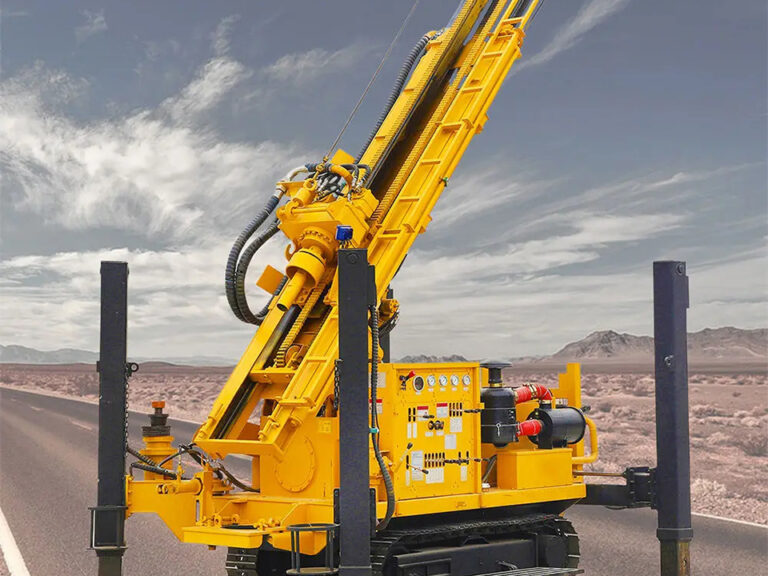
I would stock one portable water well drilling rig for high-volume rural bids, one mid-depth portable unit for broader contractor coverage, and one crawler/DTH option for rock markets. That three-tier structure is boring, which is exactly why it works: boring catalogs make money when they map to repeat demand.
Would I lead with the biggest rig in the brochure? No.
I would lead with the rig that local contractors can transport, fuel, maintain, and re-bid within 30 days, because the aftermarket eats fantasy for breakfast. And yes, I would train the sales team to ask about formation, casing program, compressor availability, and road access before they ever mention pull-down force.
FAQs
What is the biggest mistake when choosing a water well drilling rig?
The biggest mistake is choosing a water well drilling rig by maximum rated depth alone instead of matching the machine to the market’s dominant formation, finished hole diameter, access constraints, water availability for circulation, and service model that dealers can actually support after delivery. That mistake shows up when buyers push rotary rigs into hard-rock territories or DTH-led rigs into loose alluvium with poor air support, and both errors usually end in slow drilling, ugly costs, or warranty friction.
When should I choose a portable water well drilling rig?
A portable water well drilling rig is the right choice when your market is dominated by rural domestic wells, farm wells, lighter commercial jobs, narrow-access sites, and contractors who value mobility, simpler logistics, and lower acquisition cost more than extreme depth capacity or specialized hard-rock penetration rates. In those markets, portable units cover the broad middle of demand and usually turn faster because transport, setup, and crew requirements are easier to manage than with heavier crawler platforms.
When is a DTH water well drilling rig the right answer?
A DTH water well drilling rig is the right answer when the dominant geology is hard, consolidated, or fractured rock and buyers need faster penetration, stronger rock performance, and air-based drilling logic that fits bedrock better than mud-dependent rotary setups in repetitive rock applications. EPA guidance notes that air rotary with DTH hammers can rapidly penetrate bedrock, which is why DTH-led crawler rigs make sense in basalt, granite, and similar formations.
Does a deeper-rated rig automatically mean a better rig for my market?
A deeper-rated rig is only a better rig when the extra depth, compressor demand, structural mass, and operating cost line up with repeatable local jobs, because headline depth without matching geology, customer budget, and utilization rate usually creates dead inventory rather than better market coverage. California’s 2024 cost modeling and the Central Valley well-vulnerability research both point the same way: deeper and replacement wells can be necessary, but they are also expensive, selective purchases, not universal ones.
Your Next Steps
Do the audit first.
Map your last 50 qualified inquiries into five columns: buyer type, formation, required depth, road-access condition, and drilling method preference. Then build the line card around the most common pattern, not the loudest buyer.