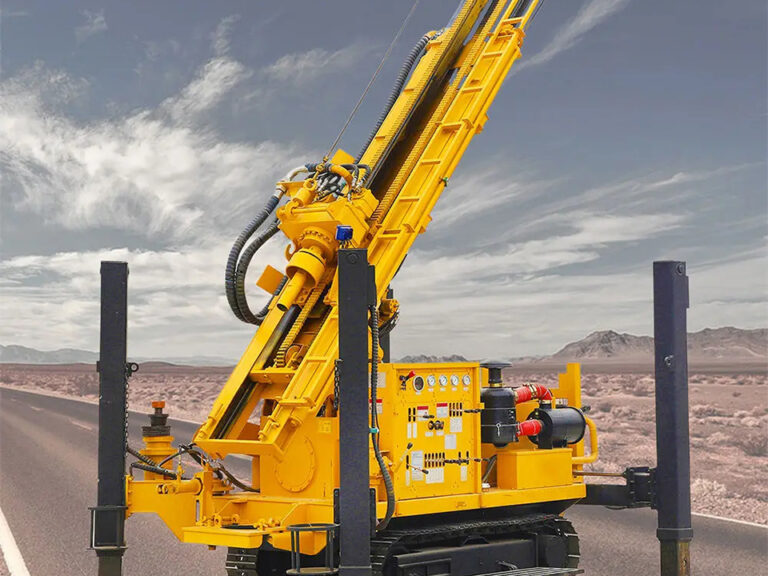
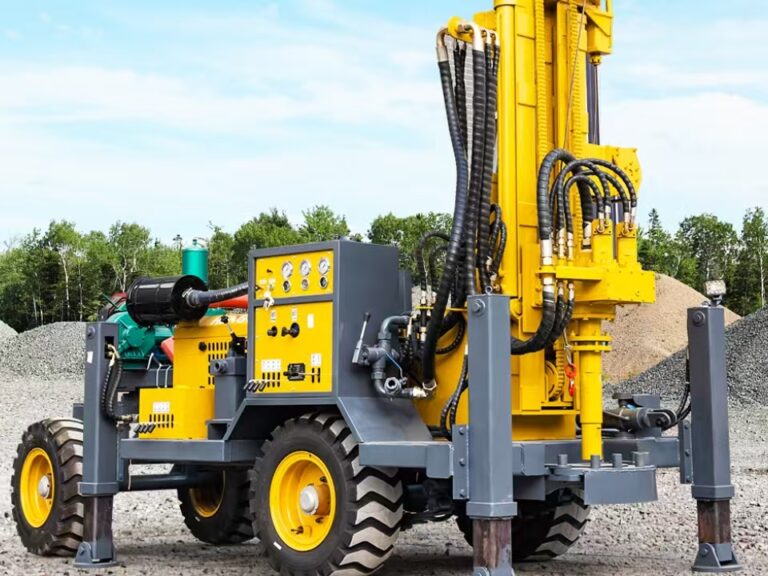
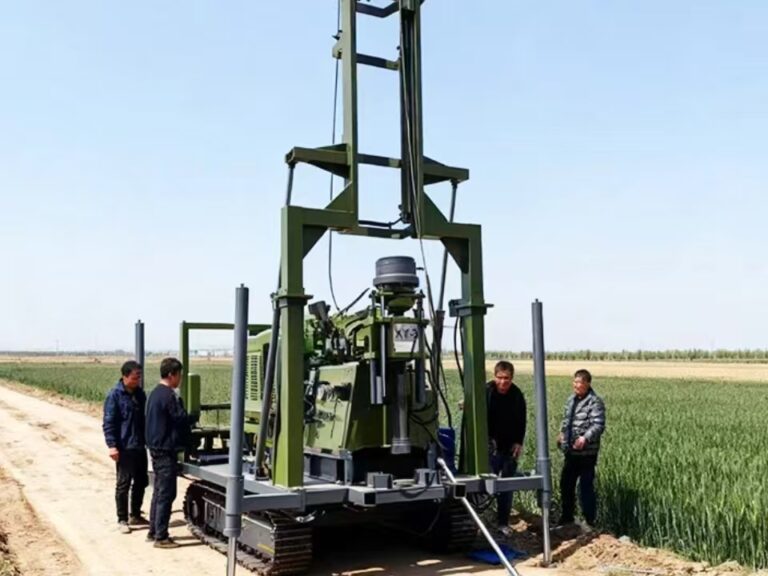
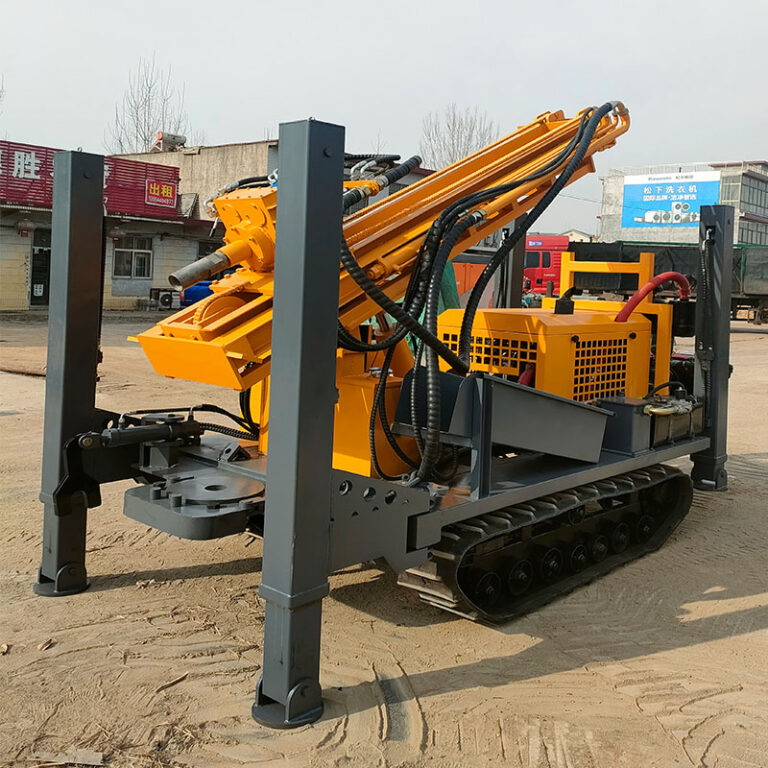
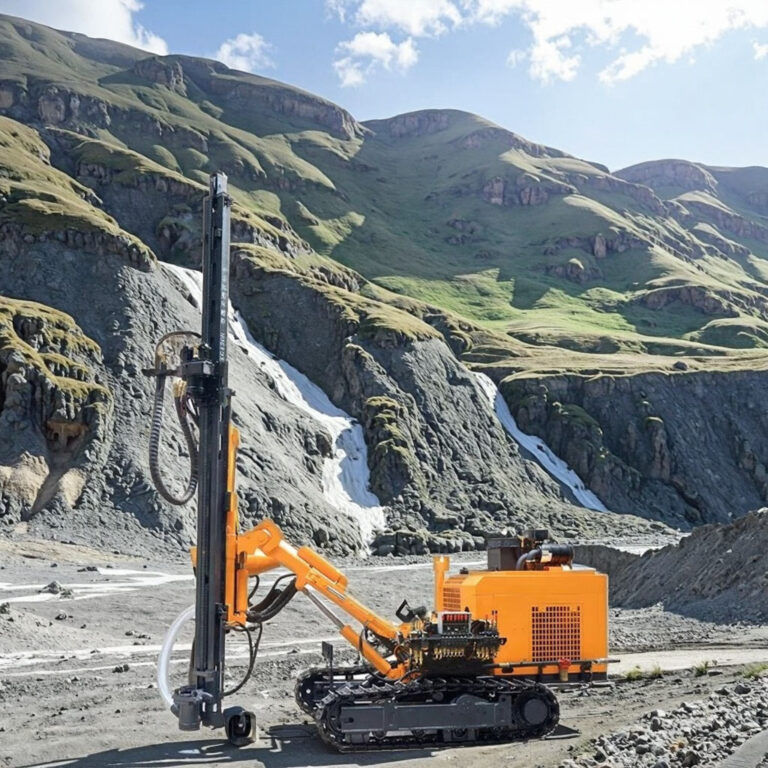
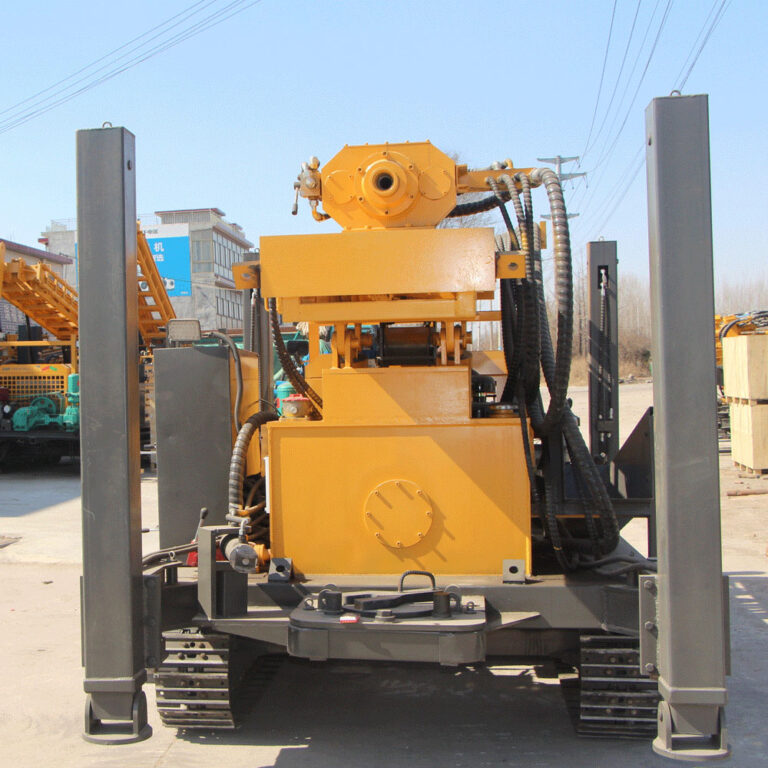
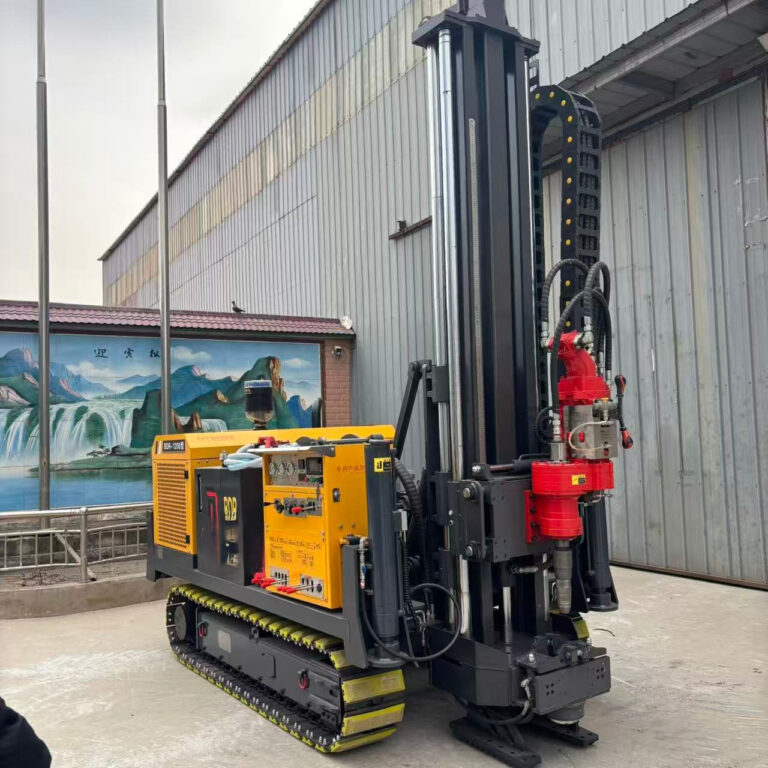
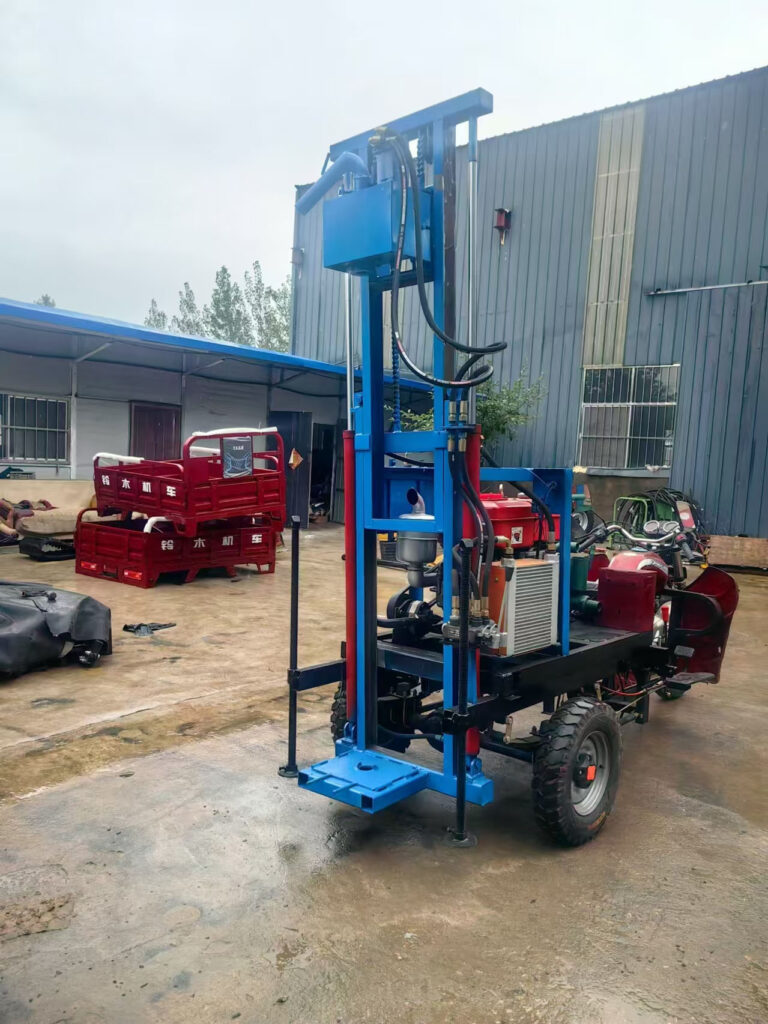
Best Rig Configuration for Hard Rock Borehole Programs

Hard rock borehole drilling is not won by buying the biggest rig on paper. It is won by matching torque, feed force, hammer size, air volume, compressor pressure, rod handling, and geology before the first meter is drilled.
Step-by-Step Water Well Drilling Process with Equipment Choices

Most buyers talk about price first. I think that is backward. In real drilling, the sequence matters more than the sticker: geology first, bore stability second, air package third, development fourth. Get those out of order and the well may still get finished, but it will not perform the way the quotation promised.
New vs Used Water Well Rigs: Risk, Uptime, and Payback

Cheap rigs are often expensive in disguise. This analysis breaks down how used-equipment savings can evaporate through downtime, parts delays, lower daily output, and poor serviceability—and when a used water well drilling rig still makes sense.
How to Match Pullback, Torque, and Stroke to Well Design

Most buyers still compare rigs backward. They start with horsepower, weight, and marketing claims, then hope the machine will somehow suit the hole. I do the opposite. I start with depth, casing, formation, rod length, and handling sequence—then I decide whether the rig’s pullback, torque, and stroke are enough.
How to Import a Water Well Drilling Rig Without Delays

Most drilling rig delays are not random. They start with lazy model descriptions, vague invoices, wrong shipping terms, and a broker who sees the file too late. Here is the import playbook I would use before wiring a deposit.
Case Study: A $20K Well Quote vs Owning a Drilling Rig

One $20K quote can make rig ownership look obvious. It usually is not. The real decision turns on how often that quote repeats, what the work mix looks like, and whether a rig can stay billed through slow months.
Mechanical vs Hydraulic Water Well Rigs: TCO and Output

Buyers obsess over purchase price because it is visible. I care more about the bill that shows up 18 months later: diesel, downtime, mechanic hours, rod abuse, weak control in mixed geology, and the lost revenue that never makes it into the quote comparison.
How to Choose the Right Water Well Drilling Rig for Your Market

Most distributors buy the wrong rig for the right reason: they over-index on maximum depth and underwrite the wrong customer segment. Here is the harder, better way to build a water well drilling rig line that actually sells.