“The Drilling Rig gave us a true one-stop solution. Their team matched the right rig, compressor, and drilling tools for our project, and the engineering support stayed fast and professional from quote to delivery.”
How to Import a Water Well Drilling Rig Without Delays
Bad process kills.
Table of Contents
I’ll be blunt: most import delays on a water well drilling rig are self-inflicted, then blamed on customs, ports, or “unexpected logistics,” which is industry code for somebody signed the pro forma invoice before locking down model specs, Incoterms, documentation ownership, and destination-country filing rules. And once a crawler rig or truck mounted water well drilling rig is on the water, your leverage drops fast. What did you think would happen?
According to UNCTAD’s February 2024 rapid assessment, monthly transits in both the Suez and Panama canals were down more than 40% from their peaks in early 2024, Panama was down about 49%, and container tonnage through Suez had fallen 82% by the first half of February. Reuters also reported that Red Sea diversions were adding roughly 10 days, sometimes one to three weeks, and forcing carriers onto longer, more expensive routes around the Cape of Good Hope.
So here is the hard truth.
The cheapest machine is rarely the cheapest import. The best water well drilling rig for export is the one backed by a disciplined technical file, a realistic shipping plan, and document control that survives contact with the broker, the terminal, and the customs desk.
Most “customs delays” actually start before production ends
I’ve read enough equipment pages and trade files to know the pattern: buyers obsess over unit price, then treat paperwork like admin fluff. That is backwards. For a borehole drilling rig import, the paper is the product until release is granted.
The U.S. International Trade Administration states that a commercial invoice is required for export and import clearance and is the document customs authorities use to assess duties and taxes. Trade.gov also identifies the packing list, bill of lading, proof of insurance, certificate of origin when applicable, and pre-shipment inspection documents as part of the wider documentation stack that may be required depending on the market. Meanwhile, CBP says Form 7501 is used to determine classification, origin, appraisement, and related entry information.
That matters more than buyers admit.
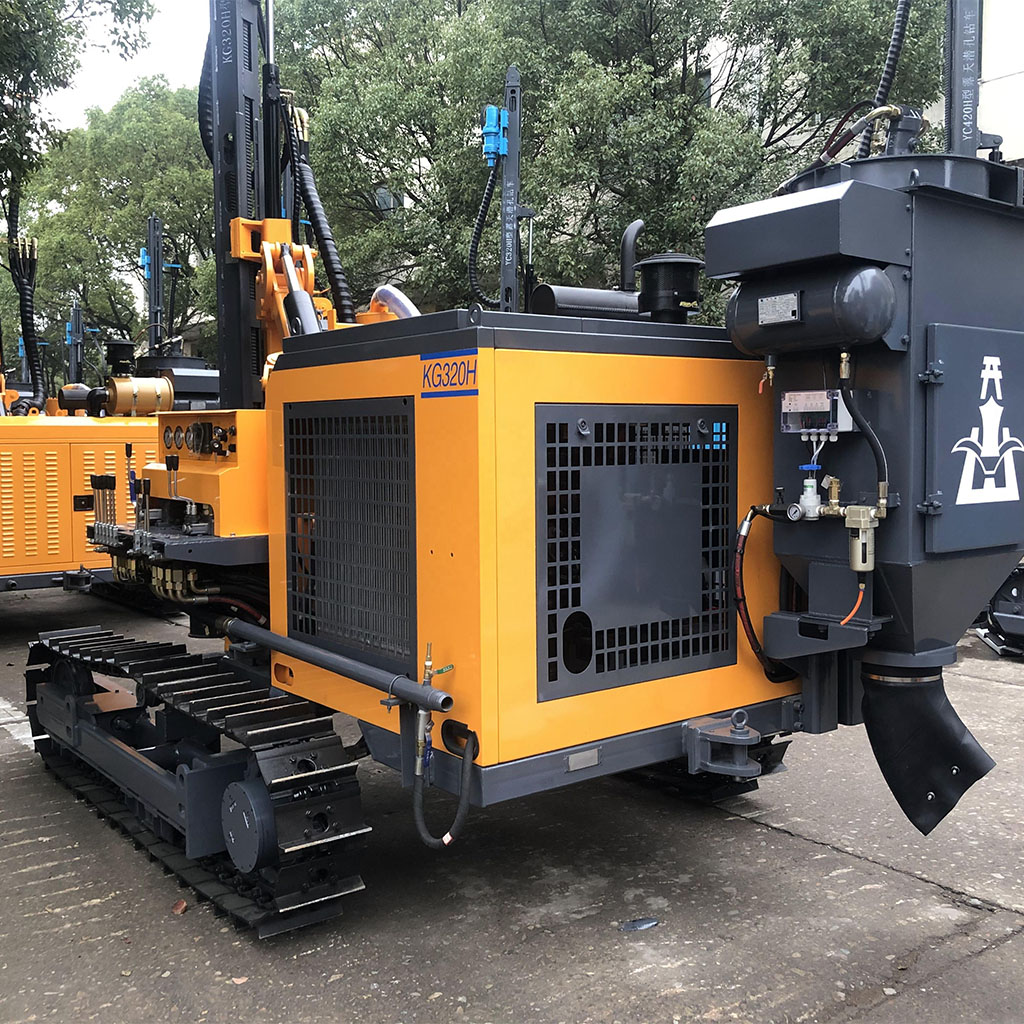
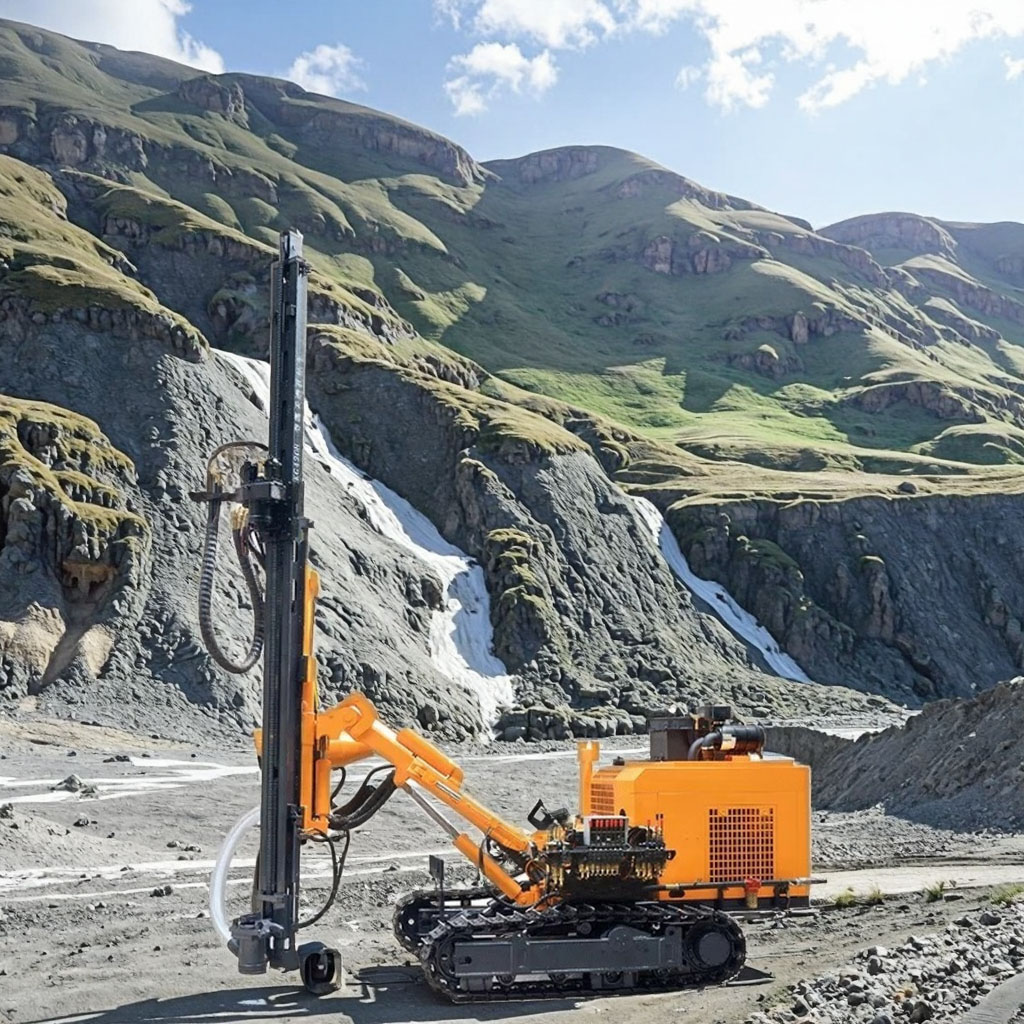
When I look at the KG726/KG726H ground drilling rig spec page and the KG910A crawler hydraulic rock drill, I see why lazy invoice language causes pain: exact model naming, engine power, hole diameter, drilling depth, and brand are all right there. “Drilling machine” is not a commercial description; it is an invitation to inspection, reclassification, or a broker panic call at 6:40 p.m.
Start with the spec sheet, not the sales promise
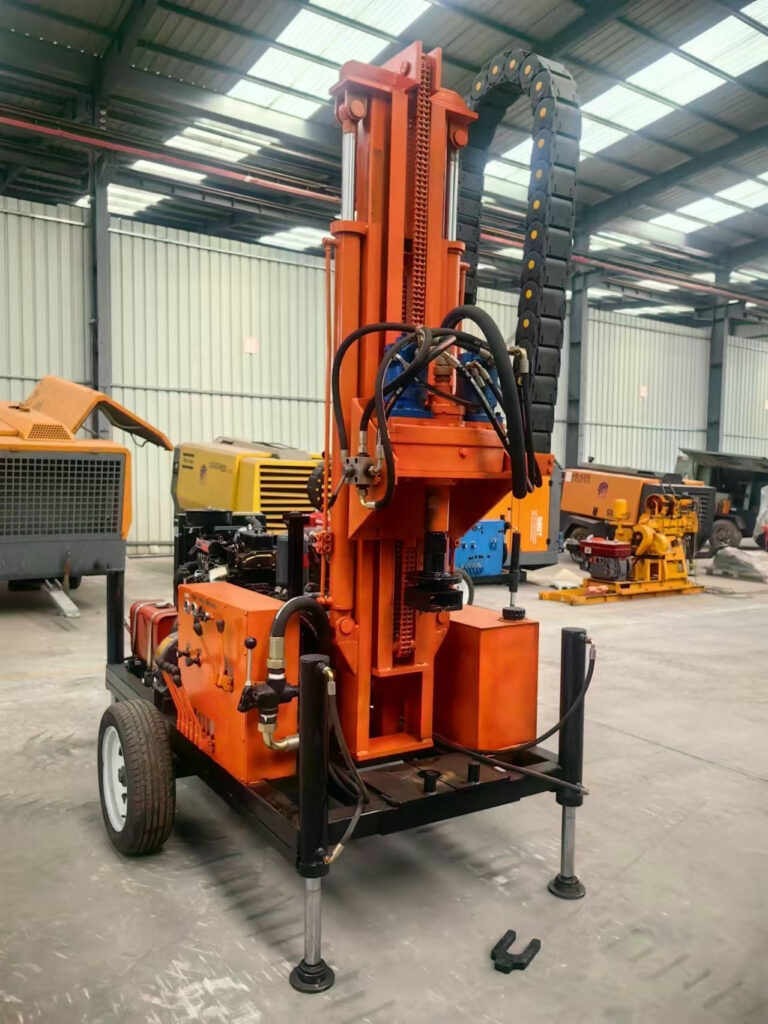
A hydraulic water well drilling rig is not just a “rig.” It is dimensions, folded mast height, gross weight, center-of-gravity issues, powertrain type, drilling diameter, accessory count, and sometimes separate packages for rods, compressors, pumps, and tooling. Miss one of those, and your drilling rig shipping documents stop matching the physical cargo.
The KT11S core drilling rig is listed at 8,890 × 2,580 × 3,655 mm and 15,000 kg. The KT12 diesel DTH drilling rig is listed at 9,100 × 2,520 × 3,600 mm and 10,000 kg, with machinery test report and outgoing inspection marked as provided. I would treat dimensions like these as a warning that transport mode, out-of-gauge planning, and destination lifting arrangements need to be settled before the booking is made, not after. That last point is my inference from the published measurements and weights, but it is the sane inference.
Here is the table I’d force every buyer to complete before deposit release:
Delay trigger
What it usually means in plain English
Damage caused
Fix before payment
Invoice says “drilling machine”
Description is too vague for customs and broker filing
Holds, rework, exams
Use exact model, brand, function, weight, dimensions, accessories
Incoterm picked casually
Nobody actually knows who owns freight, insurance, export clearance, or import risk
Finger-pointing and missed cutoffs
Put the named place, carrier handoff point, and document owner in writing
Booking made from brochure specs
Freight booked on assumptions, not packed dimensions
Rollovers, rebooking, storage
Approve packed dimensions and cargo photos before booking
Broker receives file too late
Clearance starts after vessel arrival
Demurrage, detention, missed delivery
Send full draft set 7–10 days before ETA
Accessories not separated on docs
Rods, hammers, compressors, toolboxes vanish into “miscellaneous parts”
Inspection risk and clearance delay
Create a package-level packing list with marks and counts
Incoterms are where smart buyers still make dumb mistakes
This part is boring. And expensive.
Trade.gov explains that Incoterms define who pays for transport, insurance, documentation, customs clearance, and the wider logistics chain. The ICC says the same in its official Incoterms 2020 materials. In other words, if you do not specify the rule correctly, you are not “being flexible”; you are leaving cost and risk undefined.
My opinion? EXW on heavy machinery is often a trap for overseas buyers. You inherit export-side coordination too early, the seller stays artificially “cheap,” and the first real-world problem appears at loading, document issuance, or customs export formalities. For many rig transactions, FCA or FOB is cleaner because the seller’s obligations are harder to dodge. But the named place must be exact, and the document owner must be named. Not implied. Named.
And I would be even more careful with suspiciously neat DDP offers on drilling equipment. A low landed price can hide weak classification choices, thin-margin customs work, or a clearance structure you would never approve if you saw the file. Yes, some DDP deals are legitimate. Many are just opacity sold as convenience.
Shipping risk is real now, so build your timeline like an adult
A 2024 import plan that assumes static ocean transit is fantasy. Reuters reported that Maersk diverted Red Sea traffic around Africa “for the foreseeable future,” with the longer route adding about 10 days and some journeys slipping by one to three weeks. Another Reuters report said rerouting could add about $1 million in fuel for an Asia–Northern Europe round trip, while affected route rates had at least doubled in early January 2024.
Panama was no cleaner. Reuters reported on April 3, 2024 that drought restrictions had pushed Panama Canal daily crossings from 24 to 27 at that stage, still below the usual rainy-season average of about 36, and that the canal could not easily absorb diverted demand from Red Sea trouble.
So what do I do with that? I stop pretending ETA is a plan. I use three dates: contractual ship date, risk-adjusted arrival window, and “need in yard” date. Those are not the same thing. Never were.
If you import a water well drilling rig on a line that touches Suez-adjacent trades or East Coast routings affected by canal availability, you need slack in the schedule, and you need pre-alert discipline. Reuters documented real firms front-loading cargo and even shifting routes because delays had already stretched some voyages by 10 to 15 days. That was not theory. That was buyers reacting under pressure.
Drilling rig customs clearance is won in the draft stage
Here is my favorite unpopular view: customs brokers should see your file before the cargo departs, not when the vessel is three days out. The broker is not there to perform magic. The broker is there to translate your discipline into release.
Trade.gov notes that HS codes are used to classify goods, determine import tariff rates, and complete required shipping documentation. CBP says Form 7501 is what determines classification, origin, and appraisement on entry. That means your broker needs the model, intended function, origin, value build-up, packing details, and accessory breakout early enough to challenge weak descriptions before the filing clock starts.
And yes, this gets worse with rigs because the shipment is rarely just one machine. You may have the base unit, drill pipes, DTH hammer, mud pump, compressor, spare filters, engine parts, hydraulic hoses, and sometimes a control cabinet or cabin accessories. One invoice line for “rig and accessories” saves typing and creates future misery.
Want a useful rule?
Before final balance payment, require a document pack that includes draft commercial invoice, draft packing list, bill of lading instructions, serial number photo, nameplate photo, packed-dimension photo set, and crate or bundle marks. I would also demand a line-by-line accessory schedule. Why? Because the port does not release optimism.
Demurrage is where weak coordination becomes cash loss
This is the stage buyers underestimate because they assume the fight is over once the ship arrives. It isn’t. The fight just changes shape.
The Federal Maritime Commission’s 2024 final rule on detention and demurrage billing matters here. The FMC says vessel-operating common carriers and marine terminal operators must issue invoices within 30 calendar days from when charges were last incurred, billed parties must get at least 30 calendar days to seek mitigation or waiver, and if required invoice information is missing, the billed party has no obligation to pay that charge. Most of the rule took effect on May 28, 2024.
That is not trivia. That is leverage.
So if your customs release hits late, your trucker misses pickup, or the terminal starts billing storage while documentation is still being cleaned up, you need a clean record of cargo availability, release timing, dispatch attempts, and invoice defects. Too many importers pay bad charges because their own file is too messy to argue with confidence.
The ugly truth about “best water well drilling rig for export”
There is no universally best unit. There is only the best fit for the buyer’s hole diameter, geology, service network, spare-parts tolerance, road rules, and import capacity.
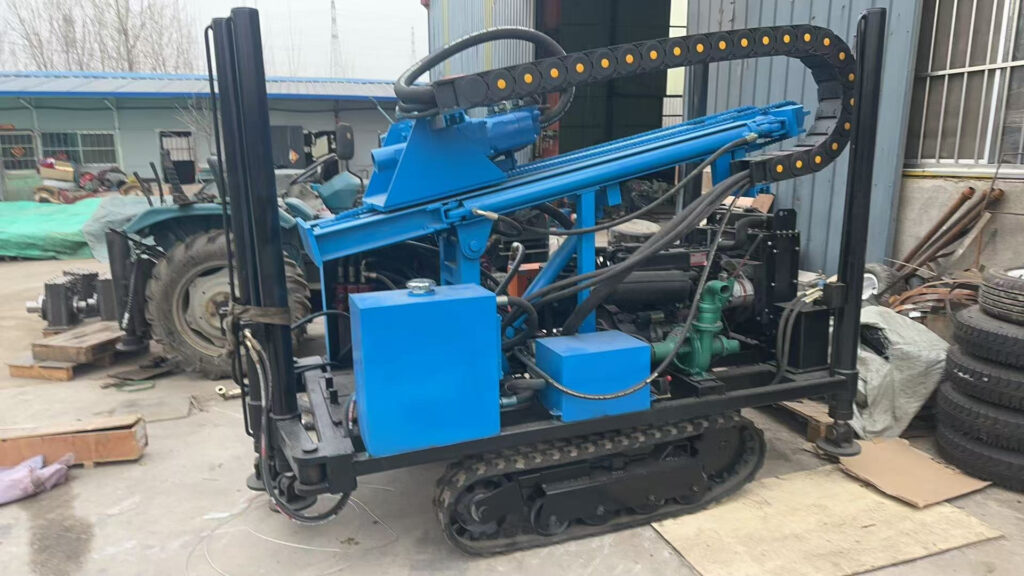
A truck mounted water well drilling rig may look operationally elegant, but it can also create headaches around chassis documentation, road compliance, and destination registration if the import country treats the unit partly as a vehicle. A crawler format may simplify one part of the equation and complicate another. A rig sold with a coherent export file beats a technically stronger machine sold with messy documentation. I know that sounds harsh. It is also how buyers avoid dead time.
What documents do I need to import a water well drilling rig?
To import a water well drilling rig, you generally need a commercial invoice, packing list, bill of lading or airway bill, classification and entry data, proof of insurance when required, and any destination-specific certificates such as origin or pre-shipment inspection records because customs, carriers, and brokers each validate different parts of the shipment against them.
For U.S.-bound cargo, CBP’s entry process revolves around entry and entry summary data, and Trade.gov makes clear that invoice, packing, transport, insurance, and certificate requirements can change by destination and product.
Which Incoterm is safest for a borehole drilling rig import?
The safest Incoterm for a borehole drilling rig import is usually the one that clearly assigns freight booking, insurance, export clearance, import clearance, and delivery risk at a named point in the chain, because ambiguity on a heavy machine shipment turns directly into delay, disputed charges, and document gaps at loading or arrival.
My bias is against casual EXW deals on heavy machinery and against “too easy” DDP offers where the landed price is low but the clearance structure is opaque. Put the named place in writing and define who owns each document.
When should drilling rig customs clearance start?
Drilling rig customs clearance should start when draft documents are available and well before vessel arrival, because classification, value, origin, accessory breakout, and consignee details all need to be checked before the broker files, and waiting until ETA week converts fixable draft issues into port-time costs.
My operating rule is simple: get the broker the draft pack before departure, then force one final review when the bill of lading and final invoice are issued.
What causes the biggest delays when importing a hydraulic water well drilling rig?
The biggest delays usually come from document mismatch rather than from the machine itself, especially when the invoice description is vague, packed dimensions differ from booking data, accessories are lumped together, or the chosen shipping term leaves nobody clearly responsible for export paperwork, customs preparation, or last-mile coordination.
External shocks matter too. In 2024, canal restrictions and Red Sea diversions added time and cost to global moves, which means fragile documentation processes broke even faster under pressure.
Your Next Steps
Do this first.
Send your supplier and broker one shared pre-shipment checklist before you approve final payment. It should demand the exact model name, serial number, packed dimensions, gross and net weights, accessory breakout, Incoterm with named place, draft commercial invoice, draft packing list, photo proof of cargo marks, and destination-country document exceptions. Then make one person own the handoff from customs release to terminal pickup.
That is how you import a water well drilling rig without delays. Not with hope. With control.
If you want, I can turn this into a publish-ready SEO article with a stronger editorial voice and on-page keyword placement tuned for rankings.