“The Drilling Rig gave us a true one-stop solution. Their team matched the right rig, compressor, and drilling tools for our project, and the engineering support stayed fast and professional from quote to delivery.”
Hard Rock Rig Performance: What Meters per Shift to Expect
The number buyers want, and the number that actually matters
Table of Contents
Most quotes lie.
A rig can post a very pretty penetration rate in clean ground, with fresh consumables, disciplined bench prep, full air, a trained operator, and zero interruptions, yet still miss the commercial target once tramming, rod changes, hole checks, shift change, waiting on support gear, and bad pattern control start eating the day. So what are you really buying?
I will say the quiet part out loud: meters per shift is the only number that survives contact with payroll, fuel, parts, and the bank. Penetration rate matters, yes, but only as an input. The commercial output is shift meters, tied to utilization, hole quality, and cost per meter.
A useful field anchor comes from Tata Steel’s Noamundi mine, where an Epiroc SmartROC D65 was reported at 2 meters per minute penetration and an average drill rate of 35 meters per hour in hard sedimentary iron ore strata. That is strong performance, but it is still not a license to assume a full eight-hour shift will convert into eight hours of clean drilling. The 2024 GMG guideline on autonomous systems in mining is blunt about the real cost stack: ramp-up losses, infrastructure work, licence costs, sensor changeouts, insurance, and support overhead all sit between headline rate and bankable output.
My underwriting view is simple. I would not build a startup business plan around brochure speed. I would model 70-140 meters per shift as a conservative hard-rock startup band for a surface DTH or blast-hole operation, then treat 140-220 meters per shift as the zone where the site is finally behaving like a business rather than a workshop. Above that, I assume you either have excellent conditions, excellent discipline, or a sales team in the room.
Why hard rock drilling productivity breaks down so fast
Bench time disappears.
The industry keeps pretending that rate of penetration hard rock is the story, when in practice the killers are availability, operator quality, ground variability, blast design discipline, and support timing, all of which attack your rig utilization rate long before the bit touches rock. Why do so many spreadsheets still ignore that?
This is why I tell investors to track five things, not one: meters per shift, rig utilization rate, hole deviation, drilling cost per meter, and the blast result downstream. A fast rig that leaves ugly holes can hand the crushing plant a bigger bill and hand finance a fake win.
The automation trend is real, but it is not magic. A 2024 white paper from the University of Queensland and the University of Pittsburgh counted 183 installations of autonomous or semi-autonomous mining equipment fleets up to 2022, with 44% in Australia and 16% in Canada; it also notes that autonomous surface drill rigs are already part of that installed base. The same paper argues automation can improve safety, health, and productivity, while the 2024 GMG guideline says the business case has to include change management, risk, and strategic fit rather than just hardware appetite.
And here is the harder truth: automation can compound weak operations. GMG explicitly warns that automation can defer capital investment and lower maintenance costs in the right setup, but it also lists productivity loss during ramp-up, digital infrastructure, hardware retrofits, support costs, and long-term commitments as part of the bill. I have seen too many buyers price the machine and forget the system.
What meters per shift should you actually budget?
Numbers first.
If I am building a commercial case for a startup contractor or a first-time owner-operator, I do not ask what the rig can do in a perfect hour; I ask what the site can repeat for six months, through bad shifts, tired crews, replacement parts delays, and uneven rock. Isn’t that the only number that matters?
Operating condition
What I would budget
What is happening operationally
First 60-90 days
70-120 m/shift
Crew learning curve, inconsistent bench prep, downtime hidden in setup and support
High availability, better operator consistency, fewer interruptions, tighter drilling control
Brochure fantasy
Ignore it
Pure drill-rate arithmetic with real-world losses stripped out
That table is my operating bias, not an OEM promise. It is anchored to real reported drill-rate performance such as Noamundi’s 35 m/h, then discounted for the hours mines and contractors lose in ordinary life, plus the implementation friction GMG flags in its business-case guidance.
The buy-versus-outsource argument nobody likes hearing
Own less.
If your deposit is short-life, intermittent, badly defined, or commercially fragile, buying a hard-rock rig is often an ego move disguised as strategy. Why lock fixed capital into a utilization problem?
The 2024 GMG guideline is unusually direct here: a serious business case should compare lease versus buy and even mining as a service, where a third party assembles and operates the system. GMG also says strong strategic fit for automation tends to show up in long-life, large-scale, highly efficient, remote operations, while small, intermittent sites with old equipment and heavy infrastructure needs may deserve much more caution.
That caution is not theoretical. In May 2024, Reuters noted that world copper mine production was expected to grow only 0.5% in 2024, partly because the dispute over Cobre Panamá had shut a major mine, while miners were also dealing with operating-cost inflation from about $3,100 per tonne in 2020 to $3,600 in 2023 and brownfield expansion costs rising from roughly $20,000 to $30,000 per tonne of new production. One permitting fight, one political dispute, one delayed ramp-up, and your beautiful ownership thesis turns into idle iron.
Reuters also reported in July 2024 that Codelco was still trying to recover from a 25-year low in 2023 output, with delays, accidents, and management missteps hurting production. That matters because a startup contractor or junior mine owner usually assumes the schedule will be annoying but survivable; in practice, schedule risk is what murders utilization.
And investors are not just comparing your rig against other rigs. Reuters reported in September 2024 that Freeport sees copper leaching as costing about a third less than hard rock mining and expects that route to add 800 million pounds annually as soon as 2027, while the International Energy Agency sees global copper demand rising at least 60% by 2050. In plain English: capital will always look for the lower-risk path to the same metal units, and your hard-rock fleet has to beat that logic, not merely exist beside it.
Where the commercial case gets won or lost
Support decides output.
A rig is never a solo act, and the moment buyers talk as if the machine alone creates drill rig productivity, I know the model is thin. Who is maintaining air delivery, managing drill steel, checking hole accuracy, handling shift discipline, and keeping the bench ready?
This is also why contractor comparisons get messy. In its 2024 Mine Injury and Worktime publication, MSHA notes that contractor data are reported separately and that mandatory contractor reporting explicitly includes drilling or blasting, along with equipment installation, repair, material handling, and mine development. That does not make one model better than the other, but it does mean your benchmarking needs to normalize who is carrying what overhead and risk.
How many meters per shift can a hard rock rig drill?
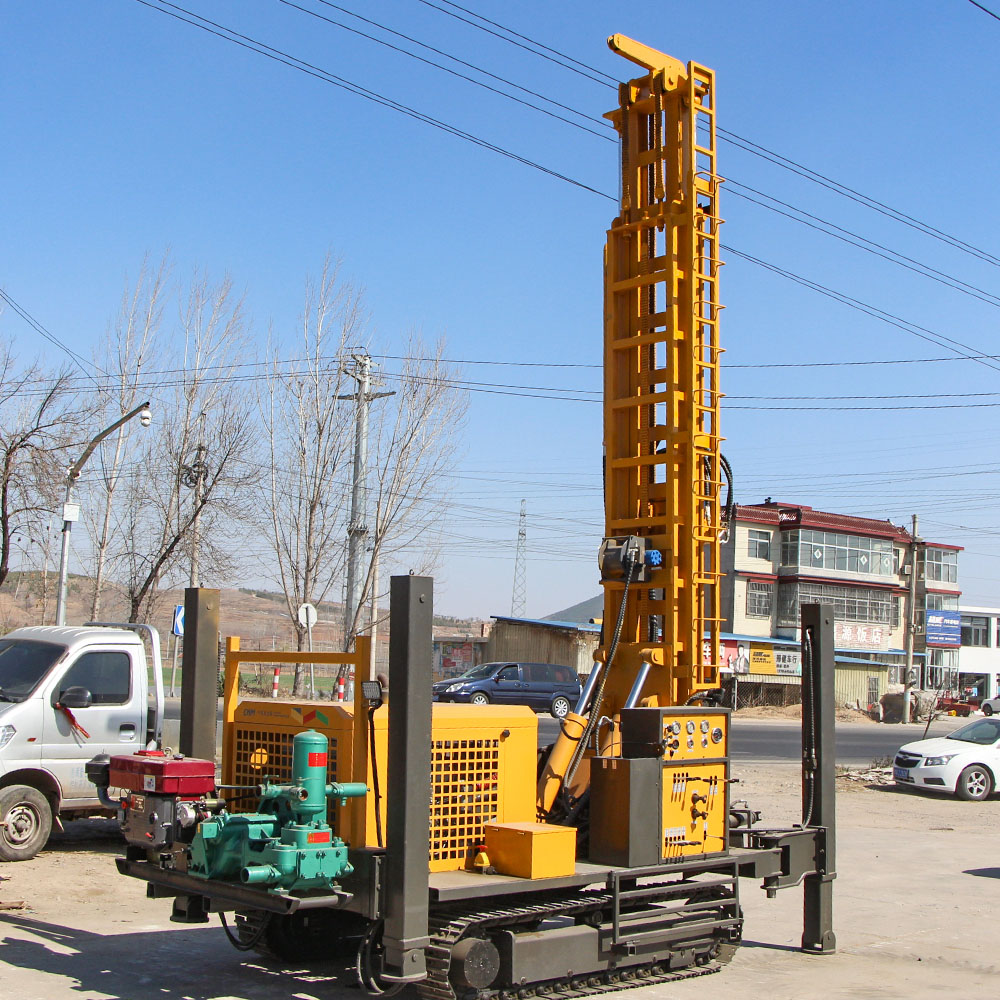
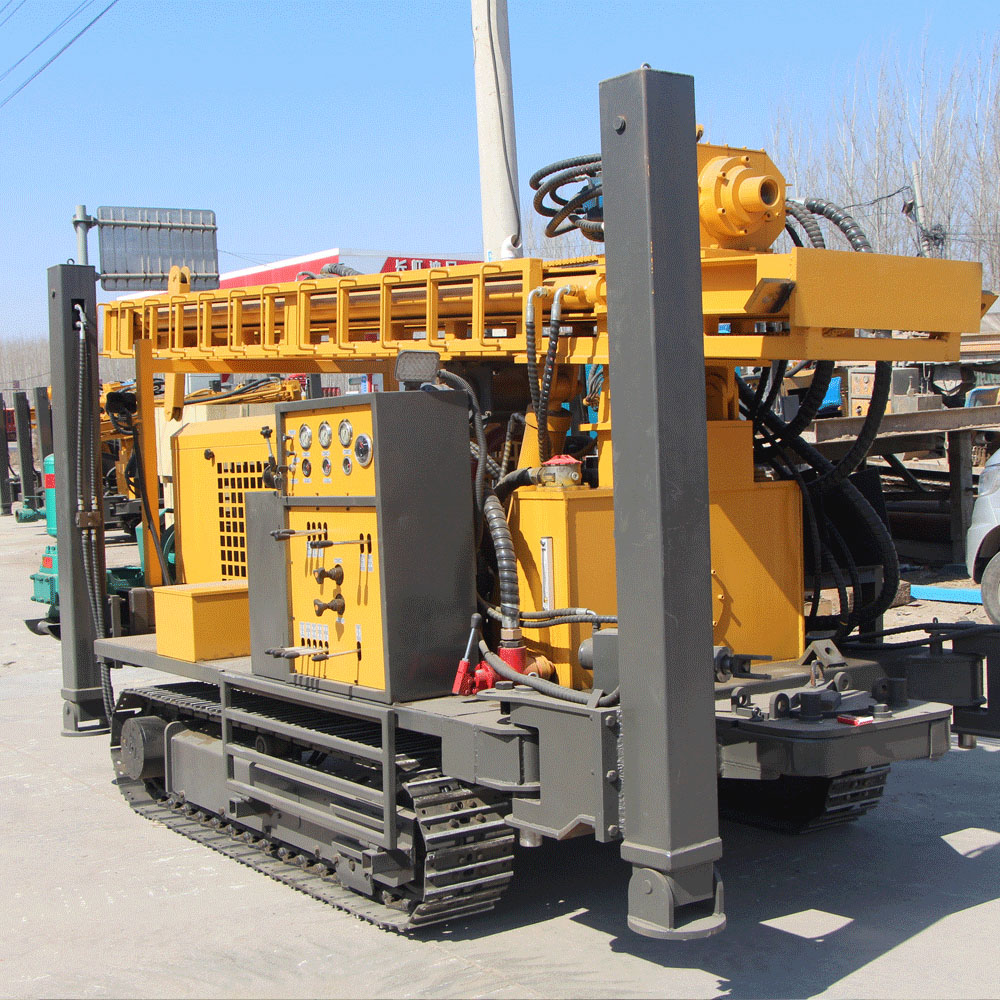
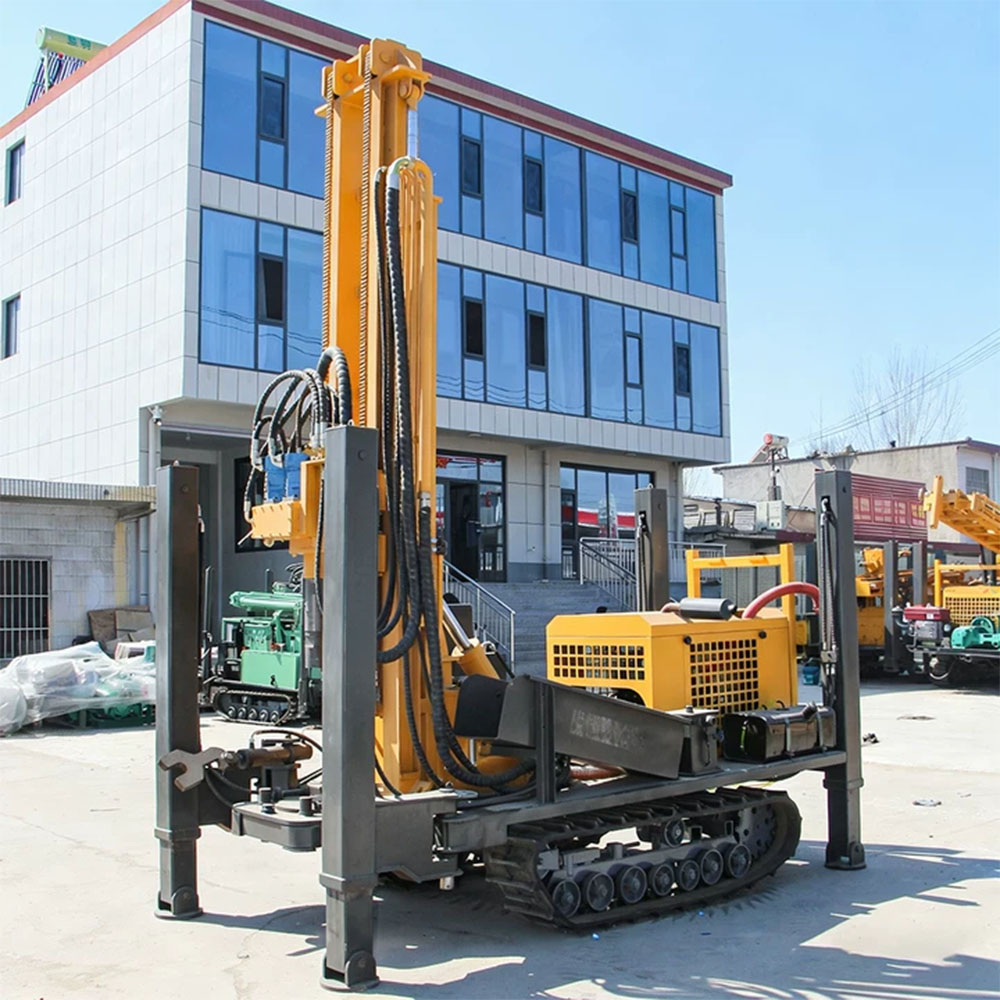
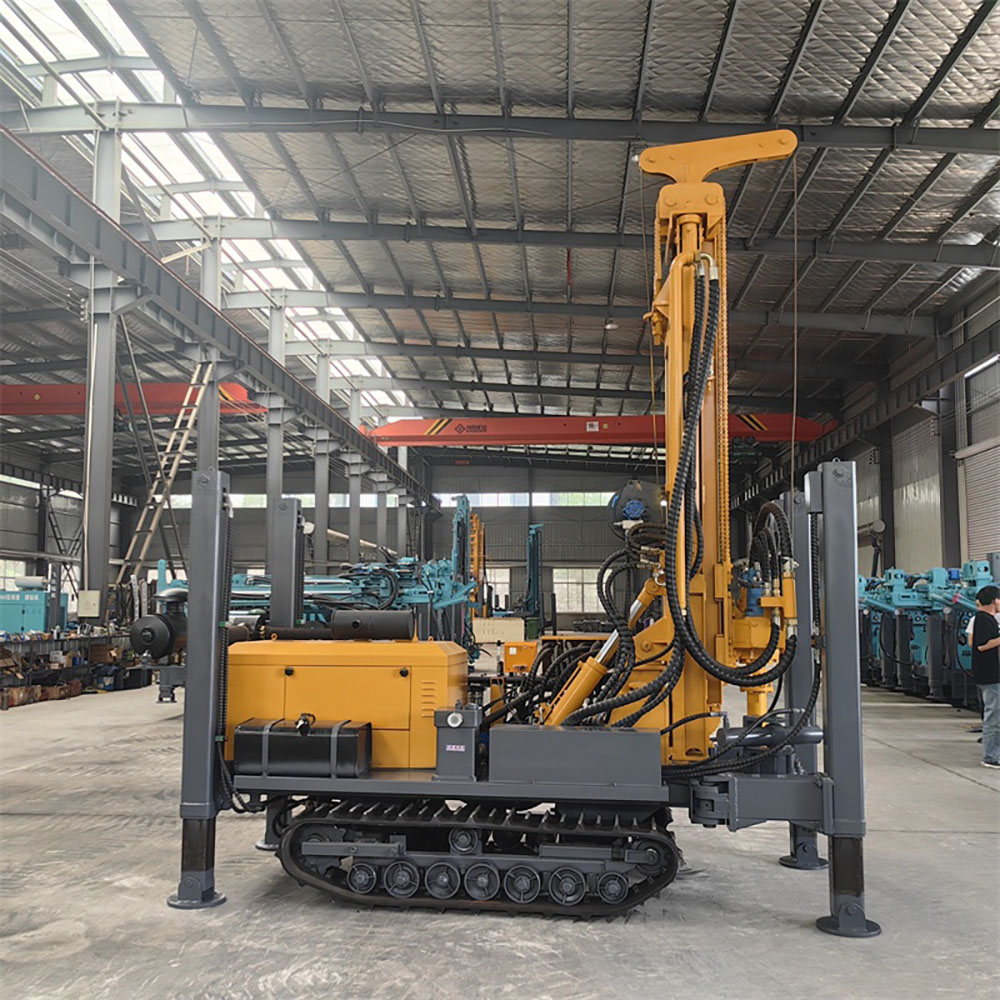
A realistic hard rock rig output is the repeatable drilled length achieved across a full production shift after tramming, setup, rod handling, checks, delays, and downtime are counted, which is why many startup operations should budget materially below the theoretical hourly drill rate promoted in sales material.
In practice, I would budget 70-140 m/shift for a startup case, 120-180 m/shift for a stable case, and only push above that when maintenance, ground conditions, crew skill, and support logistics are already proven.
What is the best drilling metric for hard rock rigs?
The best drilling metric for hard rock rigs is meters per shift tied to utilization, hole quality, and cost per meter, because it captures the commercial result of the whole system rather than the narrow mechanical speed of the bit during the limited moments when the rig is actively drilling.
Penetration rate is useful, but only as a sub-metric. I would never approve a purchase using rate of penetration hard rock by itself.
Is buying a hard rock drilling rig better than outsourcing?
Buying a hard rock drilling rig is better only when the operation has enough mine life, scale, utilization, bench discipline, maintenance depth, and scheduling certainty to keep the machine earning through most of the year without carrying dead capital or preventable downtime.
If the project is short-life, intermittent, or still proving its geology, outsourcing or leasing is often the cleaner commercial answer.
What usually destroys rig utilization rate fastest?
Rig utilization rate is most often destroyed by non-drilling losses such as waiting on the bench, moving the machine, poor blast-pattern preparation, consumables problems, compressor mismatch, shift handover gaps, maintenance slippage, and the false assumption that a fast drilling hour automatically means a productive operating day.
That is why I always audit the support chain before I believe the meter target.
Your Next Step
Do the math.
Take your target monthly meters, divide by realistic shift meters rather than brochure speed, then stress-test the model at 20% lower utilization and 15% higher cost per meter; if the economics still hold, ownership may be justified, and if they do not, outsourcing is probably the adult decision.