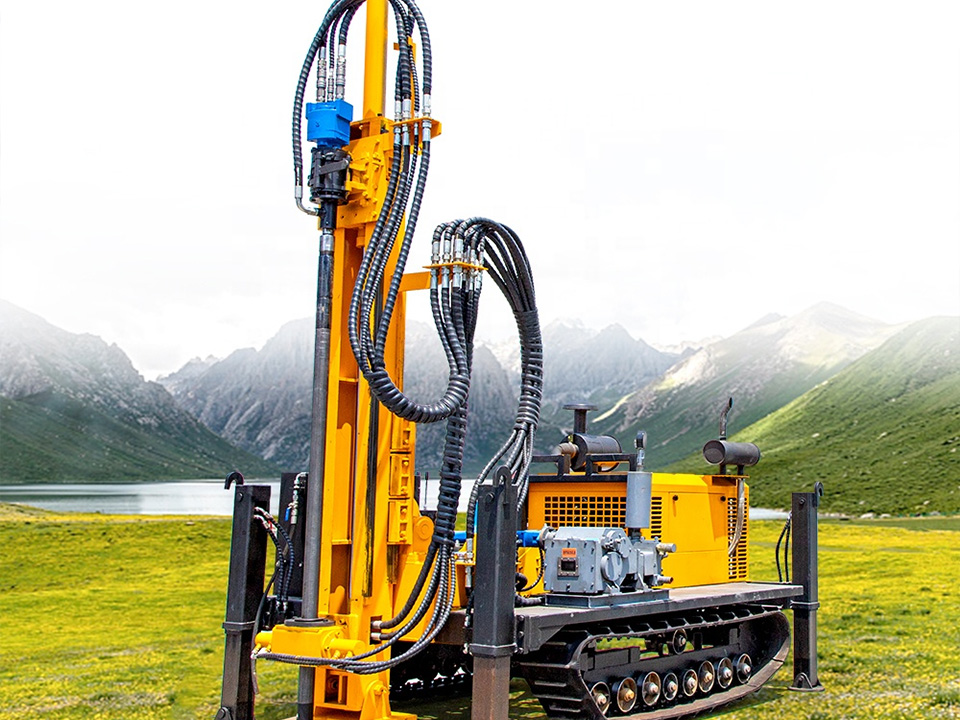
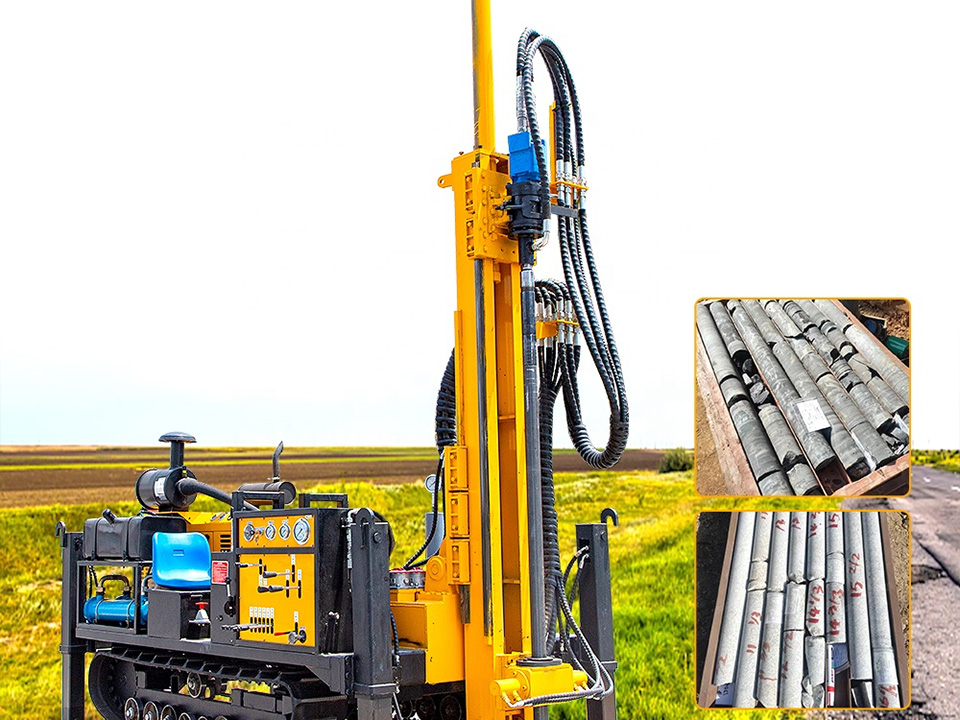
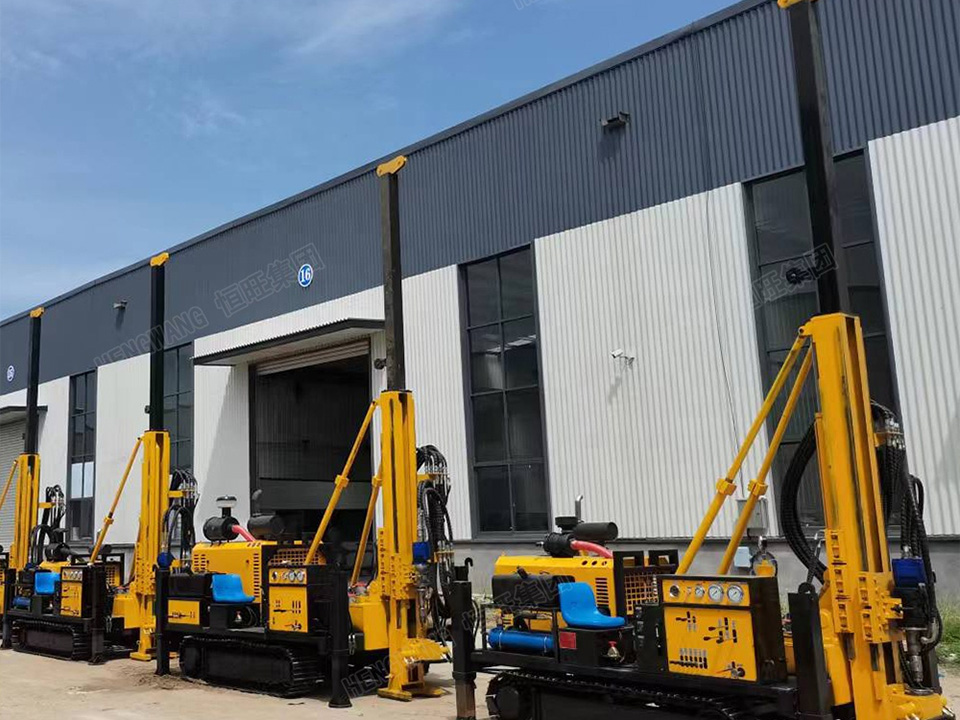
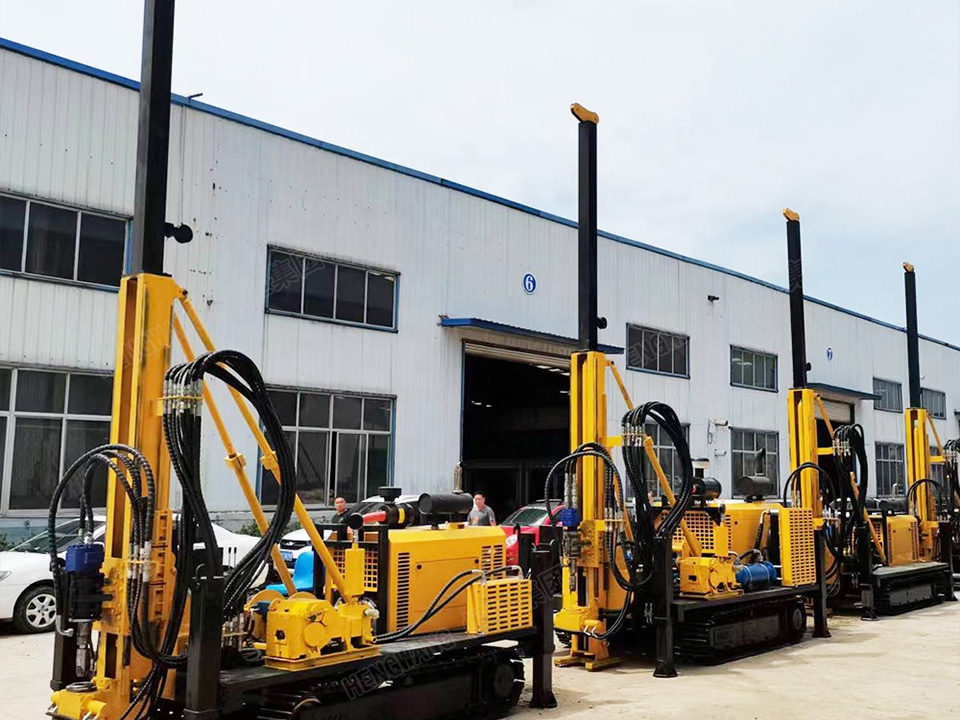
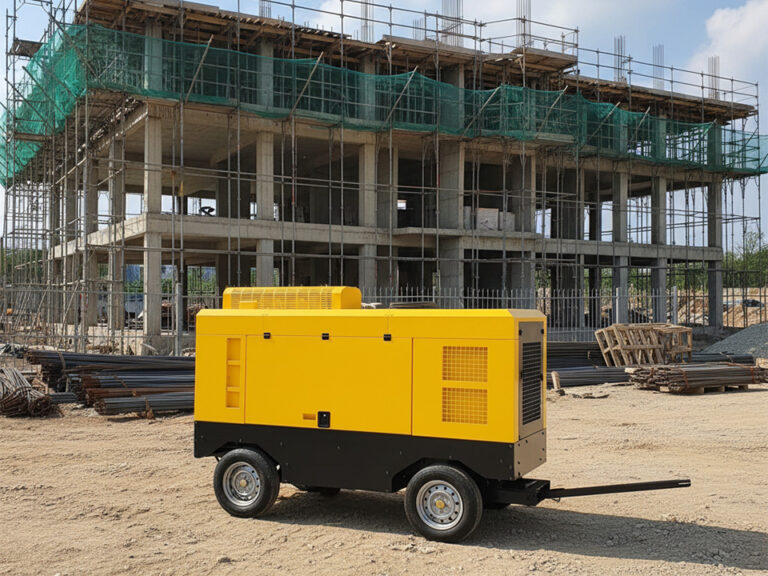
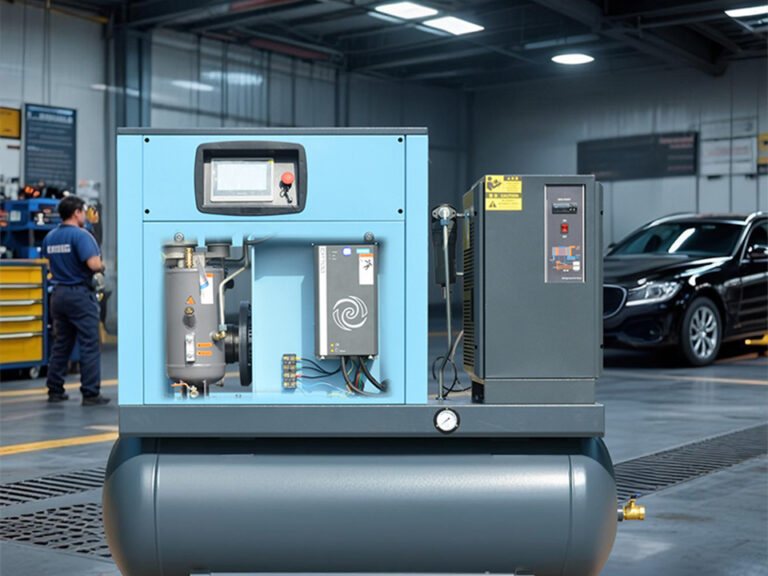
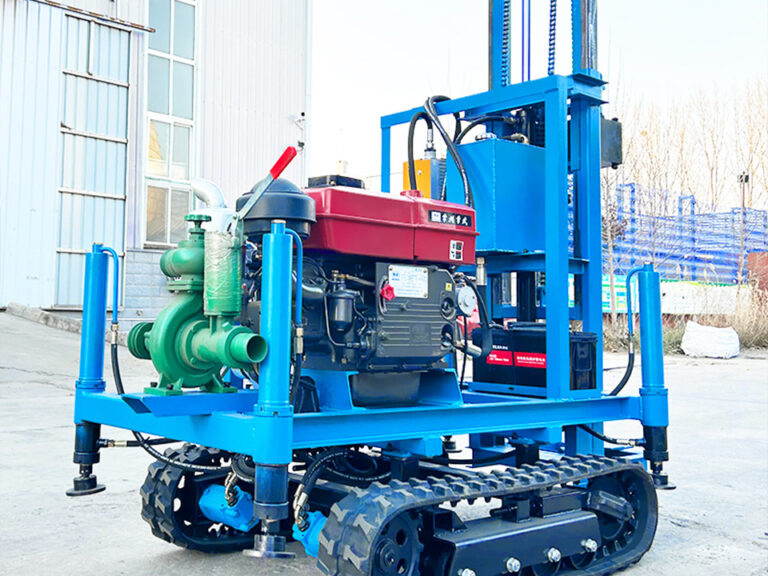
“The Drilling Rig gave us a true one-stop solution. Their team matched the right rig, compressor, and drilling tools for our project, and the engineering support stayed fast and professional from quote to delivery.”
Case Study: Deep Agricultural Wells with Mid-Range Air Packages
Cheap rigs lie.
I’ve watched this play out more times than I care to admit: a supplier points to the headline depth, throws around a nice clean number, calls the compressor “sufficient,” and then somewhere downhole—usually when the cuttings stop lifting cleanly, the bit starts polishing instead of biting, and the driller begins nursing the hole instead of advancing it—the buyer discovers that the cheap package was only cheap on quote day, not on drilling day, not on fuel day, and definitely not on downtime day. That problem isn’t marginal anymore. USDA’s latest irrigation survey says farmers irrigated 49.6 million harvested cropland acres in the open in 2023, groundwater from on-farm wells supplied 54% of irrigation water applied, and the average well depth was 241 feet.
That’s real money.
Table of Contents
And here’s the ugly truth: when groundwater gets stressed, bad air-package decisions get exposed faster. Reuters reported in January 2024 that groundwater levels across the world have shown widespread and “accelerated” decline over the last 40 years, with excessive withdrawal for irrigated agriculture identified as one of the major drivers. So no, deep agricultural well drilling isn’t just a machinery conversation anymore. It’s a geology-and-timing problem wearing a machinery mask.
What does that mean in practice?
It means a weak package can still bankrupt your schedule even if it looks “competitive” in the quote PDF.
Why mid-range air packages still matter in agricultural well drilling
I’ll say something unfashionable. I still like the middle.
Not the stripped-down bargain rig. Not the oversized iron monster either. In real farm well drilling, the middle often wins because most irrigation jobs sit in that awkward commercial zone where the wells are deep enough to punish weak air, but not so extreme that every buyer can justify heavyweight transport, fuel burn, and overbuilt hardware. NC State Extension’s well construction guide puts it simply: hydraulic rotary uses drilling mud, while the air-rotary method uses compressed air instead. Sounds basic. It isn’t. That single distinction is where a lot of buying mistakes begin.
Because air matters.
From my experience, people obsess over rig mast height and published depth, then treat the air side like a side dish. Bad habit. Air isn’t a side dish in hard ground—it’s part of the production system. If the annulus isn’t clearing, if returns are dirty, if the hole’s starting to act sticky, then your “budget-friendly” package is already eating margin.
The modeled farm-well job that exposes weak package logic
The site profile buyers actually recognize
Let’s not do the fake case-study trick where the job is so generic it means nothing.
What the buyer says versus what the buyer really needs
They usually say they want four things: lower price, good speed, low fuel burn, and no headaches.
Fair enough. But those don’t sit together nicely.
A seller can knock the quote down by trimming the air package, then later blame the slowdown on “formation variability,” which is sometimes true and sometimes just industry code for we quoted too skinny and hoped the rock would forgive us. I frankly believe a lot of deep water well drilling quotes are built around hope more than engineering discipline.
What I mean by “mid-range air package”
I’m not using that phrase loosely.
Here, a mid-range air package means a rig-and-compressor setup strong enough to drill real irrigation wells in that 180–200 meter commercial lane with stable hole cleaning and workable penetration, but not so oversized that the buyer starts carrying unnecessary cost in transport, fuel, and purchase price. The University of Nebraska irrigation well manual makes the bigger point well: direct rotary, cable tool, air rotary, and combination air-mud rigs all have roles in irrigation drilling. That’s exactly why package matching matters more than brochure theater.
Where the mid-range package earns its keep—and where it runs out of grace
Where it performs well
In mixed formations, a decent mid-range package can be the sweet spot because it keeps the commercial math under control while still giving you enough air to stop the hole from turning into a dirty, slow, expensive argument. That’s where a 200m-class truck drilling rig or a hydraulic water well borehole drilling machine makes sense: enough machine to finish a serious farm well, but not so much package that every job carries oversized baggage.
The wins are boring. Which is why they matter.
Cleaner returns. Better footage. Less babysitting. Fewer stop-start cycles. Lower odds that the driller spends half the day trying to rescue a hole that should’ve been moving.
And the outside pressure is getting nastier. California’s March 2024 well-permitting analysis said that 1,471 industrial, irrigation, and public-supply wells were permitted between March 28, 2022 and September 7, 2023 under the executive-order context it reviewed. That tells you two things. First, the work volume is real. Second, the policy environment is no longer loose and sleepy.
Then the pain shows up on the ground. CalMatters reported in April 2024 that Kings County growers were facing the prospect of millions in pumping-related fees under state intervention, with reporting burdens and annual well fees also on the table. If you sell agricultural drilling gear and still act like this is purely a horsepower conversation, you’re behind the curve. Badly.
Where it starts to struggle
But let’s not romanticize the middle.
A mid-range air package is not magic. Once the hole gets deep enough, wet enough, or ugly enough—especially with changing rock, awkward bore diameter, or lousy ground behavior—the “balanced” package can start feeling thin. UC Agriculture and Natural Resources material notes that air drilling is used primarily in hard-rock aquifer systems. True. But that doesn’t mean every hard-rock agricultural well is equally forgiving. It doesn’t mean water entry won’t complicate lift. And it definitely doesn’t mean a too-small compressor suddenly becomes brave because the sales rep wants to close this month.
So here’s my hard take.
If the buyer expects repeated deep agricultural wells in stubborn ground and the seller is still pitching a skinny air setup like it’s a harmless compromise, somebody in that conversation is pretending not to see the risk.
The numbers buyers should obsess over, not the brochure depth
The comparison that actually reflects field economics
Factor
Under-specced package
Mid-range air package
Oversized package
Purchase cost
Lowest
Moderate
Highest
Likely drilling speed in mixed formations
Inconsistent
Balanced
Fastest when fully utilized
Downtime risk from poor hole cleaning
High
Moderate
Lower
Fuel and transport burden
Lowest
Manageable
Highest
Suitability for routine farm well drilling
Weak for deeper jobs
Strongest value band
Often excessive
Payback logic for price-sensitive buyers
Looks good only on quote day
Usually best
Can be poor unless workload is constant
That table is the argument.
I’ve seen buyers fall in love with the first line and ignore the last line. Big mistake. The cheapest package often looks brilliant until the hole gets demanding, then the hidden costs start stacking up—dragged footage, diesel waste, bit wear, reaming, hole conditioning, labor idle time, and that familiar line everyone hates hearing: “we lost a day.” That’s not bad luck. Usually, it’s under-spec air wearing a geology costume.
Why groundwater pressure changes the buying math
The broader water picture makes this worse, not better. USDA data shows how heavily irrigated agriculture still depends on groundwater-fed systems, while Reuters’ January 2024 report says groundwater decline has been widespread and, in many places, accelerated, particularly in arid regions with irrigated agriculture. If aquifers are under more pressure, then buyers drilling new or replacement wells don’t get to be casual about completion efficiency anymore.
That changes the buying logic.
Not toward “buy the biggest thing available.” Toward “buy the package that survives your ugly normal jobs.”
How I’d spec the package for farm well drilling if it were my money
Start with the ugliest normal job
This is where I get opinionated.
I’d spec around the hardest commercially normal well I expect to drill—not the easy one I’d use in a sales presentation. Because once you’re in the hole, optimism is worthless. The only thing that counts is whether the package can keep the system honest when the rock turns mean, the hole gets longer, and the driller needs steady air instead of inspirational language.
That means asking real questions:
What depth is normal, not occasional?
What bore size is actually being held where production matters?
Is the lower section fractured hard rock, weathered junk, or mixed trash that murders rhythm?
I’m not arguing for absurd oversizing. I’m arguing against starving the job. Because the penalty curve is crooked: a slightly stronger package costs you more upfront, yes, but a slightly weak package can punish you repeatedly—slower ROP, messier returns, more indecision downhole, more wear, more “let’s see if it clears now” nonsense.
And all of that costs money.
Regulation is now inside the drilling conversation—whether suppliers like it or not
A lot of sellers still talk like we’re in 2012. We’re not.
Reuters reported in June 2023 that Arizona restricted future home construction in the Phoenix area because projections showed groundwater shortfalls severe enough that wells would run dry under existing conditions, with the state analysis projecting a 4.86 million acre-foot shortfall over 100 years in the Phoenix area. Different end-user segment, sure. Same signal. Groundwater is no longer some sleepy back-office issue. It’s politically live.
And California’s farm basins are showing the same mood—more scrutiny, more reporting, more consequences. CalMatters’ Kings County reporting described potential pumping fees reaching almost $10 million a year based on historical use, along with additional annual well fees and reporting demands. So I’ll say it plainly: if you sell farm-well equipment and never talk about basin stress, permit friction, or the cost of rework in a stricter groundwater era, you’re not advising buyers. You’re just moving inventory.
FAQs
What is a mid-range air package in agricultural well drilling?
A mid-range air package in agricultural well drilling is a commercially balanced rig-and-compressor setup built for routine farm wells that are deep enough to punish weak air support, but not so extreme that the buyer needs a much larger and costlier heavy-output package. Put simply, it’s the value band where many irrigation wells can be finished efficiently without paying for oversized equipment that sits underused.
How do I choose an air compressor for farm well drilling?
The right air compressor for farm well drilling is the one that matches your real drilling depth, bore diameter, formation hardness, and cuttings-lift demand on the hardest normal wells you actually expect to drill. From my experience, buyers get in trouble when they size air around the easiest job in the pipeline instead of the nastiest commercially routine one.
Is compressed air well drilling better than mud drilling for deep agricultural wells?
Compressed air well drilling is often better for deep agricultural wells in hard-rock conditions because it can improve cuttings removal and support faster, cleaner drilling without relying on the same mud-circulation approach used in hydraulic rotary methods. But it’s not automatically better in every formation, and a smart driller still lets geology, hole condition, and completion design make the final call.
What is the biggest mistake buyers make in deep water well drilling?
The biggest mistake in deep water well drilling is buying to brochure depth instead of buying to completion risk, which leads buyers to under-spec air, overestimate footage, and ignore the cost of downtime until the hole starts fighting back. Here’s the ugly truth: the cheap quote feels real on day one, but the cost of a weak package only shows up after the job starts slipping.
Are deep agricultural wells becoming more expensive to develop?
Yes, deep agricultural wells are becoming more expensive to develop in many regions because groundwater decline, permitting pressure, replacement-well demand, and tougher drilling conditions are raising both direct drilling costs and the cost of mistakes. That doesn’t just mean a bigger invoice for the hole itself—it means more exposure to delay, deeper pumping realities, tighter oversight, and more punishment for buying a package that can’t keep up.
Your Next Step
Stop asking the lazy question.
“How deep can it drill?” sounds useful. It isn’t enough. The question that actually protects margin is nastier and more honest: how fast, how clean, how consistently, and at what downtime risk can this package finish the wells that are normal in my market?
My view? Build around the ugly normal job—not the pretty sales-deck job. That’s where the money leaks. And that’s also where the right package proves it was never really “expensive” in the first place.