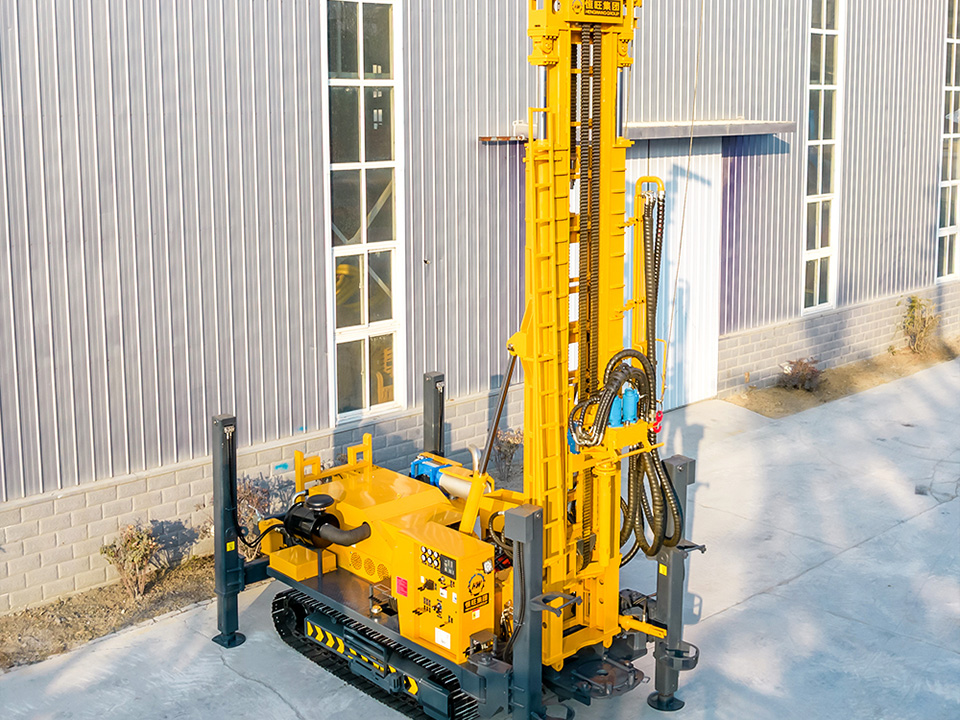
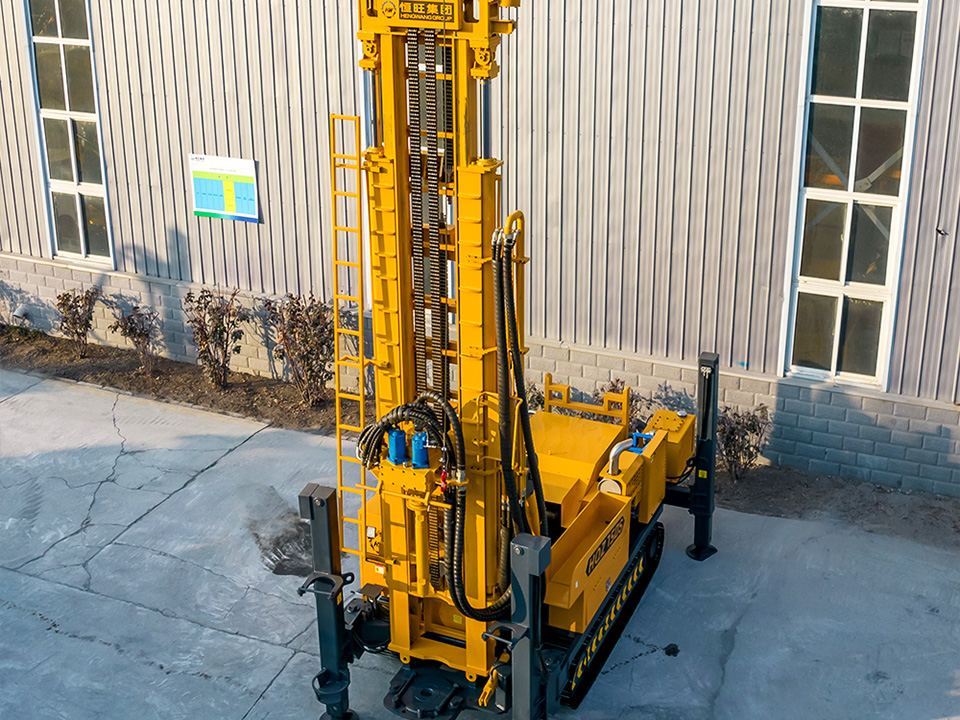
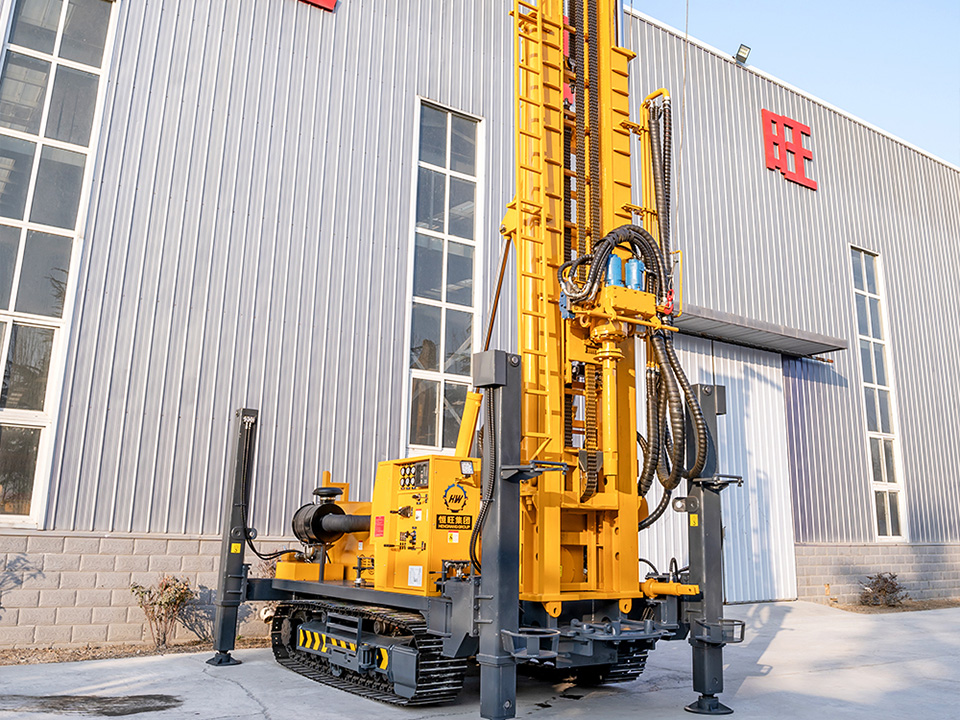
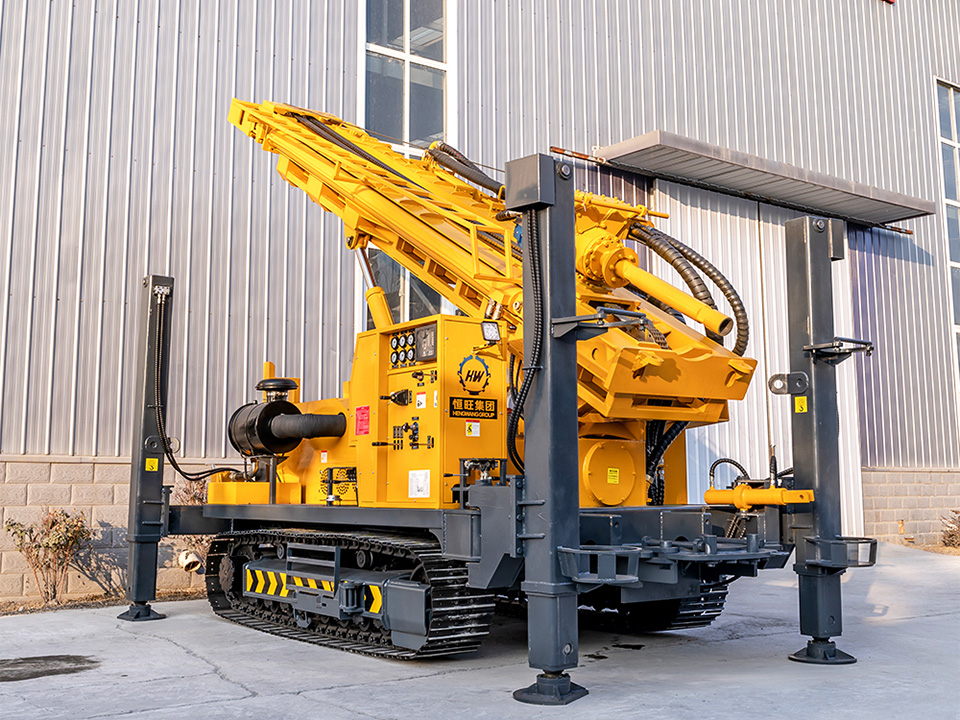
“The Drilling Rig gave us a true one-stop solution. Their team matched the right rig, compressor, and drilling tools for our project, and the engineering support stayed fast and professional from quote to delivery.”
UKCA, UL, RoHS, and REACH: Which Marks Matter by Market
Everybody talks compliance now.
Most of them are bluffing.
I’ve sat inside export meetings where a sales manager confidently promised “full UL + CE + RoHS certification” on a crawler drilling rig that — and I’m not exaggerating here — still had unlabeled terminal blocks zip-tied inside the cabinet because production missed the DIN rail shipment. That machine was supposedly heading to Canada. Madness.
Table of Contents
And buyers are catching on.
Fast.
The old trick — throw a shiny CE logo on the side panel, email a random PDF called “certificate.pdf,” then pray procurement doesn’t ask technical questions — doesn’t survive anymore once you start selling into serious markets like the UK, Germany, Alberta, or industrial projects tied to EPC contractors.
Too risky now.
But here’s where the industry keeps embarrassing itself: exporters still talk about UKCA, UL, RoHS, and REACH as if they’re interchangeable. Same bucket. Same purpose. Same legal weight.
They’re not.
Not even close.
Four Marks. Four Completely Different Problems.
A lot of machinery factories still operate on cargo-cult compliance logic. Somebody heard a customer mention “UL,” somebody else saw “RoHS” on a cable datasheet, then management stitched the words together into a Frankenstein export strategy.
I frankly believe this is one of the biggest weaknesses inside low-to-mid-tier industrial equipment manufacturing right now.
Especially in drilling equipment.
Because drilling rigs aren’t simple products anymore. A modern hydraulic water well rig might contain:
PLC systems
VFDs
touchscreen HMIs
imported pressure switches
lithium backup modules
EMC-sensitive communication wiring
hydraulic hoses with chemical reporting implications
diesel engines under separate emissions frameworks
One machine. Ten regulatory headaches.
And exporters underestimate that complexity constantly.
Compliance System
Main Region
Legally Mandatory?
Applies To
Biggest Exporter Mistake
UKCA
Great Britain
Yes (sector-dependent)
Machinery, electrical equipment
Assuming CE automatically covers UK forever
UL
United States/Canada
Often buyer/spec-driven
Electrical safety systems
Thinking UL is a government certification
RoHS
EU + many global markets
Yes for covered EEE
Electrical/electronic components
Applying it to entire mechanical machines
REACH
European Union
Yes
Chemicals/substances
Ignoring SVHC disclosure obligations
That table alone wipes out half the nonsense floating around LinkedIn export groups.
Seriously.
UKCA After Brexit — Nobody Wants to Admit How Confusing It Became
Brexit scrambled everybody’s wiring.
Manufacturers spent years preparing for mandatory UKCA conversion, redesigned labels, rebuilt Declarations of Conformity, updated compliance drawings — then the UK government repeatedly extended recognition of CE marking for many product categories. That created total confusion inside machinery exports.
That’s the part lazy compliance consultants conveniently skip over.
According to updated UK guidance, CE-marked products in multiple sectors can still enter Great Britain under continuing recognition frameworks, while UKCA remains valid and available.
So exporters started asking:
“Do we even need UKCA anymore?”
Wrong question.
The real question is whether your buyer, insurer, importer, or project consultant expects UKCA-ready documentation packages before signing a contract.
Big difference.
A contractor buying a <a href=”https://thedrillingrig.com/260-meter-crawler-pneumatic-rotary-water-well-drilling-rig/”>260-meter crawler pneumatic rotary water well drilling rig</a> for infrastructure drilling in Britain doesn’t just care about whether the machine physically works. They care whether liability falls back on them if the conformity file collapses during an inspection.
That changes purchasing behavior immediately.
And honestly? I don’t blame them.
Because I’ve reviewed technical files from exporters that looked like they were assembled during a power outage.
Missing harmonized standards. Incorrect directives. Expired test references. Random supplier declarations copied from unrelated products.
Wild stuff.
UL Is Where North America Separates Real Manufacturers From Pretenders
Here’s the ugly truth.
Many exporters still think UL is “the American CE mark.”
Nope.
That misunderstanding alone tells experienced buyers you probably don’t understand North American electrical compliance culture.
UL isn’t primarily a government import mechanism. It’s an ecosystem tied to electrical safety acceptance, insurance expectations, AHJ approvals, plant engineering requirements, and procurement risk management.
Meaning?
Your machine can technically enter the United States and still fail installation approval on-site because the panel design violates local expectations tied to UL 508A or NFPA 79 practices.
Happens more than people admit.
A lot more.
And North American inspectors are getting tougher with imported machinery because they’ve seen too many sketchy builds using counterfeit breakers, mismatched SCCR ratings, and undersized protection components hidden inside otherwise expensive-looking equipment.
Pretty machine. Bad panel.
I saw one imported drilling machine where the cabinet ventilation layout was so poor the VFD temperature alarms started tripping before commissioning even finished. The machine technically “worked.” Barely.
That’s why exporters targeting the US and Canada increasingly redesign electrical architecture entirely when selling products like a <a href=”https://thedrillingrig.com/200m-truck-mounted-hydraulic-water-well-drilling-rig-factory/”>200m truck-mounted hydraulic water well drilling rig</a> into regulated industrial projects.
Not because customs demanded it.
Because project engineers demanded it.
Different battlefield.
RoHS — The Regulation Everybody Claims, Few Actually Understand
RoHS has become marketing wallpaper.
Factories slap “RoHS compliant” onto almost everything now — diesel rigs, compressors, hydraulic skids, welded structures — even when nobody internally can explain which assemblies actually fall inside scope.
That’s the scary part.
From my experience, many machinery exporters rely almost entirely on supplier self-declarations they’ve never audited. Somebody emails a spreadsheet. Purchasing forwards it. Sales attaches it to the quotation. End of process.
Terrible system.
Because once European procurement teams start requesting full BOM-level material traceability, the gaps show up instantly.
And enforcement pressure is growing. Industry compliance reporting in recent years showed alarming non-compliance rates across tested electronic products entering regulated markets.
No surprise there.
Factories substitute components constantly during production runs. A relay becomes a different relay. Cable stock changes. Supplier switches PCB vendors. Nobody updates the technical file.
Then the buyer asks for declarations.
Silence.
A sophisticated electrically equipped system like a <a href=”https://thedrillingrig.com/300-meter-portable-diesel-water-well-drilling-rig/”>300-meter portable diesel water well drilling rig</a> may contain dozens of RoHS-relevant electrical assemblies even though the mechanical mast and chassis themselves are not the regulatory focus.
That distinction matters enormously.
But most sales brochures blur it completely.
REACH Is Quietly Becoming the Real Procurement Weapon
This one scares exporters.
And honestly? It should.
Because REACH goes deep into the supply chain — deeper than many machinery factories are operationally prepared for.
One contaminated material declaration can create procurement panic inside European infrastructure projects.
Especially once SVHC reporting enters the conversation.
And buyers are asking harder questions now because environmental liability keeps escalating across Europe. Reuters recently reported that EU environmental regulatory pressure is expected to cost chemical manufacturers more than €20 billion annually. That pressure inevitably rolls downstream into industrial equipment sourcing.
That downstream effect is already happening.
You can feel it in RFQs.
Procurement teams increasingly request:
REACH declarations
SVHC statements
material traceability reports
supplier chemical disclosures
coating composition data
Five years ago? Rare.
Now? Common.
Particularly in energy, infrastructure, mining, and government-funded projects.
And if your response is basically “our supplier said it’s compliant,” experienced buyers mentally downgrade your factory immediately.
That’s reality.
Market by Market — What Actually Matters?
Here’s where exporters waste the most money.
They chase every certification simultaneously instead of understanding regional buying psychology.
Bad strategy.
Market
Most Important Requirement
What Buyers Usually Prioritize
European Union
CE + RoHS + REACH
Technical file quality
Great Britain
UKCA or accepted CE route
Post-Brexit conformity clarity
United States
UL/NFPA alignment
Electrical safety approval
Canada
CSA/UL alignment
Field inspection acceptance
Middle East
Often CE-based
Project consultant approval
Africa
Buyer-dependent
Reliability over paperwork
Australia
Electrical safety compliance
Local installation acceptance
Notice Africa in that table?
That part offends some compliance consultants. But it’s true.
I’ve seen African drilling contractors buy equipment with minimal certification packages because uptime, spare parts, and field repair simplicity mattered more than pristine paperwork.
Meanwhile, one British infrastructure buyer rejected a shipment because the Declaration of Conformity referenced outdated standards.
Same machine.
Completely different market mentality.
The Real Compliance Advantage Isn’t the Sticker
It’s documentation depth.
That’s what sophisticated buyers audit now.
Not the logo.
Anybody with a printer can make a label. The real differentiator is whether your technical file survives scrutiny when procurement, customs authorities, insurers, or third-party assessors start digging through it line by line.
And they do dig now.
Especially after 2023–2025 tightening across UK and EU conformity systems.
The exporters surviving this shift usually have:
structured risk assessments
organized component traceability
controlled supplier declarations
wiring revision control
archived test records
updated standards references
properly maintained DoCs
engineering change tracking
Boring work.
Profitable work, though.
That’s why manufacturers building export-ready systems like the <a href=”https://thedrillingrig.com/200m-tractor-mounted-water-well-drilling-rig/”>200m tractor mounted water well drilling rig</a> increasingly standardize documentation before fabrication even starts instead of trying to “patch compliance later.”
Because retroactive compliance fixes are brutal — expensive too.