“The Drilling Rig gave us a true one-stop solution. Their team matched the right rig, compressor, and drilling tools for our project, and the engineering support stayed fast and professional from quote to delivery.”
What Field Users Reveal About DIY Kits and Small Rig Systems
Cheap rigs seduce.
I keep hearing the same pattern from contractors, rural landowners, and first-time buyers: the initial attraction is always price and portability, but the real argument starts later, when a so-called “entry-level” setup hits hard formation, loses hole stability, struggles with casing, or simply collides with licensing and water-quality rules that the sales page never mentioned.
And that surprises people?
Table of Contents
The fantasy of the DIY water well drilling kit
Let me be blunt. Most DIY water well drilling kit marketing is built around the easiest geology, the shallowest target, and the most forgiving interpretation of “success.” In field language, that means sand, low depth, loose expectations, and a buyer who thinks reaching water is the same thing as building a durable, lawful, usable well.
It isn’t.
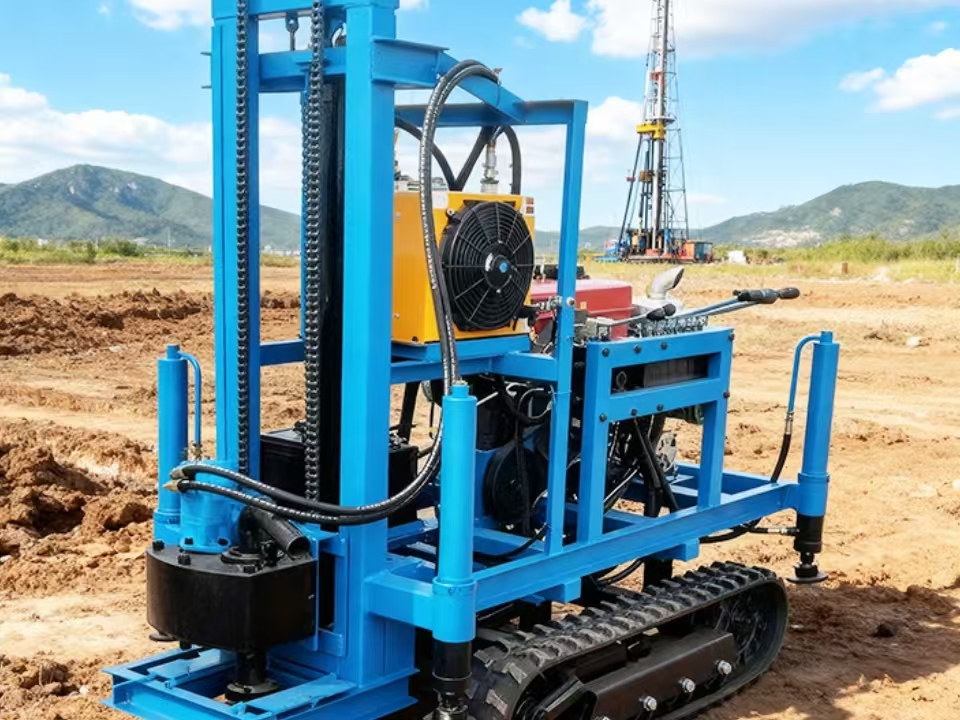
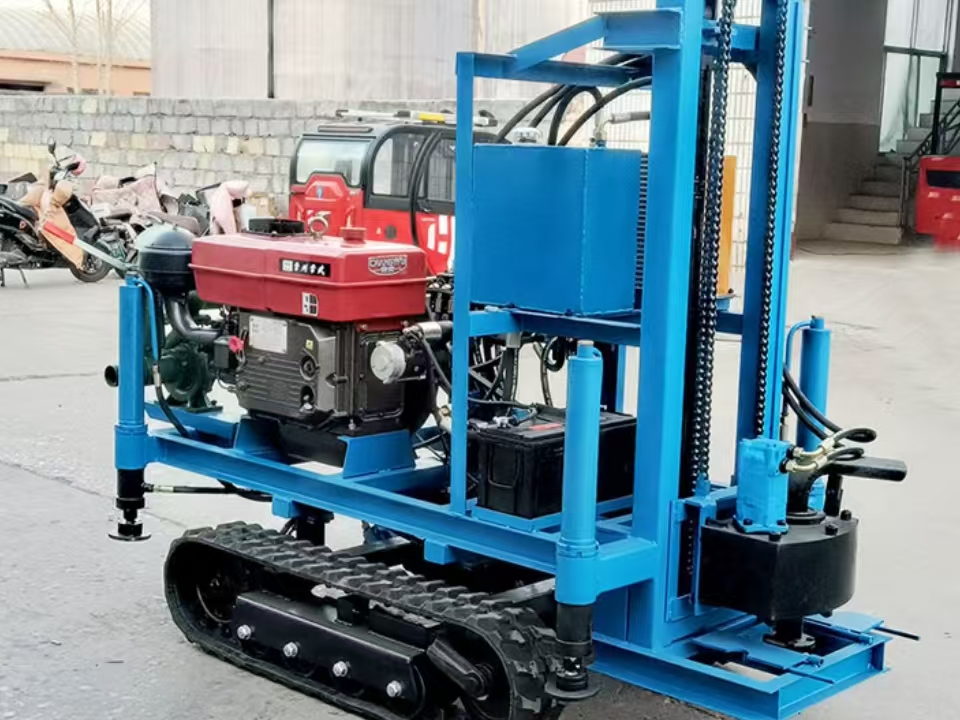
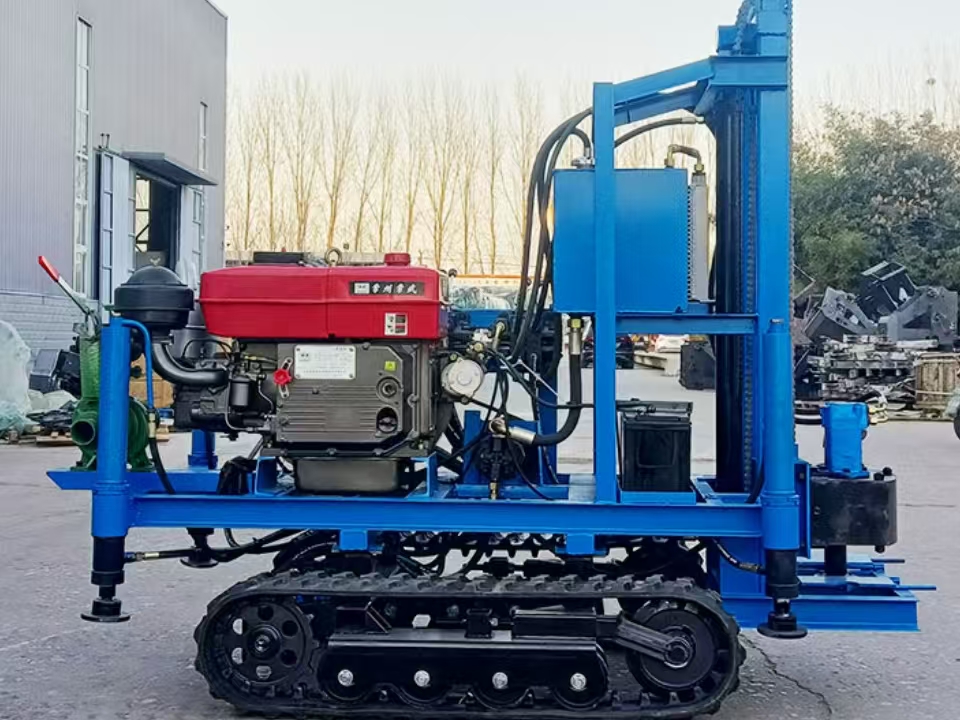
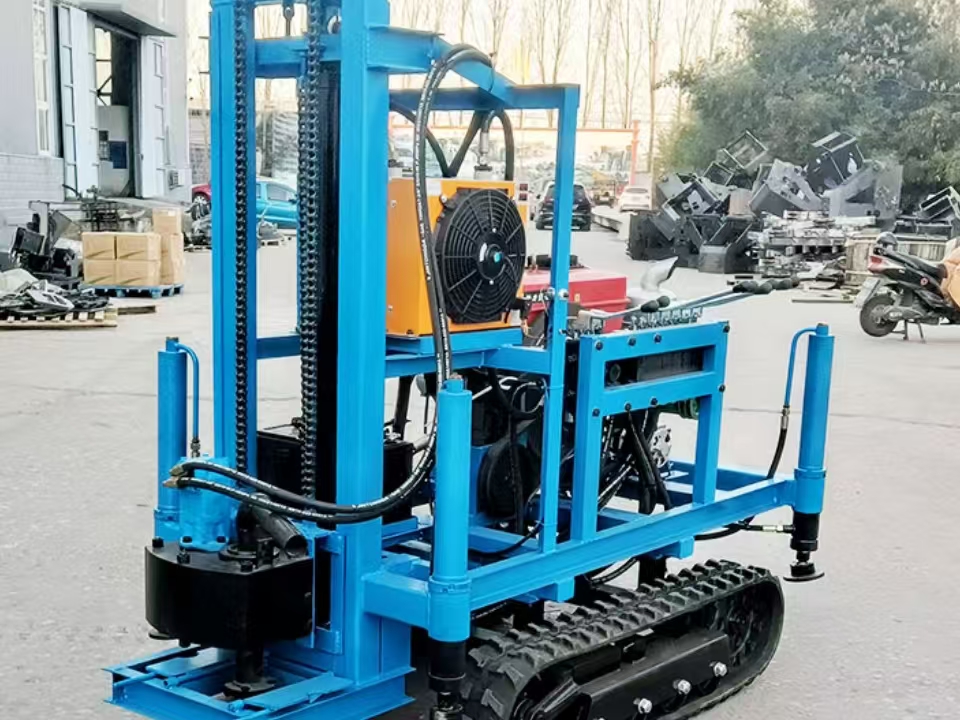
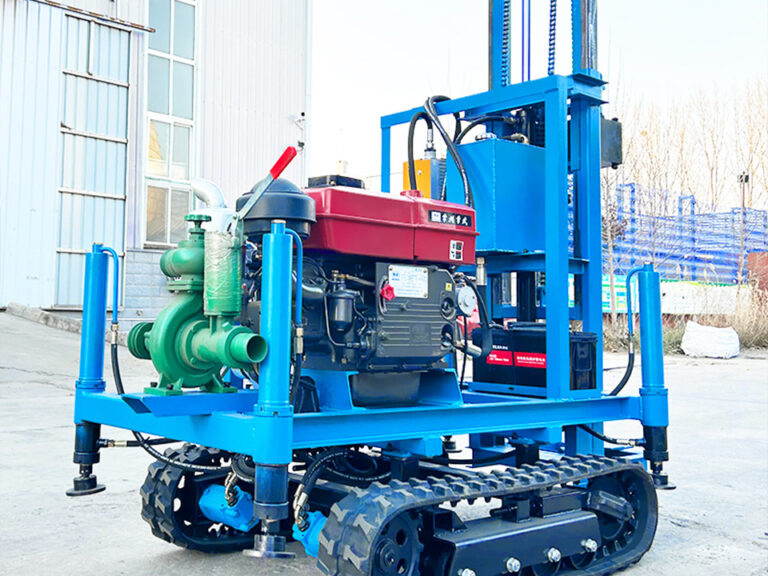
A small water well drilling rig can be a real machine with real value. A homemade water well drilling rig or light DIY kit, though, often collapses under the weight of three boring realities: torque, hole cleaning, and well completion. Drilling is only part of the job. Stabilizing the bore, handling cuttings, setting casing, protecting the annulus, and ending with water that can actually be used safely—that is the job.
I’ve watched buyers obsess over mast height and transport size while ignoring the question that actually matters: what happens at 80 meters when formation changes, circulation gets ugly, and penetration rate falls off a cliff?
That is where the cheap story ends.
The market split is not complicated:
System type
Typical buyer logic
What usually works
What usually fails
DIY water well drilling kit
Lowest entry cost, self-build mindset
Very shallow, soft ground, non-commercial experiments
Farms, remote plots, light-to-medium domestic well work
Hard rock limits if power train and air package are undersized
Small hydraulic rig
Wants real drilling performance without full truck rig cost
Domestic wells, service contractors, mixed geology jobs
Can still underperform if spec is chosen by price, not formation
Larger portable/deep system
Needs broader job envelope
Harder formations, deeper targets, better completion control
Higher capital cost and transport demands
What the data says when the sales pitch stops
Here is the hard truth.
Private wells are common enough that this is not a fringe market. The U.S. EPA says more than 23 million households rely on private wells, and over 43 million people get drinking water from them; it also cites a USGS study finding that about one in five private wells had at least one contaminant above a human-health benchmark. That alone should kill the lazy idea that a well is just a hole with water at the bottom.
And the behavior problem is worse than most sellers admit. According to an Iowa State University report on 2024 private well testing research, roughly 40% of surveyed U.S. private-well households may face meaningful health risk because they do not regularly test, treat, or avoid contaminated drinking water. That is not an equipment problem alone. But it is absolutely a system-design problem, because bad equipment choices make proper completion and maintenance less likely.
Then there is Oregon. In the Oregon State University Be Well Project update from August 2024, researchers reported that over 30% of surveyed well owners had contaminated well water, while 75% had not tested or treated their water. That should bother anyone selling a DIY narrative without also talking about treatment, testing, and post-drill stewardship.
So when someone asks me, “Can a small drilling rig drill a water well?” my answer is yes—but that question is too small. The better question is whether it can drill, complete, and support a defensible well in the geology and regulatory setting you actually have.
Those are different things.
Why field users stop trusting “light-duty” claims
Depth is not the same as usable depth
Manufacturers love headline depth numbers. I don’t blame them. Buyers click on depth first. But a claimed 100 m, 150 m, or 200 m capacity does not mean the rig performs comfortably at that depth with your formation, your bit choice, your air volume, your mud handling, and your casing plan.
This is why I’d rather look at system margin than brochure maximum.
A buyer comparing a minimal DIY setup to a true 150m electric portable mobile water well drilling rig is not really comparing two versions of the same thing. One is a hopeful entry. The other is an engineered drilling package. That distinction matters the moment your hole stops being friendly.
Mobility is useful. Underspec is expensive.
Portable does not mean weak. Some of the better portable water well drilling rig configurations are exactly right for farms, villages, remote plots, and contractors who need transport flexibility more than truck-mounted bulk. But “portable” becomes a trap when the buyer confuses lower mobilization cost with lower total well cost.
That is not luxury spending. That is buying margin.
Groundwater reality is getting less forgiving
The other thing the brochures rarely say out loud is this: groundwater conditions are not standing still. Reuters reported in January 2024 that a large Nature study covering 170,000 wells in more than 40 countries found widespread and “accelerated” groundwater decline, with more than a third of monitored aquifer systems dropping at least 0.1 meter per year from 2000 to 2022 and 12% dropping more than 0.5 meter per year annually. In plain English, shallow assumptions age badly.
That matters because the whole appeal of the best small water well drilling rig is usually tied to shallow, economical access. But if local groundwater levels are falling, the buyer who optimized only for today’s easy target may be buying tomorrow’s stranded machine.
The legal part DIY buyers keep skipping
This part is less glamorous. It is also where people get burned.
In many places, you cannot simply improvise a private well and call it done. Washington State, for example, says a license is required for anyone constructing or decommissioning water wells, and its Department of Ecology requires a Notice of Intent 72 hours before drilling starts. It also states plainly that an NOI is not permission to use water; legal water availability is a separate issue. That is the sort of line too many buyers discover after paying for steel, transport, and labor.
So when I hear someone ask how to choose a DIY water well drilling kit, I want to answer with a legal checklist before a mechanical one. Because the prettiest compact rig in the yard does not solve a licensing gap, a setback problem, a county inspection issue, or a water-right conflict.
And contamination liability is moving, too. Reuters reported in April 2024 that EPA’s PFAS actions were already feeding litigation logic, and that major PFAS settlements tied to drinking-water contamination had exceeded $11 billion. A few days later, Reuters also reported the EPA’s designation of PFOA and PFOS as hazardous substances under Superfund rules, increasing cleanup pressure on major contributors. That is not a direct ban on your private well. But it is a warning that groundwater quality is no longer a sleepy compliance topic.
What field users actually reveal about small rig systems
Three words matter: match the formation.
When users speak honestly, not in sales calls but after a job has gone sideways, their complaints are usually not random. They cluster around the same issues.
1. They bought depth, not drilling power
A lot of entry-level buyers chase a printed depth rating and ignore rotary head torque, feed force, compressor matching, rod handling, and bit compatibility. Then they hit fractured rock or mixed overburden and realize their small rig systems were sized for optimism, not production.
2. They underestimated completion
I say this often: a borehole is not a well. Buyers who eventually upgrade often do so because they learn that casing, sealing, development, and water protection eat the fantasy alive. If your application moves beyond the shallow-and-soft end of the market, a more stable system—sometimes even a hybrid-capable setup or a purpose-built 200m impact mud pump type mining shaft drilling rig for the right hole conditions—starts making a lot more sense than forcing a toy into a jobsite role.
3. They confuse first cost with total cost
A cheap rig that burns extra days, extra bits, extra transport, and extra troubleshooting is not cheap. It is just cheap to invoice once.
4. They ignore water quality until after the drill
That sequence is backwards. The machine choice, the well design, the site conditions, and the testing plan belong in the same conversation from day one. The Iowa State and Oregon State findings are not side notes. They are the warning label.
A better buying framework for a small water well drilling rig
I would use this filter before buying anything advertised as entry-level.
What to test before you trust a machine
Buying factor
Bad buyer question
Better buyer question
Why it matters
Formation
“How deep can it drill?”
“What does it do in mixed overburden, weathered rock, and hard rock?”
Formation, not headline depth, decides real output
Completion
“Can it reach water?”
“Can it support casing, sealing, and stable well completion?”
Water access is useless without durable completion
Power
“Is it portable?”
“Does the power train still have margin when penetration slows?”
Thin power reserves create expensive downtime
Water quality
“Can I test later?”
“What contaminants are likely here, and what is the post-drill plan?”
Testing and treatment affect whether the well is actually usable
Compliance
“Do I need paperwork?”
“What licensing, NOI, county review, setbacks, and water-right rules apply?”
Legal failure can kill the project even if drilling succeeds
Future-proofing
“Is shallow enough today?”
“What happens if groundwater drops or the target interval changes?”
Shallow-only rigs age badly in stressed aquifers
My blunt answer to the most common buyer questions
Can a small drilling rig drill a water well?
Yes, a small drilling rig can drill a water well when geology is favorable, the target depth is realistic, and the machine has enough torque, feed, circulation support, and completion capacity for the actual hole design. In soft, shallow, low-risk conditions, that answer is easy. In harder or deeper ground, it becomes conditional fast.
What is the best small water well drilling rig?
The best small water well drilling rig is the one with enough reserve capacity for your worst realistic formation, not your cheapest imagined scenario. I do not trust “best” lists that ignore compressor pairing, casing workflow, bore stability, transport access, and the legal path to a usable water source.
How should I choose a DIY water well drilling kit?
Choose a DIY water well drilling kit only when the job is genuinely shallow, legally straightforward, and tolerant of lower drilling efficiency and lower completion sophistication. If the site has uncertain geology, water-quality concerns, harder strata, or any meaningful regulatory complexity, move up to a proper portable hydraulic system.
FAQs
Is a DIY water well drilling kit worth it?
A DIY water well drilling kit is worth it only for shallow, low-risk, non-demanding applications where soil conditions are forgiving and the buyer accepts lower performance, lower margin, and more personal labor. In many real domestic-well scenarios, the initial savings disappear once completion, testing, delays, and failed attempts are counted.
I’ll say it harder than most sellers will: the kit is often “worth it” only when failure is affordable.
What is the difference between a portable water well drilling rig and a homemade water well drilling rig?
A portable water well drilling rig is a purpose-built machine engineered for transportable field drilling with defined power, feed, and operational controls, while a homemade water well drilling rig is typically a self-built or improvised setup with much less predictable drilling stability, safety, and completion capability.
That difference shows up fast in rod handling, hole control, penetration consistency, and the ability to recover when geology turns ugly.
Can a small rig system handle hard rock drilling?
A small rig system can handle hard rock drilling only if its torque, feed force, bit system, and circulation package are correctly matched to the formation and depth objective. Many small rigs can touch hard rock; far fewer can work it efficiently enough to make the project economical.
Touching rock is not the same as owning the hole.
Why do field users complain about entry-level drilling rigs?
Field users complain about entry-level drilling rigs because many are sold on mobility and price while hiding the real constraints: low reserve power, slower penetration, weaker hole cleaning, poorer casing workflow, and limited tolerance for mixed or hard formations.
In other words, buyers are often promised a rig class and delivered a compromise.
Do small water well drilling rigs make sense for commercial buyers?
Small water well drilling rigs make sense for commercial buyers when the work mix is dominated by shallow-to-moderate domestic wells, remote access jobs, and lower mobilization demands that reward portability without requiring full truck-rig capacity. They make less sense when the job book is geologically unpredictable or consistently deep.
I like them most when they are bought as focused profit tools, not as universal answers.
Your Next Steps
Here is my recommendation.
If you are still comparing a DIY water well drilling kit against a real small water well drilling rig, stop thinking like a bargain hunter and start thinking like a driller. Define the formation. Define the likely depth range. Define the casing and completion plan. Define the legal path. Define the water testing plan before the first rod turns.