“The Drilling Rig gave us a true one-stop solution. Their team matched the right rig, compressor, and drilling tools for our project, and the engineering support stayed fast and professional from quote to delivery.”
Step-by-Step Water Well Drilling Process with Equipment Choices
The part sales brochures always skip
Most failures start early.
I frankly believe buyers get hypnotized by the wrong numbers, because they’ll obsess over engine badges, mast travel, and a pretty paint job while barely asking about annular seal integrity, cuttings lift, collar stability, or whether the compressor can actually keep a hammer fed once the hole starts loading up with fines and the driller is pushing to finish before dark. That’s the real mess.
Table of Contents
And then what?
A hole reaches water, somebody takes a photo, the project gets called a win — but a real well has to stay sanitary and productive after the shiny moment passes. The U.S. EPA says more than 43 million Americans, roughly 15% of the population, rely on private wells, and EPA cites a USGS study of about 2,100 private wells where about one in five had one or more contaminants above a human-health benchmark. That should sober people up fast.
Here’s the ugly truth: the water well drilling process usually goes wrong before total depth, not at total depth. It gets lost in the boring parts — pad prep, geology assumptions, air matching, sealing choices, development discipline. Miss those, and you can still invoice the job. You just can’t guarantee the well will behave.
And the timing couldn’t be worse for lazy decisions. Reuters reported in January 2024 that groundwater levels around the world are showing widespread and accelerated decline, while University College London summarized the same Nature-backed research as measurements from 170,000 wells across 1,693 aquifer systems in more than 40 countries, with groundwater declining by more than 10 cm per year in 36% of monitored aquifer systems. So yes, the subsurface is getting less forgiving. Not more.
Before the first rod goes in
Site prep is where the job actually starts
But people fake this part.
They call it mobilization, as if getting tracks onto a pad means the drilling plan is solid. It doesn’t. Before you even think about feed pressure or penetration rate, you need to know whether the rig can sit level, whether runoff will head toward the wellhead, whether the upper section will ravel, and whether the protection zone is being treated like an engineering issue instead of a paperwork nuisance.
That’s not me being dramatic. North Carolina State Extension says the purpose of a well is to obtain groundwater and transport it sanitarily, and it recommends treating an area at least 100 feet in all directions as a protection zone because pumping creates a cone of depression that can draw contaminants toward the well. Ignore that, and you’re already building risk into the finished system.
Rig choice starts with formation behavior, not brand loyalty
This gets flattened into slogans. “Use DTH in rock.” Fine. Usually. But that kind of advice sounds clever right up until the collar starts wandering, the cuttings stack up, or the overburden sloughs and the crew burns half a day trying to recover the hole.
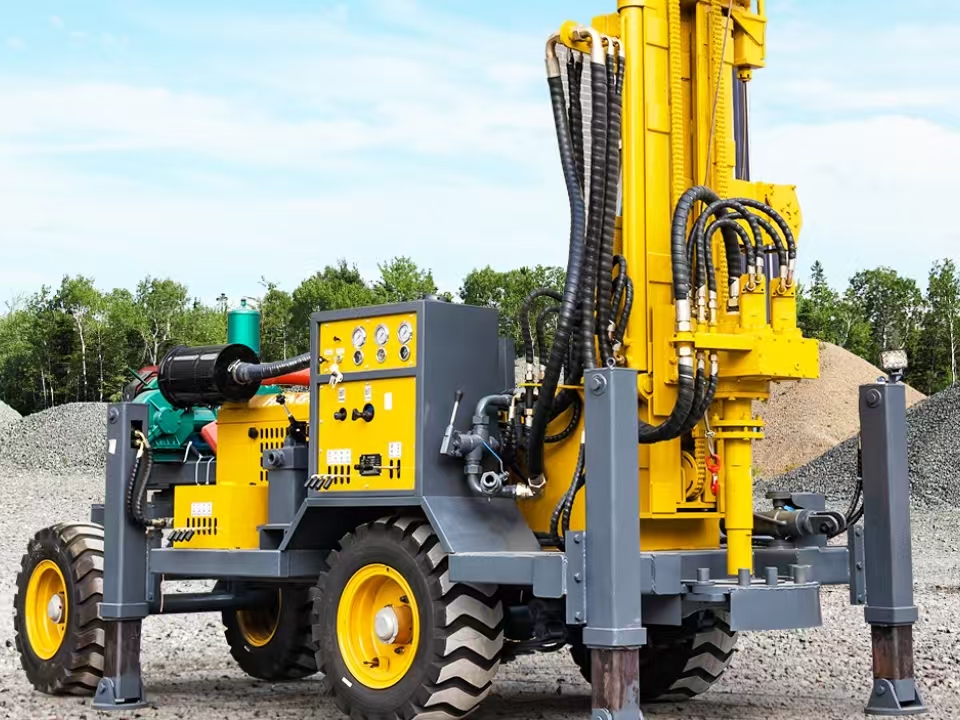
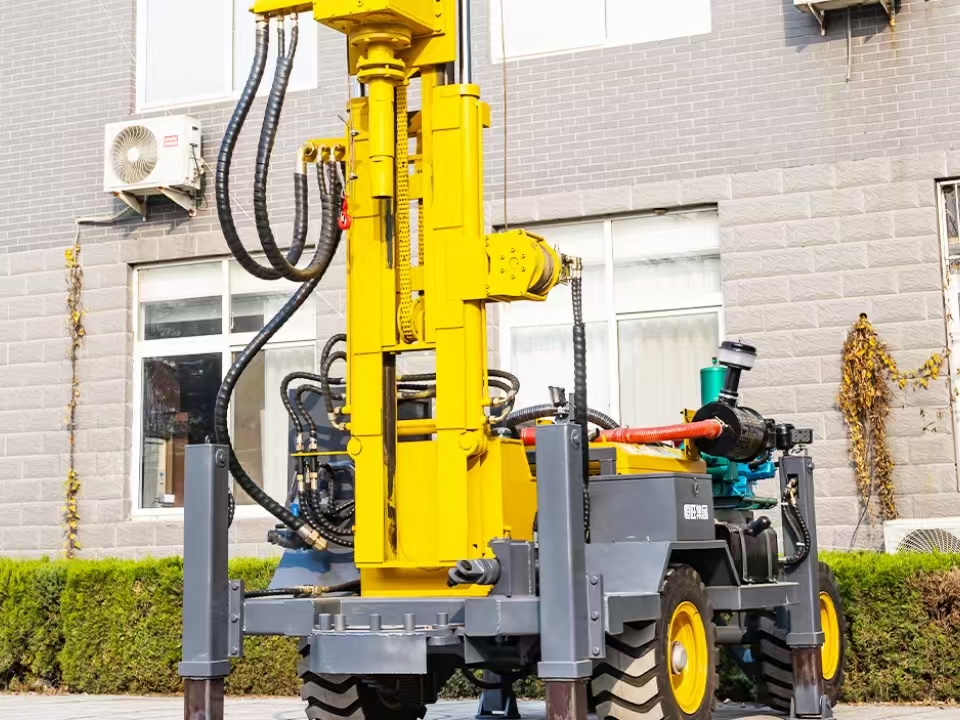
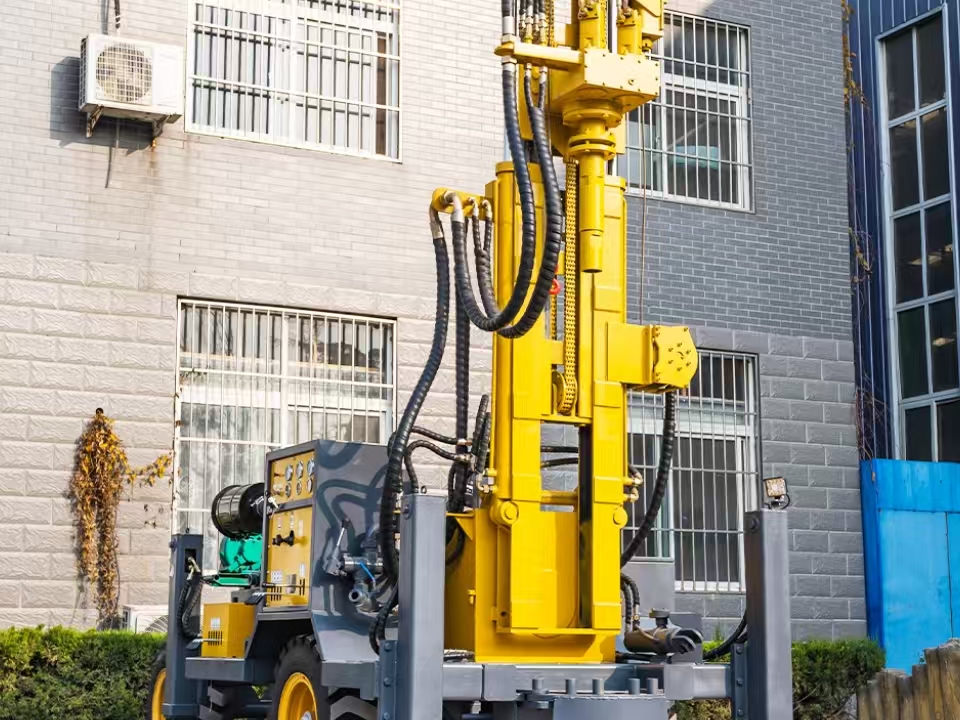
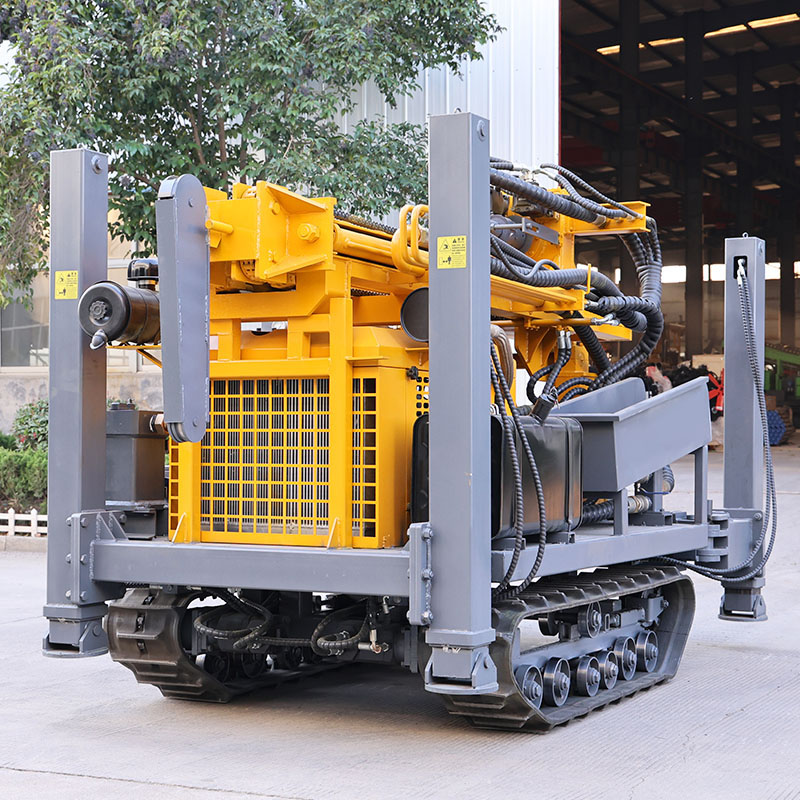
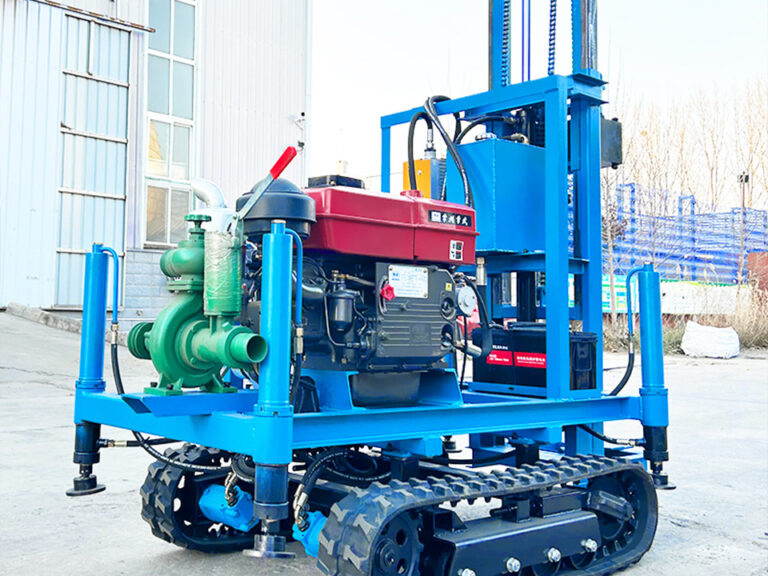
For hard-rock work, a DTH-ready platform earns respect when the geology justifies it and the air package isn’t pretending. Your KG726/KG726H ground drilling rig is built around that logic: crawler base, 80 kW Yuchai diesel, 90–115 mm hole range, 25 m economic drilling depth, and a published air demand of 9–17 m³/min. That last line matters more than the headline specs because it tells you how much breathing room the machine expects in the field.
And then there’s the KG910A crawler hydraulic rock drill. Similar hole range. Similar depth class. Tighter air demand band at 9–13 m³/min. On a clean site, the difference can look small. On a bad day — fractured rock, dirty returns, tired crew — that narrower window can turn into the whole story.
That’s the thing.
From my experience, the best drilling rig for water well drilling isn’t the biggest one or the cheapest one. It’s the one that still has margin when the ground stops cooperating.
The actual drilling sequence — the one people only learn after a few bad jobs
1) Collar the hole cleanly
Start slower.
I know. Nobody likes hearing that. But a sloppy collar has a long memory — deviation, casing trouble, sealing headaches, ugly rework. A driller who can baby the first meters and keep the string honest is worth more than a machine that looks aggressive in a product video.
2) Get through overburden without pretending it will stay put
Yet this is where the job starts talking back. Loose overburden, mixed layers, caving sections, bridging, wash zones — now you’re not just “drilling a water well,” you’re managing a live bore that would love to embarrass you. And it often does.
That’s why most beginner guides on how to drill a water well feel too clean. They leave out the ugly middle: cuttings packing off, sidewall slough, temporary stabilization, and the constant judgment call about whether to push, ream, case, or back off before the hole takes control of the schedule.
3) Treat the compressor like part of the drill string
This one annoys me every time.
Too many quotes still treat the compressor like a sidekick. It isn’t. In DTH or air-rotary work, the compressor is part of the drilling system’s nervous system. Starve the hammer and everything starts lying to you — poor penetration, dirty hole, regrind, extra wear, operators blaming the rig when the real problem is the air package.
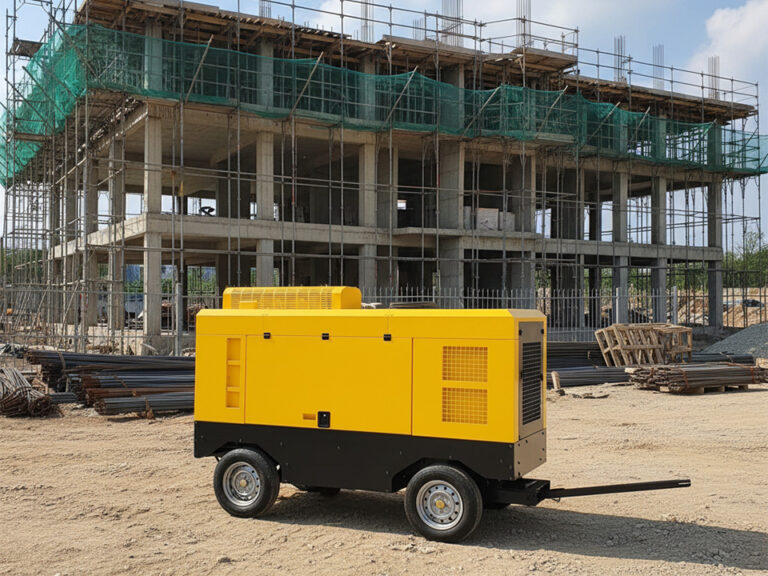
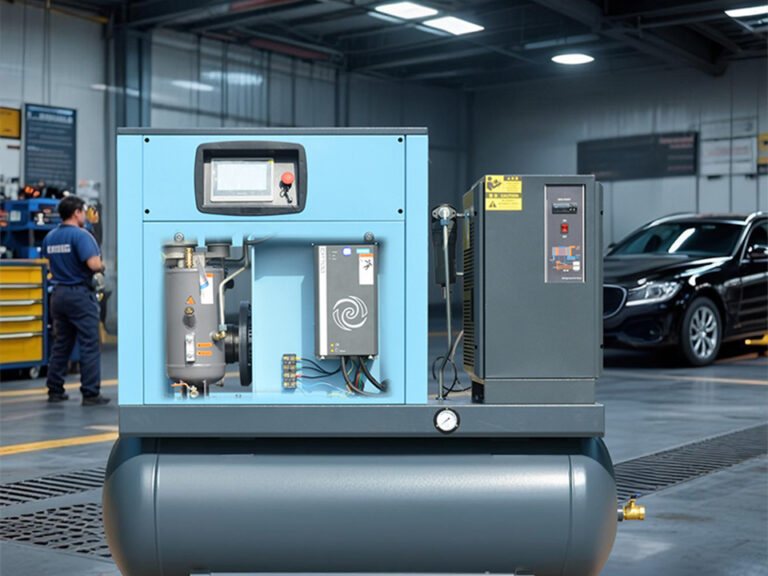
Your 11kW direct-drive screw air compressor is listed around 1.5 m³/min, with 0.8, 1.0, or 1.3 MPa options. Your 15kW silent screw air compressor is listed around 1.28 m³/min and up to 16 bar. Useful units? Sure. But if somebody tries to pitch those as a primary answer for a DTH setup that wants 9–17 m³/min, they’re selling around the hole, not into it.
It works. Sometimes.
But not where the hammer is hungry and the cuttings column gets stubborn. That’s why air compressor for water well drilling isn’t some accessory keyword. It’s half the job.
4) Casing and sealing decide whether the well stays respectable
And this is where jobs get cheap in the dumbest way possible.
A drilled bore isn’t a finished well. Once casing goes in, the conversation changes — now it’s about structure, sanitation, migration pathways, and whether the annulus is being treated like an engineering barrier or a “close enough” afterthought. California’s well construction standards are very clear here: acceptable sealing materials include neat cement, sand-cement, concrete, or bentonite-based sealing material, and drilling mud or drill cuttings are not acceptable as sealing material; the same standards also say bentonite-based sealing material should not be used in fractured rock or highly unstable unconsolidated material where it may be displaced or eroded. That’s not red tape. That’s field survival.
I’ll say it plainly. If the annular seal is treated like cleanup work, the well is already suspect.
5) Development is where a hole starts acting like a well
Nobody brags about development.
That’s probably why it gets rushed. But development matters because the well is still carrying construction baggage — fines, drilling remnants, unstable material around the intake, all the junk that makes early water look okay and long-term performance look disappointing. North Carolina State Extension says every well should be developed before being put into service, and notes that development removes drilling remnants and fine sediments near the intake; the same guidance says gradually increasing pump rate, high-pressure water or air, and surging may all be used.
And I’m biased here. I’d rather spend extra time developing than spend the next six months answering why the customer is pumping sand.
6) Disinfect, test, document — then call it complete
This part sounds basic. It isn’t.
North Carolina guidance says water supply wells should be disinfected upon completion, maintenance, repairs, pump installation, and testing, and it specifies a 100 ppm chlorine residual for a minimum of 24 hours before flushing. That’s not ceremonial cleanup. It’s part of converting construction into service.
So no, I don’t love hearing “job finished” unless somebody can show me the development notes, the disinfection step, and the pumping data.
DTH vs rotary drilling for water wells — and why bumper-sticker advice isn’t enough
I hear this line constantly: “DTH for rock, rotary for the rest.” Fine. As a bumper sticker.
But serious buyers need more than that, because DTH vs rotary drilling for water wells is really about formation response, air support, target diameter, bore stability, and how much trouble you’re willing to invite later. In competent hard rock, DTH often wins when the air supply is truly there. In mixed or unstable ground, casing strategy and bore control can matter just as much as the drilling method itself.
Here’s the same logic without the fluff:
Job condition
Preferred logic
What usually goes wrong when buyers cheap out
Hard, competent rock with limited sloughing
DTH or air-rotary with enough compressor volume to clear cuttings fast
Compressor undersized, slow hole cleaning, bit wear blamed on rig
Mixed overburden to fractured rock
Method changes and casing planning matter as much as rig choice
Buyer prices a single-method solution for a multi-condition hole
Bore stability, casing, screen, and seal design dominate
Contractor reaches water but fails on sand control or annular seal
Production target is sensitive to fines and sediment
Extended development and proper test pumping
Crew quits development too early because the water “looks okay”
I like tables like that because they kill fantasy fast.
Safety isn’t the appendix
Three words: pressure bites back.
And air systems don’t forgive carelessness. OSHA’s respirable crystalline silica standard for construction applies unless exposure stays below 25 μg/m³ as an 8-hour time-weighted average, and it restricts dry sweeping and the use of compressed air for cleaning in situations that can increase silica exposure unless strict conditions are met. That matters on drilling sites because people keep acting like the compressor conversation is only about flow and pressure. It isn’t. It’s also about dust, startup procedure, hose integrity, housekeeping, and whether the crew treats pressurized systems with respect