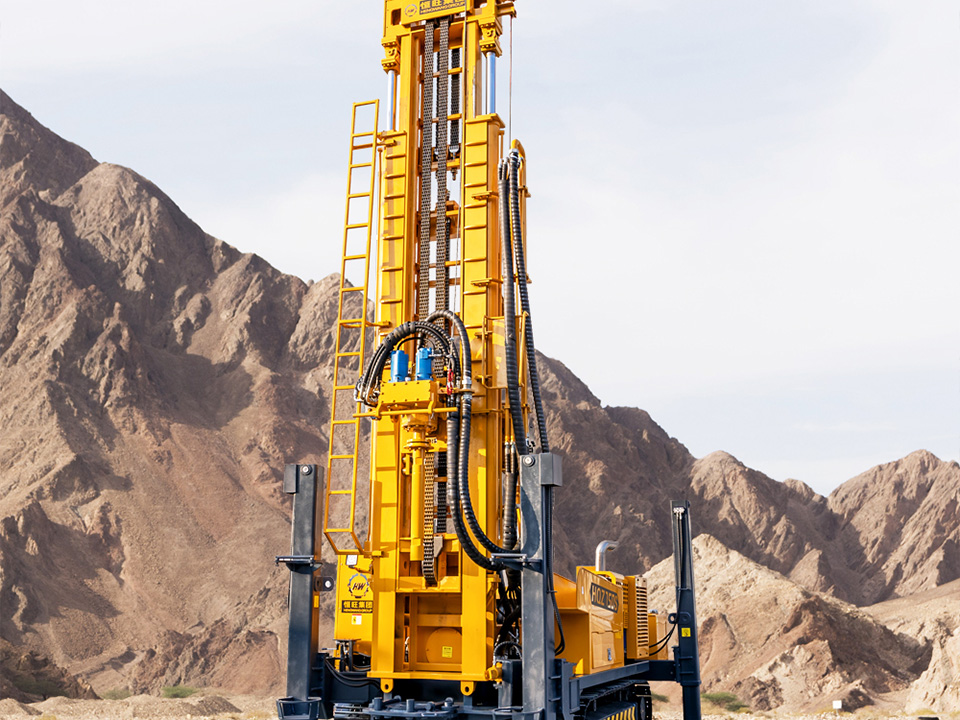
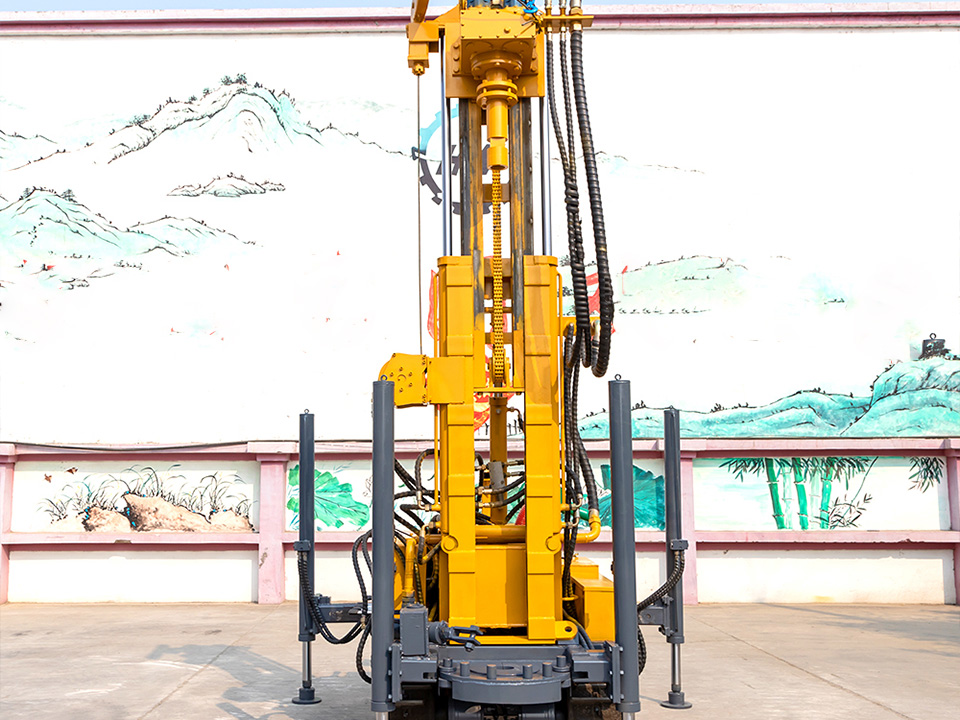
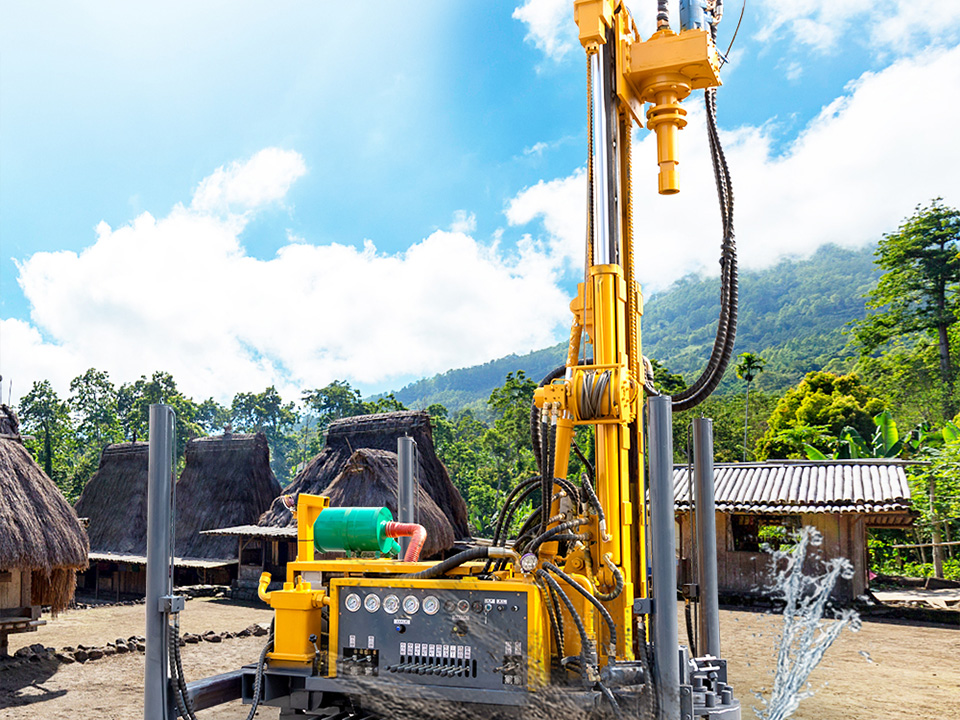
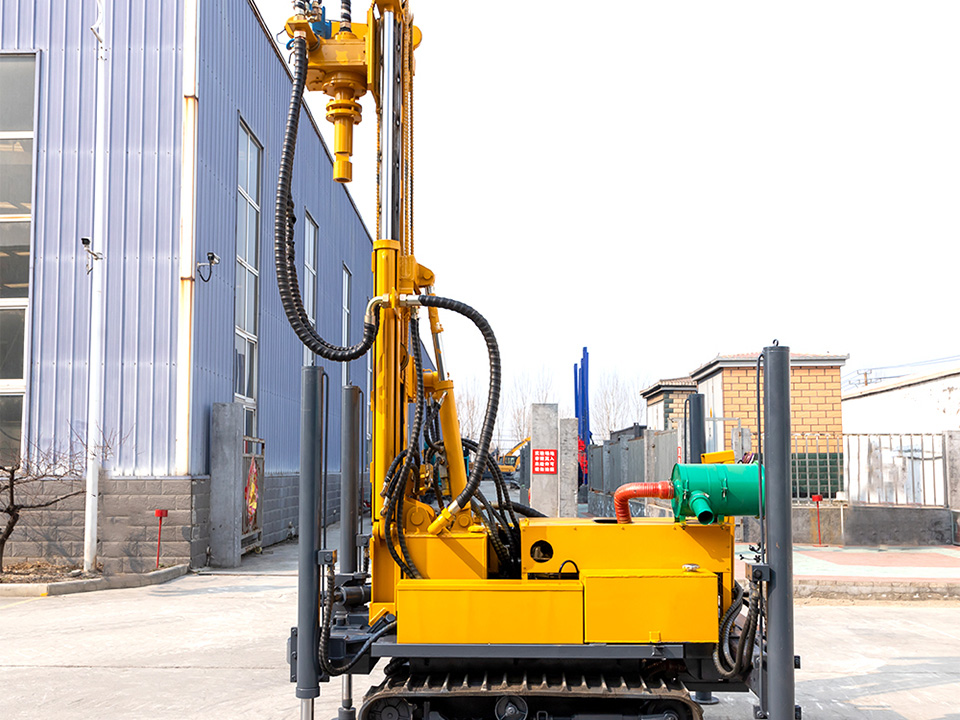
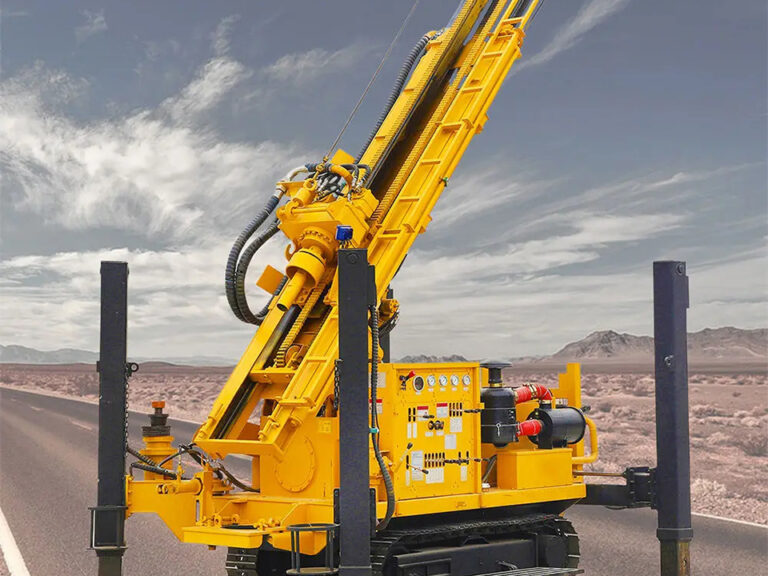
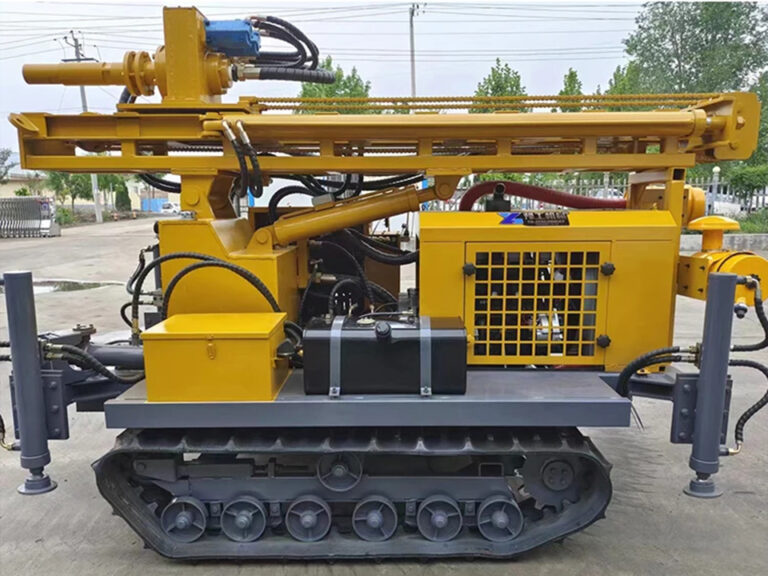
“The Drilling Rig gave us a true one-stop solution. Their team matched the right rig, compressor, and drilling tools for our project, and the engineering support stayed fast and professional from quote to delivery.”
How Casing Design Determines Rig Class, Bit Size, and Airflow
The well design calls the shots
Small mistake. Big invoice.
I’ve seen this too many times: a buyer picks a “200 m rig,” likes the compressor number, and only later asks what casing string the well actually needs, how much annular seal space the regulator wants, whether gravel pack is required, and whether the chosen bit can even drill a clean hole for that completion. Then the job turns into a patch-up exercise. California’s well construction rules are blunt about this—the annular space must be effectively sealed, and seal depth is not optional decoration.
Here’s the hard truth: well casing design is not a finishing detail. It is the decision that quietly sets borehole diameter, which then drives drill bit size for casing, which then affects compressor demand, cuttings transport, casing handling, mast load, and rig class. If the casing program is wrong, the equipment package is usually wrong too.
Table of Contents
And this matters more now because the groundwater backdrop is getting harsher, not easier. Reuters reported in January 2024 that groundwater levels worldwide are showing widespread and “accelerated” decline. That means design mistakes are hitting real budgets and real water access, not just drilling schedules.
Casing size is really a hole-size decision
Funny thing: buyers often think casing is just a pipe choice. It isn’t.
A 6-inch casing spec does not mean a 6-inch hole, and in many real projects it doesn’t even mean an 8-inch hole. The moment you add annular seal requirements, gravel pack, installation tolerance, and unstable formations, the borehole grows. California’s standard says the annular space must be sealed to stop poor-quality water and contaminants from moving along the well, and it also sets minimum seal depths—20 feet for many well types, 50 feet for others. That one requirement alone can change the drilling geometry.
That’s why I don’t trust tenders that only say “6-inch casing, 200 m depth.” That sentence looks technical. It isn’t. It hides the actual question: what borehole diameter is required to install and seal that casing properly?
Bit size is where weak planning gets exposed
Three words only.
Diameter changes everything.
If the completion needs casing plus a real annular seal, your bit program is no longer a casual accessory. It becomes the first visible cost of the casing program. Cheap buyers try to shave money here and then pay later with reaming, poor grout placement, casing drag, or a hole that looks fine until the string hangs up.
Here’s the simple version:
Design variable
What it really controls
What buyers often get wrong
Final casing OD
Minimum finished borehole diameter
They compare casing size directly to bit size
Annular seal requirement
Extra hole diameter beyond casing
They forget grout needs real space
Gravel pack thickness
Additional clearance in screened interval
They assume one hole size fits all intervals
Formation stability
Whether open-hole time is safe
They choose a light rig for bad ground
Drilling method
Bit type, cuttings removal, fluid or air system
They treat air drilling like a universal answer
Telescoping design
Upper-hole diameter and conductor needs
They budget only for the final casing
That table looks basic. It isn’t. It’s where good engineering starts and sloppy procurement gets caught.
Rig class follows the casing program
This is the part many sellers hate.
Depth is not the only selection driver. In fact, I’d say it’s often the most misleading one. Two wells can both be 200 meters, yet one can be handled by a lighter platform while the other needs a much heavier machine because the upper-hole diameter, conductor section, annular seal demand, or casing weight is completely different.
That’s why I keep repeating the same annoying sentence in equipment discussions: don’t ask for the best rig. Ask for the best rig for this casing program.
Airflow is not a sticker number
Here’s the ugly truth.
Buyers love compressor specs because they look tidy in a spreadsheet. Real drilling doesn’t. Once casing design forces a larger hole, airflow demand usually rises too—sometimes enough to push the job into another compressor class. Bigger hole, more volume, more cuttings to lift, more chance of poor bottom cleaning if the air package is marginal.
And no, airflow alone does not save a bad design. California’s standards also discuss conductor casing and annular seal protection in a way that makes one thing obvious: in unstable ground, the real issue may be holding the hole open long enough to install and seal the casing correctly, not just blasting more air through it.
So when people talk about air compressor airflow for drilling as if it’s independent from casing design, I know they’re still thinking in equipment silos. The hole geometry comes first. The compressor number comes after.
What tenders still leave out
I’ve read plenty of tender packages that say, “Drill one 200 m well with 6-inch casing,” and then stop. That is not a technical specification. That is a future argument.
A serious tender should spell out casing OD/ID, screen interval, annular seal thickness, gravel-pack requirements, borehole diameters by section, development method, and the assumptions behind rig and compressor sizing. Without that, buyers are not comparing equipment. They are comparing guesses.
Here’s the practical design-to-equipment logic:
Completion choice
Likely equipment consequence
Why it matters
Larger conductor / upper casing
Heavier rig, larger starter bit, more pullback
Upper-hole stability becomes a structural issue
Wider annular seal requirement
Larger borehole than casing alone suggests
Grout placement fails in a tight hole
Gravel-packed screened interval
Larger or reamed production section
Screen performance depends on envelope geometry
Collapsing overburden
Simultaneous casing or faster casing advance
Open-hole exposure becomes a risk
Large DTH hole in hard rock
Higher airflow and often higher pressure class
Cuttings lifting drops without margin
Deep telescoped design
Multi-stage bit plan and stronger handling capacity
Depth alone does not define the rig
Depth sells brochures. Completion geometry decides field success.
And the financial side is not small. Reuters’ 2024 reporting on faster groundwater decline is a reminder that replacement drilling and deeper well programs are becoming more common in stressed regions. Bad tender logic now can become expensive redesign later.
FAQs
What is well casing design in practical drilling terms?
Well casing design is the engineered plan for casing diameter, depth, material, screened intervals, annular seal, and related borehole clearances that determines how the well will be drilled, sealed, protected, and completed in actual ground conditions. That design sets the drilling geometry before equipment selection starts.
In plain language, it tells you whether your rig recommendation is based on physics or marketing. If the casing program and machine choice conflict, the casing program wins—usually after wasted time and money.
How do you choose drill bit size for casing?
You choose drill bit size for casing by starting with the casing outside diameter, then adding the annular space needed for grout or gravel pack, plus installation tolerance, so the finished borehole is large enough to place casing and seals correctly without binding or under-sealing.
That means there is no honest universal shortcut like “6-inch casing always needs X-inch bit.” Seal thickness, gravel pack, telescoping intervals, and ground stability all interfere with that lazy rule.
How does casing design affect drilling rig selection?
Casing design affects drilling rig selection because it sets borehole diameter, casing weight, installation method, and formation-control needs, which together determine required pullback, torque, mast capacity, mobility format, and whether simultaneous casing or specialized drilling methods are needed.
That is why a generic “200 m rig” request is often weak thinking. Same depth does not mean same machine class.
Why does airflow increase when casing design forces a larger hole?
Airflow increases when casing design forces a larger hole because a larger borehole creates more volume to clean, more cuttings to lift, and more demanding DTH or air-rotary conditions, so the compressor must move enough air to maintain transport velocity and bit or hammer performance.
Bigger diameter means heavier air demand. Usually. That is why airflow must be tied to the hole plan, not pasted in later as a separate line item.
What should EPC teams and NGOs specify before issuing a drilling tender?
EPC teams and NGOs should specify target yield, aquifer interval, casing and screen sizes, annular seal thickness, gravel-pack requirements, borehole diameters by section, development method, and the assumptions that justify compressor class and rig type before inviting equipment offers.
I’d add one more rule: make suppliers answer against the completion design, not just against a depth number. That filters out weak offers fast.
Your next steps
Start with the well. Not the machine.
If you’re buying drilling equipment for tenders, stop asking, “Which rig can drill 200 meters?” Ask the question that actually matters: what casing program does the well require, what borehole diameters does that create, what sealing rules apply, and what rig class and airflow follow from that geometry?