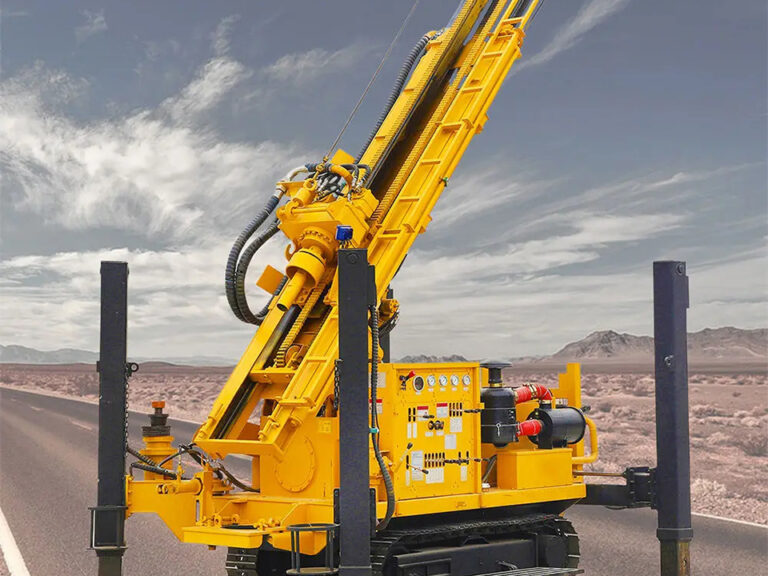
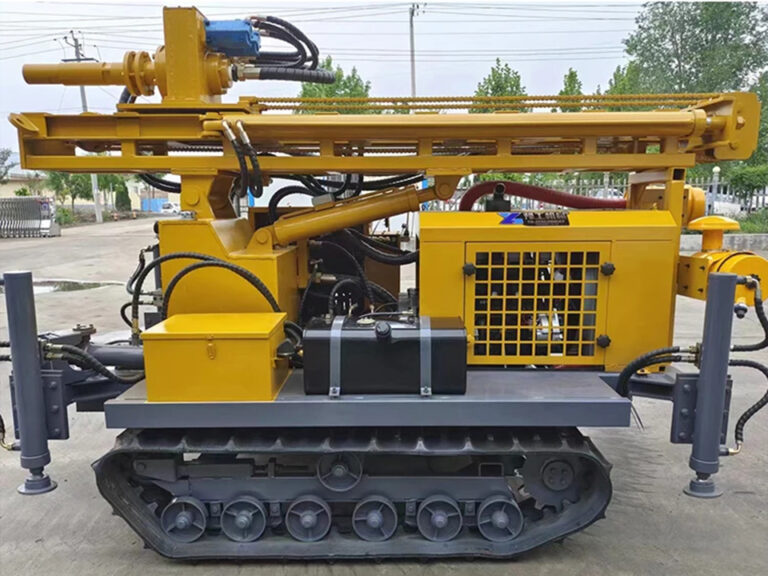
“The Drilling Rig gave us a true one-stop solution. Their team matched the right rig, compressor, and drilling tools for our project, and the engineering support stayed fast and professional from quote to delivery.”
DTH Hammer Compatibility: How to Validate Rig-Air Matching
Three parts. One failure.
I’ve watched this movie too many times: a distributor private-labels a rig, buys the compressor from one factory, the hammer from another, then promises “matched package” performance as if decals and paint somehow equal engineering, while the real fight starts later in the field when penetration drops, the hole stops cleaning, bit wear accelerates, and everybody blames the hammer first. Why always the hammer?
Table of Contents
The dirty truth about DTH hammer compatibility
DTH hammer compatibility is the field-verified match between the hammer’s pressure-and-air-volume demand, the compressor’s delivered output at the hammer, and the rig’s mechanical ability to hold feed, rotation, rod handling, and hole-cleaning stability under actual drilling conditions rather than brochure conditions. Epiroc’s operator guidance states that impact rises with percussion pressure, but also warns that with modern compressors up to 35 bar, initial impact energy can be too high and equipment can be damaged if maximal pressure is used blindly; Mincon’s current hammer charts likewise state that air-consumption values are based on testing at standard atmospheric conditions and that altitude increases air demand.
That matters more than most sales teams admit. Because “compatible” in this business is often reduced to one lazy sentence: “The shank fits.” I don’t buy that. A hammer that threads up and fires on the bench can still be a bad system match in rock because line losses, bore diameter, water inflow, altitude, and rig feed behavior change the real air package the hammer actually sees. Mincon’s current catalog explicitly says altitude increases air consumption, and Epiroc’s M-series brochure shows volume changes against line pressure rather than pretending compressor output is a flat number.
And here’s the hard truth: many “performance disputes” are procurement failures wearing a technical mask. The buyer compared rated compressor CFM and rated hammer pressure on paper, but nobody asked the unglamorous questions—what is the delivered pressure at the hammer backhead, what is the uphole velocity at target diameter, how much does the booster sag in heat, and what happens after the first 60 meters when friction loss, water loading, and cuttings recirculation show up?
Why brochure matching fails in real drilling
A DTH system is not a single machine. Penn State’s mining course puts it plainly: drilling is a system of components, with the power source converting engine or motor output into compressed air or hydraulic energy to drive the drill bit. That is basic. But in the field, basic gets ignored.
Let me say the unpopular part. Suppliers love “free air delivery” numbers because they sound large and clean. But the hammer does not drill at the compressor nameplate. It drills at the pressure and volume left after hose losses, lubricator losses, separator losses, pipe friction, altitude penalties, and whatever abuse the driller introduces with oversized hole diameter or poor flushing practice. Epiroc’s M-series material literally includes a compressor-efficiency chart and a volume-versus-line-pressure chart; that alone tells you the old sales habit of quoting one neat CFM number without context is not serious engineering.
So when I evaluate a package, I do not start with brand. I start with the air path. Then the hammer chart. Then the rig mechanics. Only then do I care whose sticker is on the canopy.
The numbers that make or break rig-air matching
Here is the framework I use when a supplier claims “full compatibility.”
Validation point
What you should ask for
What a good supplier provides
What usually signals trouble
Hammer demand
Operating pressure and air-consumption chart by hammer model
Model-specific chart at target bar/psi and diameter
Generic “works with 24 bar compressor” claim
Compressor reality
Delivered pressure and volume at drill string, not only FAD
Tested output curve, hose size, booster details
Nameplate CFM only
Rig mechanics
Feed force, rotation range, rod size, pipe spec
Rig data matched to hammer class and hole size
“Our rig can use many hammers” with no table
Hole cleaning
Target hole diameter, depth, water condition, geology
Flushing velocity logic and cuttings removal basis
No mention of water, cuttings, or annular velocity
Connection fit
Shank, backhead, thread, check valve, lubrication
Drawings, part numbers, service kit mapping
“Same as competitor” with no drawing
Site conditions
Altitude, ambient heat, water inflow, rock hardness
Derating or margin built into air package
Standard-condition quote only
Some of the current catalog data is brutally revealing. In Mincon’s 2024 hammer literature, the 10–15 inch hammer section shows operating-pressure and air-volume charts that stretch from roughly 6.9 to 34.5 bar, with air-volume figures rising into the thousands of SCFM depending on hammer size. That should kill the fantasy that “a big compressor is a big compressor.” Size class, pressure band, and hole diameter move together.
And Epiroc’s COP M6 operator instructions go even further: at high available compressor pressures, you do not simply run flat out from the first meter because excessive initial impact energy can damage equipment. That is the sort of sentence buyers should pin on the wall, because it exposes a bad habit in the market—confusing maximum available pressure with correct operating pressure. They are not the same thing.
My field checklist for validating drilling rig and DTH hammer compatibility
Short answer first: I validate the hammer, compressor, and rig as a pressure-delivery system, a volume-delivery system, and a mechanical-control system, then I force every supplier claim through a field-condition correction for altitude, hole size, water, and string losses before I approve the package.
Step 1: Start with the hammer chart, not the rig brochure
The hammer is the air consumer. So I want the exact hammer model, shank family, recommended operating pressure window, and air-consumption curve. Not a “similar model.” Not “same as QL60.” The exact chart. Mincon’s current documents explicitly tie their air charts to standard atmospheric conditions and tell users to account for altitude and ground conditions. That disclaimer is not legal fluff; it is the engineering heart of compatibility validation.
Step 2: Convert compressor marketing into delivered air reality
Then I ask the compressor supplier a question many hate: what pressure and flow reach the hammer after the full plumbing path, at the target hose size, rod length, separator setup, and expected ambient temperature? If they only repeat free-air-delivery marketing, I slow the deal down immediately. Epiroc’s own material shows compressor efficiency and line-pressure relationships, which is a polite way of saying output at the hammer is a moving target, not a decal value.
Step 3: Check rig mechanics, because air alone does not save a bad platform
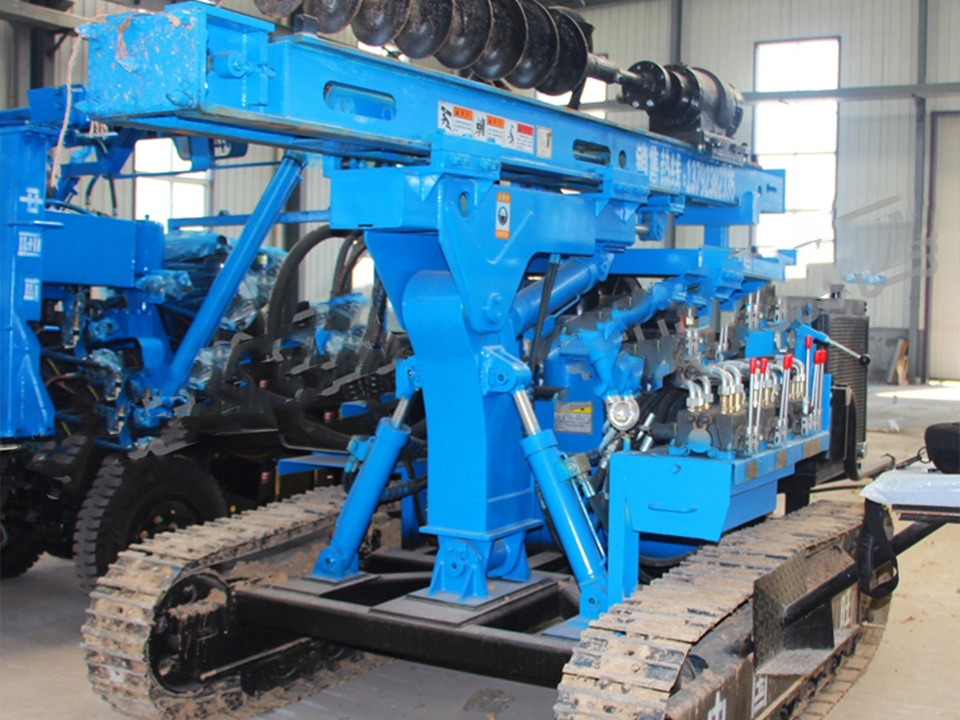
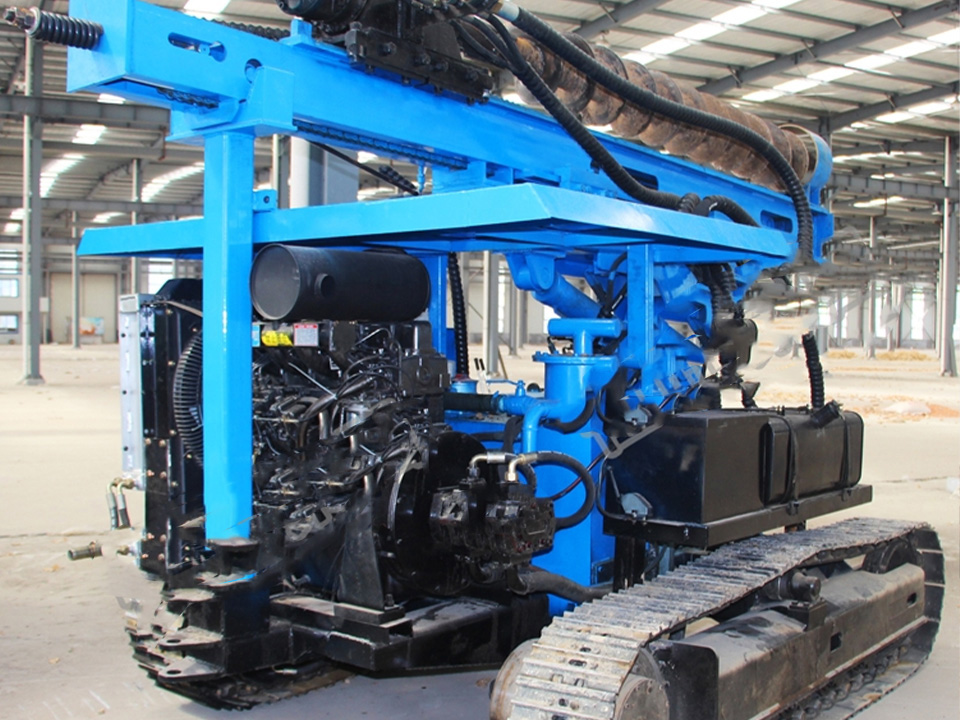
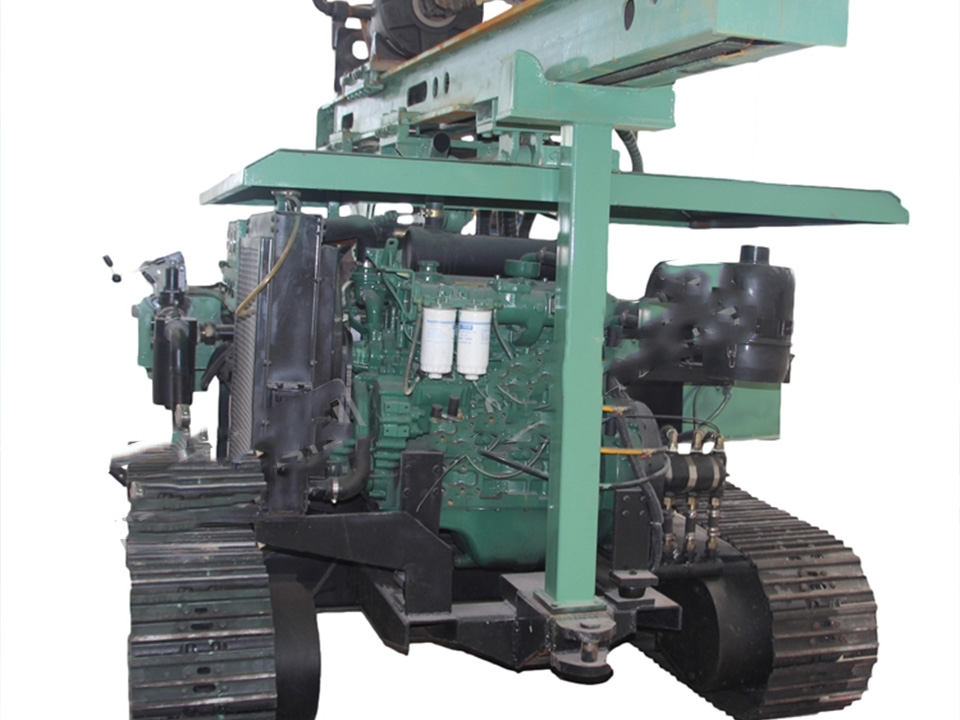
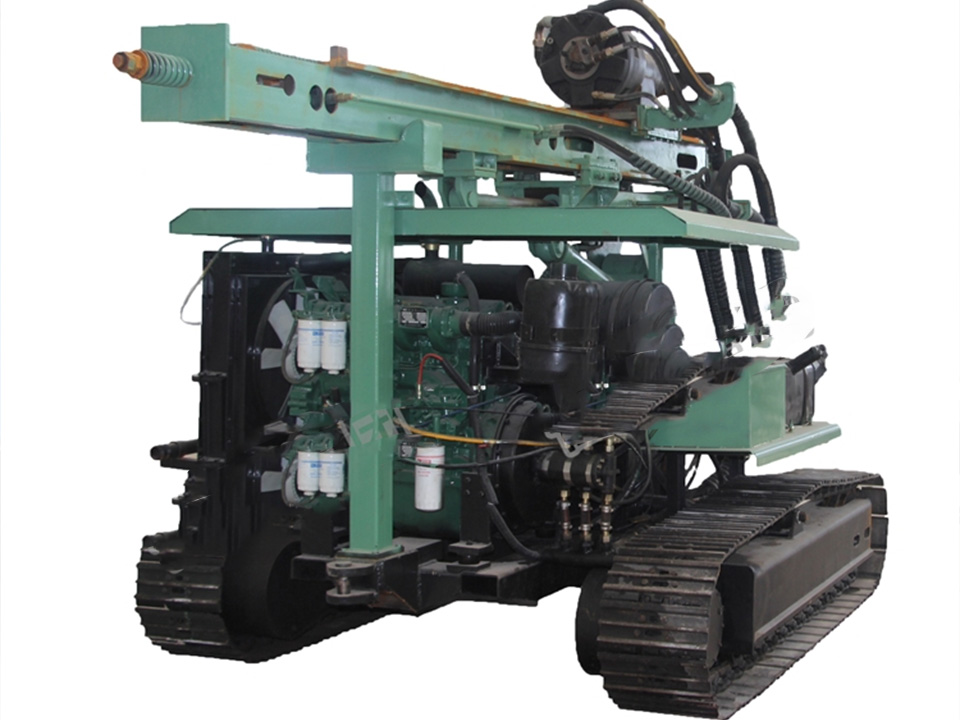
A hammer can be properly pressurized and still drill badly if the rig cannot hold feed pressure cleanly, cannot maintain rotation under broken ground, or has a mast and carriage setup that lets the string chatter. Buyers looking at a heavy-duty diesel engine rotary DTH drilling rig or a factory-direct Kaishan KT5H core/down-the-hole drill rig should ask for the matching table that ties hammer class, hole diameter, and compressor package back to rig feed and rotation data. If that table does not exist, the “matched package” is probably sales language, not engineering.
Step 4: Correct for altitude, water, and hole-cleaning load
This is where weak packages get exposed. At altitude, air density drops. In wet holes, cleaning gets harder. In oversized holes, annular transport changes. Mincon says it directly: altitude increases air consumption. That means a package sold on sea-level assumptions can become marginal long before the driller notices the real cause.
Step 5: Validate the interfaces nobody talks about
Shank family, backhead, thread form, check valve logic, oiling requirements, and service-kit availability. Boring? Yes. Expensive when wrong? Also yes. If you are comparing packages such as a diesel hydraulic rotary second-hand mining drilling rig against an integrated blasting drilling rig from a China factory, ask whether the hammer support parts, adapters, and service kits are standard catalog items or workshop improvisations. I’ve seen “compatibility” disappear the second the first backhead, foot valve, or adapter fails in-country.
Recent evidence the market should stop ignoring
This isn’t just a performance topic. It’s a risk topic.
In April 2024, the U.S. Department of Labor said MSHA’s final silica rule cut the permissible exposure limit for respirable crystalline silica to 50 micrograms per cubic meter over an 8-hour time-weighted average and required operators to take corrective action when exposures exceed that level. If your rig-air match is weak and cuttings evacuation or dust control is poor, you are not just losing meters per hour; you are walking toward regulatory and health trouble.
The wider industry numbers are not pretty either. The Bureau of Labor Statistics shows 113 fatal occupational injuries in private-sector mining, quarrying, and oil and gas extraction in 2023, the same total as 2022, before dropping to 92 in 2024. I’m not claiming bad DTH matching caused those deaths. I am saying this industry still pays dearly for sloppy systems thinking, and compressed-air drilling packages deserve more engineering discipline than they usually get.
And CDC/NIOSH kept pushing in late 2024 on monitoring tools for respirable crystalline silica in mining, with research aimed at technologies that let safety teams monitor and control dust exposure more effectively. That is the bigger context here: drilling performance, flushing efficiency, dust generation, and compliance are not separate conversations anymore. They are one conversation.
What buyers should demand before signing a PO
I’ll be blunt. Ask for these six items, or accept that you are buying uncertainty.
A hammer-specific operating window
You need the actual pressure range and air-demand curve for the exact hammer model, not a family-level promise. “Compatible with 24 bar” is not a data sheet.
A delivered-air statement
Not FAD. Not engine horsepower. A delivered-air estimate at the hammer, with hose size, separator arrangement, rod length assumptions, and site altitude stated in writing.
A hole-size and depth envelope
Suppliers should define where the package works well, where it is merely acceptable, and where it becomes marginal. That conversation gets uncomfortable fast. Good. It should.
A cross-brand interface map
If the rig, compressor, and hammer come from different factories, request the adapter, backhead, thread, oiling, and spare-parts map before shipment.
A field acceptance test
I want a witnessed test plan: penetration rate, pressure at compressor outlet, pressure near hammer if measurable, fuel burn, and hole cleaning observations at a defined diameter and geology band.
A failure allocation clause
This is the one distributors hate. If the package underperforms, who owns root-cause testing? Who pays for mobilization, inspection, and replacement? Put it in writing before the first invoice balance is due.
FAQs
What is DTH hammer compatibility?
DTH hammer compatibility is the verified ability of a specific hammer, compressor, and drilling rig to operate together within the hammer’s required pressure and air-volume range, while the rig also provides stable feed, rotation, hole cleaning, and correct physical interfaces under actual site conditions such as altitude, water, and geology. The short version is this: the hammer must receive the pressure and volume it was designed for, and the rig must control the drilling process without choking that air system or destabilizing the string. Mincon’s current documentation and Epiroc’s operator instructions both point back to real operating pressure, air charts, and site condition effects rather than brochure shorthand.
How do you match a DTH hammer with a compressor?
Matching a DTH hammer with a compressor means selecting a compressor whose delivered air pressure and volume at the hammer meet the hammer’s operating requirements after accounting for line losses, altitude, hole diameter, depth, and water conditions, instead of relying only on compressor nameplate ratings. I start with the hammer chart, then derate the air package for real conditions, then verify that line pressure and volume remain inside the hammer’s working band. Epiroc’s and Mincon’s published material both make that logic unavoidable because they show pressure-sensitive performance and standard-condition caveats.
Why does a rig-air match fail even when the hammer fits physically?
A rig-air match fails when the mechanical connection works but the system still cannot deliver the correct pressure, air volume, feed stability, and hole-cleaning performance the hammer needs under field conditions, which means physical fit does not equal operating compatibility. That is why I distrust deals built around shank fit alone. A package can assemble perfectly and still underperform because pressure drops across the air path, because altitude increases demand, or because the rig cannot control feed and rotation consistently enough to keep the hammer in its intended operating zone.
What numbers matter most in a DTH hammer operating pressure chart?
The most important numbers in a DTH hammer operating pressure chart are the hammer’s usable pressure range, the air-consumption curve at different pressure points, and the conditions under which those values were measured, because those three data sets determine whether the compressor can still support the hammer after real-world losses. Buyers obsess over one headline number and miss the curve. The curve is the story. Mincon’s current catalog explicitly ties air charts to standard temperature and atmospheric pressure and warns that altitude increases air consumption, which is exactly why field correction matters.
Can poor DTH hammer compressor matching create safety or compliance issues?
Poor DTH hammer compressor matching can contribute to safety and compliance risk by worsening flushing efficiency, increasing unstable drilling behavior, and making dust or silica control harder to manage, especially in metal and nonmetal mining where regulators now expect tighter exposure control and faster corrective action. I would not oversell the chain of causation, but I would not ignore it either. MSHA’s 2024 silica rule lowered the exposure limit to 50 micrograms per cubic meter, and NIOSH has kept investing in better mining silica monitoring tools, which tells you exactly where regulatory attention is going.