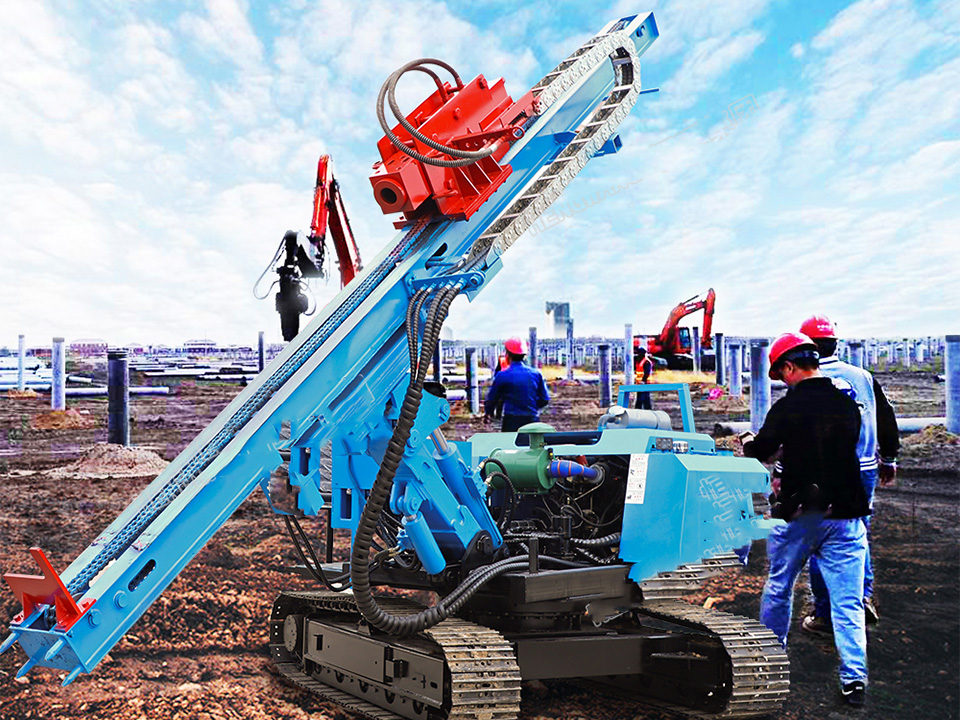
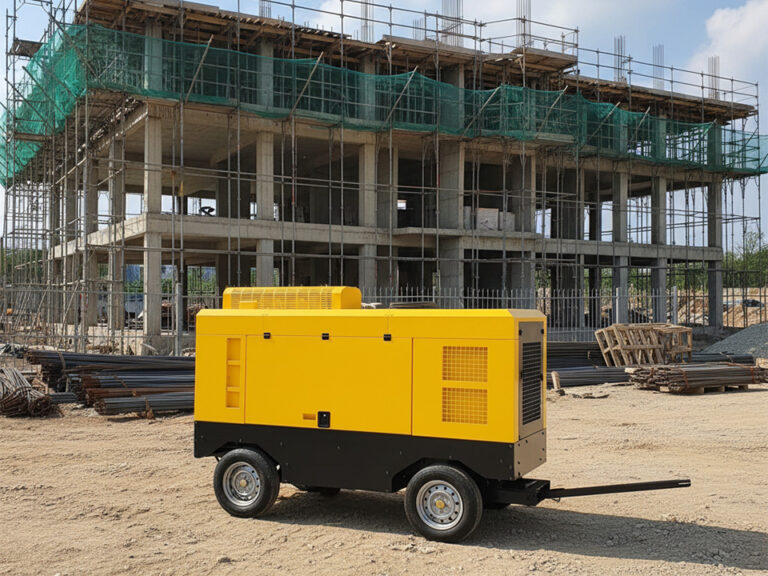
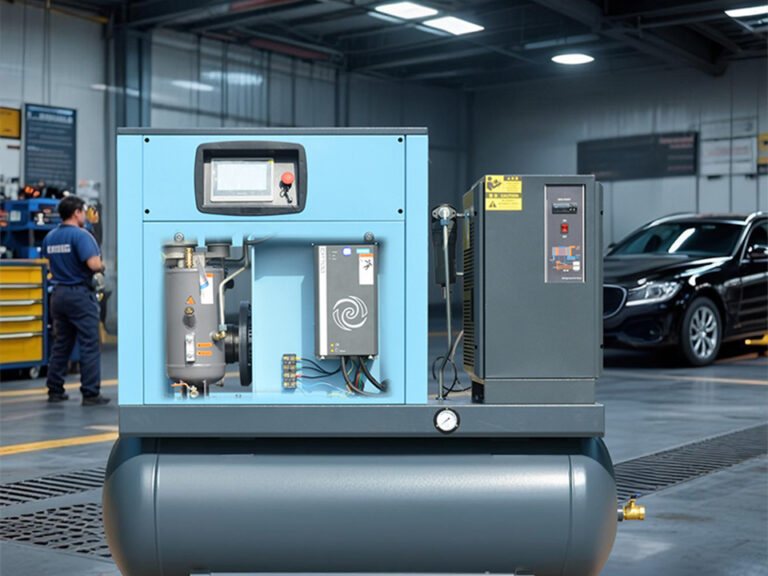
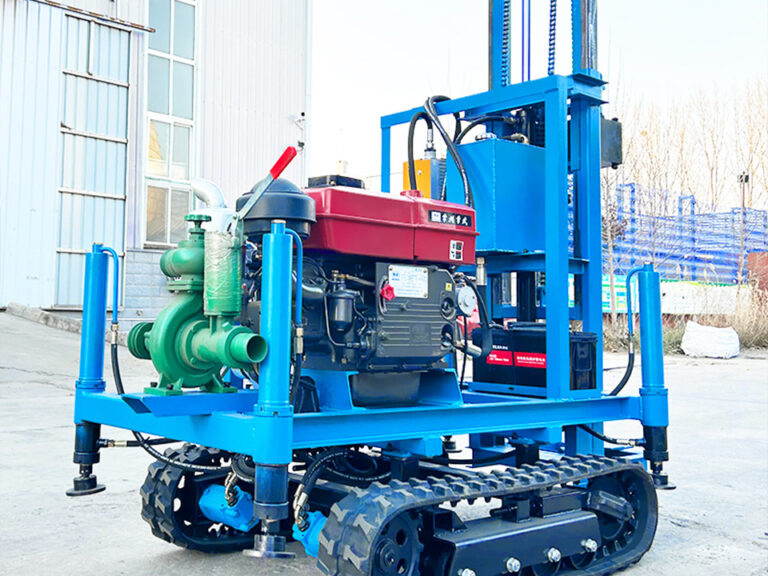
“The Drilling Rig gave us a true one-stop solution. Their team matched the right rig, compressor, and drilling tools for our project, and the engineering support stayed fast and professional from quote to delivery.”
Case Study: 6-Inch Wells in Mixed Overburden and Fractured Rock
Bad ground lies.
I’ve seen too many drilling packages look “perfect” when the conversation stays on a sales sheet—one neat depth figure, one neat compressor line, one neat promise about penetration rate—only for the whole story to unravel the moment the bit drops through loose overburden, chews through that awkward half-rotten transition material, and then tags fractured rock that starts stealing air, eating tools, and exposing every lazy assumption built into the rig package. That’s when the smiling brochure stops helping.
Table of Contents
Three ugly words.
Mixed ground kills certainty.
And frankly, that’s the whole point of this case study. A 6-inch well in mixed overburden and fractured rock is not one drilling job. It’s two jobs arguing inside the same hole. Sometimes three. The upper section wants control. The transition wants patience. The fractured interval wants airflow, steel, and honesty. Most sellers only budget for the first one.
The upper meters are usually a trap
People get fooled early.
Loose cover can make a weak package look competent because the hole is still shallow, the crew still feels optimistic, and the compressor hasn’t been forced to prove anything yet. Then the formation changes—quietly at first—and suddenly the same setup that looked “efficient” starts showing dirty returns, sloppy wall condition, inconsistent feed response, and a penetration rate that feels more like chewing than cutting.
That’s normal. Mostly.
But buyers read it wrong all the time.
They think the job has become difficult in some vague abstract sense. No. The geology has simply stopped being polite. In fractured-rock systems, groundwater occurrence and yield are tied to transmissive fractures, and USGS has noted that water-bearing fractures can decrease with depth in some settings, which is exactly why the old “just go deeper” mentality is often more sales talk than hydrogeology.
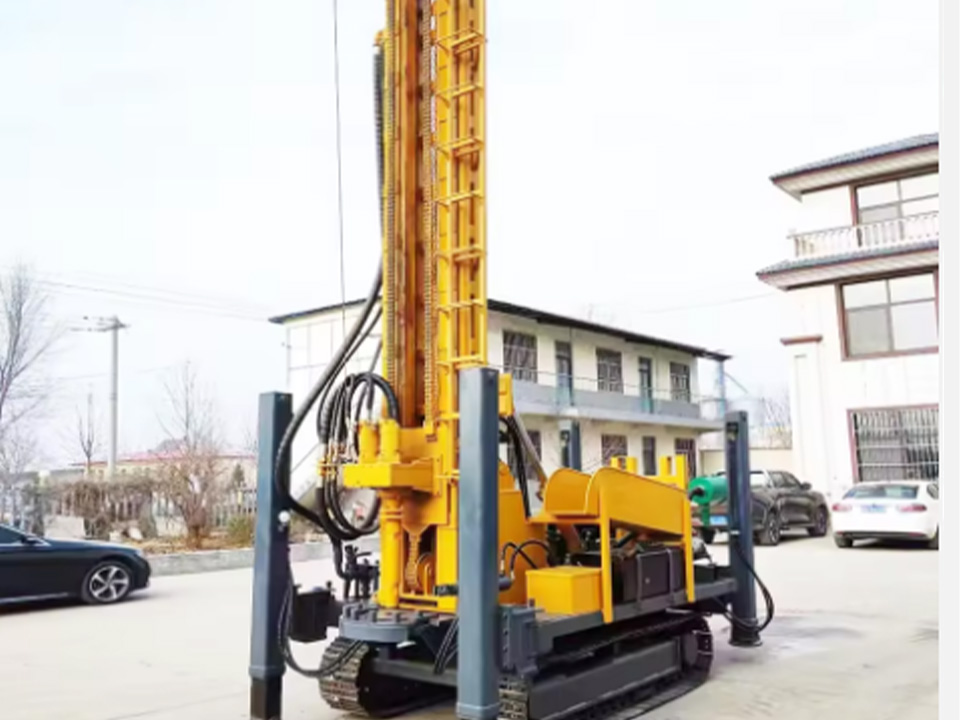
So when somebody asks whether a 300-meter portable diesel water well drilling rig is “enough,” my first reaction is always the same: enough for what interval? Enough in what formation? Enough under what air losses? A rig that looks fine in the top 40 meters can look very average once the hole starts asking harder questions.
From my experience, most project overruns don’t start in the hardest rock. They start when somebody treats all four rows like the same mechanical problem.
Bit choice is where a lot of people expose themselves
Wrong bit. Slow pain.
I frankly believe the industry still underestimates how much damage a bad bit decision can do in mixed ground. Not because the hole instantly stops. That would almost be easier. The real problem is slower and nastier: the job still moves, but it moves badly. More rubbing. Worse flushing. Dirtier returns. More vibration. Higher fuel burn. More operator correction. More time pretending the package is “still within normal range.”
That’s how money leaks out.
For drill bit selection for mixed ground, the question isn’t whether one bit can physically touch both overburden-related junk and fractured rock. Sure, sometimes it can. The real question is whether it can do both without turning the job into a slog. Those are not the same standard—not even close.
And here’s the ugly truth: buyers love talking about rig color, engine brand, mast height, even paint finish, while the bit—the actual thing chewing the formation—gets treated like a consumable detail. That’s upside down. In mixed overburden drilling, the bit isn’t a footnote. It’s a decision about how much punishment you’re willing to absorb.
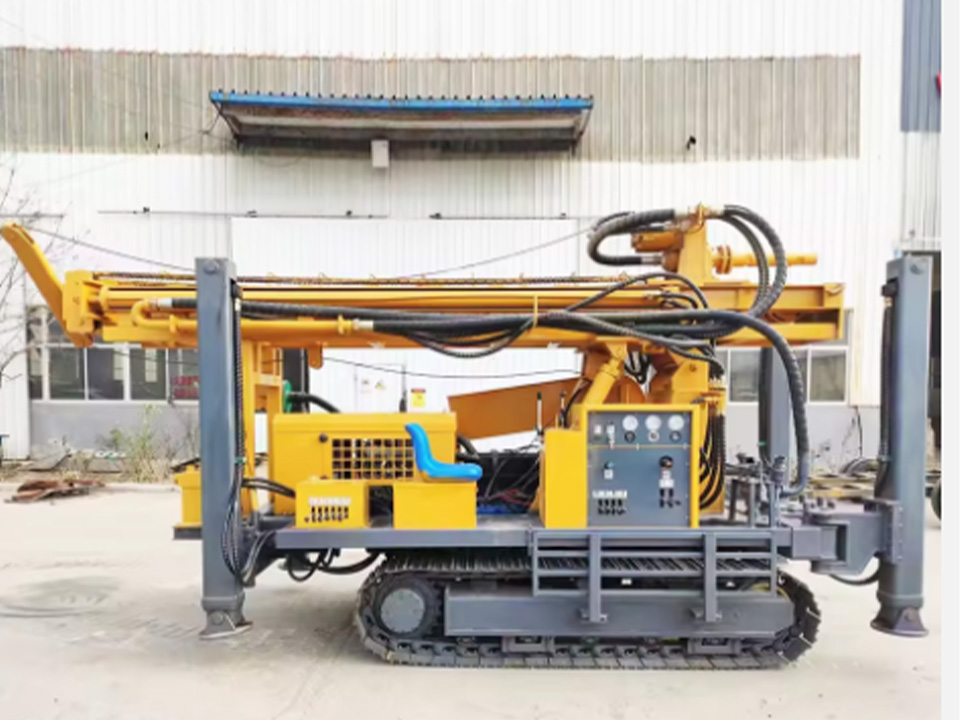
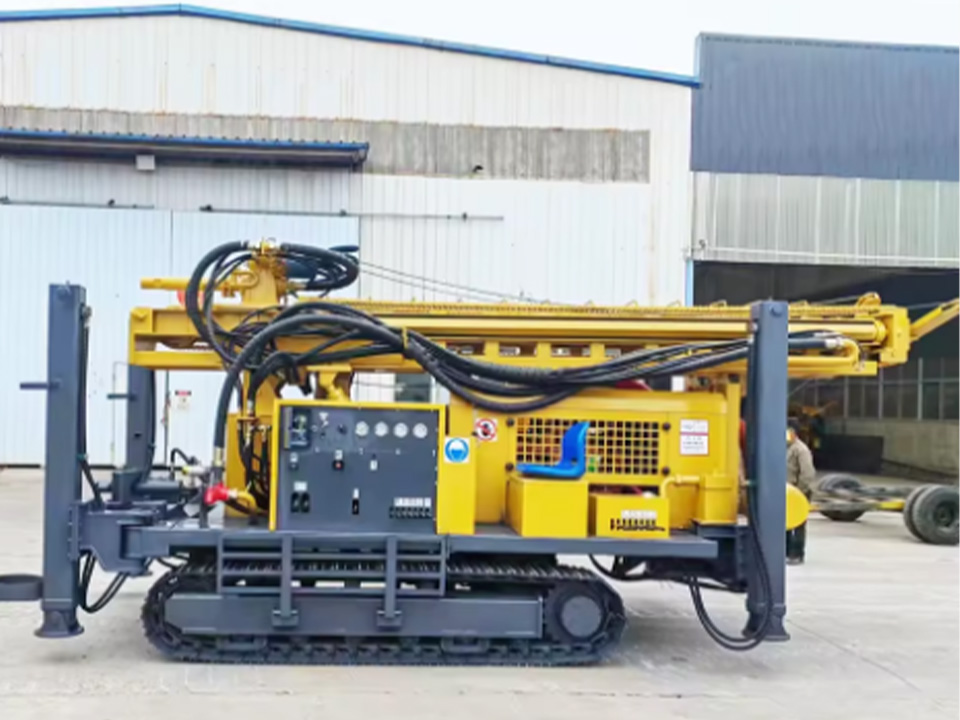
If the project is expected to spend meaningful time in harder broken ground, then a machine shaped around rock behavior—like this 300m double-cylinder lifting steel crawler rock drilling rig—starts making more sense than a soft-ground-first setup dressed up with optimistic language. And if the fractured interval sits deeper, or the geology report smells overly clean, I’d look much harder at a 450m portable diesel water well drilling rig because reserve capacity is not vanity when the lower section turns hostile. It’s insurance.
Airflow is where the fantasy usually breaks
Not enough air.
That’s it. That’s the problem more often than people want to admit.
You can fake confidence with a depth number. You can fake confidence with a model name too. But once a 6-inch hole enters fractured rock and the formation starts bleeding air through open seams, all the sales language in the world won’t keep cuttings moving if the compressor side of the package was undercooked from day one.
And that happens a lot.
A package can look perfectly fine in the top section because the hole hasn’t yet demanded much. Then the bit gets into broken competent rock, the hammer loses some crispness, returns get uglier, the ROP drops off, and suddenly everybody starts blaming the driller. Sometimes it is the driller. Let’s not get sentimental. But very often the package was never honestly sized for fractured-rock reality in the first place.
Reuters reported on a January 2024 Nature study showing groundwater levels have experienced widespread and accelerated declines across many parts of the world over the last four decades. That matters because harder groundwater access means less patience in the market for airy promises and more interest in whether the rig package can hold together when the ground turns unpredictable.
For airflow requirements for rock drilling, I care about usable air—not brochure air. Air that still works after losses. Air that still cleans after depth increases. Air that still matters when fractures start drinking part of your delivery before the hammer gets its share.
The sound changes first—if you’ve heard enough of these jobs, you know what I mean.
Then the returns start telling on the package. Then the operator starts compensating. Then the clock starts burning money.
Usually, four things show up fast:
The compressor margin shrinks
What looked acceptable up top suddenly feels light.
Cuttings transport gets touchy
And once that starts, everything downstream gets worse.
Penetration rate becomes interval-specific
Any single average number becomes borderline useless.
Completion risk starts building while you drill
Not after. During.
That last one gets ignored far too often.
Completion design is where the real adults stay in the room
Drilling to target depth is not the same thing as building a good well. Anybody who has actually had to stand behind a bad completion already knows that.
In mixed overburden and fractured rock, the contact zone matters—sometimes more than the headline depth. EPA comments in June 2024 on a monitoring-well installation plan in Hawaiʻi explicitly said well design should consider the lithologic interface, including saprolite to fractured rock, when deciding screen placement because a proposed interval may fail to achieve the purpose of the well. That sounds bureaucratic. It isn’t. It’s field logic written in agency language: ignore the interface and you may build the wrong well.
USGS said something similar in practice in its 2024 North Penn Area 1 fractured-rock work. The agency described using caliper, acoustic televiewer, resistance, vertical flow, temperature, resistivity, and borehole video logs to identify water-bearing features—low-angle and high-angle fractures, bedding-plane openings, joints, maybe faults. That’s how serious interval selection works. Not vibes. Not hopeful guessing. Actual evidence.
And yes, I know some buyers hate that part because it complicates the nice clean story. They want the rig package to solve everything. It won’t.
Mixed geology also means mixed risk
This part is boring until it gets expensive.
A 2024 USGS report from California found PFAS in 29% of sampled domestic groundwater resources in the eastern Sacramento Valley and adjacent foothills, with 5% exceeding EPA’s April 2024 maximum contaminant levels; the report also distinguishes valley sediments from fractured hard-rock foothill settings, which is exactly the kind of mixed hydrogeologic split that makes careless completion design a bad idea.
So no, this isn’t just a drilling-speed conversation. It’s also a well-integrity conversation. A hydraulic-connection conversation. A “did we isolate the junk and hit the useful zone?” conversation.
And when somebody says, “it’s only a 6-inch well,” I usually hear a person who hasn’t yet had to explain bad water, commingled zones, or a completion decision that looked convenient on rig day and stupid three weeks later.
Drilling speed? Fine. Define the interval first.
Fast where?
That’s the question people dodge because it wrecks the poster headline.
A rig can look fast in cover and average in rock. Or mediocre in the transition and sharp once the hammer is finally working in more honest ground. So when someone throws out one drilling-speed number for the entire job, I don’t reject it automatically—I just stop taking it seriously until they tell me where that number came from.
For drilling speed in fractured formations, I watch four things before I believe anybody:
Where the slowdown begins
If performance falls at the contact zone, that’s usually geology talking.
How the returns look
Returns are like a confession. They give away more than people realize.
Whether air losses are opening up
Because once the fractures start taking their cut, the whole job gets repriced.
What condition the hole is left in
A fast meter drilled badly is not a cheap meter.
Policy pressure is moving the same direction. California’s State Water Board placed the Tulare Lake Subbasin in probationary status in April 2024 under SGMA, citing concerns around groundwater sustainability. That is not a drilling spec, obviously—but it tells you something important about the market: “just drill deeper” is becoming a weaker answer in places where groundwater conditions are already under pressure.
What this case really says about rig selection
Buyers need fewer slogans and better questions.
If the project includes unstable upper ground and then fractured rock, I’d evaluate the package as one system: feed control, pullback, compressor truth, hammer-bit match, casing strategy, interval verification, and completion discipline. Looking at only one variable is how people buy the wrong machine for the right project.
Crawler rock logic, if the project is honestly rock-heavy
A 300m steel crawler rock drilling rig fits better when the job is not “occasional rock,” but sustained rock behavior with real punishment in the lower section.
Reserve capacity, if the geology report feels cleaner than reality probably will be
Why It Matters in Mixed Overburden and Fractured Rock
What airflow and pressure are available under actual field load?
Nominal figures often hide losses, wear, and depth effects
What bit and hammer setup is assumed for each interval?
One setup rarely performs well from loose cover to broken rock
How is unstable overburden handled before the hole opens in rock?
Upper-hole mistakes can damage the full well economics
What logging or interval verification is planned?
Productive fractures are not distributed evenly
At what depth does performance stay commercially sensible?
Mechanical possibility is not the same as profitable drilling
How will the completion isolate nuisance versus productive zones?
Wrong completion decisions can ruin a good drilled hole
That table is dull. Good. Dull questions save money.
FAQs
What is fractured rock drilling in a 6-inch well project?
Fractured rock drilling in a 6-inch well project is the process of advancing an approximately 152-millimeter borehole through hard rock where groundwater movement is controlled mainly by fractures, joints, bedding-plane openings, and faults, so drilling performance depends on airflow, hammer-bit match, interval behavior, and completion discipline rather than simple depth capability alone.
In plain English, the hole stops behaving like one uniform task. Some zones drill clean. Some steal air. Some carry water. Some only waste time. If a buyer doesn’t understand that, they usually judge the machine by the wrong metric.
What is mixed overburden drilling?
Mixed overburden drilling is the upper-hole drilling phase through loose soil, clay, gravel, weathered material, or decomposed rock before competent bedrock is reached, where the main challenge is controlling instability, cuttings removal, wall condition, and casing decisions instead of simply maximizing penetration rate or nominal depth.
From my experience, this is where a lot of crews quietly lose control without admitting it. The top section may look easy, but once wall condition goes bad, the lower intervals often become more expensive than they ever needed to be.