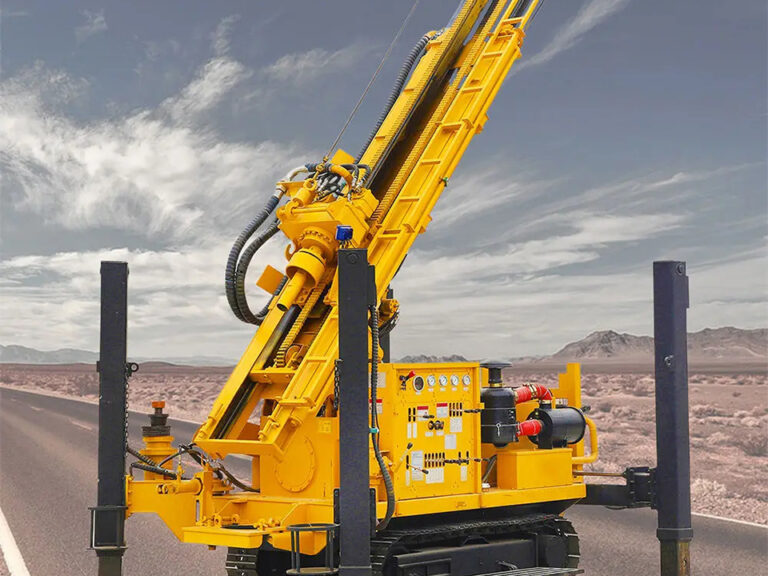
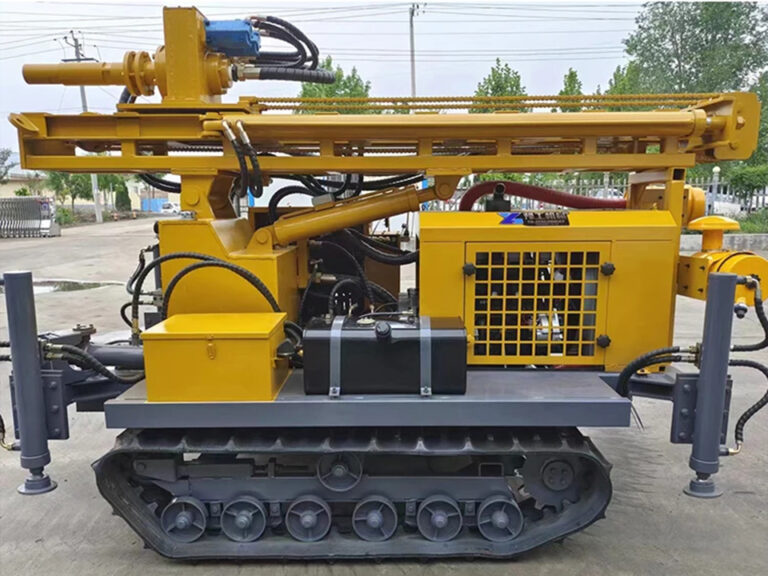
“The Drilling Rig gave us a true one-stop solution. Their team matched the right rig, compressor, and drilling tools for our project, and the engineering support stayed fast and professional from quote to delivery.”
Trailer, Truck, or Crawler Rig: Which Platform Fits Jobs
Mobility drives margins.
Table of Contents
I have watched too many contractors obsess over bit type, compressor output, and mast numbers, only to bleed cash on the boring part nobody wants to talk about: how the rig gets to the job, how fast it is ready, what roads it can legally and practically use, and how often the platform itself becomes the bottleneck instead of the drilling package. So what are you buying here, a rig or a dispatch problem?
Stop buying mobility theater
Looks fool people.
In this business, platform choice is not branding and it is not vanity, even though half the market treats it that way; it is a utilization decision shaped by access roads, bridge postings, tow assets, driver availability, and how many times per week the machine has to move between jobs that are far enough apart to punish slow mobilization. I do not care how “serious” a crawler looks in a yard photo if it spends half its life waiting on a lowbed.
The transport backdrop is not theoretical either. The U.S. Department of Transportation says rural roads account for 68% of total lane miles in the United States, and nearly half of all truck vehicle-miles traveled happen on rural roads, which matters because that is exactly where drilling fleets live: county roads, farm approaches, energy corridors, and ugly last-mile access. That is why platform mistakes show up faster in drilling than they do in cleaner urban equipment categories.
And the road network is not getting kinder. TRIP’s September 2024 rural roads report says 12% of U.S. rural roads are in poor condition, another 19% are mediocre, and 8% of rural bridges are rated poor or structurally deficient; it also notes that poor bridges are often posted for lower weight or closed, which directly restricts large commercial vehicles. That is not abstract infrastructure trivia. That is route planning, lost hours, and sometimes a canceled mobilization.
The law shows up before the drill bit does
Weight changes everything.
The Federal Highway Administration’s commercial vehicle standards are the first filter I would teach any sales team: on the Interstate system, the federal maximum is 20,000 pounds on a single axle, 34,000 pounds on a tandem axle, and 80,000 pounds gross vehicle weight, while the Bridge Formula can force a lower allowable weight depending on axle spacing; off the Interstate system, states can set their own standards. Once you start stacking chassis, mast, compressor support, rod handling, tooling, mud gear, and towing hardware, you are no longer comparing rigs only. You are comparing legal exposure and route friction.
That is the hard truth dealers soften because it makes the sale less glamorous: a truck mounted drill rig may save setup time but can trap you in road-law math sooner, a trailer mounted drill rig may keep the capital line lighter but depends on tow discipline, and a crawler drilling rig may dominate at the hole while becoming the most annoying asset in the fleet between holes. Why pretend otherwise?
Why trailer rigs keep winning small fleets
Cheap still matters.
I think trailer platforms get underestimated by people who confuse lower acquisition cost with lower seriousness, when in reality a trailer rig often fits mixed, lower-frequency drilling schedules better than a truck platform does, especially where the buyer already owns a capable tow unit and does not need to reposition the rig five times a week. That is not glamorous. It is good business.
Trailer rigs usually make the most sense where jobs are clustered, access roads are still road-legal, and the fleet wants to separate towing duty from drilling duty. They let a contractor stay asset-light, swap tow vehicles when needed, and avoid putting every mobility egg in one integrated truck basket. For buyers who need a flexible entry point, a hydraulic water well borehole drilling machine is the kind of product category that belongs in the conversation before anyone jumps to heavier carrier assumptions.
But trailer rigs are not magic. They ask for more staging, more hitching discipline, more reversing skill, and more patience on cramped sites. If your market is scattered and time-to-drill is the commercial edge, trailer rigs can turn from efficient to irritating very quickly.
Where truck-mounted drill rigs earn their premium
Road speed sells.
When crews bounce across a broad service radius, when jobs are legal-road reachable, and when every extra hour on setup burns margin, I usually side with truck platforms because they collapse transport and rig into one operating unit, which is exactly what busy mixed-market fleets want when they are chasing water, service, geotech, or light contractor work on a repeating schedule.
This is where people get lazy and say “truck is better.” Better for what? Better for road-going productivity, yes. Better for ugly access, not always. Better for keeping an operator moving between multiple daily or near-daily calls, absolutely. But once your market starts forcing you down weak shoulders, soft approaches, rain-cut farm lanes, or posted bridges, the truck’s speed advantage can disappear in a hurry. The diesel side matters too: Reuters’ February 2024 analysis on diesel markets warned that global diesel stocks were below normal and prices could rise quickly if industrial activity firmed, which is a reminder that the wrong road-mobility model becomes even more expensive when transport fuel tightens.
Why crawler rigs dominate the ugly jobs
Terrain wins arguments.
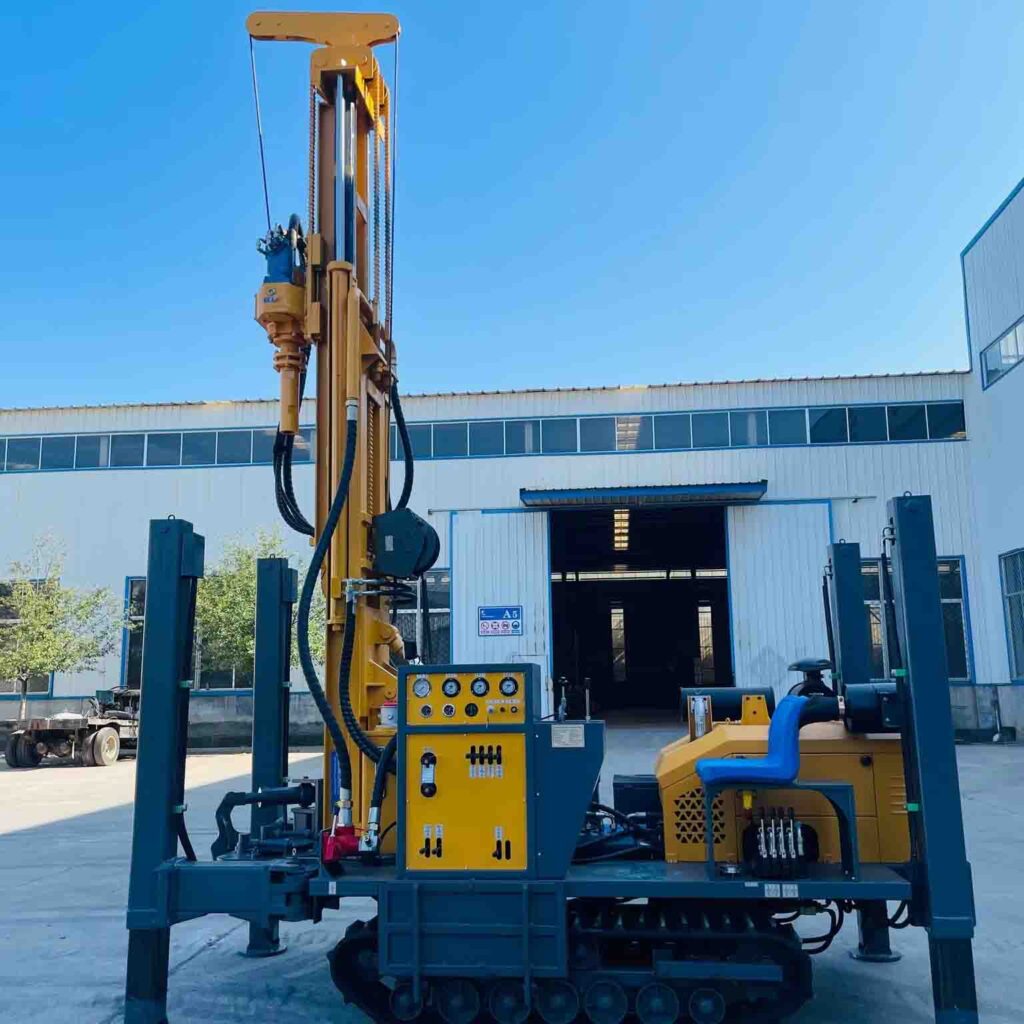
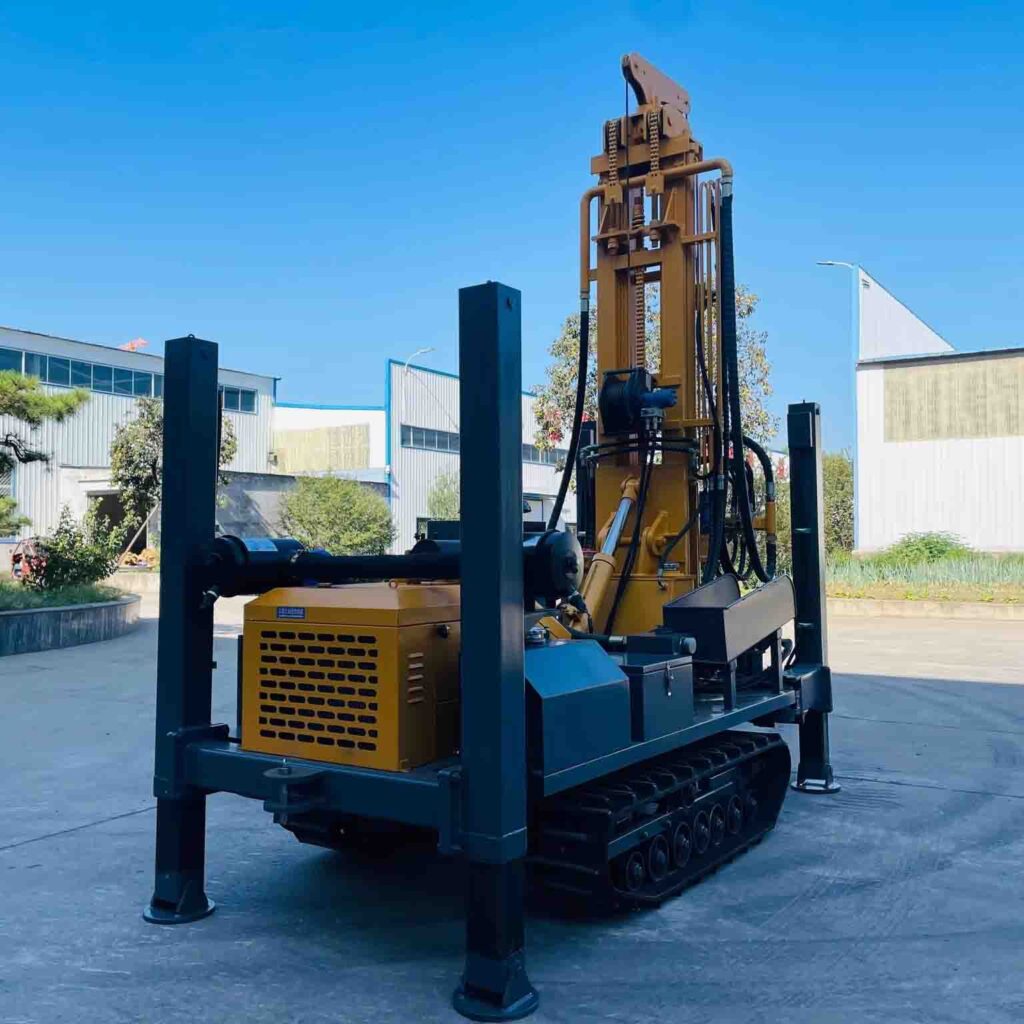
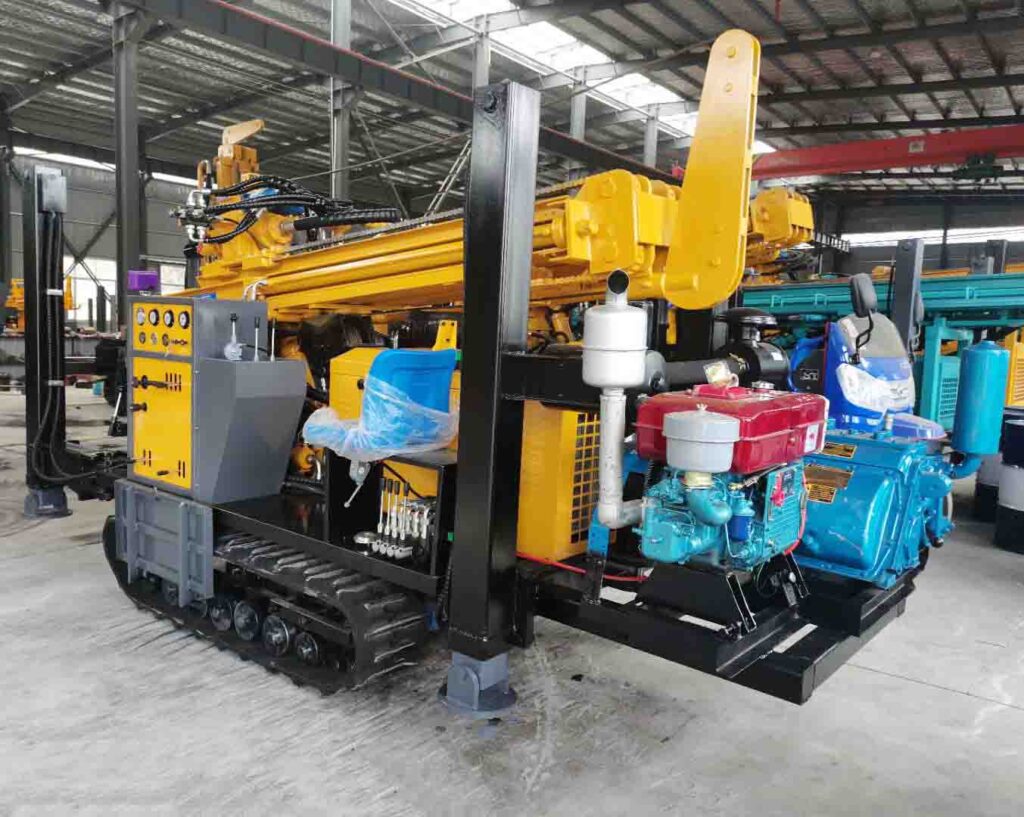
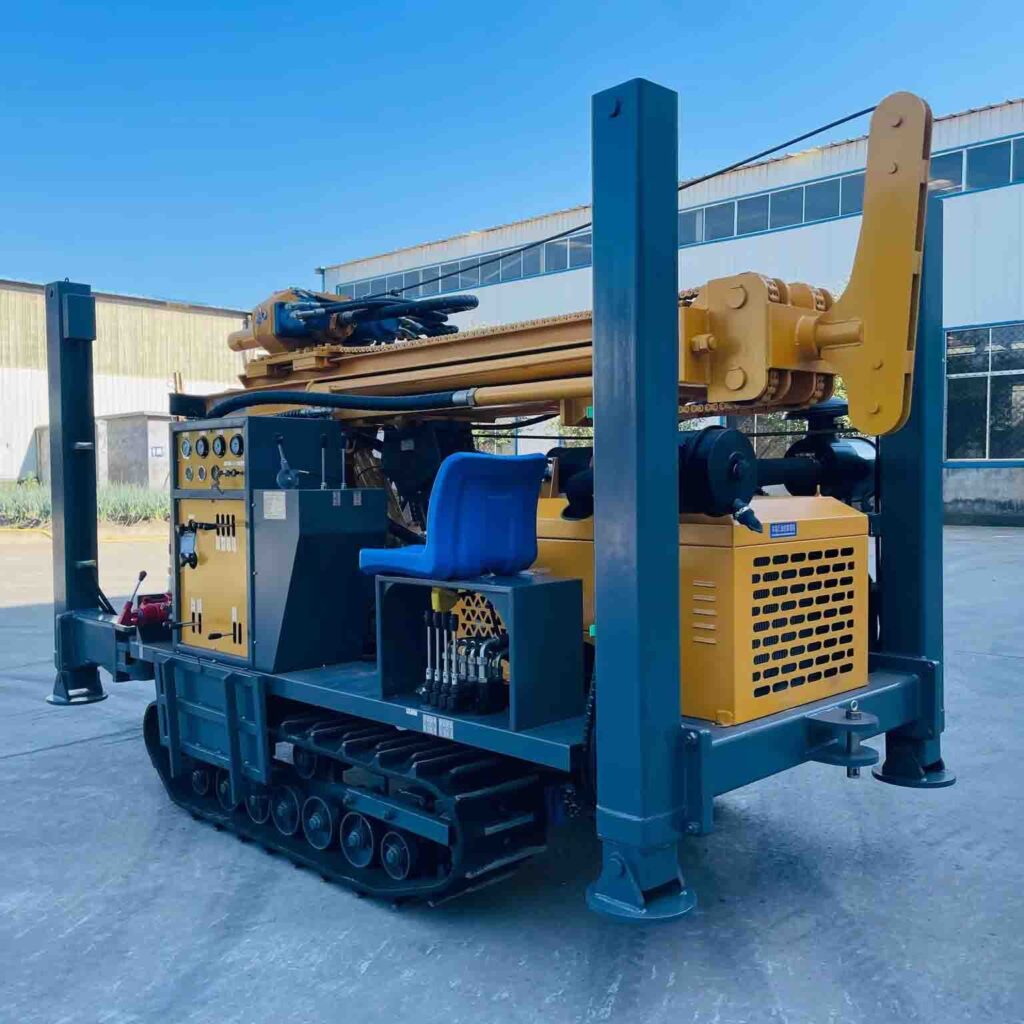
I have seen buyers fall in love with crawler rigs for the wrong reason—they look tough—but the right reason is simpler: they earn their keep when the jobsite itself is the problem, when the road ends early, when the approach is wet, broken, steep, rocky, or barely a road at all, and when on-site repositioning matters more than highway comfort.
That is why crawler-first products belong in rock and rough-access conversations, not as universal answers but as honest tools for hard conditions. Buyers looking at crawler-oriented rock work will naturally compare options such as the Kaishan KG520/KG520H DTH drill rig, the Kaishan KT11 blast-hole drilling rig, or the Kaishan M30 DTH rotary drilling rig, because in these cases the platform is part of the drilling answer, not just the transport answer.
But here is the bill nobody puts in the hero photo: crawler rigs are usually the most honest at the hole and the least convenient between holes. If your market is mostly paved-road transfer with only occasional rough-ground work, a crawler can become a very expensive way to feel prepared.
My rig-platform matrix for mixed markets
Use this table.
I would not use this as scripture, but I would absolutely use it as a first-pass commercial filter before quoting anything.
Job pattern
Best platform bias
Why I would lean that way
What usually goes wrong
Clustered jobs, modest weekly moves, existing tow assets
Trailer mounted drill rig
Lower capital load, flexible towing, decent fit where setup speed is not the whole sale
Buyers underestimate staging time and towing discipline
Wide service radius, frequent legal-road transfers, fast turnaround bids
Truck mounted drill rig
One-unit mobility, faster daily dispatch, cleaner repositioning across mixed markets
Buyers ignore weight, axle, and weak-road constraints
Better site access and in-field mobility where roads stop being real roads
Buyers forget lowbed cost and slow paved-road transfers
Mixed territory with 80% ordinary access and 20% ugly access
Truck or trailer first, crawler second
Standard road jobs usually pay the bills; specialist access should be justified by repeat demand
Fleets overbuy specialist mobility for occasional jobs
The contractor mistake nobody wants to admit
They buy for edge cases.
Most fleets do not lose money because they bought a bad drilling rig. They lose money because they bought for the hardest 10% of jobs and forced the other 90% to carry the cost. I think that mistake is epidemic among dealers serving mixed markets, because the dramatic demo sticks in memory while the boring, repeatable county-road contract pays the notes.
The current rural-road picture makes that even riskier. The same 2024 TRIP rural roads release ties deficient roads and bridges directly to freight and safety problems, while DOT budget language published in 2024 says nearly half of truck VMT occurs on rural roads. Translation: the “average” drilling move is still happening where surface quality, bridge condition, and access limitations matter more than brochure swagger.
So my view is blunt. Trailer rigs belong with disciplined small and mid-size fleets. Truck rigs belong with high-tempo road-mobile contractors. Crawler rigs belong where the ground itself is the buyer’s recurring enemy. Everything else is storytelling.
FAQs
What is the best drilling rig platform for mixed markets?
The best drilling rig platform for mixed markets is usually the one that handles the majority of road-legal, repeatable jobs at the lowest total movement cost while leaving only a small specialist role for rough-access work, which in practice usually means truck or trailer first and crawler second. I would only let crawler lead the fleet if rough-ground access is a weekly condition, not a sales demo fantasy.
When should I choose a truck mounted drill rig?
A truck mounted drill rig is the right choice when crews reposition often between legal-road jobs, need one-unit mobility, and win work by reducing dispatch and setup friction rather than by reaching the worst terrain, because the truck platform compresses travel and rig readiness into a single operational package. It becomes less attractive as soon as weak roads, posted bridges, and soft approaches show up too often.
When is a trailer mounted drill rig the better buy?
A trailer mounted drill rig is the better buy when the fleet already owns suitable tow vehicles, jobs are not moving every day, and capital discipline matters more than shaving every minute off mobilization, because trailers separate transport cost from drilling cost and often fit smaller fleets better than integrated trucks do. I like trailers when the market is stable, clustered, and less obsessed with same-day multi-stop movement.
When does a crawler drilling rig beat both truck and trailer platforms?
A crawler drilling rig beats truck and trailer platforms when the site is repeatedly defined by mud, slope, rock, broken access, weak shoulders, or limited internal mobility, because the crawler’s value appears after the road network stops being dependable and the machine must keep moving at the jobsite itself. If the hard access is occasional rather than constant, I would resist making crawler the fleet default.
Your next move
Audit the last 30 jobs.
Put each one in five columns: road type, bridge or access limitation, number of weekly moves, setup urgency, and site-terrain severity. Then count which condition appears most. Not the hardest job. The most common job.
If the count says ordinary rural-road mobility with moderate movement frequency, price trailer and truck first. If the count says high-frequency dispatch over legal roads, push truck mounted drill rig options harder. If the count says broken access and rough terrain are recurring facts, move crawler drilling rig options to the front of the line and stop apologizing for specialist transport costs.
That is how I would do it. Not by asking which platform looks strongest in a catalog, but by asking which one gets to the hole, starts drilling, and gets paid again next week.
Trailer, Truck, or Crawler Rig: Which Platform Fits Jobs
Mobility drives margins.
I have watched too many contractors obsess over bit type, compressor output, and mast numbers, only to bleed cash on the boring part nobody wants to talk about: how the rig gets to the job, how fast it is ready, what roads it can legally and practically use, and how often the platform itself becomes the bottleneck instead of the drilling package. So what are you buying here, a rig or a dispatch problem?
Stop buying mobility theater
Looks fool people.
In this business, platform choice is not branding and it is not vanity, even though half the market treats it that way; it is a utilization decision shaped by access roads, bridge postings, tow assets, driver availability, and how many times per week the machine has to move between jobs that are far enough apart to punish slow mobilization. I do not care how “serious” a crawler looks in a yard photo if it spends half its life waiting on a lowbed.
The transport backdrop is not theoretical either. The U.S. Department of Transportation says rural roads account for 68% of total lane miles in the United States, and nearly half of all truck vehicle-miles traveled happen on rural roads, which matters because that is exactly where drilling fleets live: county roads, farm approaches, energy corridors, and ugly last-mile access. That is why platform mistakes show up faster in drilling than they do in cleaner urban equipment categories.
And the road network is not getting kinder. TRIP’s September 2024 rural roads report says 12% of U.S. rural roads are in poor condition, another 19% are mediocre, and 8% of rural bridges are rated poor or structurally deficient; it also notes that poor bridges are often posted for lower weight or closed, which directly restricts large commercial vehicles. That is not abstract infrastructure trivia. That is route planning, lost hours, and sometimes a canceled mobilization.
The law shows up before the drill bit does
Weight changes everything.
The Federal Highway Administration’s commercial vehicle standards are the first filter I would teach any sales team: on the Interstate system, the federal maximum is 20,000 pounds on a single axle, 34,000 pounds on a tandem axle, and 80,000 pounds gross vehicle weight, while the Bridge Formula can force a lower allowable weight depending on axle spacing; off the Interstate system, states can set their own standards. Once you start stacking chassis, mast, compressor support, rod handling, tooling, mud gear, and towing hardware, you are no longer comparing rigs only. You are comparing legal exposure and route friction.
That is the hard truth dealers soften because it makes the sale less glamorous: a truck mounted drill rig may save setup time but can trap you in road-law math sooner, a trailer mounted drill rig may keep the capital line lighter but depends on tow discipline, and a crawler drilling rig may dominate at the hole while becoming the most annoying asset in the fleet between holes. Why pretend otherwise?
Why trailer rigs keep winning small fleets
Cheap still matters.
I think trailer platforms get underestimated by people who confuse lower acquisition cost with lower seriousness, when in reality a trailer rig often fits mixed, lower-frequency drilling schedules better than a truck platform does, especially where the buyer already owns a capable tow unit and does not need to reposition the rig five times a week. That is not glamorous. It is good business.
Trailer rigs usually make the most sense where jobs are clustered, access roads are still road-legal, and the fleet wants to separate towing duty from drilling duty. They let a contractor stay asset-light, swap tow vehicles when needed, and avoid putting every mobility egg in one integrated truck basket. For buyers who need a flexible entry point, a hydraulic water well borehole drilling machine is the kind of product category that belongs in the conversation before anyone jumps to heavier carrier assumptions.
But trailer rigs are not magic. They ask for more staging, more hitching discipline, more reversing skill, and more patience on cramped sites. If your market is scattered and time-to-drill is the commercial edge, trailer rigs can turn from efficient to irritating very quickly.
Where truck-mounted drill rigs earn their premium
Road speed sells.
When crews bounce across a broad service radius, when jobs are legal-road reachable, and when every extra hour on setup burns margin, I usually side with truck platforms because they collapse transport and rig into one operating unit, which is exactly what busy mixed-market fleets want when they are chasing water, service, geotech, or light contractor work on a repeating schedule.
This is where people get lazy and say “truck is better.” Better for what? Better for road-going productivity, yes. Better for ugly access, not always. Better for keeping an operator moving between multiple daily or near-daily calls, absolutely. But once your market starts forcing you down weak shoulders, soft approaches, rain-cut farm lanes, or posted bridges, the truck’s speed advantage can disappear in a hurry. The diesel side matters too: Reuters’ February 2024 analysis on diesel markets warned that global diesel stocks were below normal and prices could rise quickly if industrial activity firmed, which is a reminder that the wrong road-mobility model becomes even more expensive when transport fuel tightens.
Why crawler rigs dominate the ugly jobs
Terrain wins arguments.
I have seen buyers fall in love with crawler rigs for the wrong reason—they look tough—but the right reason is simpler: they earn their keep when the jobsite itself is the problem, when the road ends early, when the approach is wet, broken, steep, rocky, or barely a road at all, and when on-site repositioning matters more than highway comfort.
That is why crawler-first products belong in rock and rough-access conversations, not as universal answers but as honest tools for hard conditions. Buyers looking at crawler-oriented rock work will naturally compare options such as the Kaishan KG520/KG520H DTH drill rig, the Kaishan KT11 blast-hole drilling rig, or the Kaishan M30 DTH rotary drilling rig, because in these cases the platform is part of the drilling answer, not just the transport answer.
But here is the bill nobody puts in the hero photo: crawler rigs are usually the most honest at the hole and the least convenient between holes. If your market is mostly paved-road transfer with only occasional rough-ground work, a crawler can become a very expensive way to feel prepared.
My rig-platform matrix for mixed markets
Use this table.
I would not use this as scripture, but I would absolutely use it as a first-pass commercial filter before quoting anything.
Job pattern
Best platform bias
Why I would lean that way
What usually goes wrong
Clustered jobs, modest weekly moves, existing tow assets
Trailer mounted drill rig
Lower capital load, flexible towing, decent fit where setup speed is not the whole sale
Buyers underestimate staging time and towing discipline
Wide service radius, frequent legal-road transfers, fast turnaround bids
Truck mounted drill rig
One-unit mobility, faster daily dispatch, cleaner repositioning across mixed markets
Buyers ignore weight, axle, and weak-road constraints
Better site access and in-field mobility where roads stop being real roads
Buyers forget lowbed cost and slow paved-road transfers
Mixed territory with 80% ordinary access and 20% ugly access
Truck or trailer first, crawler second
Standard road jobs usually pay the bills; specialist access should be justified by repeat demand
Fleets overbuy specialist mobility for occasional jobs
The contractor mistake nobody wants to admit
They buy for edge cases.
Most fleets do not lose money because they bought a bad drilling rig. They lose money because they bought for the hardest 10% of jobs and forced the other 90% to carry the cost. I think that mistake is epidemic among dealers serving mixed markets, because the dramatic demo sticks in memory while the boring, repeatable county-road contract pays the notes.
The current rural-road picture makes that even riskier. The same 2024 TRIP rural roads release ties deficient roads and bridges directly to freight and safety problems, while DOT budget language published in 2024 says nearly half of truck VMT occurs on rural roads. Translation: the “average” drilling move is still happening where surface quality, bridge condition, and access limitations matter more than brochure swagger.
So my view is blunt. Trailer rigs belong with disciplined small and mid-size fleets. Truck rigs belong with high-tempo road-mobile contractors. Crawler rigs belong where the ground itself is the buyer’s recurring enemy. Everything else is storytelling.
FAQs
What is the best drilling rig platform for mixed markets?
The best drilling rig platform for mixed markets is usually the one that handles the majority of road-legal, repeatable jobs at the lowest total movement cost while leaving only a small specialist role for rough-access work, which in practice usually means truck or trailer first and crawler second. I would only let crawler lead the fleet if rough-ground access is a weekly condition, not a sales demo fantasy.
When should I choose a truck mounted drill rig?
A truck mounted drill rig is the right choice when crews reposition often between legal-road jobs, need one-unit mobility, and win work by reducing dispatch and setup friction rather than by reaching the worst terrain, because the truck platform compresses travel and rig readiness into a single operational package. It becomes less attractive as soon as weak roads, posted bridges, and soft approaches show up too often.
When is a trailer mounted drill rig the better buy?
A trailer mounted drill rig is the better buy when the fleet already owns suitable tow vehicles, jobs are not moving every day, and capital discipline matters more than shaving every minute off mobilization, because trailers separate transport cost from drilling cost and often fit smaller fleets better than integrated trucks do. I like trailers when the market is stable, clustered, and less obsessed with same-day multi-stop movement.
When does a crawler drilling rig beat both truck and trailer platforms?
A crawler drilling rig beats truck and trailer platforms when the site is repeatedly defined by mud, slope, rock, broken access, weak shoulders, or limited internal mobility, because the crawler’s value appears after the road network stops being dependable and the machine must keep moving at the jobsite itself. If the hard access is occasional rather than constant, I would resist making crawler the fleet default.
Your next move
Audit the last 30 jobs.
Put each one in five columns: road type, bridge or access limitation, number of weekly moves, setup urgency, and site-terrain severity. Then count which condition appears most. Not the hardest job. The most common job.
If the count says ordinary rural-road mobility with moderate movement frequency, price trailer and truck first. If the count says high-frequency dispatch over legal roads, push truck mounted drill rig options harder. If the count says broken access and rough terrain are recurring facts, move crawler drilling rig options to the front of the line and stop apologizing for specialist transport costs.
That is how I would do it. Not by asking which platform looks strongest in a catalog, but by asking which one gets to the hole, starts drilling, and gets paid again next week.