“The Drilling Rig gave us a true one-stop solution. Their team matched the right rig, compressor, and drilling tools for our project, and the engineering support stayed fast and professional from quote to delivery.”
Water Well Drilling ROI: Buy Equipment or Outsource Work
ROI gets abused.
Table of Contents
I see too many buyers treat equipment ownership like a badge of seriousness, when the real question is nastier and more financial than emotional: will your booked work, crew utilization, mobilization pattern, and service burden produce more gross margin than subcontracting after debt, fuel, maintenance, idle time, and management drag are counted honestly? Why buy steel just to own headaches?
The ugly math most buyers avoid
Revenue is vanity.
What matters is billed hours, gross margin captured per job, and how many non-billable days your machine sits while payroll, insurance, and finance costs keep eating. The buy decision starts to make sense only when utilization is repeatable, not anecdotal, because one busy quarter can trick a contractor into making a five-year mistake.
The demand side is real, though. Reuters reported in January 2024 that groundwater levels have shown widespread and “accelerated” decline over the past 40 years, which supports a simple conclusion I happen to agree with: in many regions, water well drilling demand is not going away, but demand growth alone does not rescue a badly structured capex decision.
And the replacement-cost side is getting harsher. California’s 2024 Needs Assessment says estimated well drilling costs for a modeled new public supply well rose from $790,000 in the 2021 assessment to $900,000 in 2024, and for 59 systems modeled in both cycles, total estimated new-well cost increased from $93 million to $152 million, a 63% jump. I would not use public-supply numbers to price a small contractor job, but I would absolutely use them as evidence that drilling economics are tightening, not softening.
Buy only when utilization can survive a bad month
Idle iron kills.
My rule is blunt: if you cannot map 12 months of recurring internal demand, ownership is usually a story people tell themselves to justify buying a rig they will not keep busy. Outsourcing looks expensive on a per-job basis, yes, but idle ownership is often worse because fixed cost keeps running even when the schedule does not.
When ownership starts to make sense
We need three things.
First, recurring work. Second, enough margin leakage to justify internal capture. Third, an operator and maintenance setup that does not turn every breakdown into a shutdown. Without those, the “buy” case is usually fake discipline wearing work boots.
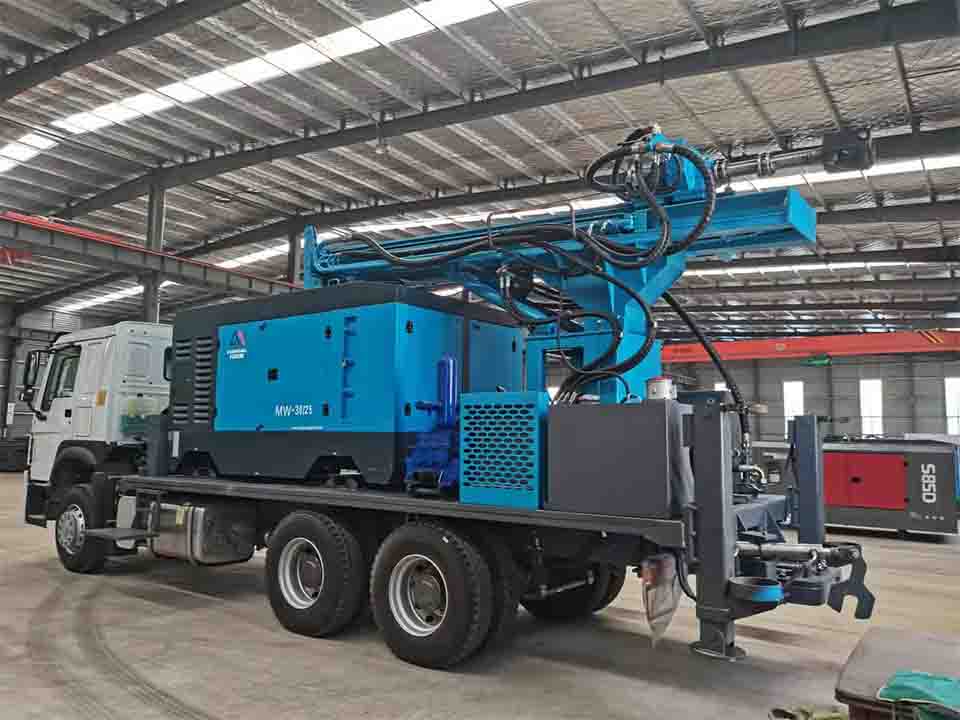
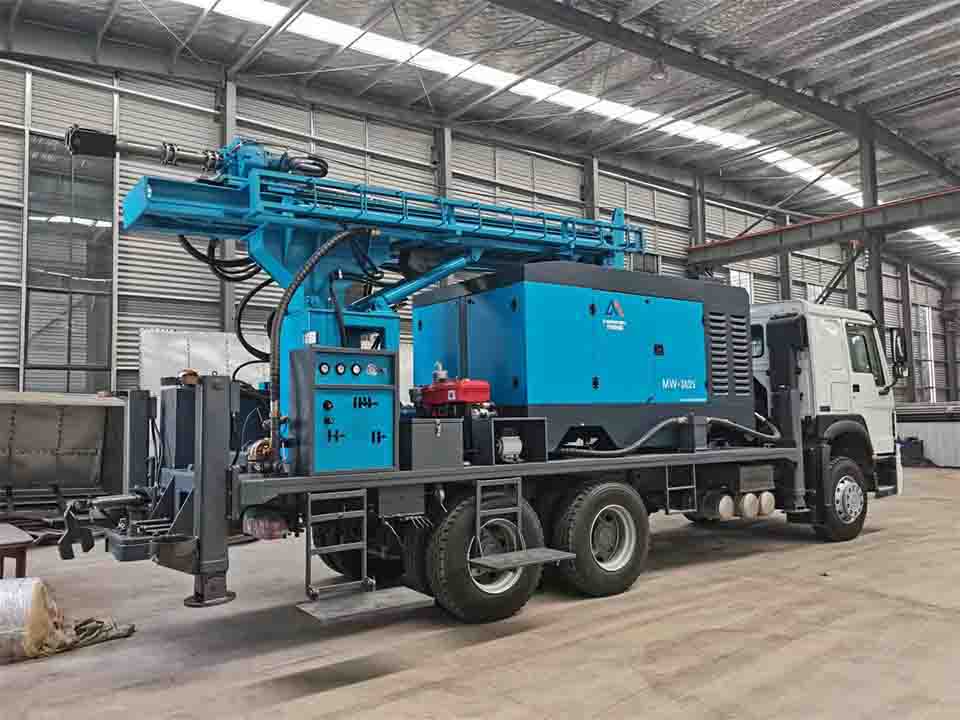
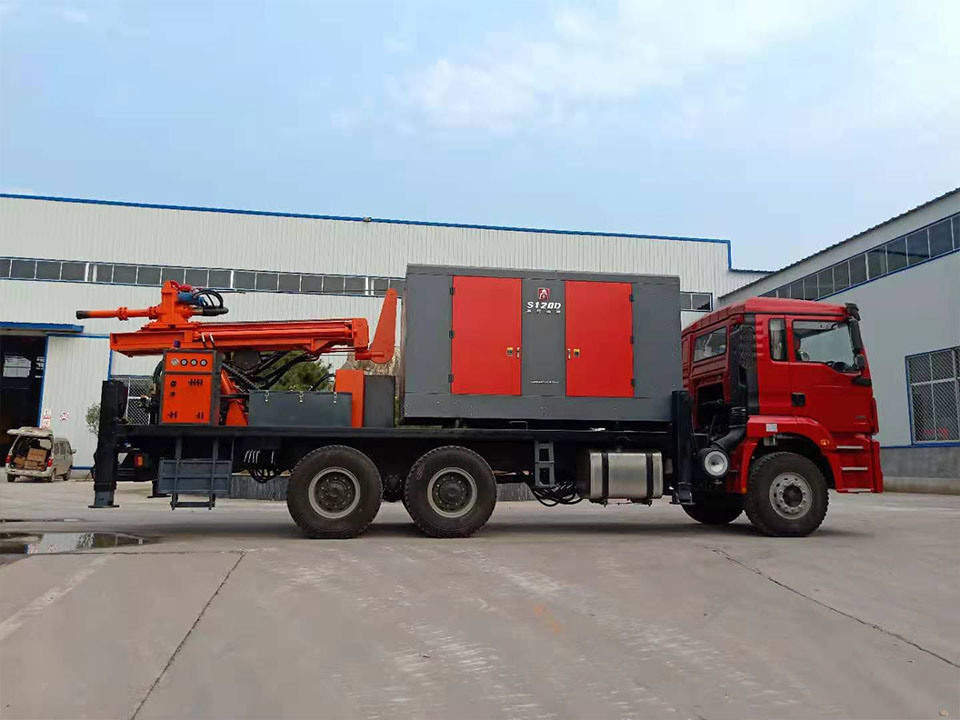
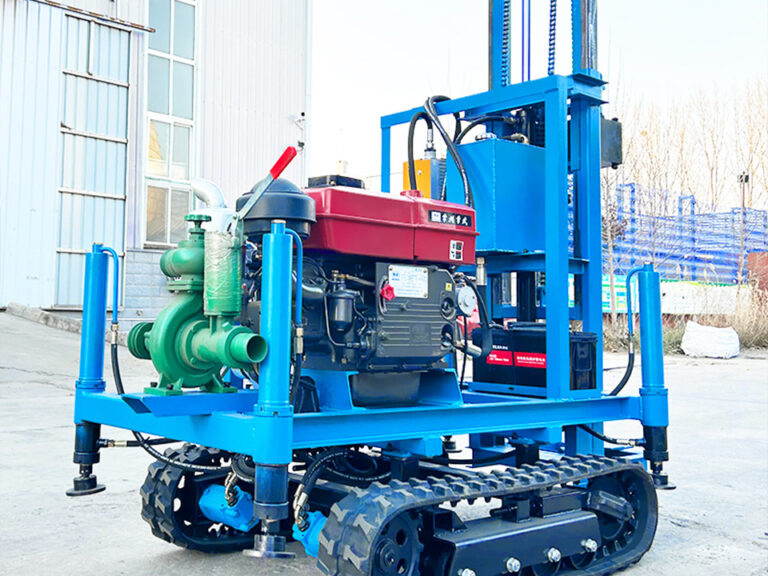
If your jobs are mostly routine borehole work with moderate depth and predictable scheduling, I would look at a practical in-house platform first, not the flashiest option. A max 200m drilling depth borehole truck drilling rig fits the ownership logic better than a niche specialist unit when the goal is repeatable dispatch and broad utility across day-to-day drilling work.
If your work leans portable and intermittent, the ownership case gets thinner. That is where a portable core drilling rig can look attractive on paper but still fail the real test if it is not moving often enough. Small rigs do not magically fix low utilization. They just make the mistake cheaper.
When outsourcing is the smarter choice
Volume lies sometimes.
Outsourcing wins when your project flow is uneven, technical requirements vary widely, or the job mix swings between formations and depths that would force you to overbuy platform capability. I say this a lot because people hate hearing it: subcontractors are not just a cost line, they are also a volatility hedge.
That hedge matters when equipment finance is not cheap or stable. The Equipment Leasing and Finance Association’s 2024 survey said the $1 trillion equipment finance industry saw new business volume grow just 1.1% in 2023, down from 6.3% growth in 2022, while Reuters reported in August 2024 that U.S. business equipment borrowings rose 13% year over year in July but credit approvals were still only 75.8%. To me, that says financing exists, but it does not erase discipline; access to credit is not proof of good ROI.
And SBA terms help, but they do not make bad equipment decisions good ones. The SBA says most 7(a) loans carry guarantees of up to 85% for loans of $150,000 or less and up to 75% above that, and equipment financing terms are generally 10 years or less, with limited extra time for installation. Useful? Yes. A substitute for utilization? Not even close.
A clean comparison buyers can actually use
Spreadsheets matter.
Here is the framework I would use before committing one dollar.
Decision factor
Buy equipment
Outsource work
Utilization requirement
Must stay high enough to cover debt, labor, service, and downtime
No fixed utilization burden
Margin capture
Higher upside per job if crews stay busy
Lower margin per job but cleaner cost structure
Technical flexibility
Limited to your rig class and crew competence
Access to specialist contractors and varied methods
Cash flow risk
Higher due to capex, parts, repairs, fuel, and idle time
Lower fixed risk, higher variable cost
Speed/control
Better control over schedule and customer experience
If you have recurring shallow-to-mid-depth work and want schedule control, ownership gets stronger. If your jobs are sporadic, seasonal, or geologically inconsistent, outsourcing usually protects cash better than pretending one rig can solve every commercial problem.
Match the rig to the revenue you actually have
Overcapacity is expensive.
I have watched buyers over-spec rigs because they want optionality, but optionality is usually another word for underutilized capital. You do not need a specialist crawler just because one rock job looked profitable last quarter.
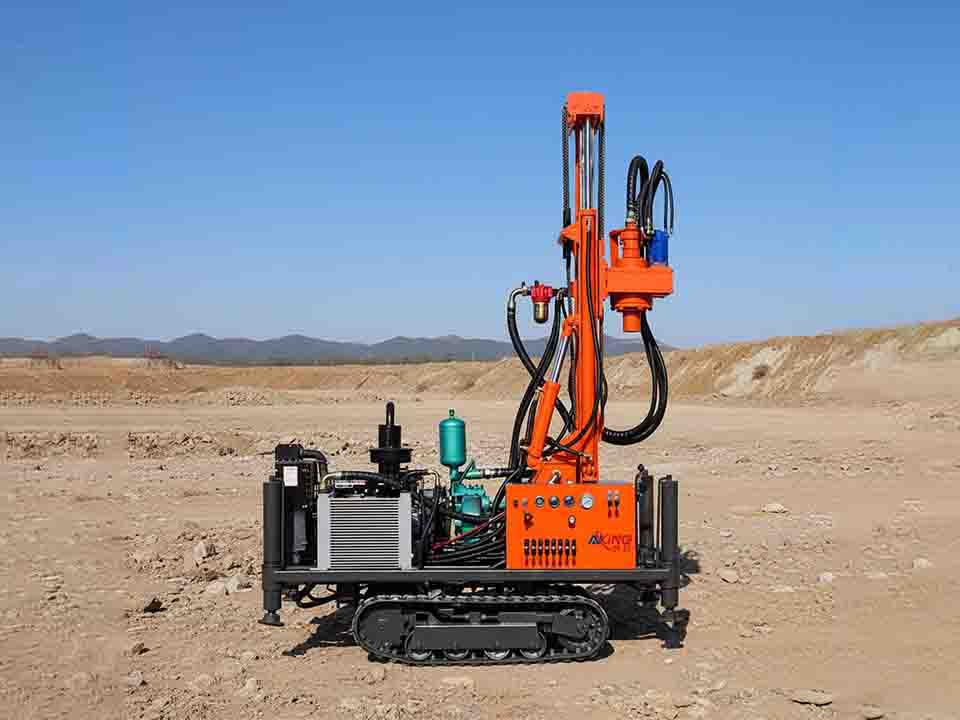
The same logic applies to niche portable or rock-focused units. A Kaishan portable diesel rock drilling rig for surface core drilling can be a profitable ownership tool for a contractor with steady technical demand, but for everyone else it is often smarter to subcontract that narrow slice and keep your own fleet centered on high-frequency work.
My blunt payback test
Use this formula.
Annual gross margin captured from in-house drilling minus annual ownership cost equals your true gain from buying. If that gain does not produce a defensible payback window under a conservative schedule, I would outsource and move on.
A practical version looks like this:
Annual in-house gain = (Subcontract cost avoided per year + added schedule/control value) – (finance payments + labor + fuel + consumables + insurance + maintenance + downtime + overhead)
That last term is where the lies live.
Most optimistic ROI calculations skip downtime, training drag, broken tooling, mobilization waste, and the owner’s time spent managing a machine that is supposed to save time. That is why “paper ROI” and real ROI so often part ways after month six.
The case for buying is stronger than people think, but narrower too
Ownership can work.
I am not anti-equipment. I am anti-fantasy. Buying water well drilling equipment can be the right move when the work is recurring, margins are leaking to subs, and the fleet can support real uptime. In that case, the contractor stops paying someone else’s margin and starts controlling schedule, customer experience, and backlog conversion.
But the case is narrower than dealers like to admit. When the backlog is thin, when geology is all over the place, or when crews are not ready, outsourcing is not weakness. It is discipline.
FAQs
What is water well drilling ROI?
Water well drilling ROI is the financial return earned when the added gross margin, scheduling control, and revenue captured from owning drilling equipment exceed the full annual cost of ownership, including finance, labor, fuel, maintenance, downtime, insurance, and overhead, compared with outsourcing the same work. In practice, it is a utilization test disguised as a buying decision. Low machine use destroys ROI faster than high purchase price alone.
When should I buy water well drilling equipment instead of outsourcing?
You should buy water well drilling equipment when your backlog is recurring, subcontractor costs are materially eroding margin, your crew can keep the machine working consistently, and you can model a realistic payback period under conservative utilization rather than a best-case sales forecast. I would also want predictable formations and a service plan before I signed anything.
When is outsourcing water well drilling the better business decision?
Outsourcing water well drilling is the better business decision when project flow is uneven, technical demands change from job to job, capital is tight, or the likely utilization of owned equipment is too low to cover fixed costs with a safe margin of error. It is often the smarter move for firms with volatile schedules, mixed geology, or limited operator depth.
How do I calculate payback on a drilling rig purchase?
Payback on a drilling rig purchase is the number of years required for annual net gain from in-house work to recover the total invested capital, using avoided subcontractor spend and added margin minus finance, labor, fuel, maintenance, downtime, insurance, and overhead as the annual benefit figure. If the payback only works under perfect scheduling assumptions, I would treat it as non-working math.
Your next move
Run the numbers cold.
Take your last 12 months of outsourced drilling spend and split it into four buckets: recurring jobs, one-off jobs, high-margin jobs, and technically awkward jobs. Then ask one simple question: how much of that spend was predictable enough to keep an owned rig busy for most of the year?