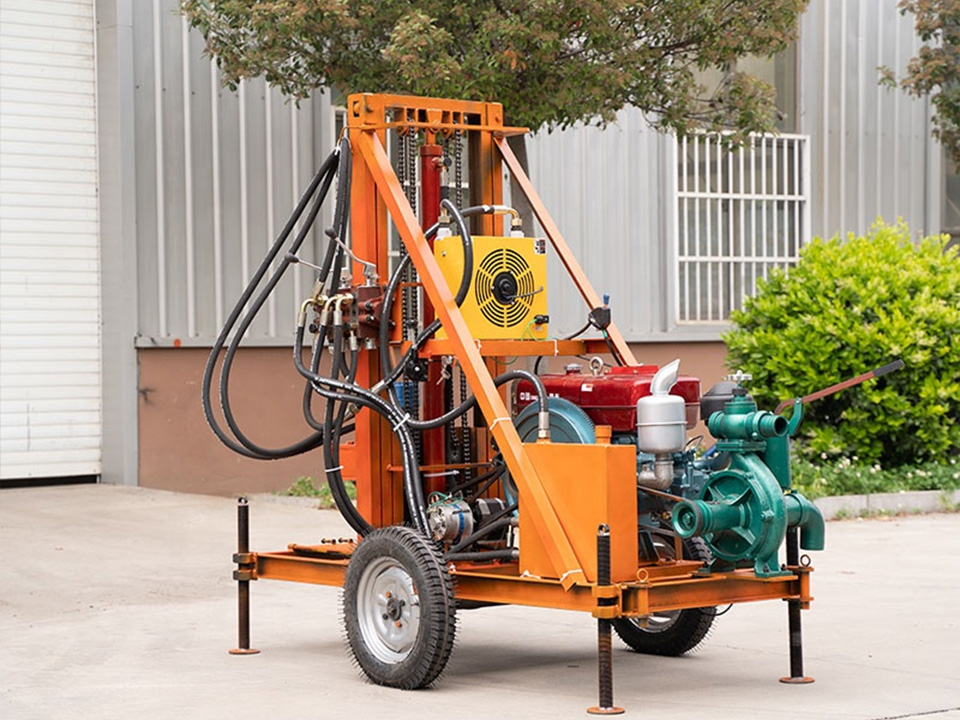
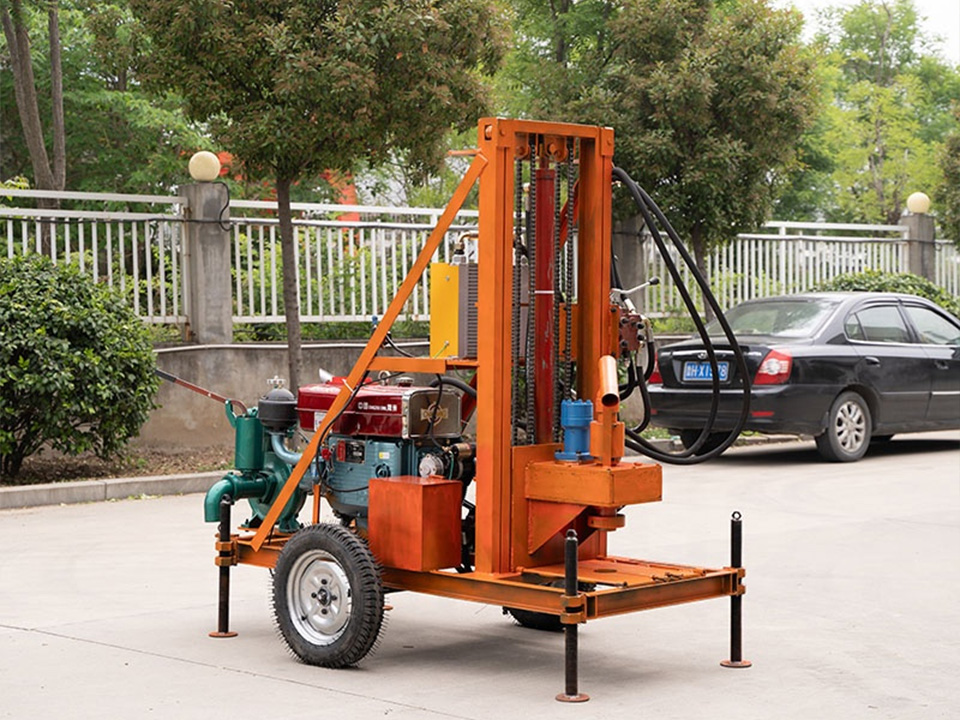
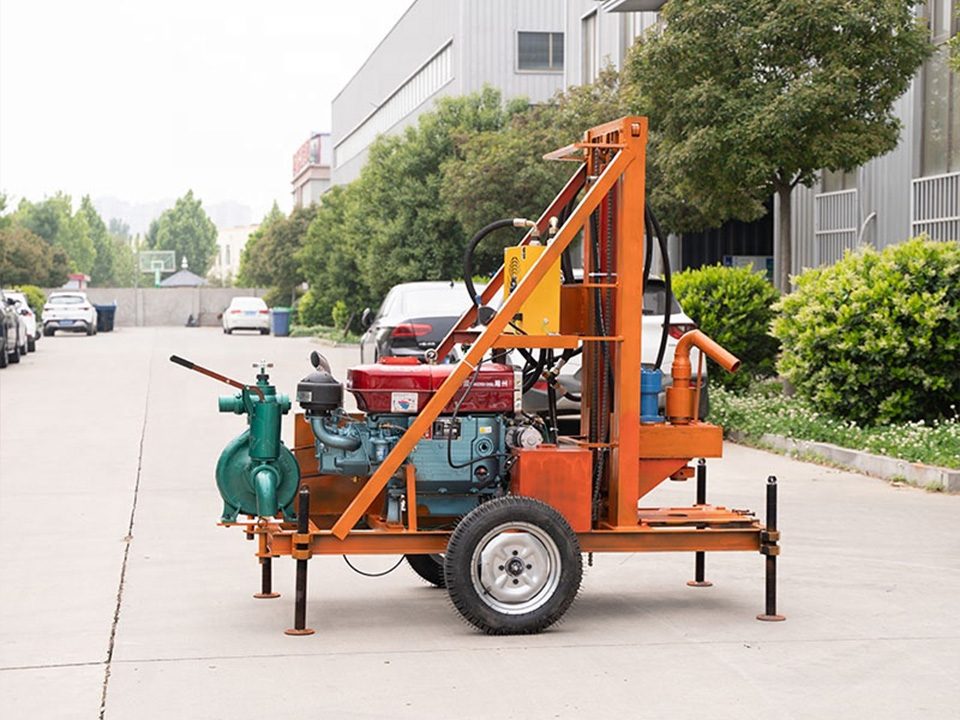
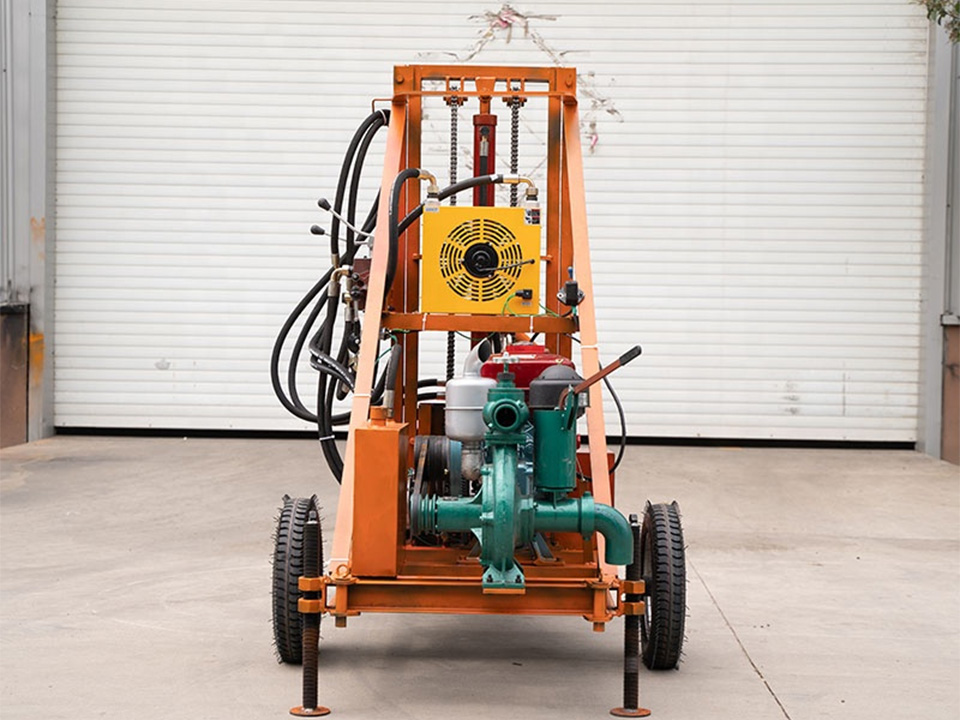
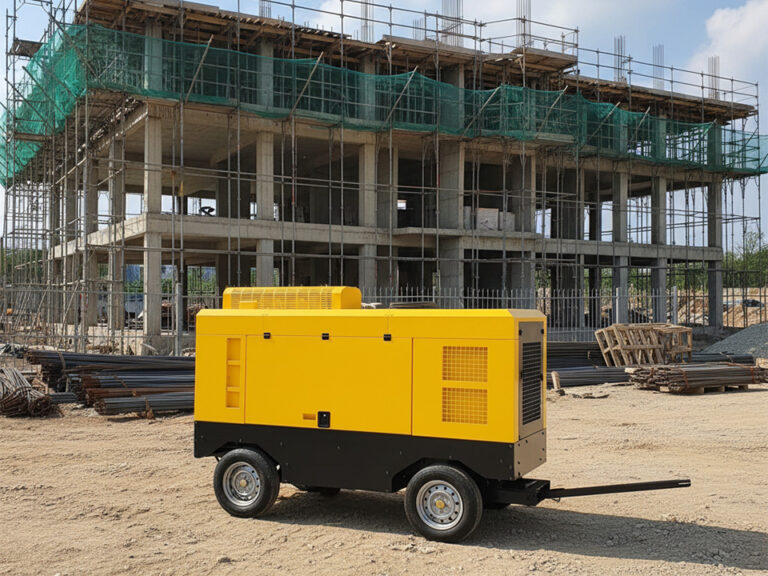
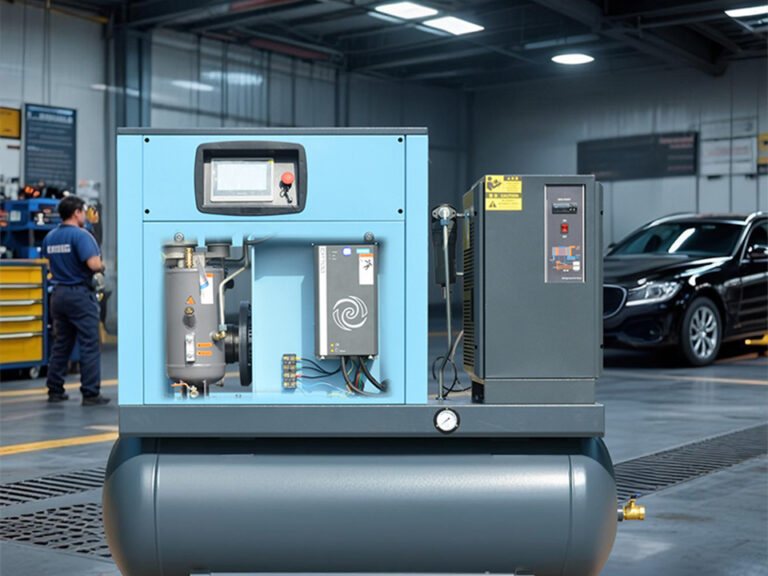
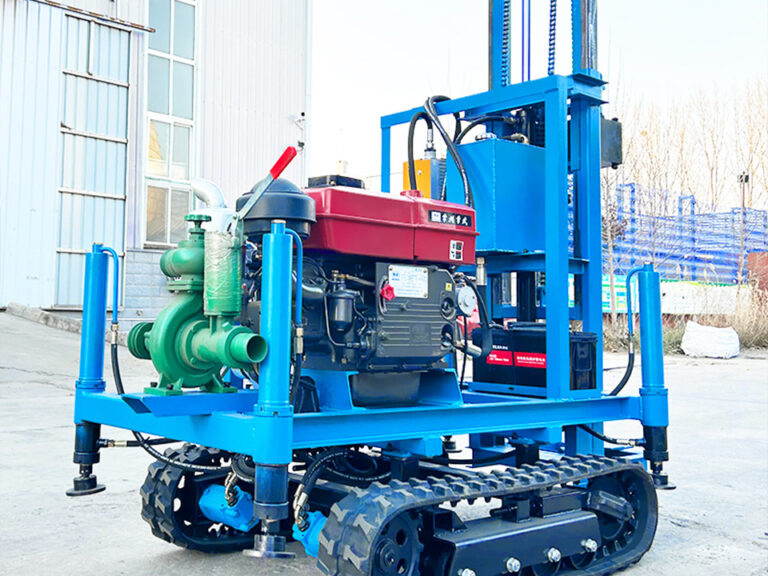
“The Drilling Rig gave us a true one-stop solution. Their team matched the right rig, compressor, and drilling tools for our project, and the engineering support stayed fast and professional from quote to delivery.”
Case Study: 5-Inch Water Wells in Hard Basalt Conditions
The First Hole Lied
It looked easy.
We chewed through the first 18 meters like it was weathered trash—cuttings flying, returns clean, compressor barely working—and the crew started planning how early we’d finish, which (I’m telling you straight) is exactly when basalt decides to humble everyone on site.
Then it broke.
Table of Contents
At 22 meters the hammer pitch tightened—sharp, metallic—and penetration didn’t decline gradually, it just collapsed like we’d hit armor plate instead of rock, which, in basalt terms, is basically what happened.
Three words. Game over.
Basalt Isn’t Hard—It’s Inconsistent
But here’s the part most people don’t get.
Basalt isn’t just “hard rock”—it’s a layered mess of fractured zones, dense flows, and weird vesicular pockets stacked on top of each other, and your drilling system has to survive all three without warning while still maintaining performance and hole stability.
And no—this isn’t theory.
The U.S. Geological Survey documented drilling results in Nevada where basalt formations showed “porous and fractured zones alternating with more massive zones” throughout the same borehole, with completely different permeability and behavior in each section.
Same well. Different physics.
So what does that feel like downhole?
Dense basalt → hammer stalls, heat builds
Fractured basalt → air disappears, returns collapse
Vesicular zones → cuttings hang, hole gets ugly
No pattern.
Here’s the ugly truth—I frankly believe basalt punishes assumptions more than bad equipment.
Field Reality: 5-Inch Well, 120m Target
We logged everything. Because guessing costs money.
Drilling Performance Snapshot
Depth Range (m)
Formation Type
ROP (m/h)
Bit Wear Rate
Air Pressure (bar)
Notes
0–20
Weathered basalt
8–12
Low
12–15
Smooth start
20–55
Fractured basalt
4–6
Medium
18–20
Air leakage
55–95
Massive basalt
1.2–2.5
Extreme
22–25
Heat buildup
95–120
Mixed zones
3–5
Medium
20–22
Partial recovery
Look at that middle zone.
That’s where jobs die.
Not at the bottom. Not at the top. Right there—where dense basalt quietly drains your efficiency while you’re still thinking you’re making progress.
That’s the trap.
Equipment: What Actually Works (Not Sales Talk)
Let me say something people don’t like.
Most rigs sold as “200m depth” are not basalt rigs—they’re soft-formation rigs pretending to be tough.
For this job, what actually held up:
Mid-weight crawler (you need mass—don’t argue this)
Compressor delivering real ≥22 bar (not brochure numbers)
Basalt density alone varies significantly within a single flow—USGS core data shows ranges roughly 2.0 to 3.0 g/cm³, which means the rock literally changes resistance profile as you drill through it.
So what happens?
Buttons glaze (heat + pressure = failure)
Gauge wears off
Impact energy drops
And suddenly your hammer isn’t drilling—it’s vibrating.
From my experience—once ROP drops below ~1.5 m/h, it’s over.
Change the bit.
Air System: The Real Boss
People obsess over rigs.
Wrong focus.
Air runs everything.
Even experimental drilling in basalt at the Idaho National Laboratory used high-pressure, high-volume air systems as the core driver for drilling performance and cuttings removal—not the rig itself.
5-inch wells look efficient—lower air demand, cheaper casing, faster start.
Sounds smart.
But here’s the catch (and it’s nasty):
Tight annulus → poor cuttings lift
Low tolerance for pressure fluctuation
Easy blockage in fractured zones
So yeah—it works.
But only if everything is dialed in tight.
No margin.
What the Data (and Reality) Actually Say
Across real drilling data, one pattern keeps showing up:
Basalt alternates between fractured and massive zones
Performance depends on structure—not depth
Dense zones kill ROP regardless of rig size
Even USGS drilling confirmed basalt sequences with alternating porous and massive layers extending hundreds of feet, directly impacting drilling behavior and water yield.
That’s the real story.
Not hardness.
Variability.
FAQs
What is the best method for water well drilling in basalt?
The best method for water well drilling in basalt is high-pressure DTH drilling using compressed air systems typically in the 20–25 bar range, enabling efficient rock fragmentation, stable borehole conditions, and consistent penetration across both dense basalt flows and fractured volcanic zones.
What drill bit works best in basalt formations?
The best drill bit for basalt formations is a tungsten carbide button bit with a convex face, designed to resist abrasion, maintain cutting geometry, and ensure efficient impact energy transfer in dense volcanic rock drilling conditions.
Why is basalt drilling so slow compared to other formations?
Basalt drilling is slow because the rock combines high density, low fracture propagation in massive zones, and strong abrasiveness, which reduces penetration rates and increases tool wear compared to softer sedimentary formations.
What compressor pressure is needed for basalt water well drilling?
The required compressor pressure for basalt water well drilling typically ranges from 18 to 25 bar depending on formation density and depth, ensuring effective hammer impact energy, proper cuttings removal, and stable drilling performance.
Your Next Move (If You’re Serious About Basalt)
Don’t guess.
Seriously—don’t.
If you’re planning basalt drilling (especially 5-inch wells), build your system like this:
Match compressor to formation—not budget
Choose rig for torque + structure—not depth rating
Treat bits as consumables (because they are)
Expect formation shifts—and plan for them
If you want something that actually works—not brochure theory—start with: