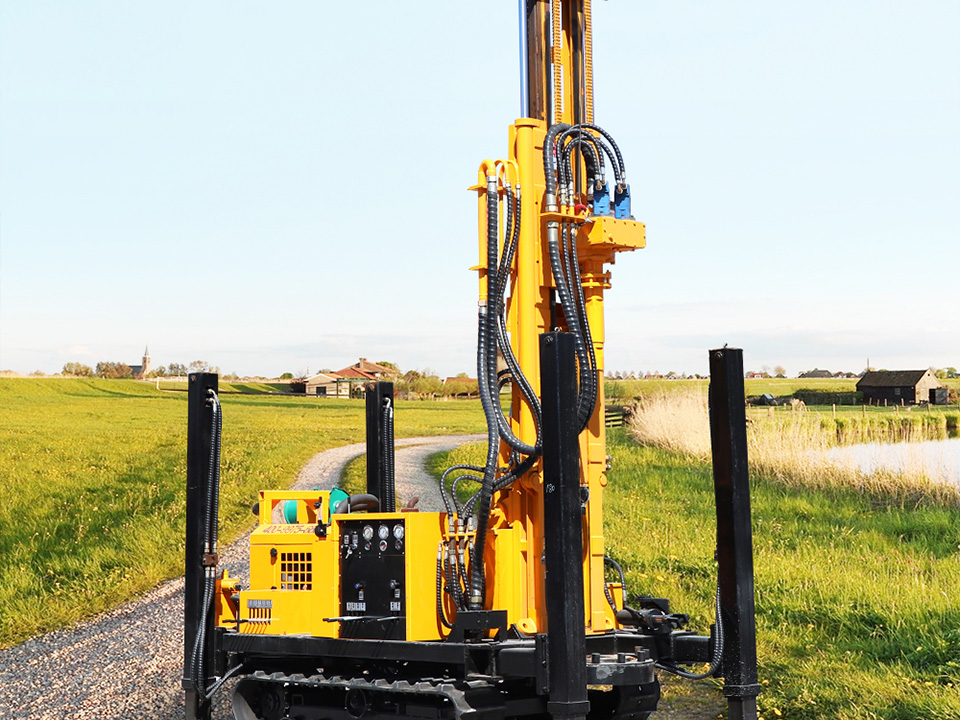
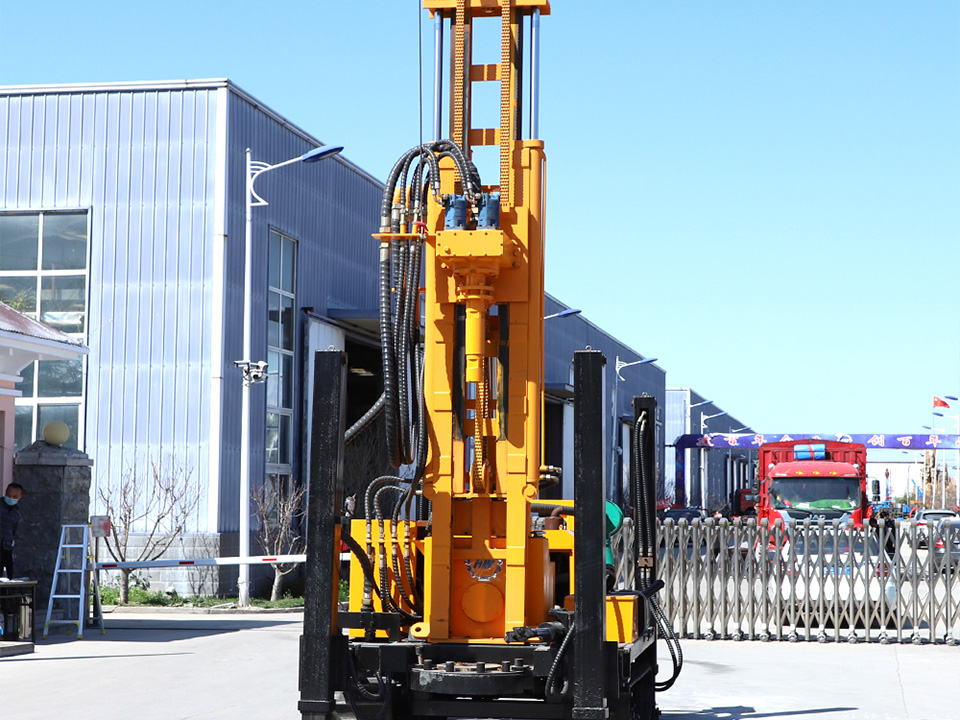
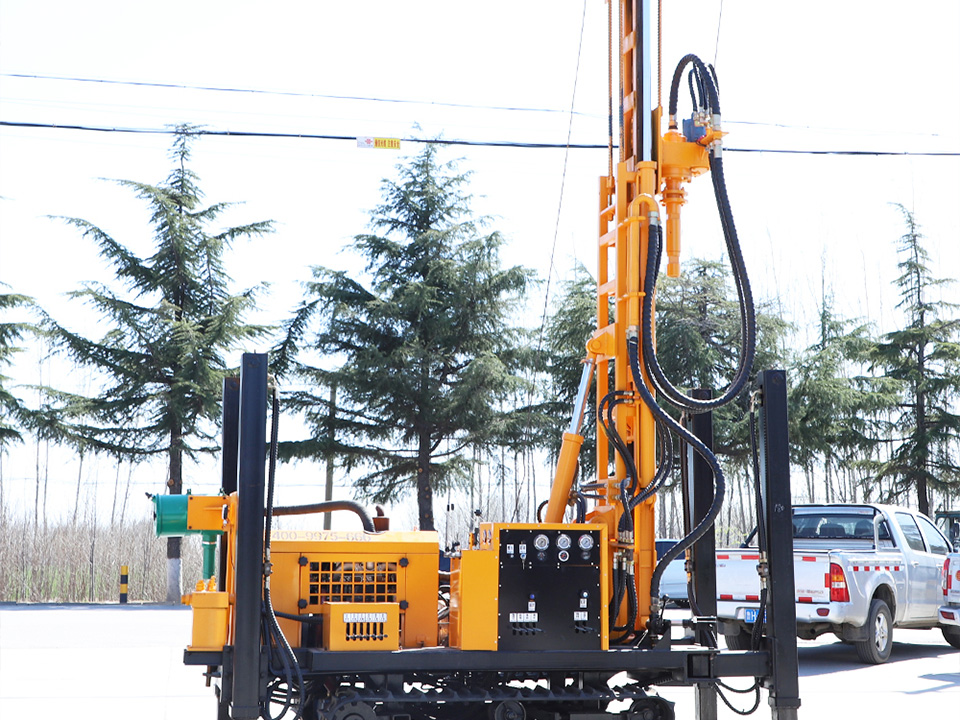
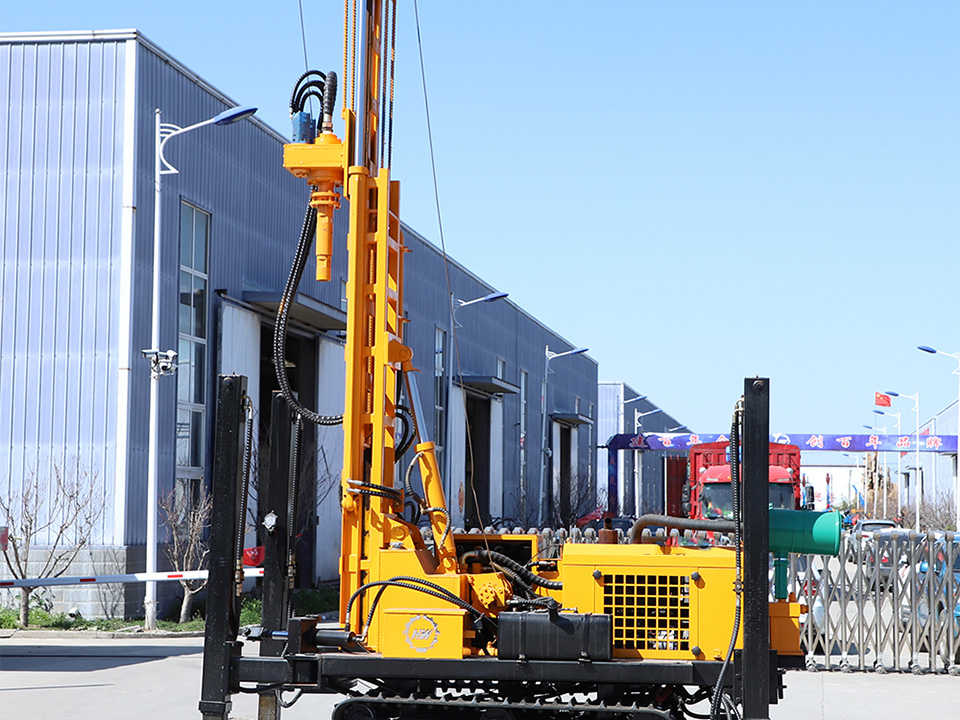
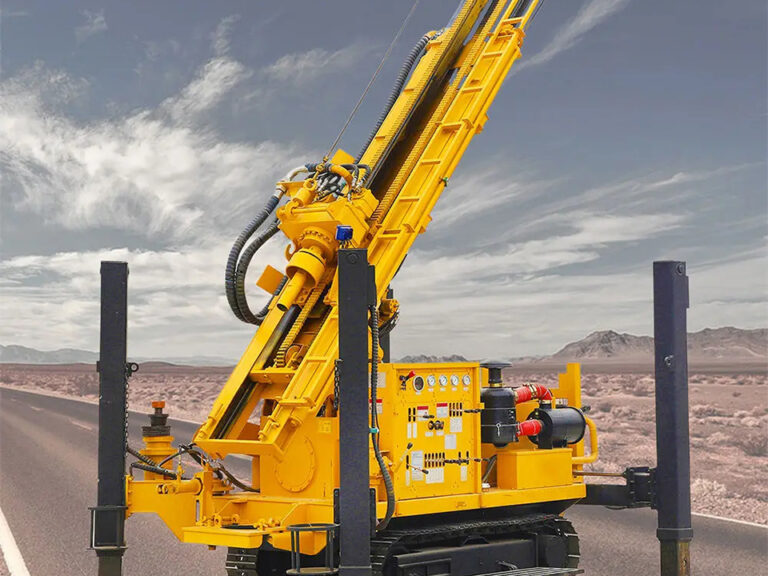
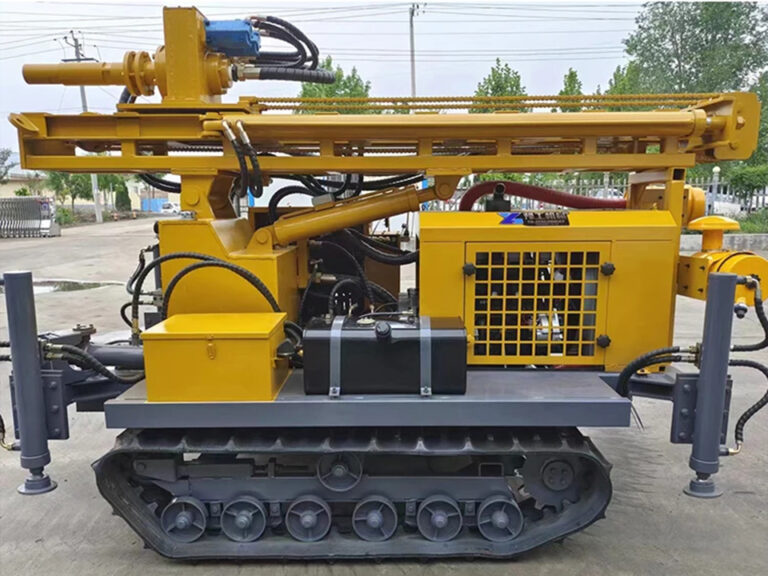
“The Drilling Rig gave us a true one-stop solution. Their team matched the right rig, compressor, and drilling tools for our project, and the engineering support stayed fast and professional from quote to delivery.”
Diesel vs Gas Engines for Remote Drilling Operations
Short answer first. Diesel wins. Usually.
But that sentence—simple, clean, dangerously misleading—hides a messy reality I’ve seen across African borehole sites, Central Asia mining camps, and one ugly project in northern Chile where a gas-powered support rig literally stalled mid-shift because fuel logistics collapsed, while the diesel rigs kept grinding through fractured granite at 180 meters without blinking.
Table of Contents
So which engine actually survives remote drilling?
Let’s strip the marketing away.
The Physics Doesn’t Lie — Torque vs RPM in the Dirt
Three words: torque matters more.
And here’s the uncomfortable truth most suppliers won’t say out loud: remote drilling is not about horsepower charts—it’s about sustained low-end torque under load, because once your DTH hammer hits dense formation, your engine either holds compression energy or collapses into inefficiency cycles that destroy both fuel cost and penetration rate.
Diesel engines dominate industrial deployment—about 68% of global heavy machinery uses diesel—because they deliver high torque at low RPM and survive continuous load cycles without thermal instability .
Gas engines? Higher RPM, lower torque curve. Fine for intermittent work. Not for 12-hour drilling cycles.
I’ve seen this firsthand: gas rigs look “fast” on paper. Then you drop into basalt. Different story.
A 2024 drilling study shows diesel consumption in active drilling operations can hit 26–129 liters per hour depending on subsystem load . And a high-spec rig can burn 2,000 gallons per day in heavy operations .
So efficiency matters more than purchase price.
Here’s where diesel quietly wins again:
20–35% better fuel efficiency due to higher compression and energy density
20–30% lower consumption under load in real industrial use
But—and this is where it gets interesting—diesel fuel often costs more per liter. Sometimes 10–20% more.
So what actually matters?
Load profile.
If your rig runs 8–14 hours continuously (which remote drilling always does), diesel wins. If your machine idles, starts, stops—gas can compete.
Field Insight (Ugly Truth)
I frankly believe most buyers underestimate this: Fuel efficiency isn’t about liters per hour—it’s about liters per meter drilled.
And gas engines lose badly there.
Maintenance: The Myth vs Reality
Everyone says: “Diesel is expensive to maintain.”
Yes. And no.
Gas engines:
Simpler systems
Lower upfront cost
Easier repairs
Diesel engines:
More complex (injectors, high-pressure systems)
Require skilled service
But last significantly longer under load
Here’s what I’ve seen:
Gas engines fail quietly. Diesel engines fail loudly—but later.
And that difference matters when your site is 300 km from the nearest parts supplier.
Real Equipment Context
Older or cost-sensitive buyers sometimes consider gas alternatives—but once they move into serious rigs like:
There is no serious gas-engine equivalent in this class.
Because uptime matters more than simplicity.
Remote Operations: Logistics Decides Everything
Let me ask you something:
What happens when your fuel supply chain breaks?
Silence. Then downtime.
Diesel wins here—not because it’s perfect, but because it’s globally standardized. Easier storage. Safer handling. Less volatility.
Gasoline degrades faster. More volatile. Harder to store in remote heat conditions.
And here’s the kicker—most remote sites already run diesel generators.
So your fuel ecosystem is already diesel-based.
Why complicate it?
Environmental Pressure (And the Shift Nobody Talks About)
Now the uncomfortable part.
Diesel is under pressure.
Regulations are tightening globally. About 39% of operators face emissions restrictions today .
And new systems—hybrid rigs, electrification—are cutting fuel use by 15–30% or more .
So yes, diesel dominates now.
But long term?
Hybrid diesel-electric systems will eat both diesel and gas.
Diesel vs Gas — Brutal Comparison Table
Factor
Diesel Engine
Gas Engine
Torque (Drilling Performance)
Excellent
Weak under load
Fuel Efficiency
20–35% better
Lower
Fuel Cost
Higher per liter
Lower
Maintenance Complexity
High
Low
Lifespan
Long (heavy-duty cycles)
Shorter under load
Remote Suitability
Ideal
Risky
Market Share
~68% industrial dominance
~21% niche usage
Best Use Case
Deep drilling, continuous ops
Light-duty, intermittent work
FAQs
Which is better for remote drilling operations, diesel or gas engines?
Diesel engines are better for remote drilling because they provide higher torque at low RPM, superior fuel efficiency under continuous load, and greater durability in harsh environments, making them more reliable for deep drilling operations and long-duration work cycles compared to gas engines.
Why do most drilling rigs use diesel engines instead of gasoline?
Most drilling rigs use diesel engines because they deliver stronger torque, better fuel economy, and longer operational lifespan under heavy load conditions, which are critical for maintaining drilling performance and reducing downtime in remote and high-demand environments.
Is diesel more expensive to run than gas for drilling rigs?
Diesel can be more expensive per liter, but overall operating cost is often lower because diesel engines consume less fuel under load and maintain efficiency during long drilling operations, reducing cost per meter drilled compared to gasoline engines.
Can gas engines be used for drilling rigs at all?
Gas engines can be used for light-duty or shallow drilling applications, but they are generally unsuitable for deep or continuous drilling because they lack the torque stability and fuel efficiency required for heavy-duty operations.
Final Thoughts — What I’d Actually Do
Here’s my honest answer.
If you’re drilling:
Below 100 meters
In variable geology
In remote areas
You choose diesel. No debate.
If you’re doing:
Light, shallow jobs
Short-duration operations
Urban or accessible sites
Then—and only then—gas makes sense.
But remote drilling?
I’ve watched projects fail over the wrong engine choice.
Don’t be that buyer.
Your Next Move
If you’re planning equipment sourcing right now, stop thinking in engine types—start thinking in drilling conditions, fuel logistics, and uptime risk.
Then match your rig accordingly:
Deep drilling? → Diesel DTH rigs
Harsh geology? → High-torque diesel systems
Remote logistics? → Diesel-only ecosystem
And if you want, tell me your target depth + formation + region—I’ll break down exactly what engine and rig spec you should run (no generic advice, just field logic).