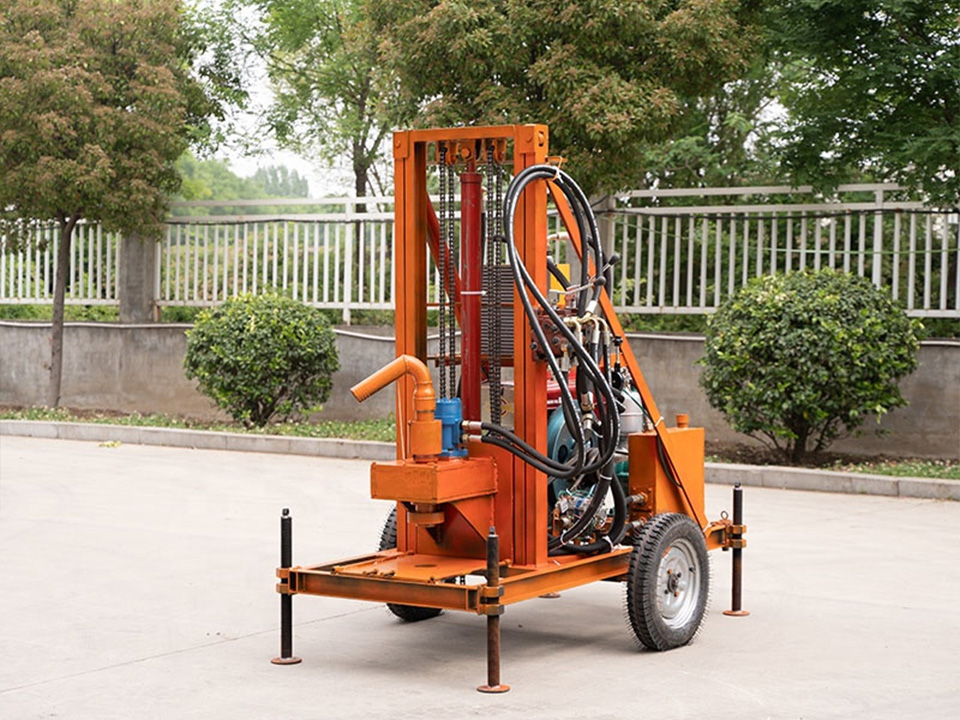
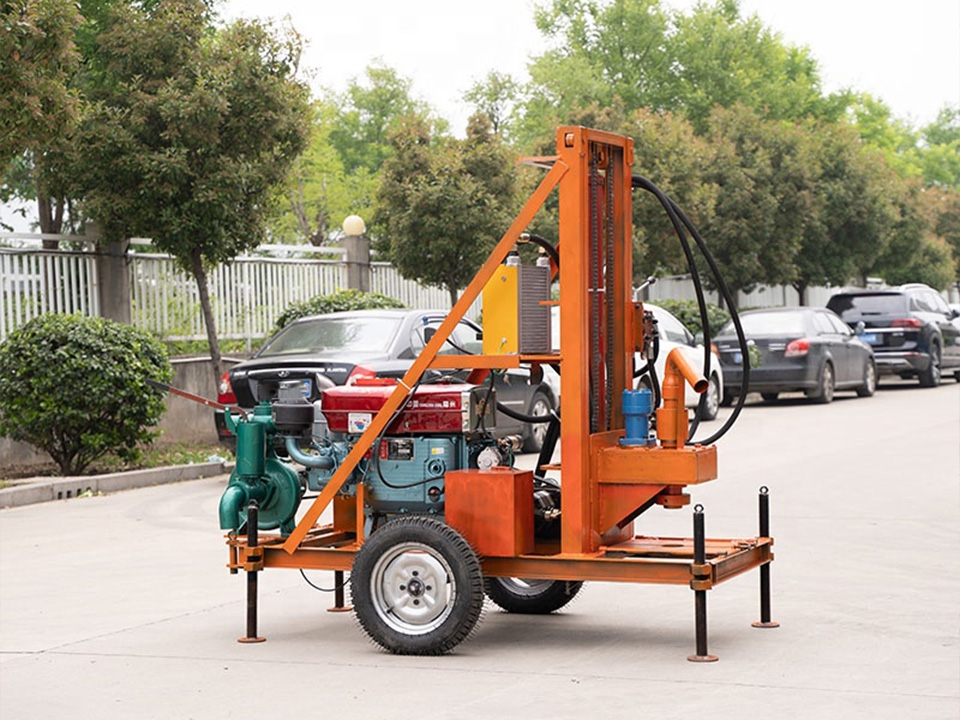
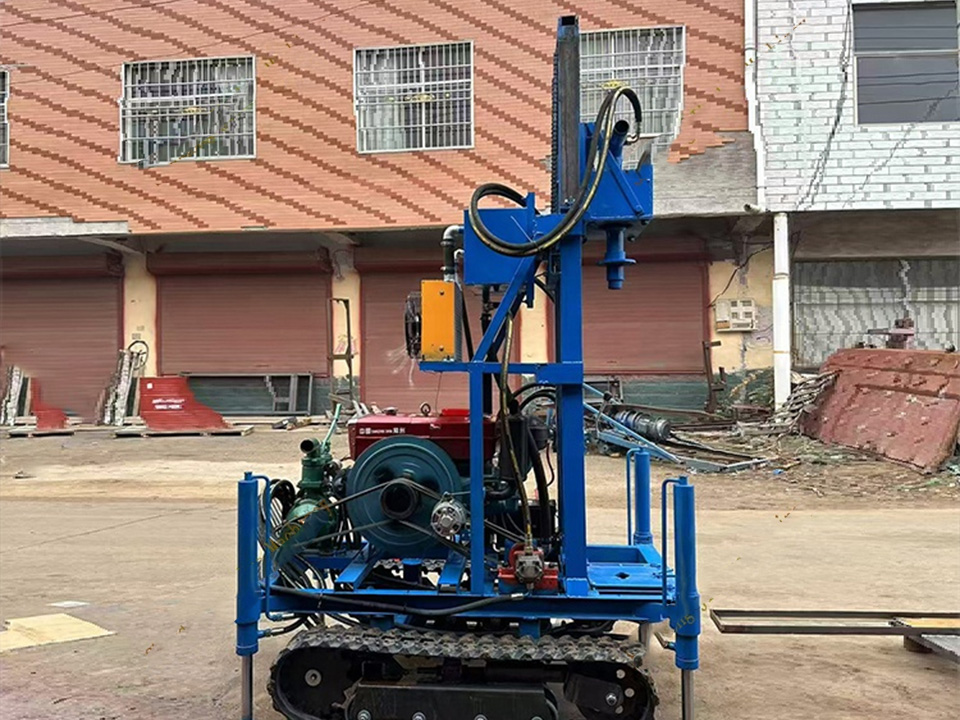
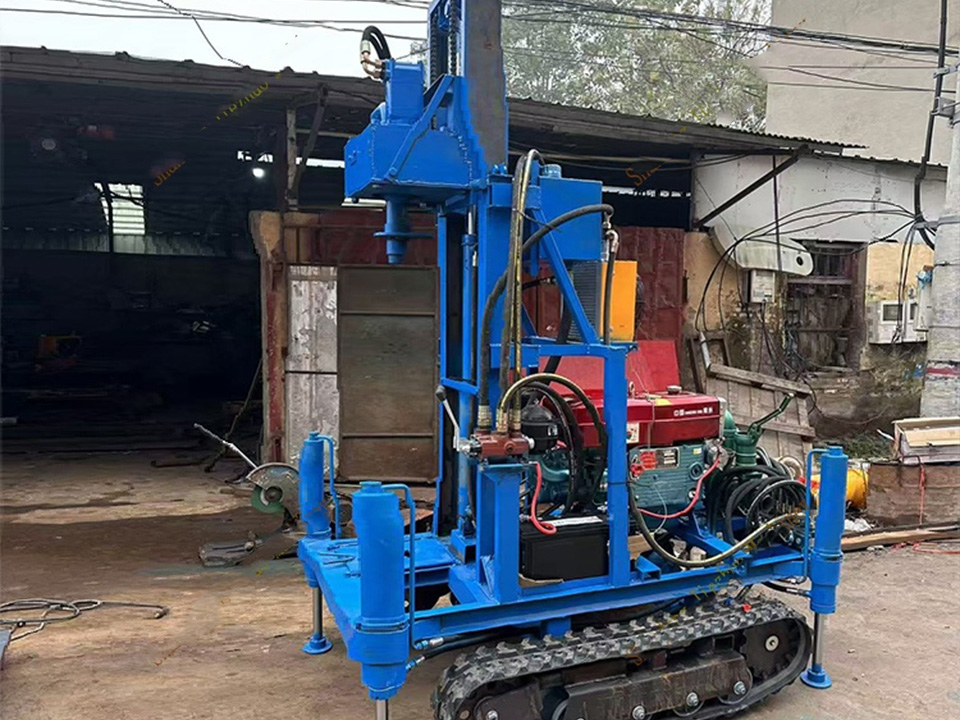
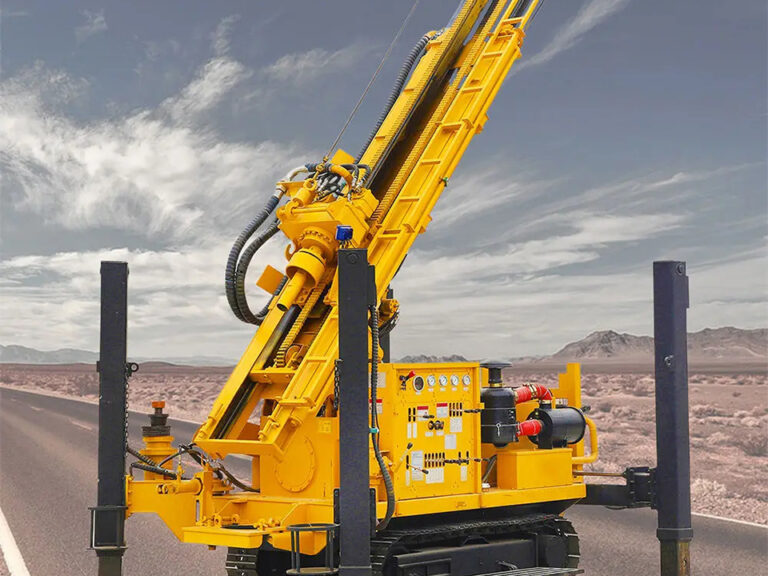
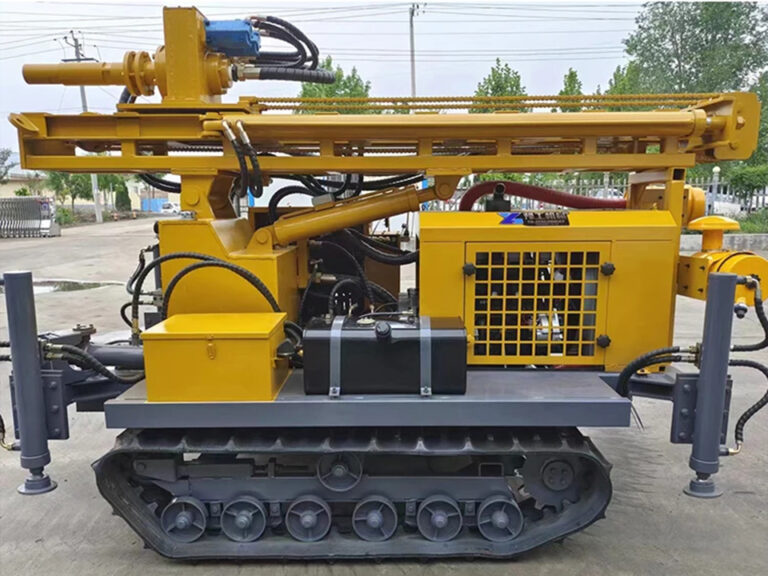
“The Drilling Rig gave us a true one-stop solution. Their team matched the right rig, compressor, and drilling tools for our project, and the engineering support stayed fast and professional from quote to delivery.”
What Borehole Diameter Do You Need for Common Casing Plans?
Small mistake. Big bill.
I’ve watched a crew burn through three days of diesel, two pallets of casing, and one very angry client—because someone decided a 216 mm hole was “close enough” for a 6-inch string, ignoring clearance, ignoring grout flow, ignoring reality until the casing stuck halfway and refused to move, which is exactly how small math errors quietly turn into five-figure losses on site.
Table of Contents
It happens. A lot.
So let’s not pretend this is academic.
The Uncomfortable Truth About Borehole Diameter
But here’s the thing—people love to talk casing size like it’s the main variable, when in reality the borehole is a system problem where cement, annular flow, wall stability, and even pump placement all fight each other for space, and if you misjudge that space, the whole design starts failing in ways that don’t show up on spec sheets.
Casing alone? Useless.
From my experience, the industry sells a lie—“6-inch casing = 6-inch thinking.” No. The hole must always be bigger. Always.
Why?
Because that gap—the annular space—isn’t optional. It’s what allows grout to seal and isolate zones, preventing contamination and structural failure, which is exactly why regulators obsess over it. The U.S. Environmental Protection Agency literally requires proper sealing around casing to keep contaminants out of drinking water .
No gap? No seal.
And here’s the ugly truth: most failed wells don’t fail during drilling—they fail quietly years later, when contamination creeps through a poorly sealed annulus.
The Rule Nobody Explains Properly
Three words. Clearance drives design.
I don’t care what the brochure says—if your borehole doesn’t leave enough annular space for grout placement and fluid movement, you’re building a problem, not a well, because grout has to move from bottom to top through that space, not magically teleport around tight casing.
And regulators even quantify this.
According to EPA well design guidance, annular space can be around 2 inches (~50 mm) in some installations to ensure proper material placement .
Think about that.
That’s not “tight tolerance.” That’s deliberate oversizing.
So the real formula—yeah, the one nobody prints on sales sheets—is:
Borehole Diameter = Casing OD + (2 × Clearance)
Simple math. Expensive consequences.
Real-World Sizing Table (What Actually Works)
I don’t trust theoretical charts. I trust field outcomes.
Casing Size (inch)
Casing OD (mm approx)
Recommended Borehole Diameter (mm)
Typical Bit Size
4″
114 mm
140–165 mm
152 mm
6″
168 mm
200–250 mm
216 mm / 254 mm
8″
219 mm
260–320 mm
273 mm / 311 mm
10″
273 mm
320–400 mm
350 mm+
Now—pause.
Those numbers assume stable ground. Clean drilling. No surprises.
But when do you ever get that?
Case Evidence: When Clearance Gets Ignored
And this isn’t just field gossip.
The U.S. Environmental Protection Agency confirms that grout in the annular space is essential to prevent contaminants entering wells
A U.S. groundwater dataset found 1 in 5 private wells contains contaminants above health benchmarks—often linked to construction issues
And older wells without proper annular sealing are significantly more vulnerable to contamination after flooding events
So yeah—this “extra 20 mm” argument?
It’s not small.
It’s the difference between a working well and a liability.
Why 6-Inch Casing Trips People Up
Everyone asks it.
“What’s the best borehole size for 6-inch casing?”
And I always push back—because the question itself is flawed.
It depends.
But let’s be honest. People want numbers.
So here:
Hard rock, aggressive drilling → 216 mm
Standard water well → 254 mm
Gravel pack / loose sand → 280–300 mm
Now think about this—168 mm casing inside a 216 mm hole leaves roughly 24 mm total clearance.
That’s tight. Very tight.
Frankly? I don’t like it.
254 mm? That’s where things start behaving—cement flows, gravel settles, casing doesn’t fight you on the way down.
Bit Size Is Where the Real Decisions Happen
And here’s where theory dies.
Because your bit size isn’t just about diameter—it’s about what your rig can actually handle without choking performance or killing penetration rates halfway through a job that’s already behind schedule.
If you’re running something like a 200m tractor mounted water well drilling rig, pushing oversized bits without enough torque is a fast way to stall rotation and lose efficiency.
But here’s the reality—your spreadsheet doesn’t drill the hole.
The ground does.
Clay swells. Sand caves. Fractures steal air.
And even if your borehole diameter is “correct” on paper, you can still lose the hole if cuttings don’t evacuate or the wall collapses before casing is set, which is why experienced drillers often oversize slightly—not because they love wasting money, but because they’ve already paid the price of being too tight.
I’ve been there.
Once was enough.
What I Actually Recommend (No Marketing Spin)
If you want the blunt version:
Never design at minimum clearance
Always leave margin for grout flow
Match borehole size to completion method—not just casing
And one more thing—this matters more than most buyers realize:
Suppliers love quoting casing. Not hole size.
That’s how mistakes slip through.
FAQs
What borehole diameter is required for a 6-inch casing?
A borehole diameter for 6-inch casing typically ranges from 200 mm to 300 mm depending on formation, allowing enough annular clearance for grout placement, casing installation, and long-term structural integrity without risking tight-hole friction or sealing failure.
How much clearance is needed between casing and borehole?
The required clearance between casing and borehole is generally 20–40 mm per side in standard water wells, ensuring proper annular space for grout, fluid circulation, and sealing that prevents contamination and structural instability.
Why is annular space important in borehole design?
Annular space is the gap between casing and borehole wall that enables grout sealing, contamination control, and structural support, ensuring groundwater protection and long-term well performance.
Can you drill the borehole the same size as casing?
Drilling the borehole the same size as casing is not acceptable because it removes the annular space needed for installation and sealing, leading to structural failure and contamination risks.
Your Next Steps
So here’s the move.
Stop thinking in casing sizes.
Start thinking in systems.
If you’re quoting projects, selling rigs, or building content—tie borehole diameter directly to:
Bit size
Compressor output
Formation type
Completion method
Because diameter isn’t just a number.
It’s the decision that quietly controls everything downstream.