“The Drilling Rig gave us a true one-stop solution. Their team matched the right rig, compressor, and drilling tools for our project, and the engineering support stayed fast and professional from quote to delivery.”
Maintenance Case Study: How Preventive Service Protects Uptime
Three words first. It wasn’t sudden.
But here’s what I’ve seen too many times—crews call it “unexpected failure,” yet when you rewind the timeline (pressure drift at 8:40, temp rise at 11:15, slight airflow lag after lunch), the machine was basically narrating its own breakdown in slow motion, and nobody stepped in because production pressure always wins over maintenance discipline. So… was it really unexpected?
Table of Contents
The Before: “Still Running” Is the Most Expensive Lie
I remember standing next to a rig where the operator literally said, “If it’s running, we don’t touch it.”
That sentence? Costs money.
Because “still running” usually means “already degrading.”
And the macro numbers back that up in a way that’s almost brutal—according to the 2024 Siemens downtime dataset, unplanned downtime is draining roughly $1.4 trillion annually—about 11% of total revenue—from Fortune Global 500 companies
Let that sink in.
Not a small inefficiency. A structural leak.
Zoom in further:
$125,000 to $2.3M per hour depending on sector
~27 hours lost per month in large plants
Downtime costs rising ~60% since 2019
Here’s the ugly truth—I frankly believe most fleets don’t track downtime honestly because if they did, maintenance budgets would double overnight.
The Turning Point: Preventive Maintenance Is Timing Control
Short sentence again. It’s not servicing.
But wait—this is where people get lazy—they think preventive maintenance is about “doing things regularly,” when in reality it’s about intercepting a machine inside a very specific degradation window (not too early, not too late), where intervention prevents cascade failure without wasting component life. That window is everything.
Miss it? You react.
Hit it? You control.
And this isn’t theory—industrial data shows structured maintenance strategies can cut downtime exposure by 30–50% when properly enforced
So ask yourself— are you managing equipment… or negotiating with failure timing?
Case Study: Same Fleet, Different Physics Outcome
Let’s get real.
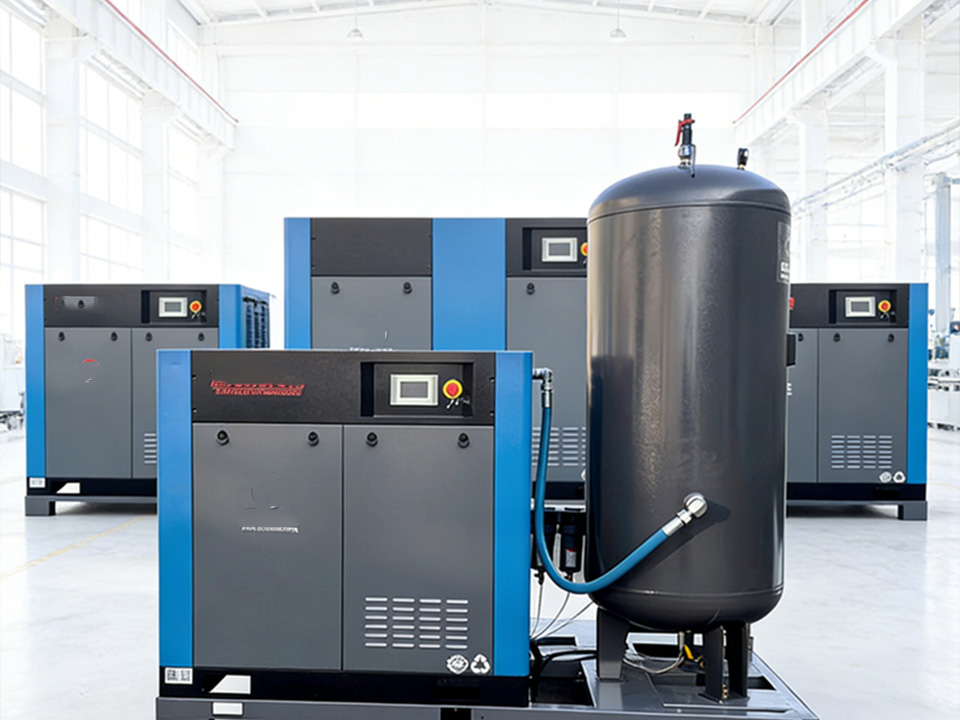
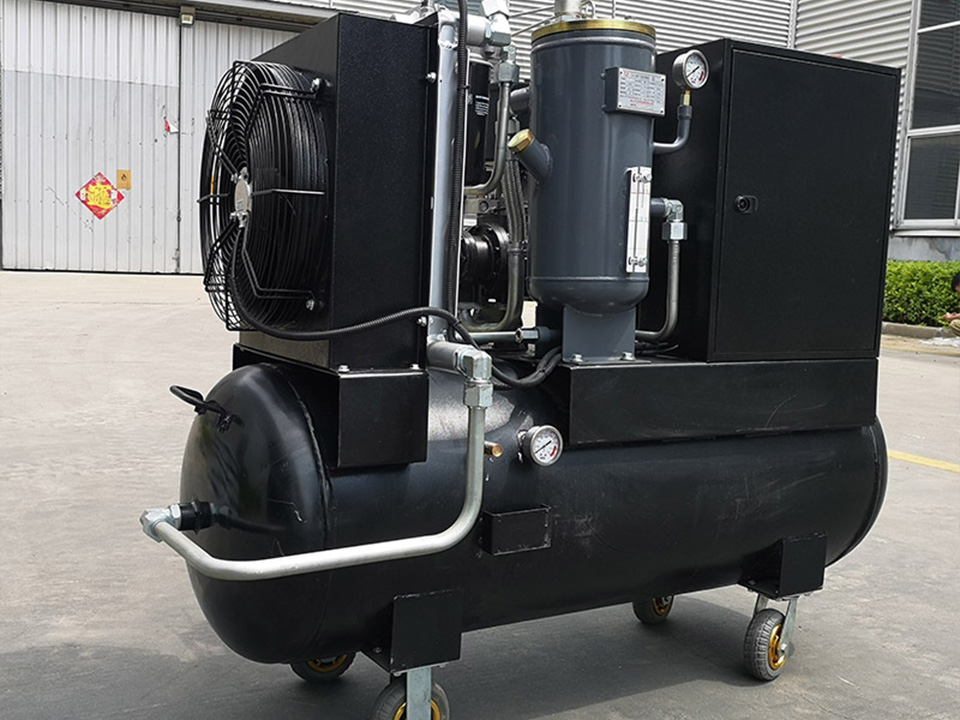
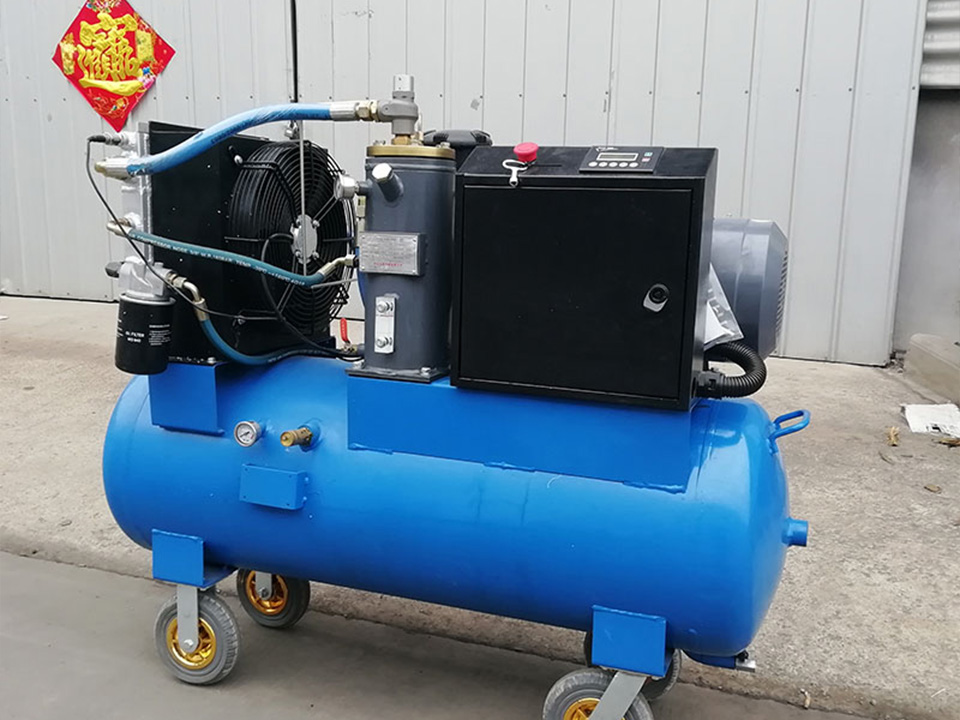
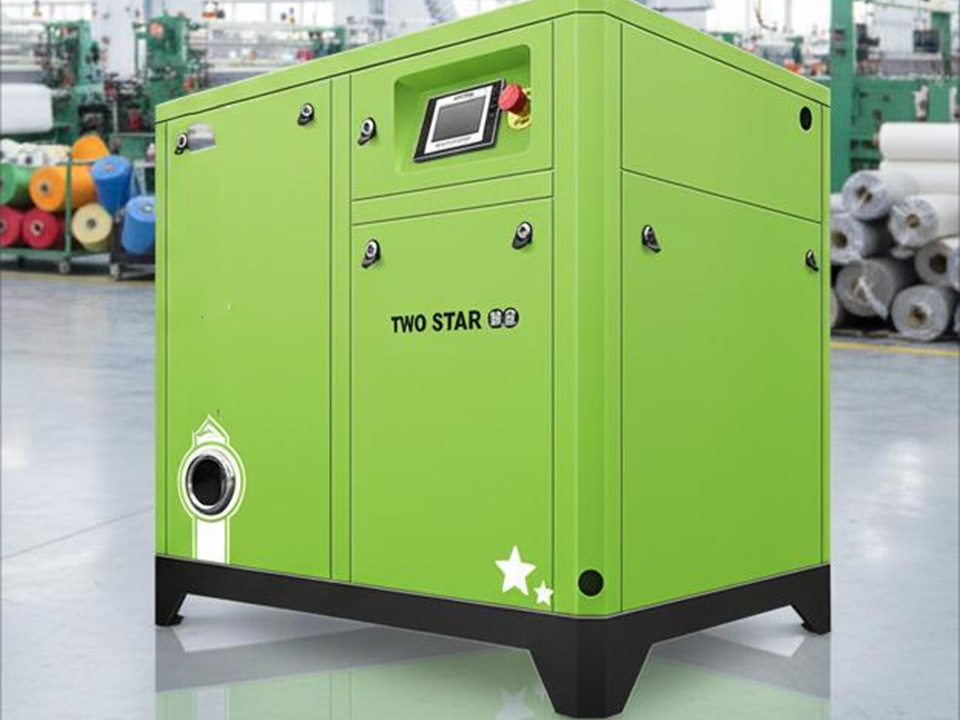
Mid-size drilling fleet. Standard 37kW compressors. No AI. No fancy telemetry.
Before discipline:
Oil pushed past cycle
Filters choked longer than they should
Pressure drop ignored (classic mistake)
Operators “listening” instead of measuring
Result?
Noise. Chaos. Blame.
After enforcing preventive cycles—strictly, not “when possible”—the system behavior changed fast.
What’s Actually Happening Inside (Most Teams Miss This)
Three words again. It’s physics.
But here’s the deeper layer—what we call “maintenance” is really control over interacting degradation processes: lubrication viscosity breakdown, thermal expansion shifting tolerances, airflow instability affecting load cycles, and micro-defects stacking until a threshold event triggers full failure.
Predictive vs Preventive: The Industry Shortcut That Backfires
Let me say something controversial.
Most fleets adopt predictive maintenance too early.
Yeah—I said it.
Because predictive tools (sensors, dashboards, ML models) don’t fix bad maintenance culture—they just expose it faster, and data without discipline becomes noise that nobody acts on.
That said—real deployments show serious upside. For example, predictive strategies have helped reduce maintenance costs and downtime exposure significantly across industrial systems
But here’s the catch:
No baseline discipline → no usable data.
So the actual hierarchy looks like this:
Preventive → stabilize system behavior
Predictive → optimize intervention timing
Reactive → absorb mistakes
Skip step one?
You’re just predicting failure in HD.
Where Fleets Quietly Lose (It’s Not Mechanical)
Short answer? People.
But more precisely—it’s process decay:
Maintenance schedules exist—but get stretched under pressure
Spare parts planning is reactive (always urgent, always overpriced)
Preventive maintenance is a scheduled, time-based servicing strategy where inspections, lubrication, adjustments, and component replacements are performed at defined intervals to prevent equipment failure, reduce downtime risk, and maintain stable operational performance under continuous industrial load conditions.
How does preventive maintenance improve uptime?
Preventive maintenance improves uptime by identifying early-stage degradation signals—such as pressure loss, temperature rise, or vibration drift—and correcting them before they escalate into full system failures, thereby reducing unexpected downtime, stabilizing output, and improving operational predictability.
Preventive vs predictive maintenance: which is better for uptime?
Preventive maintenance establishes baseline system stability through scheduled interventions, while predictive maintenance enhances timing precision using sensor data and analytics; however, preventive maintenance must come first because predictive systems depend on stable operating conditions to produce reliable insights.
How much downtime can preventive maintenance reduce?
Preventive maintenance can reduce downtime by approximately 30–50% depending on execution quality, as it prevents cascading failures, shortens repair cycles, and extends component lifespan, especially in high-load systems like compressors and drilling rigs operating under continuous stress conditions.
Your Next Move: Stop Managing Breakdowns—Start Managing Time
Let me be blunt.
You don’t need smarter machines first. You need tighter timing discipline.
Start here:
Lock maintenance intervals (no negotiation—ever)
Track degradation signals, not just failures
Train operators to read drift (pressure, heat, vibration)
Standardize service protocols across the fleet
Because uptime?
It’s not purchased. It’s enforced.
And once you enforce it—you’ll realize something most operators quietly avoid admitting: