“The Drilling Rig gave us a true one-stop solution. Their team matched the right rig, compressor, and drilling tools for our project, and the engineering support stayed fast and professional from quote to delivery.”
What Dealers Learn from Field Trials Before Launching New Rigs
The Yard Test Feels Safe. That’s Exactly the Problem.
But I don’t trust a rig just because it lifts the mast nicely on concrete.
Never have.
A new drilling rig can idle cleanly, rotate smoothly, look strong in a 40-second factory video, and still embarrass a dealer the first week it meets fractured rock, sticky clay, tired helpers, cheap diesel, overheated hydraulic oil, and a buyer asking why “200 meters” suddenly feels theoretical.
That’s the ugly truth about field testing new equipment.
A factory yard tells you the machine can move. A jobsite tells you whether it can earn money.
And those are not the same thing.
Table of Contents
I’ve seen dealers fall in love with paint, weld size, mast height, and a handsome spec sheet. Then the first customer calls. The mud pump seal is gone. The hose is rubbing. The rod clamp doesn’t bite properly after dust packs into it. The operator says the control layout feels “opposite.” Nobody wrote that in the catalog, of course.
Catalogs don’t sweat.
The risk is bigger than one rig, too. OSHA’s 2024 Annual Report of Severe Injuries and Illnesses reported 9,034 severe injury reports, about 25 reports per day, from employers covered by federal OSHA. That isn’t a drilling-rig-only statistic, but it’s a cold reminder that machinery problems become expensive only after real people start working around real equipment.
Field Trials Are Not Demo Shows. Demo Shows Are Theater.
However, a field trial has one job: find the weak stuff before the customer does.
Simple as that.
A proper drilling rig field trial should make the machine uncomfortable. Not stupidly. Not destructively. But honestly. Run it long enough for the oil to heat. Move it over bad ground. Drill in mixed soil. Change rods when the crew is tired. Watch what the helper touches without being told. Listen for pump cavitation, odd vibration, rotary chatter, and the little metallic noises nobody wants to admit hearing.
That’s where the dealer learns.
Not in the sales room.
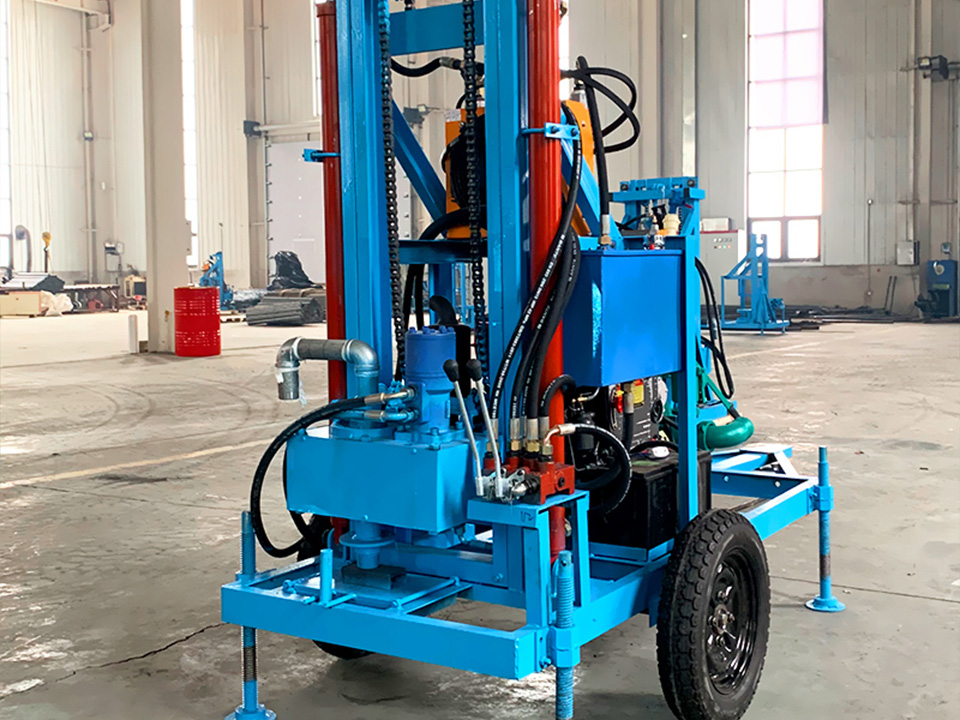
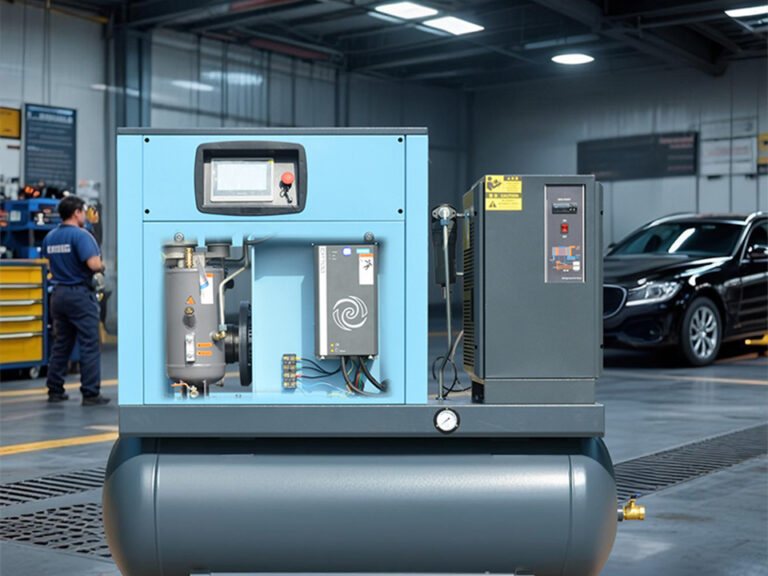
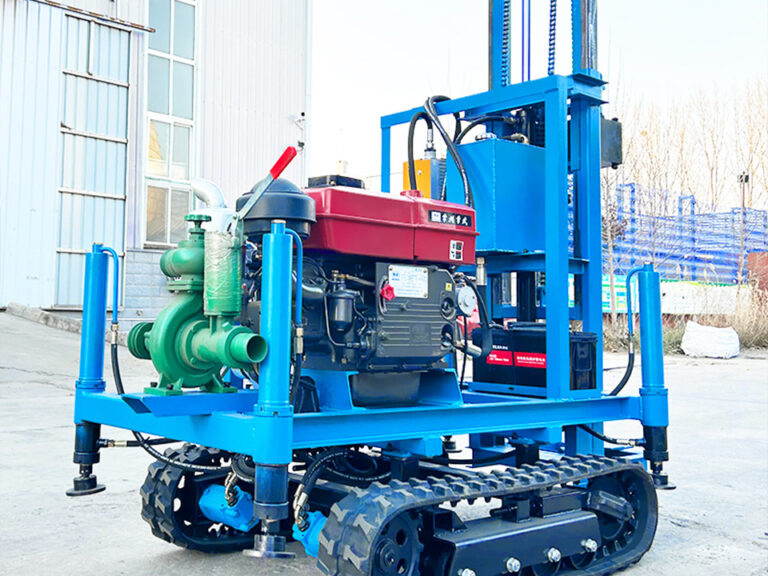
A compact machine like a 180–200m diesel hydraulic portable water well drilling rig should be tested beyond “Can it drill?” That question is too soft. The real questions are nastier: Can the mast stay steady when leveling is imperfect? Does the compressor match the hammer? Does the feed system behave in broken formation? Can a local operator service filters, grease points, hoses, and clamps without begging the supplier for help every morning?
That’s dealer reality.
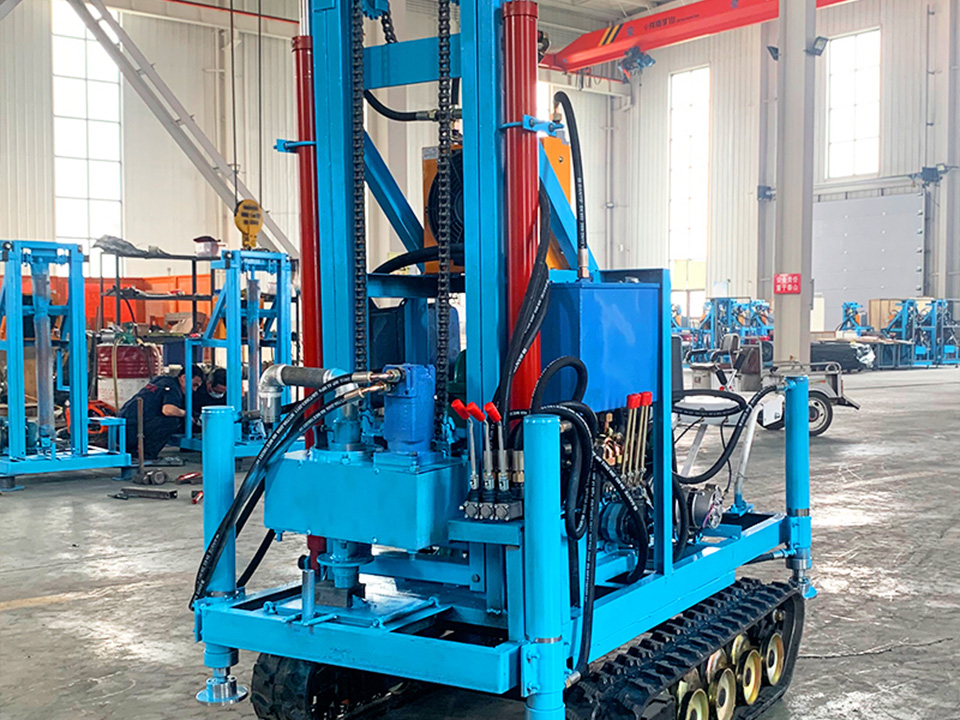
NIOSH updated its construction equipment visibility resources in November 2024, including blind-area diagrams for many construction machines. A water well rig is not a dozer or loader, fine. But any dealer who ignores blind zones around crawler rigs, tractor-mounted rigs, air compressor trucks, pipe racks, and helper movement is basically gambling with site control.
The First Trial Usually Finds the Same Dumb Problems
And yes, I said dumb.
Because many failures are not exotic engineering mysteries. They’re boring little problems that should’ve been found before the dealer started shouting “ready to ship.”
Field Trial Discovery
What Dealers Think It Means
What It Actually Means Commercially
Hydraulic oil temperature rises too fast
“Maybe the operator pushed too hard”
Cooling capacity, hose routing, oil grade, or duty cycle may be under-specified
Accessories wear out early
“Supplier sent weak parts”
The accessory package was not validated as a full drilling system
Drilling speed is unstable
“Formation is difficult”
Compressor, bit, hammer, rotation speed, and feed pressure may not be matched
Operators misuse controls
“Training problem”
Control layout and manual design are part of product quality
Transport damage appears
“Bad logistics”
Packaging, frame protection, and loading points need redesign before export scale-up
Here’s the part many dealers dislike hearing: if an accessory fails during trial, don’t immediately blame the accessory.
Maybe the bit is wrong for the formation. Maybe the hammer is starved. Maybe the operator is feeding too hard. Maybe the rods are low-grade. Maybe the package was sold like a machine but tested like a pile of separate parts.
It happens.
A 200m deep hydraulic portable water well drilling rig is not just a frame, engine, mast, and rotary head. It’s a system: rig, compressor, DTH hammer, bit, rods, grease, fuel, casing habit, ground condition, operator skill, and dealer support. Miss one piece, and the machine gets blamed for a package problem.
Specification Gaps Hide Behind Beautiful Numbers
“200m depth.”
Nice phrase. Very sellable. Also incomplete.
Depth rating without borehole diameter, formation type, compressor pressure, airflow, mud circulation plan, rod size, and operator skill is just a headline with grease on it. I frankly believe too many dealers sell headline specs first and learn the real application later. That’s backwards.
The field trial should punish vague claims.
When testing a rig before launch, dealers should record:
Penetration rate by formation
Diesel consumption per working hour
Hydraulic oil temperature after long drilling
Compressor pressure drop under load
Rod change time
Bit wear
Hose/fitting leakage
Operator mistakes
Transport damage
Downtime per shift
Not “it works.”
That means nothing.
Komatsu’s 2024 article, A critical step toward more environmentally conscious surface mining, shows how serious machinery companies treat validation. Komatsu worked with six global lubrication companies to develop lubricants that had to meet both mechanical/performance requirements and environmental standards. That’s not casual testing. That’s system thinking.
And that same mindset applies to new rig launch testing.
A dealer shouldn’t ask only, “Does this rig drill?” Ask, “Does this rig, with this pump, this compressor, this tool package, this operator, this soil, and this warranty promise, make commercial sense?”
Different question.
Better question.
Accessories Are Where Many Launches Bleed Money
Yet the weak point is often not the main rig.
It’s the small stuff.
Mud pump seals. DTH bits. Sub adapters. Rod threads. Grease nipples. Hose joints. Control valves. Clamps. Winch cables. Toolboxes that look complete until the crew actually needs one odd wrench at 5:40 p.m. in dust and noise.
That’s where margin goes to die.
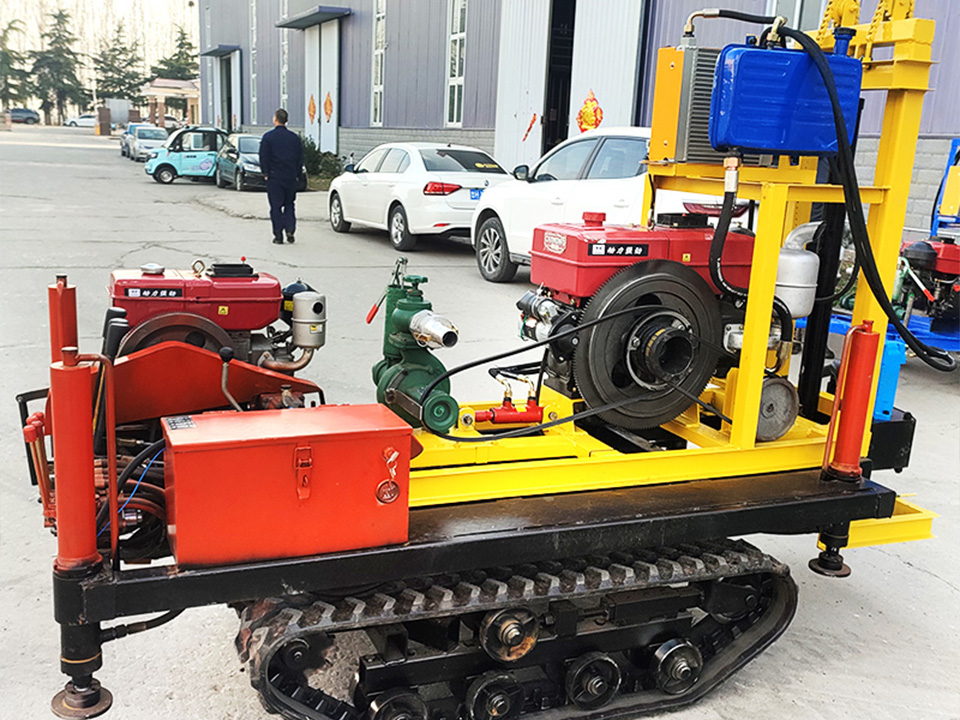
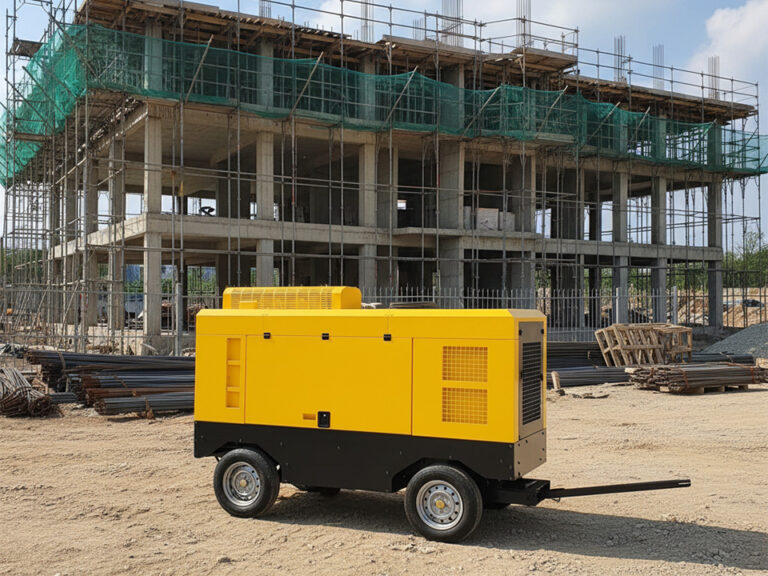
A 200m impact mud pump type mining shaft drilling rig should never be tested as a naked machine. The pump, impact system, drilling tools, rod handling, mud circulation, and wear parts should be trialed as one package. If the dealer sells it as a package, then the field trial must abuse it as a package.
No exceptions.
John Deere’s supplier quality manual discusses design, testing, failure causes, corrective action, and production-related controls. Different sector, yes, but the lesson travels well: if you don’t map failure modes before the market launch, customers will map them for you after launch — with photos, complaints, and unpaid warranty demands.
Dealer Product Testing Is a Warranty Audit Wearing Work Boots
From my experience, the dealer who skips testing usually has a very confident sentence ready.
“The factory already tested it.”
Maybe. But not in your soil. Not with your customer. Not with your local diesel. Not with your helper who uses a hammer as a universal adjustment tool.
That’s the point.
Dealer product testing is not about doubting the factory. It’s about protecting the dealer’s name in the local market. A factory may sell into Africa, LATAM, MENA, Southeast Asia, and Central Asia at the same time. If one batch causes trouble, the factory spreads the pain. A dealer doesn’t. One bad launch can poison WhatsApp groups, Facebook comments, contractor circles, and tender trust for months.
Maybe years.
A dealer testing a 200m tractor mounted water well drilling rig should not stop after drilling one nice hole. Test road movement. Test setup time. Test mud flow. Test platform stability. Test turning radius. Test whether the tractor combination is practical for small contractors who don’t own a perfect yard, perfect road, or perfect crew.
That last part matters.
Real buyers are messy.
New Rig Launch Testing Should Include Controlled Abuse
Most launch testing is too polite.
It’s performed under conditions the seller already knows the machine can survive. Clean ground. Friendly operator. Short run time. A camera nearby. Everybody smiling. That’s not testing. That’s marketing footage with diesel smoke.
A better trial includes controlled abuse:
Long working hours
Hot weather
Poor water supply
Uneven leveling
Muddy access
Beginner operator behavior
Repeated mast lifting
Rough local transport
Difficult rod changes
Compressor mismatch checks
Real borehole diameter targets
Don’t destroy the rig. Just stop protecting it from the life it’s about to have.
Caterpillar’s marine field follow validation role describes field validation, commissioning, trials, data collection, pass/fail criteria, and technical resolution. That’s how serious machinery companies think. They don’t treat validation as “try it for a day and send videos.” They treat it as a process with evidence.
That’s the level smaller drilling equipment dealers should copy.
Not the budget. The discipline.
The U.S. Army Corps of Engineers’ EM 385-1-1 safety manual, effective March 15, 2024, also makes the safety direction obvious: jobsite equipment work is becoming more documented, more procedural, and less forgiving of “we usually do it this way” habits.
A Dirty, Practical Field Trial Process That Actually Works
So how should dealers test new rigs before launch?
Not with a ceremony.
With a notebook.
Stage 1: The Yard Baseline Test
Before the first borehole, photograph everything. Hose routing. Fittings. Mast welds. Engine plate. Hydraulic pump label. Rotary head. Control symbols. Tool kit. Spare parts. Filters. Loading points. Track tension. Guards. Grease points.
Start with an easy hole because you need a baseline, not drama.
Measure fuel burn, rod change time, drilling speed, oil temperature, compressor behavior, bit wear, vibration, and operator comfort. Write numbers down. A dealer who says “the trial went well” but has no data is basically selling a feeling.
Feelings don’t fix warranty claims.
Stage 3: The Ugly Ground Test
Now make the rig work.
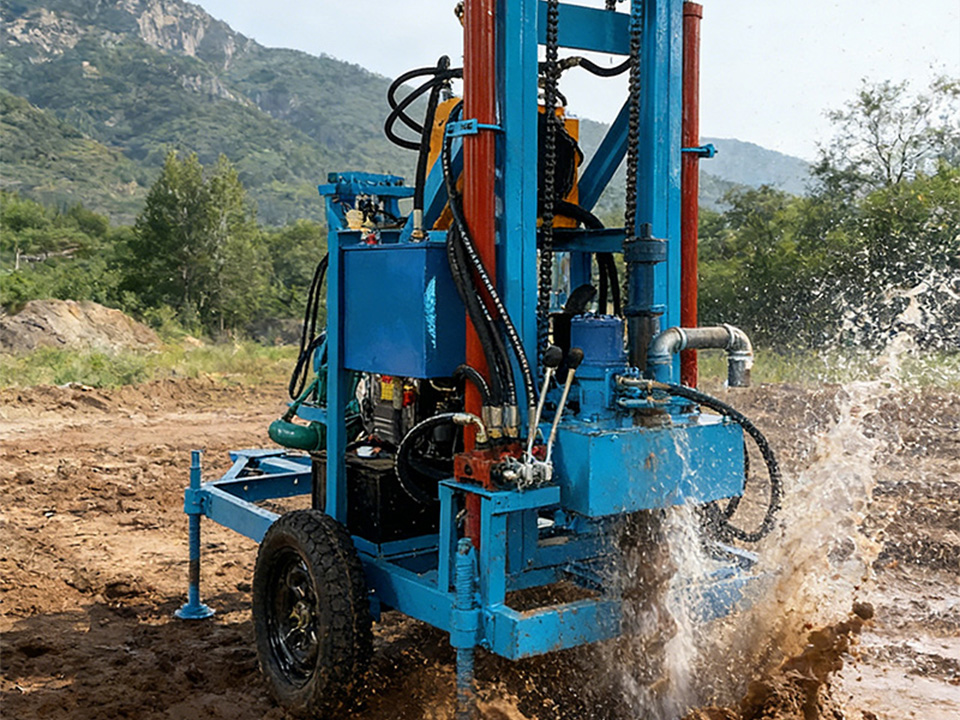
Mixed soil. Broken layer. Longer hours. Less perfect handling. Real helpers. Real downtime. Real dust. This is where the trial earns its name.
And this is where rig specification gaps usually crawl out.
Maybe the machine needs a bigger compressor. Maybe the mud pump is too small. Maybe the bit package is wrong. Maybe the mast is fine, but the clamp design slows the crew. Maybe the operator manual was translated by someone who has never stood near a borehole.
You want to know now.
Not after ten units ship.
Stage 4: The Launch Review Nobody Wants to Write
After the trial, don’t rush into sales copy. Sit down and write the painful report.
Review Item
Required Dealer Decision
Machine configuration
Sell as-is, modify, or restrict to certain ground conditions
Accessory package
Standardize bits, rods, pumps, hoses, and spare kits
Training materials
Rewrite manual, add video, localize labels, or build operator checklist
Warranty exposure
Identify parts likely to fail in first 100–300 hours
Sales claims
Remove claims that field data cannot support
Spare parts stock
Pre-stock fast-moving seals, filters, fittings, rods, and wear parts
This table looks simple. It isn’t.
Because every row costs money.
But skipping it costs more.
Why Distributors Should Be More Paranoid Than Factories
Factories love launch speed.
Dealers should love launch control.
Those two instincts fight each other, and honestly, the dealer should win that argument more often. The factory may want wider promotion. The dealer has to answer the phone when the rig fails in front of a buyer’s crew.
Different pressure.
A dealer should ask nasty questions before launch:
Which formation did the depth test use?
What borehole diameter was tested?
Which compressor was matched?
How many working hours were logged?
Which parts failed first?
What did the operator misunderstand?
Which spare parts moved fastest?
What claim should be removed from the brochure?
What video training does the buyer need before delivery?
If the answer is vague, don’t launch widely.
I know that sounds cautious. Good. Caution is cheaper than reputation repair.
NIOSH’s 2024 visibility guidance also reminds dealers that machine risk is not only drilling depth, torque, or pump capacity. Movement around equipment matters too: blind zones, helper position, crawler travel, truck loading, pipe handling, and bad site layout.
FAQs
What do dealers learn from field trials before launching new rigs?
Dealers learn whether a new rig’s real jobsite behavior matches its catalog claims, including drilling speed, hydraulic stability, accessory durability, operator usability, compressor matching, and likely warranty exposure before wider sales begin. Field trials turn assumptions into evidence, especially for depth rating, borehole diameter, and formation-specific performance.
But the deeper lessons are usually less glamorous. A weak clamp. A confusing lever. A hose that rubs after five hours. A helper standing in the wrong blind spot. These are the things that decide whether the dealer gets repeat orders or a complaint video in a contractor group.
Why is field testing new equipment important for drilling rig dealers?
Field testing new equipment is important because it reveals hidden specification gaps, safety risks, accessory weaknesses, and training needs before the dealer commits to full-market promotion and customer delivery. It protects dealer reputation, reduces warranty surprises, and makes sales claims more defensible.
Here’s my hard opinion: untested machines create fake confidence. A rig that drills one clean factory hole may still fail in local ground when the compressor is wrong, the mud flow is weak, the operator is green, or the accessory kit is cheap.
How should dealers test new rigs before launch?
Dealers should test new rigs through a structured pilot process: yard inspection, baseline drilling, difficult-ground drilling, operator training review, accessory wear tracking, spare-parts audit, and final launch decision based on recorded data. The process should produce numbers, photos, failure notes, and configuration changes.
Don’t just film the rig drilling. Measure it. Record penetration rate, fuel use, oil temperature, downtime, rod change time, leakage points, bit wear, and operator mistakes. If nobody writes anything down, the trial is mostly theater.
What are the biggest rig specification gaps found during field trials?
The biggest rig specification gaps are usually compressor mismatch, weak accessory packages, overheating hydraulic systems, unstable drilling speed, poor transport protection, undersized mud pumps, and unrealistic depth or diameter expectations for local ground conditions. These gaps often appear only after hours of real drilling.
The most dangerous gap is not always mechanical. Sometimes it’s a sales gap: the dealer promises one application while the machine is better suited to another. That’s how “good rigs” become “bad purchases.”
What is the best field trial process for drilling equipment?
The best field trial process for drilling equipment combines controlled baseline testing with harsh real-ground operation, then converts the findings into launch rules, spare-parts lists, training content, and revised sales claims. It should test performance, durability, safety, transport, accessories, and operator behavior.
My preferred version is simple: inspect, drill easy, drill ugly, write the report, change the package, then launch. Not before. The field trial is not finished when the rig stops drilling. It’s finished when the dealer knows what to sell, what to modify, and what not to promise.
Your Next Steps Before Selling a New Rig
Don’t launch a new rig because the video looks strong.
Run the field trial first.
Pick the correct model class — portable 180–200m rig, 200m hydraulic rig, impact mud-pump mining rig, or tractor-mounted water well rig — then test it in the buyer’s real working conditions. Record the failures. Keep the photos. Rewrite the sales claims. Build the spare-parts kit. Fix the training.
Then sell.
Because one properly tested rig teaches a dealer more than ten rushed shipments ever will.