Engineering & Equipment Selection
Learn how to choose the right drilling rigs, air compressors, and support equipment with practical engineering guidance for performance, fit, and cost control.
Performance & Selection
Cases, Compliance & Export
Hydraulic Motor Sizing for Drill Heads and Feed Systems

Most drilling failures aren’t about the rig—they’re about wrong motor sizing. Here’s how to calculate torque, match flow, and avoid costly hydraulic mismatches.
How to Size Rotary Head Torque and Speed for Formations

Most rigs fail in the field not because of power—but because torque and RPM were sized wrong for the formation. Here’s how it actually works.
Comparing Rig Steel Quality, Mast Design, and Frame Strength

Steel specs don’t tell the full story. Real failures come from welds, mast geometry, and frame load paths—this is what experienced buyers actually inspect before committing capital.
New vs Used Water Well Rigs: Risk, Uptime, and Payback

Cheap rigs are often expensive in disguise. This analysis breaks down how used-equipment savings can evaporate through downtime, parts delays, lower daily output, and poor serviceability—and when a used water well drilling rig still makes sense.
How Much Capital Is Needed to Launch a Drilling Fleet

Most first-time buyers underbudget the same things: air, support equipment, spare parts, transport, and people. This guide explains what it actually costs to launch a drilling fleet, why the machine quote is only the opening bid, and how to defend your numbers in bank meetings, investor decks, and internal capex reviews.
Startup Rig Buying Guide: Build the Right Entry-Level Fleet

Most new drilling businesses do not fail because they bought too little iron. They fail because they bought the wrong drilling rig package for the jobs actually available, then got crushed by downtime, service gaps, and support equipment they treated like an afterthought.
How to Match Pullback, Torque, and Stroke to Well Design

Most buyers still compare rigs backward. They start with horsepower, weight, and marketing claims, then hope the machine will somehow suit the hole. I do the opposite. I start with depth, casing, formation, rod length, and handling sequence—then I decide whether the rig’s pullback, torque, and stroke are enough.
Mechanical vs Hydraulic Water Well Rigs: TCO and Output

Buyers obsess over purchase price because it is visible. I care more about the bill that shows up 18 months later: diesel, downtime, mechanic hours, rod abuse, weak control in mixed geology, and the lost revenue that never makes it into the quote comparison.
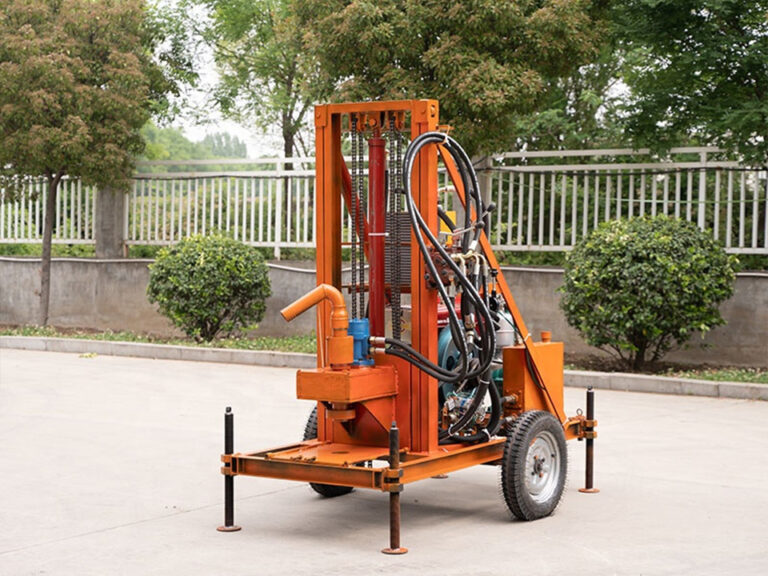
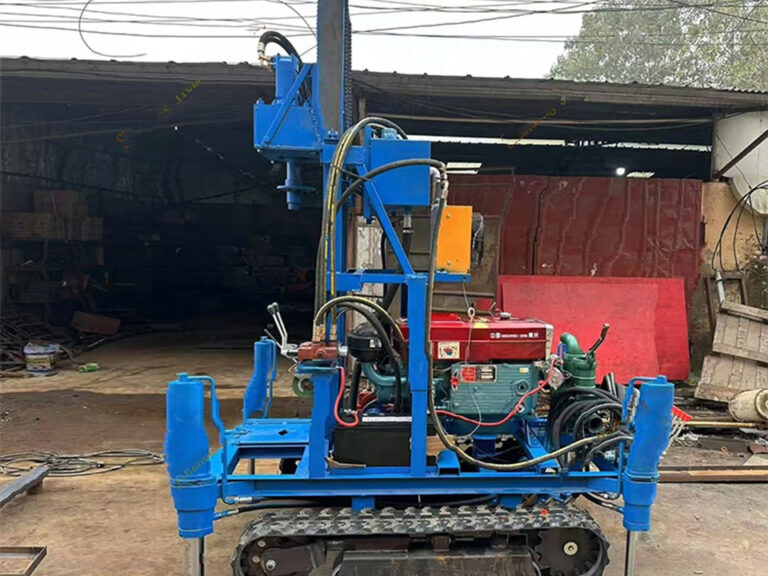
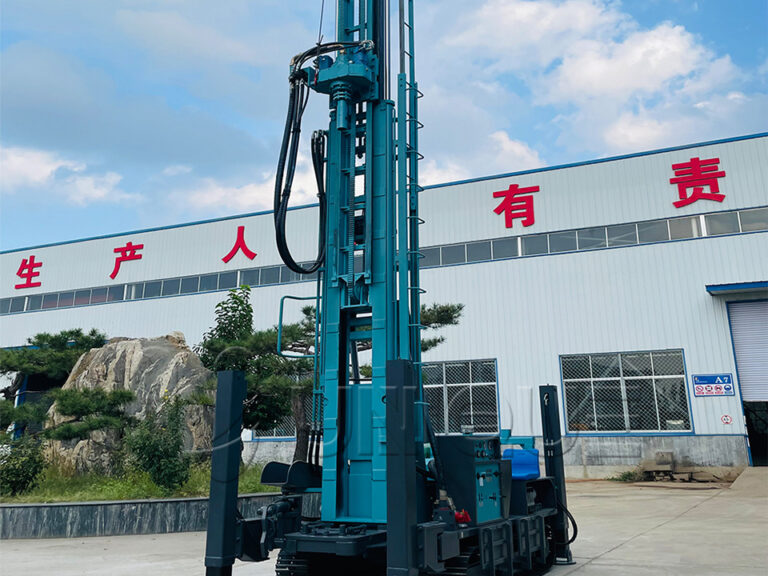
Trailer, Truck, or Crawler Rig: Which Platform Fits Jobs

Most buyers do not choose the wrong drilling rig. They choose the wrong carrier. Trailer, truck, and crawler platforms each make money in different ways, and pretending otherwise is how fleets get bloated.
How to Choose the Right Water Well Drilling Rig for Your Market

Most distributors buy the wrong rig for the right reason: they over-index on maximum depth and underwrite the wrong customer segment. Here is the harder, better way to build a water well drilling rig line that actually sells.