“The Drilling Rig gave us a true one-stop solution. Their team matched the right rig, compressor, and drilling tools for our project, and the engineering support stayed fast and professional from quote to delivery.”
Case Study: A $20K Well Quote vs Owning a Drilling Rig
One quote lies.
Table of Contents
I have watched startup contractors get a single $20,000 well drilling quote from a subcontractor, stare at it for ten seconds, and then start talking themselves into buying a water well drilling rig as if one expensive invoice proves a business model, even though ownership only works when that quote repeats often enough to cover debt, fuel, labor, repairs, idle days, and the ugly cost of being wrong. Does one painful bill really justify years of fixed cost?
The $20K quote that starts the fantasy
Here is the modeled case.
A small contractor gets quoted $20,000 to subcontract a rural water well job. The site is road-accessible. The formation is not exotic. The contractor now asks the question I hear all the time: should we keep paying outside drillers, or should we own the machine and keep the margin?
I would not treat this as a romantic ownership story. I would treat it as a workload test. According to Reuters’ January 2024 report on accelerating groundwater decline, groundwater levels have shown widespread and “accelerated” decline over the past 40 years, and a UC Santa Barbara summary of the same research says groundwater levels were dropping in 71% of the aquifers studied. Demand pressure is real. That still does not mean your utilization math is real.
The case file, stripped of sales talk
Numbers matter first.
For this modeled case, I am using a simple ownership test, not a fantasy spreadsheet: annual fixed ownership burden = $78,000, in-house variable cost per job = $6,500, and outsourced quote per job = $20,000. The fixed burden stands in for finance, insurance, licensing, storage, basic maintenance readiness, and the management drag nobody likes to count. The variable number stands in for fuel, consumables, transport, assist labor, and job-by-job wear.
A clean break-even view
Here is the blunt version.
Annual completed jobs
Outsource total
Own-and-operate total
Result
4 jobs
$80,000
$104,000
Outsourcing is cheaper by $24,000
6 jobs
$120,000
$117,000
Rough break-even
8 jobs
$160,000
$130,000
Ownership saves about $30,000
12 jobs
$240,000
$156,000
Ownership saves about $84,000
That table is why I get impatient with one-quote logic.
At four jobs a year, ownership loses. At six, it barely works. At eight to twelve, the case starts to look serious. But only if those jobs are real, collectible, and executable with one rig class and one crew. What happens when two projects slide, one customer stalls payment, and your operator disappears for a month?
Why the market feels hotter than the spreadsheet
Costs moved up.
California’s 2024 Drinking Water Needs Assessment says estimated well-drilling cost for a modeled new public supply well rose from $790,000 in the 2021 assessment to $900,000 in the 2024 assessment, and for 59 systems modeled for a new well in both cycles, total estimated cost increased from $93 million to $152 million, a 63% jump. That is not a small move. It tells me drilling-related capex and project pricing are getting less forgiving, not more forgiving.
And the supporting cost appendix is even harsher.
The State Water Board’s 2024 methodology says its model assumes a new public-supply well is 1,000 feet deep and 12 inches wide, and that the well-drilling cost assumption was set at $900,000 after reviewing quotes gathered in 2023–2024; those quotes ranged from $309,820 to $3,000,000. I would not use that range to price a local contractor’s one-off water well, but I would absolutely use it to make one point: drilling cost inflation has a very wide spread, and spread kills lazy ROI assumptions.
So yes, a $20K subcontract quote can feel outrageous.
But when the wider market is moving upward, the right reaction is not “buy immediately.” The right reaction is “build a model that survives a slow quarter.” I have seen more contractors hurt by overconfidence than by outsourcing.
Which rig would even make ownership work?
Fit beats bravado.
If this modeled contractor mostly sees general-purpose rural water well jobs, I would start with a broad-use machine such as a 300-meter portable diesel water well drilling rig before I went near a specialized asset, because the first job of ownership is not to impress buyers but to keep the machine moving often enough to stay solvent.
If the work regularly stretches deeper or the route pattern favors road mobility, a 600m truck-mounted deep borehole water well drilling rig belongs in the discussion, but I would only justify that step if backlog depth, access conditions, and crew readiness are already visible in the actual sales pipeline. Buying truck-mounted capacity for imaginary jobs is how people create very expensive yard art.
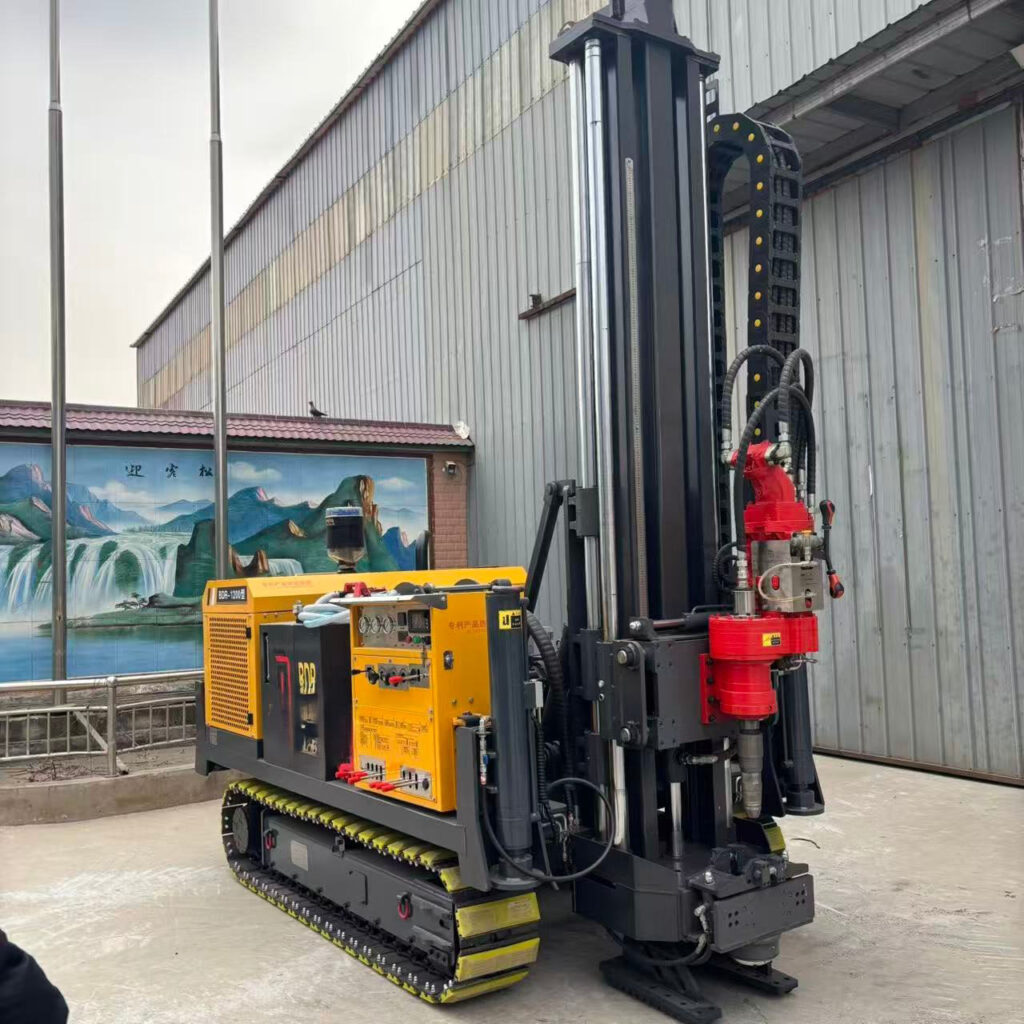
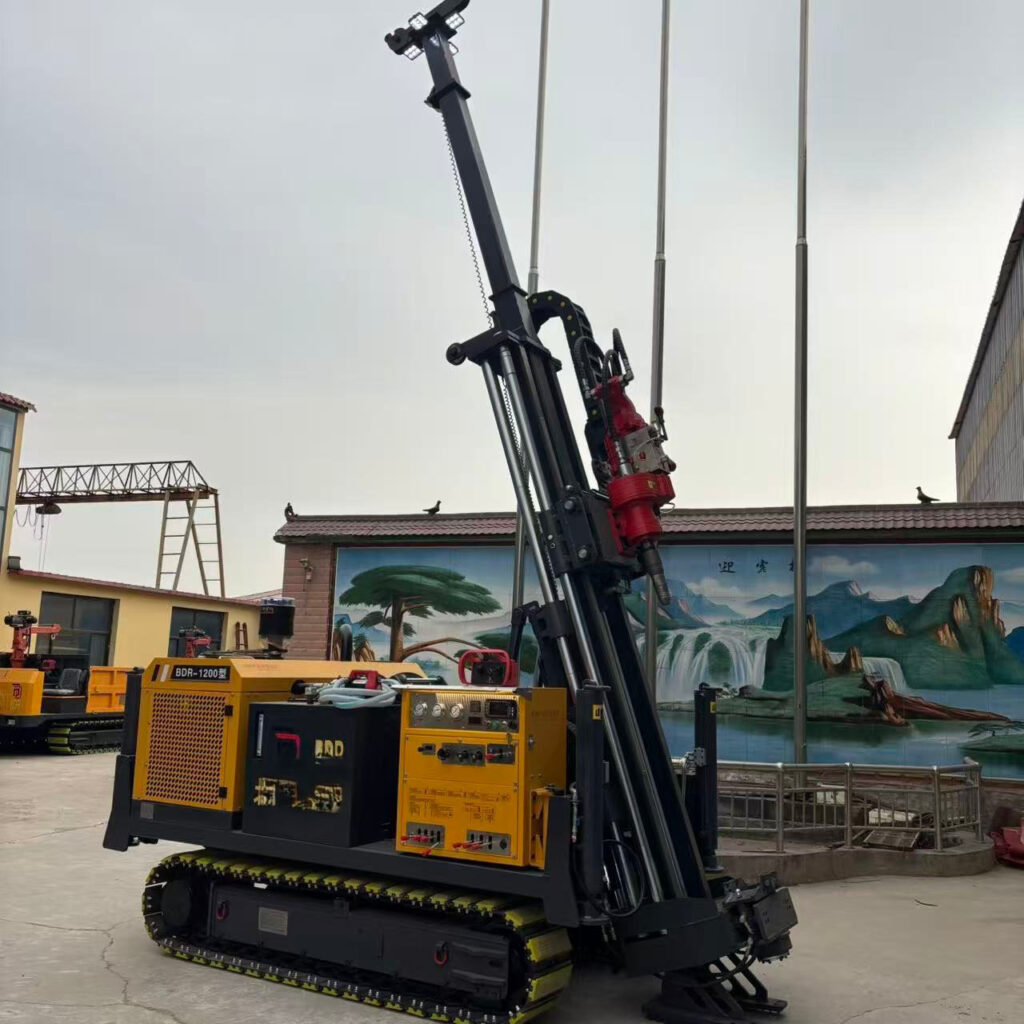
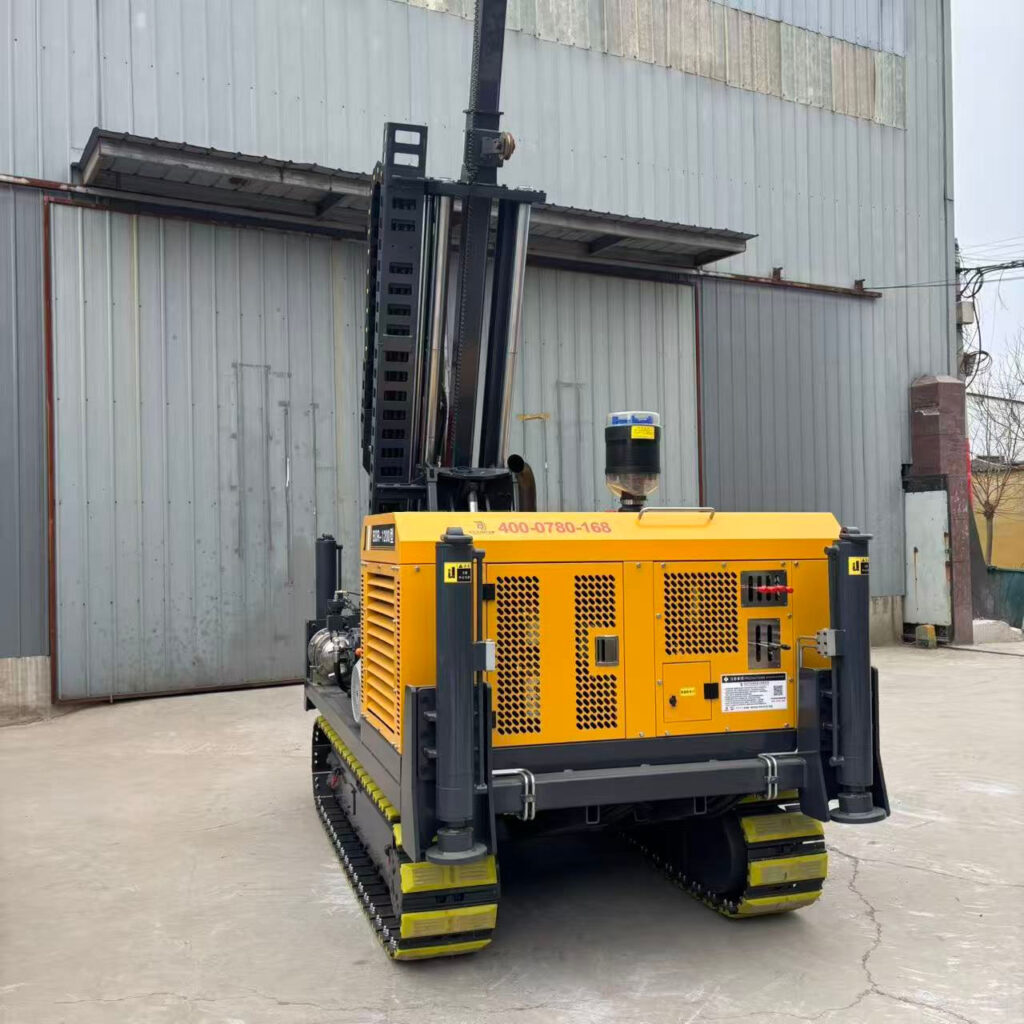
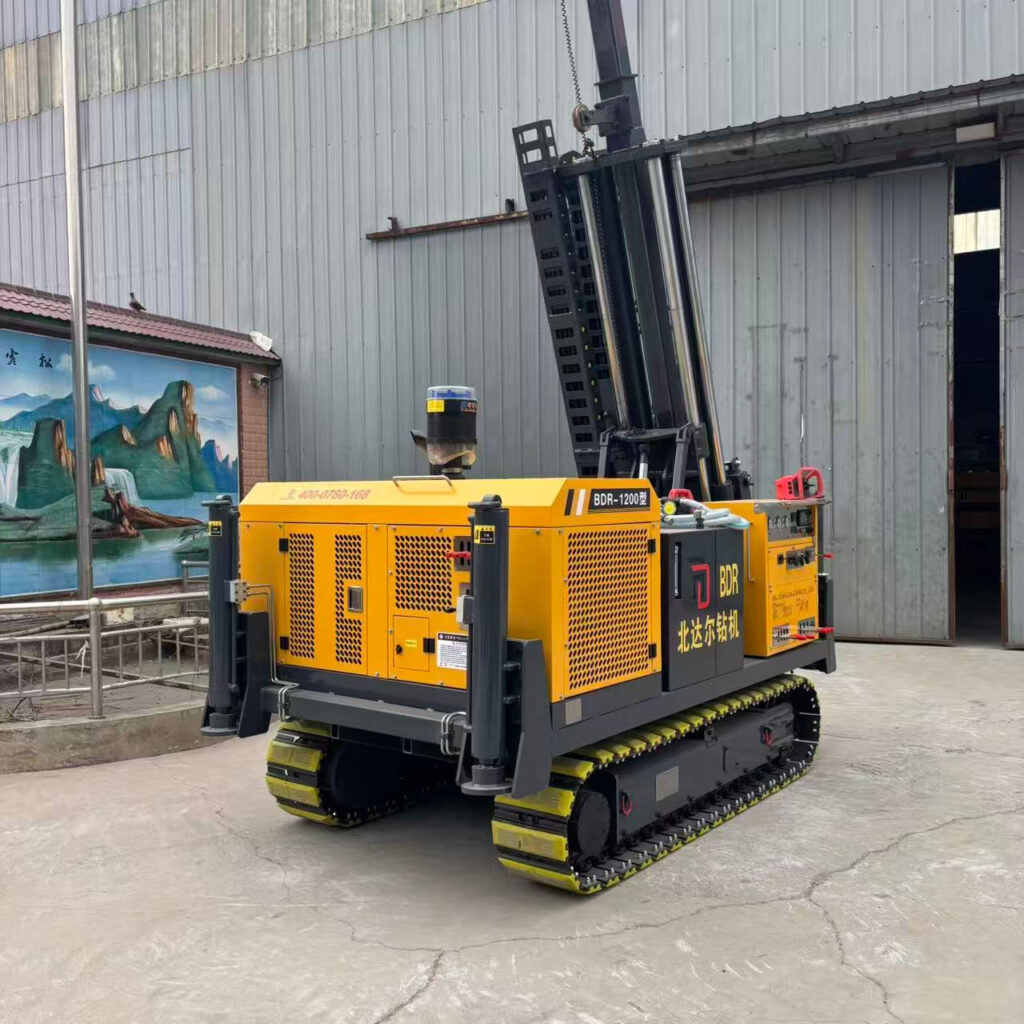
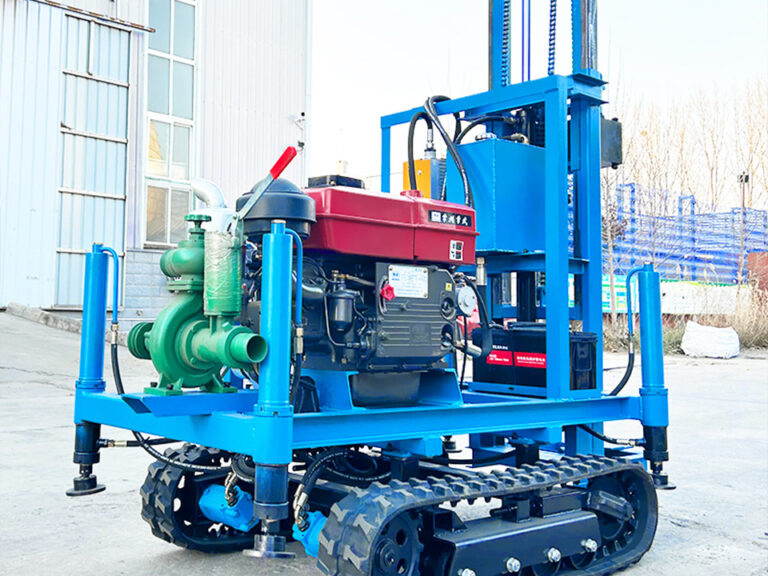
And if the territory gets rough, wet, or access-limited, then a 260m crawler pneumatic water well drilling rig starts to make more sense, because platform friction matters just as much as drill performance once the road stops being dependable.
Rock changes the argument again.
A 58kW diesel crawler DTH drill rig can be the right ownership tool when hard rock is not an occasional headache but a weekly operating fact, yet that same machine becomes a margin killer when it is bought to solve the rare specialist job that should have stayed subcontracted. I do not like mixed-market fleets pretending specialist rigs are broad-market assets. They usually are not.
The finance market is not your permission slip
Credit is available.
The Equipment Finance Industry Horizon Report 2024 says the equipment finance industry expanded to $1.34 trillion in 2023, and that 82% of end-users used some form of financing for equipment and software acquisitions. That tells me access to equipment capital is normal, not rare. It does not tell me the purchase is smart.
And the live market signal is messy, not clean.
In Reuters’ August 2024 report on equipment borrowings, U.S. companies increased borrowing for equipment investments by 13% year over year in July, while credit approvals were 75.8%. That is a decent financing backdrop, yes, but it also tells me buyers are still operating inside a lender screen. Money being available does not make underutilization disappear.
Government-backed financing helps too, but only to a point.
The SBA’s 7(a) terms and conditions say equipment financing terms are generally 10 years or less, while the SBA’s 7(a) overview says guarantee levels can reach 85% for loans of $150,000 or less and 75% above that threshold. That is useful structure. It is not a substitute for repeatable billed work.
My verdict on the $20K quote
One quote is bait.
In this modeled case, I would not buy a water well drilling rig because of one $20,000 quote. I would buy only if the contractor can prove at least six to eight similar jobs per year, with stable access, predictable formations, and enough cash discipline to survive downtime without turning the rig into a panic asset.
That is the part the industry softens because it sells fewer machines.
Ownership works when the quote repeats. Outsourcing works when the quote is sporadic. I know that sounds obvious, but this business has a weird talent for forgetting obvious things when steel enters the room.
FAQs
Does one $20K well quote justify buying a water well drilling rig?
A $20,000 well quote justifies buying a water well drilling rig only when that quote reflects a repeatable pattern of work and the annual gross margin saved by drilling in-house beats the rig’s full yearly cost burden under conservative utilization, not best-case scheduling. One expensive subcontract bill is a signal. It is not proof.
How many jobs does it usually take for drilling rig ownership to beat outsourcing?
Break-even job volume is the number of completed wells per year needed for the savings from in-house drilling, after fuel, consumables, assist labor, maintenance, insurance, and finance costs, to fully offset the fixed annual burden of owning the rig and supporting the crew. In the modeled case above, that line sits around six jobs per year.
When is a portable rig smarter than a crawler or truck-mounted unit?
A portable rig is usually the smarter first purchase when the contractor’s work is repetitive, road-accessible, and mostly general-purpose water well drilling, because it keeps transport and fixed cost lower than crawler or deep-borehole truck platforms while still covering the broad middle of real demand. I would start there unless rough terrain or deeper work clearly dominates the backlog.
When should a startup contractor keep outsourcing?
Outsourcing is the safer choice for startup contractors when their backlog is thin, geology is inconsistent, or they would need a specialist machine for only occasional jobs, because variable subcontract cost is often less damaging than debt service on underused equipment and an inexperienced drilling crew. That answer is less glamorous. It is usually more bankable.
Your next move
Audit the last year.
Take your last 12 months of drilling-related spend and split it into four buckets: recurring routine wells, high-margin wells, rough-access jobs, and specialist rock jobs. Then ask the only question that matters: how many of those jobs could one rig, one operator plan, and one support setup have handled without heroic assumptions?